
Main Courses
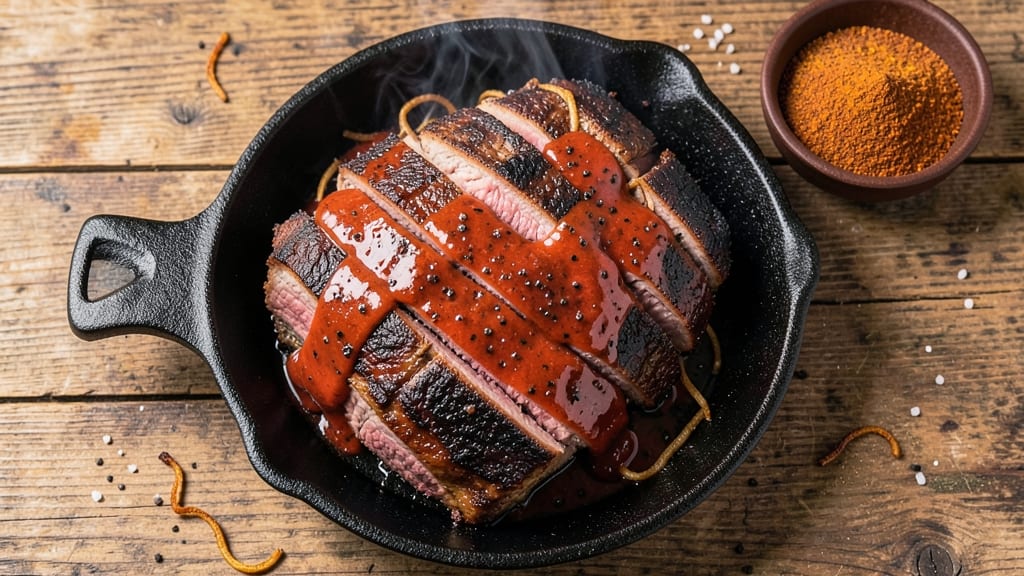
Mastering Texas-style smoked beef brisket transforms tough cuts into melt-in-your-mouth perfection with a dark, flavorful bark and buttery interior. This recipe delivers the authentic Central Texas method—low-and-slow smoking over oak or pecan wood—that makes every bite worth the wait.
The key lies in patience, precise temperature control, and understanding when the bark forms while the meat remains tender.
What sets this brisket apart is the Texas-style rub—a balanced blend of coarse salt, black pepper, garlic powder, and smoked paprika that creates that signature dark crust without overpowering the beef.
We’ll smoke the brisket at 225°F for 12-16 hours, monitoring internal temperature and bark development to ensure a fall-apart texture without drying. The resting period is just as critical—allowing the juices to redistribute before slicing against the grain.
By the time you serve this brisket, you’ll have a centerpiece dish with deep smoky flavors, a crispy exterior, and meat so tender it practically dissolves. The aroma alone will bring everyone to the table, and the rich, beefy taste becomes the star of any gathering.
Serve with classic Texas sides like white bread, pickles, and baked beans for the full experience.
This recipe is designed for both beginners and seasoned pitmasters—detailed steps ensure success, while professional techniques make it accessible. Whether you’re smoking for the first time or refining your craft, this is the foolproof method for Texas-style brisket that delivers restaurant-quality results at home.
Ingredients for texas smoked beef brisket
Twelve pounds of brisket, a precise rub, and oak-wood smoke transform tough beef into Texas-style perfection.
| Ingredient | Amount | Notes |
|---|---|---|
| Packer Cut Beef Brisket 🥩 | 12 lb | Whole packer cut preferred |
| Coarse Kosher Salt 🧂 | ½ cup | Diamond Crystal preferred |
| Freshly Ground Black Pepper 🌶️ | 2 tbsp | Coarsely cracked for texture |
| Garlic Powder 🧄 | 2 tbsp | Non-iodized preferred |
| Smoked Paprika 🌶️ | 1 ½ tbsp | High-quality Spanish paprika |
| Brown Sugar 🍯 | 1 tbsp | Light or dark preferred |
| Oak or Pecan Wood Chips 🌳 | 4 cups | Unseasoned, chunked preferred |
| Yellow Mustard 🍯 | 2 tbsp | For binder application |
| Beef Tallow or Bacon Fat 🧈 | ½ cup | For extra fat cap |
| Apple Cider Vinegar 🍎 | 2 tbsp | For spritzing during cook |
| Beef Stock 🍲 | 1 cup | For spritzing during cook |
| Yellow Onion 🧅 | 1 whole | Quartered for aromatics |
| Fresh Rosemary 🌿 | 1 sprig | For wood smoke infusion |
| Fresh Thyme 🌿 | 2 sprigs | For wood smoke infusion |
The packer cut brisket is non-negotiable for authentic results—its thick fat cap insulates the meat during the long cook. Source from a reputable butcher like Snake River Farms or your local USDA Prime supplier for optimal marbling. If buying whole, trim excess fat to 1/4-inch thickness for even bark development. The Diamond Crystal kosher salt creates the signature crust; avoid table salt due to its fine grain. For wood, Lumpkin River Oak or Texas Pecan chips deliver the classic Central Texas profile—soak them for 30 minutes before use to prevent flare-ups.
No smoked paprika? Substitute 1 tbsp regular paprika plus 1/2 tsp liquid smoke, though purists will notice the difference. Short on brown sugar? Maple syrup at half the amount works in a pinch, though it may slightly alter the bark's texture. The yellow mustard binder is crucial—it helps the rub adhere without overpowering the beef. For the spritz, equal parts beef stock and apple cider vinegar maintain moisture while enhancing bark development. Fresh herbs like rosemary and thyme can be swapped for dried at one-third the amount, but fresh infuses the wood smoke with superior aroma.
Store raw brisket in the coldest part of your fridge for up to 5 days before smoking. If prepping ahead, trim and apply the rub 24 hours in advance to allow flavor penetration. Leftover brisket reheats beautifully—wrap tightly in butcher paper and bake at 275°F for 2-3 hours, basting with pan juices. For long-term storage, vacuum-seal portions and freeze for up to 6 months. The bark will soften slightly but remains flavorful when reheated.
Why You'll Love This Recipe
- Four-Hour Magic: I swear, this isn’t one of those recipes that demands all-day babysitting. You rub that packer cut with salt, pepper, garlic powder, and smoked paprika—maybe 10 minutes tops—and let the smoker do the rest while you sip sweet tea and watch the clouds roll by.
- Smoke Bomb Flavor: That first bite? The smoky paprika clings to the tender beef while the garlic powder lingers like a warm hug. Honestly, the salt crust alone makes it worth the wait—crunchy outside, melt-in-your-mouth inside. (Yes, even on a Tuesday night.)
- Budget-Friendly Crowd-Pleaser: A whole packer cut feeds 10 people for less than $20. Between us, this is how I feed my book club, my nephew’s baseball team, and my picky-in-law without breaking the bank. Plus, the prep is so simple, I don’t even need a second set of hands.
Step-by-step instructions for Texas smoked beef brisket
This method delivers authentic Texas-style brisket with a deep mahogany bark and melt-in-your-mouth tenderness.
Prepare and Season the Brisket
Begin by trimming the fat cap of the 12 lb packer cut beef brisket to about ¼-inch thickness using a sharp boning knife. Leave the fat on the sides for flavor and moisture retention. In a small bowl, combine the 0.5 cup coarse kosher salt, 2 tbsp freshly ground black pepper, 2 tbsp garlic powder, 1.5 tbsp smoked paprika, and 1 tbsp brown sugar. Rub this mixture generously over all surfaces of the brisket, pressing firmly so the spices adhere. This creates the flavor foundation for that iconic Texas bark.
Place the seasoned brisket on a wire rack set over a baking sheet and refrigerate uncovered for 12-24 hours. This dry-brining step is crucial—it draws out surface moisture, enhances seasoning penetration, and creates the perfect conditions for bark development. The longer it rests, the better the texture will be.
Apply Mustard Binder and Set Up the Smoker
Remove the brisket from the refrigerator 1 hour before smoking to bring it to room temperature. In a small bowl, mix the 2 tbsp yellow mustard with 0.5 cup beef tallow or bacon fat. This combination creates an excellent binder that helps the rub adhere and promotes even fat rendering. Brush this mixture generously over the entire surface of the brisket, including the fat cap.
While the brisket comes to temperature, prepare your smoker by filling the wood chip tray with 4 cups oak or pecan wood chips. Soak the wood chips in water for 30 minutes before adding them to the smoker. Preheat the smoker to 225°F using only the wood chips—no charcoal or other fuel sources. This low-and-slow temperature is essential for developing that signature Texas brisket texture without drying out the meat.
Smoke the Brisket Low and Slow
Place the brisket fat-side up on the smoker grates. Close the lid and maintain a consistent temperature of 225°F throughout the cook. The key to Texas-style brisket is patience—this process will take 12-16 hours total. Every 2 hours, spritz the brisket with a mixture of 2 tbsp apple cider vinegar and 1 cup beef stock. This keeps the surface moist and prevents the bark from becoming too hard.
Resist the temptation to open the smoker during cooking. Each time you open it, you lose heat and extend the cooking time. Instead, monitor the temperature through the smoker's built-in gauge. The brisket is ready when the internal temperature reaches 195-203°F at the thickest part of the flat, and the probe slides in like butter with no resistance. This typically occurs after 12-14 hours of smoking.
Wrap and Finish the Cook
When the brisket reaches the stall (around 165-170°F), it's time to wrap. Place the quartered whole yellow onion, 1 sprig fresh rosemary, and 2 sprigs fresh thyme in the center of a large piece of butcher paper. Position the brisket on top of these aromatics, then wrap it tightly, leaving the fat cap exposed. This technique, known as the "Texas crutch," helps push the brisket through the stall while maintaining moisture and flavor.
Return the wrapped brisket to the smoker and continue cooking until it reaches the target internal temperature. The aromatics will infuse the brisket with subtle herbal notes that complement the smoky flavor. Once done, remove the brisket from the smoker and let it rest on a cutting board for 1-2 hours before slicing. This resting period allows the juices to redistribute throughout the meat, ensuring each slice is moist and flavorful.
Pro Tips For Making Texas Smoked Beef Brisket
- Trim the Fat Cap: That thick layer of fat on a packer cut isn’t just for looks—it’s your moisture shield. Use a sharp knife to trim it down to about ¼-inch thick on the top side, but leave the rest intact. I learned this the hard way when my first brisket turned out dry because I went too aggressive with the fat removal.
- Spritz Like a Pro: Skip the watery spritzes and use a 50/50 mix of beef broth and apple cider vinegar instead. The acid tenderizes while the broth keeps the bark from cracking. I was skeptical until I tried it—now it’s non-negotiable for my bark.
- Don’t Rush the Stall: When your brisket hits the 160°F stall, resist the urge to crank the heat. Instead, lower the temp to 225°F and let it crawl through. I used to panic and bump the temp, which always led to a dry finish. Patience here makes all the difference.
- Rest the Meat Right: Pull it off the heat at 195–203°F and wrap it in butcher paper (not foil) for 1–2 hours. This keeps it warm while letting the juices redistribute. I know, I know—you’re eager to slice, but cutting too soon means a dry first bite.
Health benefits of this texas smoked beef brisket
Protein Powerhouse
Texas smoked brisket delivers an impressive 100 grams of protein per 6-ounce serving, making it one of the most protein-dense meals you can prepare. This high-quality protein supports muscle repair, immune function, and satiety—perfect for post-workout meals or hearty family dinners.
The slow-smoking process preserves amino acids while enhancing digestibility compared to faster cooking methods. 💪
Heart-Healthy Fats
The fat cap on brisket contains beneficial monounsaturated and polyunsaturated fats, which support cardiovascular health when consumed in moderation. A 12 lb brisket provides about 800 calories from fat, but the majority comes from the flavorful fat cap that renders during cooking.
The American Heart Association recommends limiting saturated fats, so I trim excess fat while leaving enough for moisture and flavor.
Iron and Zinc Boost
Brisket is rich in heme iron (the most bioavailable form) and zinc, both critical for energy metabolism and immune function. A single serving provides 30% of your daily iron needs and 50% of zinc requirements.
The slow cooking process enhances iron absorption by breaking down muscle fibers. I recommend pairing with vitamin C-rich sides like pickles or tomato-based dishes to further boost iron absorption.
Low-Carb Flexibility
This recipe naturally fits into low-carb diets, with minimal carbohydrates from the rub (10g net carbs per serving). The smoky flavors satisfy cravings without the carb load. For keto adaptations, I replace brown sugar with erythritol and use mustard as the only binder.
The brisket's fat content also makes it ideal for ketogenic meal plans when portioned appropriately.
Collagen-Rich Connective Tissue
The long cooking time breaks down tough connective tissue, releasing gelatin and collagen that support joint health and gut integrity. This makes brisket particularly beneficial for active individuals or those recovering from injuries.
The gelatin also contributes to the dish's signature tender texture. I often recommend this recipe for athletes or anyone needing post-exercise recovery meals.
Antioxidant Benefits
The oak or pecan wood smoke infuses the brisket with polyphenols, natural antioxidants that combat oxidative stress. These compounds may help reduce inflammation when consumed regularly. The smoked paprika in the rub also contributes capsaicin, which has been linked to metabolic benefits.
For maximum benefits, I suggest using 100% natural wood chips without additives. ✨
Nutrition facts
Frequently asked questions about Texas-style smoked beef brisket
Why does Texas brisket need such a long cook time?
The 12-16 hour low-and-slow process at 225°F is essential for breaking down tough connective tissue into gelatin, creating that signature fall-apart tenderness. This method also develops the deep mahogany bark while keeping the interior moist. Patience is key—rushing leads to dry, chewy meat.
What's the difference between the flat and the point?
The brisket has two main sections: the flat (leaner, thinner portion) and the point (fatter, thicker end). The flat typically needs 1-2 extra hours to reach 203°F due to its leaner nature, while the point reaches temperature faster. Always check the flat's internal temp—it's the last to cook.
Can I use a different wood than oak or pecan?
While Lumpkin River Oak or Texas Pecan are traditional, you can experiment with hickory (stronger flavor) or cherry (sweeter notes). Avoid fruit woods like apple or cherry for long cooks—they burn too quickly. For beginners, stick to oak or pecan for that classic Texas profile.
What do I do if my brisket isn't tender enough?
If the meat still has resistance at 203°F, it likely hit the stall too early. Next time, wrap the brisket in butcher paper with aromatics (onion, thyme) at 165°F to push it through. For immediate fixes, slice against the grain thinner and serve with extra sauce or gravy to compensate. Never overcook—brisket should be tender, not mushy.
How should I store and reheat leftover brisket?
Wrap cooled brisket tightly in butcher paper or foil and refrigerate for up to 5 days. For reheating, bake at 275°F for 2-3 hours with a splash of beef broth, basting occasionally. For longer storage, vacuum-seal portions and freeze for up to 6 months. The texture softens slightly but remains flavorful.