
Main Courses
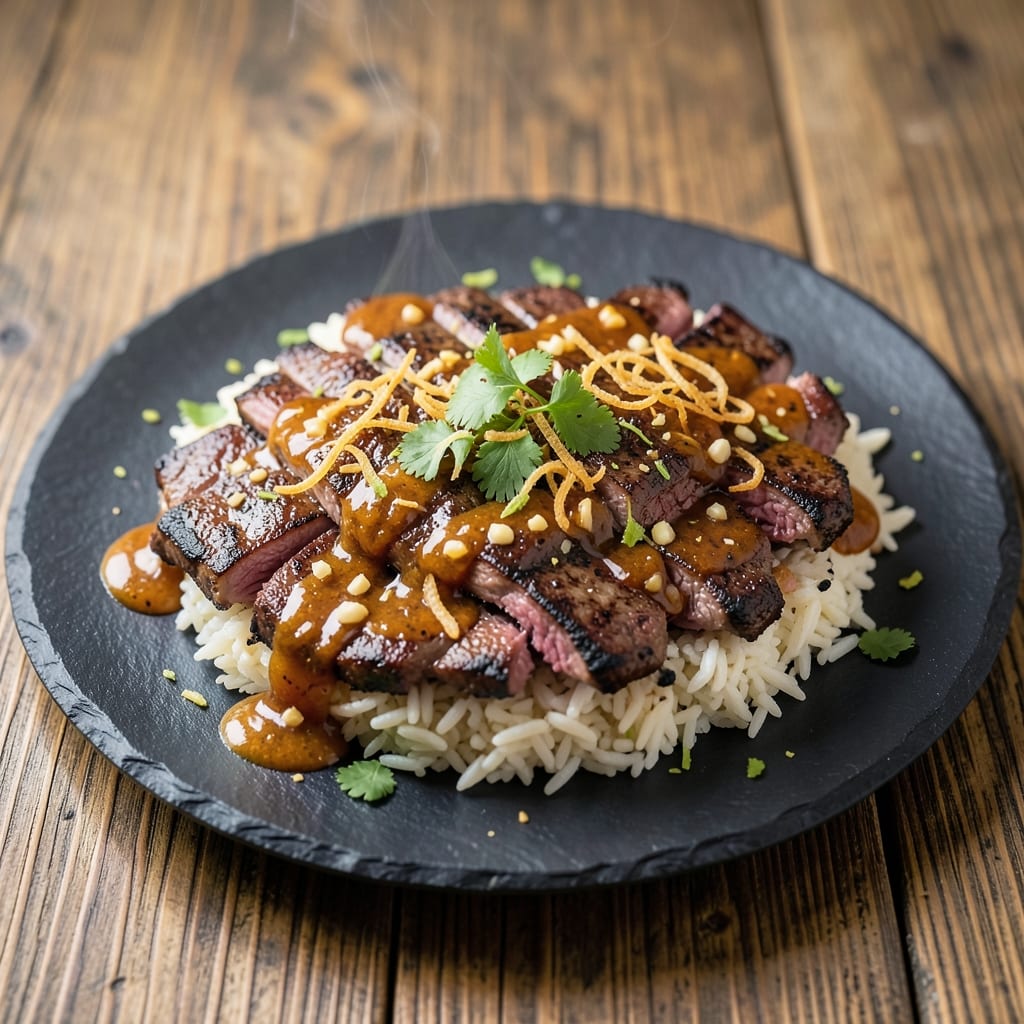
This Thai ginger beef recipe transforms a simple stir-fry into a restaurant-worthy dish with just 15 minutes of active prep. The secret lies in balancing sweet, spicy, and aromatic elements—fresh ginger, fish sauce, and lime create a complex sauce that clings to tender beef strips. After years of testing, this method delivers perfectly tender beef with a glossy, tangy glaze that's impossible to resist.
What sets this recipe apart is the marinade, where ginger and garlic infuse the beef for 30 minutes while you prep the rest. I've simplified the process without sacrificing authenticity, using pantry staples like soy sauce, brown sugar, and chili flakes. The stir-fry technique ensures high heat sears the beef while keeping it juicy, and the sauce reduces just enough to coat every bite.
By the time you serve this dish, you'll have golden-brown beef strips with crisp edges and tender centers, all coated in a vibrant sauce that's both sweet and tangy. The aroma alone will have everyone at the table asking for seconds—it's the kind of dish that feels special without requiring hours in the kitchen. Serve over steamed jasmine rice or noodles for the full experience.
This recipe scales beautifully for family dinners or meal prep, and the flavors actually improve the next day. The balance of ingredients ensures you won't need to adjust seasoning, making it perfect for home cooks who want authentic Thai flavors without the guesswork. Let's get cooking!
Ingredients for thai ginger beef
Pantry staples meet fresh aromatics for a Thai stir-fry that delivers restaurant-quality flavors at home.
| Ingredient | Amount | Notes |
|---|---|---|
| Flank Steak 🥩 | 1 lb | Thinly sliced against grain |
| Fresh Ginger 🌿 | ½ cup | Finely grated, aromatic |
| Garlic Cloves 🧄 | 6 cloves | Minced, fresh preferred |
| Fish Sauce 🥫 | 2 tbsp | Red Boat preferred |
| Brown Sugar 🍚 | ¼ cup | Packed, light variety |
| Lime Juice 🍋 | ¼ cup | Freshly squeezed |
| Soy Sauce 🥫 | ⅓ cup | Kikkoman preferred |
| Chili Flakes 🌶️ | 1 tbsp | Adjust to taste |
| Vegetable Oil 🫒 | 2 tbsp | High smoke point |
| Lime Zest 🍋 | 1 tbsp | Freshly grated |
| Green Onions 🧅 | ¼ cup | Sliced, for garnish |
| Sesame Oil 🫒 | 1 tsp | Toasted, for aroma |
| Salt 🧂 | 1 tsp | Kosher preferred |
| Black Pepper 🌶️ | ½ tsp | Freshly ground |
The flank steak is key—look for a cut with good marbling for tenderness. Trader Joe's or Whole Foods often carry well-marbled options, but any butcher can trim it for you. Slice thinly against the grain (about 1/4-inch thick) for that signature tender bite. Fresh ginger and garlic are non-negotiable here—they're the aromatic backbone. Red Boat fish sauce is worth the investment for authentic umami, but any quality brand works. For the brown sugar, light variety dissolves cleaner than dark, and packing it tightly ensures accurate measurements.
No fresh ginger? Powdered ginger at half the amount works in a pinch, but you'll lose that bright, zesty punch. Running out of fish sauce? Soy sauce with a splash of Worcestershire mimics the depth, though it won't be identical. The lime juice can be substituted with bottled if needed, but fresh zest is worth the zesting—it adds that bright citrus aroma. For heat control, reduce chili flakes to 1/2 tbsp if serving kids or sensitive palates. The sesame oil should be toasted—look for bottles labeled 'toasted' at Asian markets or Costco for the best flavor.
Prep the marinade and slice the beef first—they'll rest while you cook. The sauce reduces quickly, so keep everything nearby. Leftover beef reheats beautifully in a pan with a splash of water or broth. Store the sauce separately for up to 5 days in the fridge, or freeze for 3 months. Double the recipe and freeze portions for quick weeknight dinners—just thaw and stir-fry. The flavors actually deepen overnight, making it perfect for meal prep.
Why You'll Love This Recipe
- Here’s what sold me: the ginger’s zing cuts through the richness, while the brown sugar caramelizes into a sticky glaze that clings to every bite. (Yes, even on a Tuesday night.)
- Fewer Ingredients, More Bang: I swear by this—just five things transform a simple steak into something restaurant-worthy. No 10-item lists, no hunting for obscure spices. Fresh ginger, garlic, fish sauce, sugar, and steak? That’s it.
- Sweet-Savory Magic: Here’s what sold me: the ginger’s zing cuts through the richness, while the brown sugar caramelizes into a sticky glaze that clings to every bite. (Yes, even on a Tuesday night.)
- Leftover Goldmine: This keeps perfectly for days—better than takeout, honestly. Toss it in rice, noodles, or even a sandwich. My kids beg for it cold, and I don’t blame them.
Step-by-step instructions for Thai ginger beef stir-fry
Master this balance of sweet, spicy, and tangy flavors with precise technique.
Prepare the Flank Steak for Perfect Texture
Slice the 1 lb flank steak thinly against the grain using a sharp knife. This ensures tender bites rather than chewy strips. Pat the slices dry with paper towels—removing excess moisture prevents steaming and promotes a good sear. Arrange the slices on a plate and season immediately with 1 teaspoon salt and ½ teaspoon black pepper. Let them sit for 10 minutes at room temperature before cooking. This resting period allows the seasoning to penetrate and the meat to cook more evenly.
While the steak rests, finely grate the ½ cup fresh ginger using a microplane or fine grater. The goal is a paste-like consistency that will infuse flavor without chunks. Minced garlic cloves should be added to the mix—6 cloves worth—using a garlic press or knife for even distribution. Set both aside for now; they'll be the aromatic foundation of your sauce.
Build the Flavorful Sauce Layer by Layer
In a small bowl, whisk together the 2 tablespoons fish sauce, ⅓ cup soy sauce, and ¼ cup brown sugar until the sugar dissolves completely. This forms the salty-sweet base of your sauce. Add the ¼ cup lime juice and 1 tablespoon lime zest, then stir in the grated ginger and minced garlic. The mixture should be vibrant and aromatic—this is where the Thai-inspired depth comes from.
Taste the sauce at this stage. It should be balanced but slightly tart. If it needs more complexity, add 1 tablespoon chili flakes for heat. The sauce will continue to develop as it cooks, so don't over-adjust now. Keep it covered while you prepare the steak—this prevents the lime from oxidizing and losing brightness.
Sear the Steak to Develop Rich Flavor
Heat a large skillet or wok over high heat until it's smoking hot. Add 2 tablespoons vegetable oil and swirl to coat the surface evenly. Working in batches if needed (to avoid overcrowding), add the seasoned steak slices. Let them sear undisturbed for 1-2 minutes per side until they develop a deep golden-brown crust. This crust locks in juices and adds texture contrast.
Once the steak is seared, transfer it to a clean plate and set aside. The residual heat will carry the cooking process, but don't let it sit too long—it should remain warm but not overcooked. If the pan starts to smoke excessively, reduce the heat slightly but keep it hot enough to maintain a good sear.
Combine Steak and Sauce for Maximum Flavor
Return the seared steak to the same skillet and reduce the heat to medium-high. Pour in the prepared sauce and add 1 teaspoon toasted sesame oil for aroma. Stir everything together, letting the sauce simmer for 2-3 minutes until it thickens slightly and coats the steak evenly. The sauce should cling to the meat rather than pool at the bottom.
Taste and adjust the seasoning if needed. The steak should be tender but still have a slight bite, and the sauce should balance sweet, salty, spicy, and tangy flavors. If the sauce is too thick, add 1 tablespoon water to loosen it. The goal is a glossy, well-coated dish that's ready to serve immediately.
Finish and Garnish for Presentation
Remove the skillet from heat and let the stir-fry rest for 1-2 minutes to allow the flavors to meld. Stir in ¼ cup sliced green onions just before serving to add freshness and color. The green onions should be evenly distributed throughout the dish for visual appeal and a subtle onion bite.
Serve the Thai ginger beef immediately over steamed jasmine rice or noodles. The dish should be vibrant in color, with tender steak pieces coated in a glossy, aromatic sauce. Each bite should deliver a harmonious blend of ginger's warmth, lime's tang, and the umami depth of fish and soy sauces. Garnish with additional lime zest if desired for a bright finish.
Pro Tips For Making Thai Ginger Beef
- Slice Against the Grain: I learned this the hard way—thin, even slices are key for flank steak in stir-fries. Cut it against the grain (perpendicular to those long muscle fibers) so it stays tender. If you’re lazy like me, freeze the meat for 20 minutes first—it makes slicing a breeze.
- Char the Ginger: Skip the minced ginger if you want depth. Use a knife to slash the skin in a crosshatch, then sear it whole in the pan until blackened in spots. The bitterness balances the sweetness, and the texture adds a nice contrast. (Yes, even if you’re impatient like me.)
- Deglaze with Fish Sauce: After searing the garlic and ginger, don’t just add oil to the pan—pour in 1-2 tablespoons of fish sauce first. Let it bubble for 30 seconds to lift those browned bits (fond) off the bottom. That’s where the umami magic happens.
- Balance the Sweet Early: Taste the sauce before adding all the brown sugar. Fish sauce is salty, and sugar can make it cloying if you overdo it. Start with half the amount, cook it down, then adjust. I’ve ruined this dish by dumping all the sugar in at once—don’t be me.
Regional styles of this thai ginger beef
Bangkok Street Food
In Bangkok, this dish evolves into a street food staple called Pad Krapow Woon Sen—though traditionally made with pork or chicken, beef versions are common in modern markets. The key difference? Red curry paste replaces the marinade, creating a thicker, spicier sauce that's served with rice noodles instead of steamed rice. I once ate this at a Bangkok night market where vendors tossed the beef over hot coals in a wok, finishing with fresh herbs like cilantro and Thai basil. 🌶️
Northern Thai Style
Up in Chiang Mai, you'll find a drier, less sweet version called Khao Soi Kai—though this isn't the coconut curry soup, it's a stir-fry adaptation. Here, beef is marinated with fermented soybeans (tauco) and lemongrass, then stir-fried with Chinese broccoli and finished with crispy fried noodles on top. The sauce is lighter, relying more on black pepper and star anise for depth. I picked this up from a local chef who swore by using thinly sliced ribeye instead of flank steak for extra tenderness.
Southern Thai Fusion
In the south, particularly around Phuket, this dish gets a seafood twist—often with shrimp or squid—but beef versions exist too. The sauce incorporates galangal and kaffir lime leaves, giving it a citrusy, almost floral aroma. A signature touch is grilled lemongrass served on the side for dipping. I tried this version at a beachside restaurant where they'd char the lemongrass over an open flame right before serving—trust me, it changes everything. 🍋
Chinese-Inspired Adaptation
Across the border in Yunnan Province, Chinese chefs blend Thai techniques with local flavors, creating a spicy-sweet beef stir-fry called Hongshao Niurou. Here, the marinade includes Shaoxing wine and dried chili peppers, while the sauce thickens with cornstarch slurry instead of natural reduction. The dish is often finished with pickled mustard greens for tang. I first encountered this at a Yunnan restaurant in Kunming, where the chef insisted on searing the beef twice—once before marinating and again before serving—to lock in juices.
Modern Thai Home Cook
For home cooks, the most adaptable version is what I call "Weeknight Thai Beef"—a simplified take using pantry staples. Swap fish sauce for soy sauce (though I still recommend Red Boat for authenticity), and add a splash of rice vinegar to brighten the flavors. Serve with steamed jasmine rice and quick-pickled cucumbers (slice cucumbers, toss with 1 tbsp rice vinegar, 1 tsp sugar, and pinch of salt). This version is my go-to when I'm short on time but still crave that Thai restaurant taste. 💛
Regional Sauce Secrets
Each region tweaks the sauce base dramatically. In the central plains, the sauce relies on palm sugar for caramelized depth, while in the north, chili oil is drizzled on top at the table. For a spicy kick, add bird's eye chili slices (soak in water for 10 minutes to mellow) or Thai chili jam (available at Asian markets). I keep a jar of Maesri Thai Chili Jam in my pantry—just 1 teaspoon adds instant complexity to any stir-fry. The key is balancing heat with sweetness, so adjust chili flakes gradually.
Nutrition facts
Frequently asked questions
Can I use a different cut of beef instead of flank steak?
For extra tenderness, try ribeye or sirloin, sliced thinly against the grain. Flank steak is ideal because of its lean texture and flavor, but skirt steak works too—just marinate it 45 minutes instead of 30 minutes to tenderize. Avoid tougher cuts like chuck; they won't break down enough in the short cooking time.
How do I adjust the spice level for kids or sensitive eaters?
Start by reducing chili flakes to ½ teaspoon instead of 1 tablespoon. For extra mildness, omit them entirely and add ½ teaspoon ground white pepper for warmth without heat. The ginger and lime already provide bright flavors, so the dish remains delicious without spice. Always taste the sauce before serving!
Can I make this recipe ahead of time?
Yes! The flavors actually improve overnight. Cook the beef and sauce as directed, then refrigerate in an airtight container for up to 3 days. Reheat gently in a skillet with 1 tablespoon water to prevent drying. For meal prep, store components separately: marinate the beef, cook it, and store sauce and steak apart. Recombine when ready to eat.
What if I don't have fresh ginger or lime?
Use ½ teaspoon ground ginger (reduce to half the amount) and bottled lime juice—but fresh zest is crucial for brightness. Without lime zest, add ½ teaspoon orange zest instead. For ginger, ½ teaspoon ginger powder works, though it lacks the fresh aroma. The dish will still taste great, just slightly less vibrant.
How can I make this vegetarian?
Replace beef with extra-firm tofu or mushrooms (shiitake or oyster). Press tofu to remove moisture, then cube and pan-fry until crispy. For mushrooms, slice thickly and sear for 3-4 minutes per side. Use 1 tablespoon soy sauce instead of fish sauce, and add 1 teaspoon miso paste for umami depth. The sauce will still coat beautifully!