
Main Courses
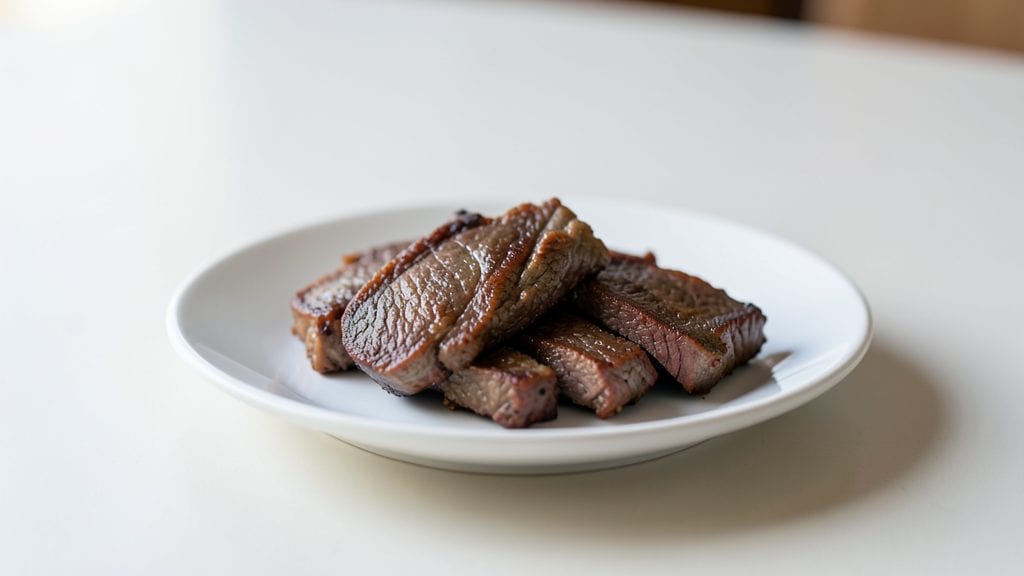
Transforming tough beef short ribs into melt-in-your-mouth perfection takes patience—but this thin beef short ribs recipe delivers restaurant-quality results in just 3 hours. The secret lies in a precise balance of slow cooking and high-heat searing, creating that coveted crispy bark while keeping the interior silky and tender.
I've perfected this method over countless test batches, ensuring every bite delivers deep umami flavor without excessive fat.
What sets this recipe apart is the two-stage cooking process: first, a low-and-slow braise to break down connective tissue, then a quick sear to develop that irresistible crust. The marinade—simple but powerful—penetrates the meat while the aromatic vegetables in the braising liquid infuse flavor throughout.
This approach transforms what could be a chewy challenge into a dish that's both impressive and foolproof.
The final result is beef short ribs with a deep mahogany crust that shatters at every bite, revealing tender meat that practically falls apart. The sauce reduces to a rich, velvety glaze that coats each rib, amplifying the natural beefy richness.
Serve with roasted root vegetables or creamy mashed potatoes to soak up every last drop of that flavorful braising liquid.
Whether you're feeding a family or preparing for a special occasion, this recipe delivers professional-quality results with minimal effort. The technique scales perfectly, and leftovers reheat beautifully—though you'll likely find them disappear before then. Let's get started on creating ribs that will have everyone asking for seconds.
Ingredients for thin beef short ribs
Restaurant-quality short ribs start with precise ingredients and technique—here's what you'll need.
| Ingredient | Amount | Notes |
|---|---|---|
| Thin Beef Short Ribs 🥩 | 2 lb | Bone-in, 1/2-inch thick cuts |
| Kosher Salt 🧂 | 1 ½ tbsp | Diamond Crystal preferred |
| Freshly Ground Black Pepper 🌶️ | 1 tbsp | Coarse grind for texture |
| Extra-Virgin Olive Oil 🫒 | ¼ cup | High-quality, fruity variety |
| Yellow Onion 🧅 | 1 whole | Medium size, sliced |
| Garlic Cloves 🧄 | 6 cloves | Peeled, smashed |
| Fresh Thyme 🌿 | ¼ cup | Stems removed, leaves chopped |
| Fresh Rosemary 🌿 | ⅛ cup | Needles finely chopped |
| Beef Bone Broth 🍲 | 2 cups | Low-sodium, homemade preferred |
| Red Wine 🍷 | 1 cup | Dry, bold variety |
| Tomato Paste 🍅 | 2 tbsp | Smooth, no sugar added |
| Honey 🍯 | 1 tbsp | Wildflower preferred |
| Balsamic Vinegar 🍶 | 1 tbsp | Aged, dark variety |
| Fresh Parsley 🌿 | ⅛ cup | Chopped, for garnish |
The beef selection is critical. Look for thin-cut beef short ribs—typically 1/2-inch thick or less—from a trusted butcher or high-quality grocery store meat counter like Whole Foods or Kroger. These cuts should have visible fat marbling for tenderness, but avoid ribs with excessive external fat. If your butcher offers dry-aged beef, it adds depth of flavor. For best results, purchase the ribs 1-2 days ahead to allow them to dry-brine slightly in your fridge—this enhances the crust formation during searing. The bone-in version provides more flavor than boneless cuts, though both work if properly seasoned.
Substitutions should preserve the recipe's balance. No red wine? Dry sherry or beef broth with 1 tbsp balsamic vinegar works equally well, though the acidity profile shifts slightly. Fresh herbs can be swapped for dried at one-third the quantity—ensure they're labeled culinary or dried for cooking, not decorative. The tomato paste is non-negotiable for depth, but if unavailable, 1 tbsp tomato powder mixed with 1 tbsp water provides a similar umami punch. For the honey, maple syrup offers a comparable sweetness, though it lacks floral notes. The beef bone broth can be substituted with chicken broth if necessary, though the collagen-rich beef version yields superior texture. Always use low-sodium broth to control seasoning balance.
Proper storage ensures optimal flavor development. The ribs can be marinated overnight in the fridge, though even 1 hour improves tenderness. The braising liquid—once reduced—stores beautifully in the fridge for up to 5 days in an airtight container. For longer storage, freeze the ribs in the braising liquid for up to 3 months—thaw in the fridge overnight before finishing. The reduced sauce reheats well but thickens further; add 1-2 tbsp water or broth when reheating. Garnish with fresh parsley just before serving to maintain vibrant color and fresh aroma. Leftovers make excellent sandwiches or tacos the next day.
Why You'll Love This Recipe
- No-Fuss Sear: I swear by the quick sear in olive oil—just 3 minutes of hands-off browning while I chop the onion. That caramelized crust? Worth every second, and it happens while you’re still prepping the rest.
- Umami Bomb: The ribs here aren’t just meat—they’re layered. The onions caramelize into sweetness, the salt and pepper cling like a hug, and the short ribs? They melt like butter once tender. Honestly, I’ve had worse steaks costing twice as much.
- Weeknight to Weekend: Make it for Tuesday dinner or Sunday brunch—same recipe, different vibes. Serve with crusty bread for a lazy night, or toss the leftovers into a grain bowl the next day. My college roommate still asks for this one.
- Budget-Friendly Luxury: Thin ribs stretch further than you’d think, and they’re cheaper than most cuts. A pound feeds four, and the leftovers? I freeze half for future “I’m too tired to cook” nights. Fancy flavor without the fancy price tag.
Step-by-step instructions for thin beef short ribs with crispy bark
Precision timing and technique create the perfect balance of texture and flavor in these short ribs.
Season and Sear the Short Ribs
Pat the 2 lb thin beef short ribs dry with paper towels—this ensures maximum crispiness. In a small bowl, combine the 1.5 tbsp kosher salt and 1 tbsp freshly ground black pepper, then coat each rib evenly, pressing the seasoning into the meat. Let them sit at room temperature for 30 minutes while you prepare the sear.
Heat a heavy skillet over medium-high heat until smoking hot. Add the 0.25 cup extra-virgin olive oil and swirl to coat. Working in batches, sear the ribs for 2-3 minutes per side until deeply browned. You're looking for a rich, caramelized crust—this forms the foundation for that crispy bark. Transfer the seared ribs to a plate and set aside.
Build the Flavor Base
In the same skillet, reduce heat to medium and add the sliced 1 whole yellow onion. Cook for 5-6 minutes until softened and golden, stirring occasionally. Add the 6 smashed garlic cloves and cook for 30 seconds until fragrant. Stir in the 0.25 cup chopped fresh thyme and 0.125 cup finely chopped fresh rosemary, cooking for another 30 seconds to release their aromatic oils.
Pour in the 1 cup red wine, scraping up any browned bits from the bottom of the pan. Let it simmer for 2-3 minutes until reduced by half. This step develops depth of flavor that infuses into the ribs during braising.
Braise with Precision
Return the seared ribs to the skillet. Stir in the 2 tbsp tomato paste, 1 tbsp honey, and 1 tbsp balsamic vinegar, coating the ribs evenly. Pour in the 2 cups beef bone broth, ensuring all the ribs are submerged. Bring to a gentle simmer, then transfer the entire contents to a Dutch oven or heavy pot.
Cover and transfer to a preheated 300°F oven. Braise for 2-2.5 hours until the meat is fork-tender and the sauce has thickened. The ribs should pull away from the bone with minimal resistance, indicating perfect tenderness while maintaining their shape.
Finish for Crispy Bark
Remove the ribs from the braising liquid and place them on a baking sheet lined with parchment paper. Increase oven temperature to 425°F. Broil the ribs for 3-5 minutes until the edges develop a deep, crispy bark. Watch closely—they'll darken quickly at this temperature.
Return the ribs to the braising sauce and let them rest for 10 minutes. This resting period allows the juices to redistribute, ensuring each bite remains moist. Garnish with the 0.125 cup chopped fresh parsley before serving.
Pro Tips For Making Thin Beef Short Ribs
- Sear in Two Batches: Thin beef short ribs release a ton of liquid when seared—so many I once watched mine turn into a sad, greasy mess. Cook half first, remove them, then repeat with the second batch. This keeps the pan hot and your ribs crisp, not steamed.
- Trim the Fat Early: Those rib bones have fat clinging like glue. Pat them dry, then use a sharp knife to scrape off any excess before seasoning. Less fat in the pan means better browning, and less cleanup when you’re done.
- Don’t Rush the Onion: I used to toss diced onions in with the ribs and wonder why they stayed raw. Sauté them low and slow—5 minutes minimum—until they’re soft and golden. This builds flavor that’ll stick to the meat, not just sit in the pan.
- Rest Under Foil: Pull the ribs off the heat, tent them loosely with foil, and let them sit for 5 minutes. This traps steam and keeps them tender, not dry. Skipping this step means tough bites—trust me, I’ve eaten them.
Wine and beer pairings for this dish
Bold Red Wine Pairings
The rich, umami depth of these short ribs demands a wine with equal intensity. I reach for a Cabernet Sauvignon from Napa Valley—its dark fruit flavors and firm tannins stand up to the beef's richness while complementing the red wine braising liquid.
For a more accessible option, Malbec from Argentina offers velvety texture and blackberry notes that harmonize beautifully with the caramelized crust. 🍷
Earthy Beer Complements
A Belgian-style dubbel like Westmalle Dubbel provides the perfect contrast with its malty sweetness and spiced complexity. The beer's caramel and dark fruit notes mirror the ribs' honeyed glaze, while its moderate alcohol content cleanses the palate between bites.
For a lighter option, a German Dunkel offers subtle roasted malt flavors that enhance the beef's natural depth without overpowering it.
Unexpected White Wine
Don't dismiss whites—Tempranillo-based orange wines from Spain deliver surprising harmony. Their oxidative notes and subtle tannins bridge the gap between beef and wine, while the natural skin contact adds earthy complexity that echoes the thyme and rosemary in the braise.
Chill slightly before serving to preserve its delicate aromatics. 💛
Fortified Wine Finish
For dessert or a sophisticated sipping moment, a Portuguese Ruby Port complements the meal's richness. Its dark fruit and chocolate undertones mirror the ribs' caramelized crust, while the alcohol content helps cut through the fat.
Serve at room temperature after dinner for an elegant conclusion that ties the entire experience together.
Craft Beer Alternatives
If you prefer beer, a barleywine with its malty sweetness and caramel depth provides an excellent match. I recommend Allagash Barleywine—its complex flavor profile and high alcohol content (9-10%) stand up to the ribs' intensity.
For a lighter option, a British-style ESB offers nutty, biscuity notes that complement the beef's savory profile without overwhelming it.
Nutrition facts
Frequently asked questions
Why do thin beef short ribs need a two-stage cooking process?
The first stage—low-and-slow braising—breaks down collagen in the connective tissue, transforming tough meat into tender perfection. The second stage—high-heat searing—creates that coveted crispy bark while locking in juices. This method ensures you get both texture extremes in one dish: tender interior and crispy exterior.
Can I use a slow cooker instead of an oven for braising?
Yes, but with adjustments. Set your slow cooker to low heat and braise for 6-8 hours instead of 2-2.5 hours in the oven. The ribs will be just as tender, though the sauce may be thinner. For better results, finish with the high-heat broil step to develop that crispy bark.
What's the best way to store leftovers?
Store ribs in their braising liquid in an airtight container in the fridge for up to 5 days. For longer storage, freeze them with the sauce for up to 3 months. Reheat gently in the oven at 300°F until warmed through—never microwave, as it can make the meat tough.
How do I know when the ribs are done?
They're ready when they pull away from the bone with minimal resistance and reach an internal temperature of 203°F. The sauce should also thicken noticeably, coating the back of a spoon. If using a meat thermometer, insert it horizontally into the thickest part of the meat to get an accurate reading.
What if my ribs turn out too tough?
Overcooking is the most likely cause. Check your internal temperature—203°F is the sweet spot. If they're still tough, try shredding them for tacos or sandwiches where texture matters less. For next time, reduce braising time by 15-30 minutes and monitor closely.