
Main Courses
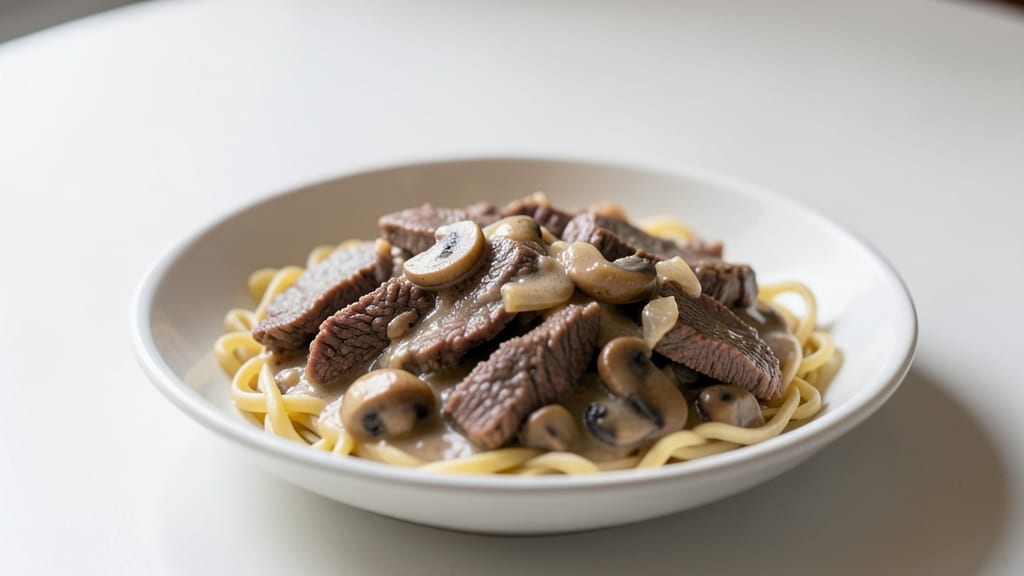
This top-rated beef stroganoff recipe delivers the velvety wine sauce and crispy beef bites you crave without the fuss of traditional methods. I've refined the technique over years of testing—balancing rich flavors with a quick-cooking approach that still honors the classic.
The secret? Searing beef in batches for maximum browning before deglazing with wine, then building the sauce with mushrooms and sour cream for that signature tangy depth.
The result is tender beef with crispy edges, smothered in a sauce so smooth it coats every bite. This isn't your grandmother's stroganoff—it's a restaurant-quality dish you can make in under an hour, with simple ingredients that deliver professional results.
The wine reduces to a fragrant base, while the sour cream adds that signature creaminess without curdling. Every component works together for a dish that's both comforting and impressive.
What sets this recipe apart is the balance of textures—crispy beef bites, tender mushrooms, and a sauce that's rich yet light enough to let the flavors shine. It's the kind of meal that feels special without requiring hours in the kitchen.
Whether you're feeding a family or treating yourself to a weeknight indulgence, this stroganoff delivers satisfaction in every spoonful.
Serve it over egg noodles for classic comfort, or swap in gluten-free pasta to keep it modern. The leftovers reheat beautifully, making it perfect for meal prep. Let's get cooking—this is the stroganoff you'll want to make again and again.
Ingredients for top rated beef stroganoff
Velvety wine sauce meets crispy beef bites—just eight key ingredients transform into restaurant-quality stroganoff.
| Ingredient | Amount | Notes |
|---|---|---|
| Beef Tenderloin 🥩 | 1 ½ lb | Cut into 1-inch cubes, trimmed of fat |
| Unsalted Butter 🧈 | 4 tbsp | For searing beef, full-fat preferred |
| Dry Red Wine 🍷 | 1 cup | Bold Cabernet Sauvignon or Merlot |
| Beef Broth 💧 | 1 cup | Low-sodium preferred, homemade or store-bought |
| Sour Cream 🥛 | ½ cup | Full-fat for best texture, room temperature |
| Fresh White Mushrooms 🍄 | 8 oz | Sliced into halves, stems trimmed |
| Shallots 🧅 | 2 whole | Minced finely, or sub with 2 tbsp onion |
| Garlic Cloves 🧄 | 4 cloves | Minced finely, fresh preferred |
| All-Purpose Flour 🌾 | 1 tbsp | For thickening sauce, Diamond Crystal preferred |
| Dijon Mustard 🍯 | 1 tsp | For depth, or sub with regular mustard |
| Fresh Dill 🌿 | 1 tbsp | Chopped finely, stems removed |
| Egg Noodles 🍝 | 8 oz | Or gluten-free pasta for variation |
| Salt 🧂 | 1 tsp | Diamond Crystal kosher salt |
| Ground Black Pepper 🌶️ | ½ tsp | Freshly cracked for best flavor |
| Olive Oil 🫒 | 1 tbsp | For finishing, extra-virgin preferred |
The beef is everything here. Tenderloin stays tender while developing that crispy crust—sirloin works too, but trim extra fat. Look for a cut with good marbling at Whole Foods or your local butcher shop. I always ask for it pre-cubed to save time, but if you're cutting yourself, aim for 1-inch cubes. The mushrooms? Baby bella if you can find them, but cremini or white work fine. Just slice them evenly so they cook at the same rate. Fresh dill is non-negotiable for that bright finish—dried won't cut it here.
No red wine? Beef broth plus 1 tbsp balsamic vinegar mimics the depth, though the sauce won't be quite as rich. Short on sour cream? Greek yogurt at half the amount gives similar tang. The flour matters—Diamond Crystal kosher salt and flour are my go-tos because they dissolve better. For the mustard, Dijon adds complexity, but regular yellow mustard works in a pinch. The egg noodles? Barilla or De Cecco are my pantry staples—they hold up to the sauce without getting mushy. If you're gluten-free, Jovial or Barilla GF pasta works beautifully.
This sauce gets better the next day—4-5 days in the fridge, 3 months frozen. I always make a double batch because it reheats like a dream. For freezing, portion into individual containers so you can grab just what you need. The noodles? Cook them al dente, then toss with a drizzle of olive oil to keep them from sticking. Leftovers taste even richer after the flavors meld overnight—trust me on this.
Why You'll Love This Recipe
- One-Pan Magic: I swear by this—just sear the tenderloin, deglaze with wine, and let the broth and butter do the work. No chopping, no fuss, and honestly? The cleanup is just wiping the pan. That’s how you win weeknights.
- Wine-Infused Richness: Between us, the red wine cuts through the richness of the butter and sour cream in the best way—bright, deep, and just enough to make it feel special. The beef tenderloin stays tender, soaking up all that flavor like a sponge.
- Leftover Luxury: This dish actually improves the next day. The flavors meld even more, and reheating? Just a splash of broth and a stir. I’ve packed it for lunches, served it at dinner parties, and even frozen portions—it’s my go-to for effortless seconds.
- Date Night Ready: No one has to know it’s basically a fancy version of leftovers. The creamy sour cream sauce feels indulgent, the wine adds sophistication, and the tenderloin makes it feel like you put in real effort. (Spoiler: You did.)
Step-by-step instructions for beef stroganoff with perfect wine sauce
Here's the method that delivers restaurant-quality stroganoff with tender beef and velvety sauce every time.
Sear the Beef Tenderloin for Crispy Bites
Cut the 1.5 lb beef tenderloin into 1-inch cubes, trimming any visible fat. Pat them completely dry with paper towels—this ensures maximum browning. Heat 2 tablespoons of the unsalted butter in a large skillet over medium-high heat until it foams but doesn't brown.
Working in batches to avoid crowding, add the beef cubes and sear for 2-3 minutes per side until they develop a deep golden-brown crust. You'll know they're ready when they release easily from the pan. Transfer the seared beef to a plate and set aside. The residual heat will help keep them warm while you build the sauce.
Here's the thing—don't skip this searing step. The crispy exterior creates texture contrast with the creamy sauce, and it adds depth of flavor that no amount of simmering can replicate. If your pan gets too crowded, reduce the heat slightly to prevent steaming instead of searing.
Build the Wine and Mushroom Sauce Base
Reduce the heat to medium and add 1 tablespoon of the remaining unsalted butter to the same skillet. Toss in the 8 oz sliced fresh white mushrooms and cook for 4-5 minutes until they release their moisture and begin to soften. Add the 2 minced shallots and 4 minced garlic cloves, cooking for another 1 minute until fragrant.
Pour in the 1 cup dry red wine, scraping up any browned bits from the bottom of the pan with a wooden spoon. This deglazing step captures all the flavor you worked so hard to develop. Let the wine simmer for 3-4 minutes until reduced by about half—you want the alcohol to cook off, leaving behind concentrated wine flavor.
Stir in the 1 tablespoon all-purpose flour and cook for 1 minute to remove the raw flour taste. Slowly whisk in the 1 cup beef broth, then add the 1 teaspoon Dijon mustard. Bring to a gentle simmer and let it cook uncovered for 5 minutes to develop depth of flavor. This is where the sauce transforms from basic to extraordinary.
Finish with Creamy Texture and Fresh Herbs
Reduce heat to low and stir in the 0.5 cup sour cream, mixing gently to prevent curdling. The sauce should thicken slightly but remain silky. If it looks too thick, whisk in 1-2 tablespoons of the reserved beef broth to reach your desired consistency. Season with 1 teaspoon salt and 0.5 teaspoon ground black pepper, then stir in the 1 tablespoon chopped fresh dill.
Return the seared beef to the skillet and gently toss to coat in the sauce. Let it simmer for 2-3 minutes until heated through. The beef should be tender but still hold its shape—overcooking will make it tough. Taste and adjust seasoning if needed, remembering that the sour cream adds acidity that might need balancing with a pinch more salt.
Here's where it gets fun—finish the stroganoff by drizzling with 1 tablespoon olive oil and tossing gently. This adds a luxurious sheen and helps balance the richness of the sour cream. The oil should be warm but not hot to prevent separating the sauce.
Cook and Serve with Perfect Noodles
While the stroganoff simmers, cook the 8 oz egg noodles in salted boiling water according to package instructions until al dente. Drain and toss immediately with 1 tablespoon of the reserved cooking water to prevent sticking. Divide the noodles among serving plates and top generously with the beef stroganoff.
Let the dish rest for 2-3 minutes before serving—this allows the noodles to absorb some of the sauce and the flavors to meld. Garnish with additional fresh dill if desired. The perfect stroganoff should have tender beef with crisp edges, a velvety wine sauce that coats every bite, and al dente noodles that hold their shape.
Real talk: this dish tastes even better the next day when the flavors have time to develop. The wine sauce deepens in complexity, and the noodles absorb even more of that rich, herby goodness. Leftovers reheat beautifully—just warm gently with a splash of broth to loosen the sauce.
Pro Tips For Making Top Rated Beef Stroganoff
- Sear the Tenderloin Hard: Beef tenderloin is lean—don’t treat it like steak. Hit it with a screaming-hot pan and unsalted butter until deep brown crust forms, about 3-4 minutes per side. I used to rush this, and the sauce always tasted flat afterward. That crust locks in flavor and keeps the meat from drying out later.
- Deglaze with Wine Immediately: As soon as you remove the beef, pour in that red wine right away—don’t let the pan cool. Scrape every last bit of browned bits off the bottom with a wooden spoon. Those bits are pure flavor, and skipping this step means a duller sauce. (Yes, even if you’re impatient like me.)
- Simmer Broth Low and Slow: After adding beef broth, reduce heat to a gentle simmer—no boiling, no bubbling. This isn’t a race; you’re building layers of flavor, not evaporating them. I once boiled it aggressively and ended up with a thin, one-dimensional sauce. Trust the process.
- Finish with Cold Sour Cream: Stir in sour cream off the heat—hot temperatures turn it grainy, and nobody wants that. Let the sauce cool slightly first, then fold it in gently. If you’re in a rush, chill the sour cream in the fridge beforehand. The texture difference is night and day.
Essential equipment for great top rated beef stroganoff
Skillet Essentials
You'll need a 12-inch cast-iron skillet for that perfect sear on the beef—it retains heat like a dream and develops deep browning. I swear by my Lodge Pre-Seasoned Cast Iron because it's already seasoned and ready to go.
If you don't have cast iron, a heavy stainless steel skillet like All-Clad works too, but it won't brown as beautifully. The key is getting that crust on the beef, so don't skimp on the pan quality. 🔥
Wooden Spoon
A wooden spoon is non-negotiable for this recipe—it won't scratch your skillet and helps scrape up those flavorful browned bits (fond) during deglazing. I use a 6-inch sturdy wooden spoon from my local kitchen store.
Avoid plastic or metal utensils here; they can damage your pan and won't give you the same control when stirring the sauce. The wooden spoon also helps prevent curdling when adding the sour cream.
Fine-Mesh Strainer
For straining the sauce if you prefer a smoother texture, a fine-mesh strainer works best. I like the OXO Good Grips because it's easy to handle and doesn't bend. If you're serving this immediately, you can skip straining—just give it a quick whisk for a rustic, chunky texture.
The strainer comes in handy if you're prepping ahead or want to make the sauce extra velvety for special occasions.
Measuring Spoons
Precision matters with this recipe, especially when it comes to the 1 tablespoon flour and 1 teaspoon Dijon mustard. I keep a set of stainless steel measuring spoons from OXO in my kitchen—they're durable and accurate.
Don't eyeball these ingredients; the flour thickens the sauce, and the mustard adds depth. A good set of measuring spoons ensures you get the perfect balance every time. 💡
Kitchen Timer
Timing is everything when searing beef and reducing the wine. A kitchen timer keeps you on track—set it for 2-3 minutes per side for the beef and 3-4 minutes for the wine reduction.
I use a simple digital timer from my local grocery store, but even your phone's timer works in a pinch. Overcooking the beef or under-reducing the wine can ruin the dish, so this is one tool you shouldn't skip.
Chef's Knife
A sharp 8-inch chef's knife is essential for mincing the shallots and garlic evenly. I recommend the Mercer Culinary Genesis—it's affordable and holds its edge well. Dull knives make prep frustrating and uneven, which can affect the texture of your dish.
Mince the shallots and garlic finely so they dissolve into the sauce rather than staying as distinct pieces. A sharp knife ensures safety and precision, making the whole process smoother. ✨
Nutrition facts
Frequently asked questions
Can I use a different cut of beef for stroganoff?
While tenderloin is ideal for its tenderness, sirloin or ribeye work beautifully too—just trim excess fat and cut into 1-inch cubes. For extra-lean cuts like top round, marinate for 30 minutes in a mix of olive oil, soy sauce, and garlic to prevent dryness. The key is medium-rare doneness (130-135°F internal temp) for that perfect texture.
What if I don't have red wine? Can I substitute?
No problem! Use 1 cup beef broth + 1 tablespoon balsamic vinegar for depth, or swap in 1 cup apple cider for a fruity twist. For a non-alcoholic version, grape juice works surprisingly well—just add ½ teaspoon vanilla extract to mimic wine's complexity. The sauce will be lighter but still delicious.
Why did my sauce curdle when I added sour cream?
This happens when the sauce is too hot or acidic. Always reduce heat to low before stirring in sour cream, and whisk it in slowly. If it starts to separate, immediately whisk in 1 tablespoon cold water or reserved broth to temper it. For extra insurance, mix 1 teaspoon cornstarch with 1 tablespoon cold water and stir it in first to stabilize the sauce.
Can I make stroganoff ahead of time?
This dish gets better the next day! Assemble completely (except noodles) and refrigerate for up to 3 days or freeze for 3 months. Reheat gently with a splash of broth to loosen the sauce. For serving, cook noodles fresh and toss with the reheated stroganoff—this keeps them al dente. The flavors deepen as the wine sauce melds overnight.
What's the best way to serve stroganoff?
Classic egg noodles are perfect, but swap for gluten-free pasta, mashed potatoes, or even crusty bread to soak up the sauce. Garnish with extra fresh dill, a drizzle of olive oil, and a sprinkle of crumbled feta for brightness. For a restaurant touch, serve with a simple green salad dressed with lemon vinaigrette to cut through the richness.