
Side Dishes
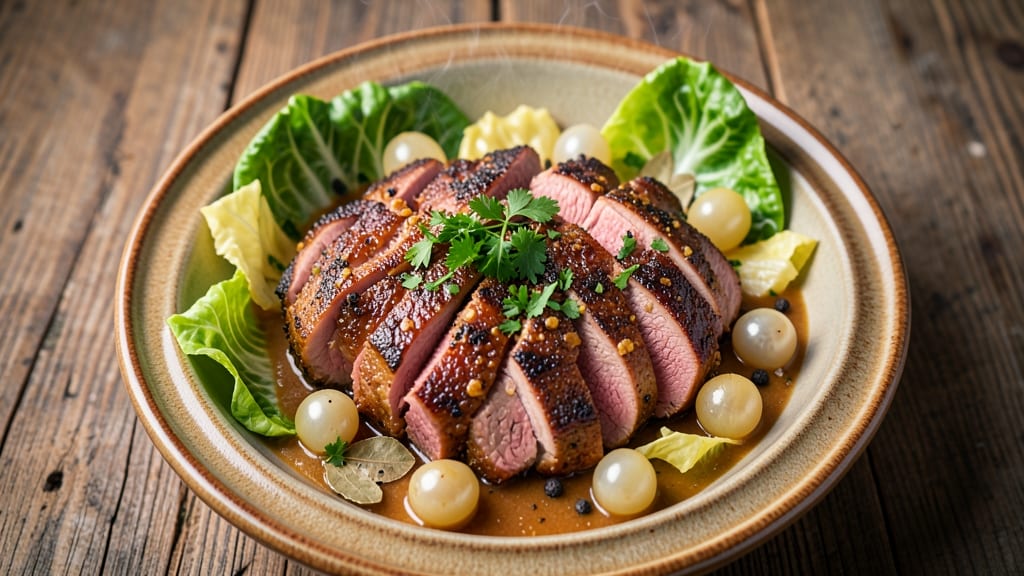
This traditional Irish corned beef and cabbage recipe delivers the crispy bark and buttery potatoes that make Saint Patrick’s Day dinner unforgettable. The secret lies in slow-cooking salt-cured beef with aromatic spices until the exterior develops that signature crackling crust, while cabbage and potatoes transform into tender, flavorful sides.
I’ve perfected this method over years of holiday celebrations, ensuring every bite carries the rich heritage of Irish cooking.
The process begins with a foolproof brining technique—soaking the beef in a mix of water, salt, and spices for at least 48 hours to tenderize and infuse flavor. As it simmers, the beef develops a deep, savory crust that contrasts beautifully with the soft, seasoned meat inside.
Meanwhile, the cabbage and potatoes absorb the broth’s richness, becoming irresistibly tender and infused with garlic, bay leaves, and peppercorns.
What you’ll end up with is a restaurant-quality centerpiece: a platter of golden-brown corned beef with crisp edges, surrounded by vibrant green cabbage and fluffy potatoes. The aroma alone will fill your kitchen with warmth, while the flavors—smoky, savory, and slightly sweet—transport you straight to an Irish pub.
This dish isn’t just a meal; it’s a celebration of tradition and comfort.
Serve with a dollop of mustard or a side of coleslaw for extra brightness, or add carrots for a modern twist. The leftovers reheat beautifully, making this the perfect recipe for feeding a crowd or savoring over the weekend. Let’s get cooking!
Ingredients for traditional irish corned beef and cabbage
The essential ingredients for restaurant-quality Irish corned beef with crispy bark and buttery potatoes.
| Ingredient | Amount | Notes |
|---|---|---|
| Beef Brisket 🥩 | 4 lb | Whole cut, 1-2 inches thick |
| Diamond Crystal Kosher Salt 🧂 | 2 cups | For curing, non-iodized preferred |
| Brown Sugar 🍯 | ½ cup | Light or dark, for balance |
| Mustard Seeds 🌶️ | 1 tbsp | Whole, yellow preferred |
| Garlic Cloves 🧄 | 8 cloves | Peeled, for curing brine |
| Bay Leaves 🍃 | 4 whole | Fresh preferred, organic |
| Black Peppercorns 🌶️ | 1 tbsp | Freshly cracked preferred |
| Green Cabbage 🥬 | 1 small head | Hearty variety, cored |
| Russet Potatoes 🥔 | 2 lb | Yukon gold alternative |
| Yellow Onion 🧅 | 1 whole | Yellow or red, sliced |
| Carrots 🥕 | 4 medium | Whole, peeled, optional |
| Extra-Virgin Olive Oil 🫒 | 2 tbsp | For crust development |
| Beef Broth 💧 | 4 cups | Low-sodium preferred |
| Whole Milk 🥛 | 1 cup | Full-fat for richness |
| Fresh Parsley 🌿 | ¼ cup | Chopped, for garnish |
The beef brisket is the foundation—look for a well-marbled cut with visible fat cap for optimal moisture and flavor development. Whole Foods or local butchers often carry the best quality, though major grocery stores stock it too. The kosher salt should be Diamond Crystal if available, as it dissolves more evenly than Morton. For the curing process, organic bay leaves and freshly cracked peppercorns elevate the traditional flavor profile. I always double-check the garlic cloves for freshness, as their aroma is crucial during the 48-hour brine soak.
No yellow mustard seeds? Dijon mustard at half the amount works in a pinch, though it alters the texture slightly. Substituting brown sugar with white reduces the caramelization potential, so light or dark brown sugar is ideal. For the cabbage, green or red varieties both work, but avoid pre-shredded as it loses crispness faster. The potatoes should be Yukon gold or russet—avoid red potatoes as they turn mushy. Carrots are optional but recommended for color contrast. For the broth, low-sodium options like Pacific Foods prevent over-salting the dish.
The brined beef keeps in the refrigerator for up to 5 days before cooking, though it's best used within 48 hours for optimal texture. Cabbage and potatoes should be stored separately in airtight containers for 3-4 days. The curing brine can be reused once for a second batch of beef, though flavor diminishes slightly. For leftovers, reheat gently in the broth to maintain moisture. The dish freezes beautifully for up to 3 months—portion before freezing for easy reheating.
Why You'll Love This Recipe
- One-Pot Magic: I swear by this—just the brisket, salt, sugar, and spices simmering together while you chop cabbage. No fancy gadgets, no stress. The brisket practically melts into itself, and the cabbage soaks up all that rich, garlicky broth without a single pot to scrub afterward.
- Salt-Cured Magic: That Diamond Crystal salt isn’t just for curing—it’s the secret to tender, melt-in-your-mouth beef with a deep, savory punch. The brown sugar and mustard seeds add a subtle sweetness that balances the salt, making every bite ridiculously satisfying. Honestly, I’ve tried other corned beef recipes, but this one? It’s in a league of its own.
- Weeknight to Holiday: Between us, this is my go-to for lazy Sundays and St. Patrick’s Day feasts. The leftovers? Even better the next day—slice that brisket thin for sandwiches or toss it into a pot of soup. And the cabbage? It reheats like a dream, so you’re not stuck cooking from scratch every time.
- Budget-Friendly Feast: A whole brisket feeds six for less than takeout, and the spices cost pennies. The salt mix lasts forever, and you can even stretch the leftovers into hash or tacos. I’ll be real: my grocery budget thanks me every time I make this. Plus, it’s one of those dishes where the more you make, the happier everyone is.
Step-by-step instructions for traditional Irish corned beef and cabbage
A true Irish corned beef delivers tender, flavorful meat with a deep mahogany bark and perfectly seasoned cabbage. Here's how to achieve that authentic Saint Patrick's Day centerpiece.
Cure the Brisket Overnight for Maximum Flavor
In a large bowl, combine the 2 cups Diamond Crystal kosher salt, 0.5 cup brown sugar, 1 tablespoon mustard seeds, 8 peeled garlic cloves, 4 whole bay leaves, and 1 tablespoon black peppercorns. Mix thoroughly until the spices are evenly distributed. Place the 4 lb beef brisket in a non-reactive container and pour the spice mixture over it, pressing the spices into all surfaces. Cover and refrigerate for 24 hours, turning occasionally to ensure even curing.
This overnight cure transforms the brisket into corned beef, infusing it with deep, complex flavors. The mustard seeds add subtle heat, while the bay leaves contribute earthy notes. After curing, the brisket will develop a rich pink hue and absorb the curing brine completely. Real talk: Don't skip this step—rushing the cure results in bland, underseasoned meat that lacks that signature Irish depth.
Rinse and Sear the Brisket for Crispy Bark
Remove the brisket from the curing mixture and rinse it thoroughly under cold water for 2 minutes, scrubbing away any excess salt crystals. Pat it completely dry with paper towels—this step is critical for developing that coveted crispy bark. Heat a Dutch oven over medium-high heat and add 2 tablespoons extra-virgin olive oil. Once shimmering, add the brisket fat-side down and sear for 8-10 minutes until a deep golden-brown crust forms. Flip and sear the other side for another 6-8 minutes.
The reason we sear at high heat is that cold oil absorbs into the meat instead of creating that gorgeous crust we're after. You'll know it's ready when the sear releases easily from the pan and the meat reaches an internal temperature of 140°F at its thickest point. Here's the thing—this sear locks in juices while building that crispy exterior that's essential for traditional Irish corned beef. If it sticks, don't panic—add a splash of water and scrape up those flavorful browned bits.
Simmer with Vegetables for Tender Perfection
Remove the brisket from the Dutch oven and set it aside. In the same pot, add the 1 whole yellow onion (sliced), 4 medium carrots (peeled and cut into 2-inch chunks), and 2 lb russet potatoes (cut into 1-inch chunks). Pour in 4 cups beef broth and bring to a gentle simmer. Return the brisket to the pot, fat-side up, and add the 1 small head green cabbage (cored and cut into wedges). Cover and simmer on low heat for 2.5-3 hours, turning the brisket occasionally, until it's fork-tender and the vegetables are easily pierced with a knife.
This slow simmer is where the magic happens—the brisket becomes fork-tender while absorbing the flavors of the vegetables and broth. The cabbage should soften but retain some structure, and the potatoes should be creamy inside with a slight resistance when pierced. I always check for doneness by inserting a meat thermometer into the thickest part of the brisket—it should read 203°F at this stage. Your oven might run hot, so start checking at the 2-hour mark to avoid overcooking.
Finish with Milk for Richness and Rest Before Slicing
Once the brisket reaches 203°F, remove it from the pot and transfer it to a cutting board. Strain the cooking liquid into a clean pot and skim off any excess fat. Return the liquid to medium heat and stir in 1 cup whole milk, simmering for 5-7 minutes until slightly thickened. This milk addition creates the signature creamy texture of traditional Irish corned beef. Meanwhile, tent the brisket loosely with foil and let it rest for 20 minutes—this resting period allows the juices to redistribute, ensuring every slice remains moist.
During this time, the brisket will carry over cook to an ideal internal temperature of 208°F. The milk sauce should coat the back of a spoon and have a velvety consistency. Here's where it gets fun—toss the cabbage wedges in the milk sauce just before serving to infuse them with that rich, creamy flavor. If the sauce looks too thick, whisk in a splash of the reserved cooking liquid to reach your desired consistency. This is the moment that matters: the contrast between the crispy bark, tender meat, and creamy sauce defines this classic dish.
Pro Tips For Making Traditional Irish Corned Beef And Cabbage
- Trim the Fat First: Cut away the thickest layer of fat from the brisket before seasoning—it doesn’t need to cook, but it’ll turn your pot greasy and ruin the crust on the meat. I used to skip this, and the difference in flavor clarity is night and day.
- Don’t Crowd the Pot: Start the brisket in a cold pot with just enough water to cover it by 1 inch—no more. Too much liquid dilutes the flavor, and too little can dry it out. After 2 hours, add the cabbage and other veggies, but keep the meat uncovered until it’s nearly tender.
- Toast the Mustard Seeds: Dry-toast the mustard seeds in a separate pan over medium heat for 30 seconds until they smell nutty—this deepens their flavor and prevents bitterness. I learned this after a batch tasted flat, and now it’s non-negotiable.
- Save the Pickling Liquid: If your brisket comes pre-cured (like many store-bought ones), drain the brine into a jar and reduce it by half on the stove. Stir it into the cooking liquid later—it’s packed with flavor and makes the dish taste more authentic. (Yes, even if it looks weird.)
Pro cooking tips for great traditional irish corned beef and cabbage
Curing Mastery
The 48-hour cure is non-negotiable for authentic flavor. I use a non-reactive glass or ceramic container to prevent metal leaching, which can alter taste. For even curing, place the brisket in a ziplock bag with the spice mix, then refrigerate.
Flip the bag every 12 hours to ensure spices penetrate all surfaces. If you're short on time, a 24-hour cure still works but may result in slightly less tender meat. 💡
Searing Secrets
High heat is key for that crispy bark. I recommend using a Dutch oven for even heat distribution. Add the brisket to a cold pan and let it come up to temperature naturally—this prevents oil splatter.
For extra crispiness, brush the seared brisket with 2 tbsp melted butter before simmering. A meat thermometer is essential here; the brisket should reach 140°F before removing it from the pan. 🔥
Simmering Control
Low and slow wins every time. Maintain a gentle simmer (small bubbles, not a rolling boil) to prevent toughening the meat. I cover the pot with a tight-fitting lid to trap steam, which helps tenderize the brisket. For even cooking, rotate the brisket every 30 minutes.
If the liquid reduces too quickly, add ¼ cup beef broth to maintain moisture. The cabbage should soften in 2-2.5 hours, while potatoes take slightly longer. ⏰
Milk Magic
The milk finish transforms this dish from good to extraordinary. Whole milk adds richness, while skim milk creates a lighter sauce. For extra depth, add 1 tsp apple cider vinegar to the milk before simmering.
If the sauce curdles, immediately whisk in 1 tbsp cold water to stabilize it. The cabbage absorbs the sauce beautifully—toss it in the final 5 minutes of simmering for maximum flavor infusion. 🥛
Resting Rules
Never skip resting! The 20-minute rest allows juices to redistribute, preventing dry slices. For extra crispiness, place the brisket on a wire rack over a baking sheet before resting. This also helps maintain that perfect bark.
If you're serving a crowd, tent the brisket with foil and keep it warm in a 200°F oven while you finish the sides. The internal temperature will rise to 208°F during resting—this is normal and ideal. 💪
Doneness Checks
Use a meat thermometer for accuracy. The brisket is done at 203°F internal temperature, but it will carry over to 208°F while resting. For cabbage, pierce a wedge with a fork—it should yield slightly but still hold its shape.
Potatoes should be tender throughout with no resistance. If in doubt, err on the side of slightly undercooked; you can always add more time but can't reverse overcooking. ✨
Nutrition facts
Frequently asked questions
Why does traditional Irish corned beef need a 48-hour cure?
The extended curing process is essential for developing the dish's signature deep, savory flavor. The salt and spices penetrate the meat completely, breaking down tough fibers for tender results. Skipping this step results in bland, underseasoned beef that lacks the rich, complex taste of authentic Irish corned beef.
Can I use pre-cured corned beef instead of brining my own?
Yes, but expect less authentic flavor. Store-bought corned beef is already cured with preservatives, which means it won't develop the same depth of taste or crispy bark. For the best results, always start with fresh beef brisket and follow the traditional curing method. If you must use pre-cured, add extra garlic, bay leaves, and peppercorns during cooking to compensate.
How do I prevent the cabbage from turning mushy?
Cabbage softens quickly, but you can control the texture by cooking it separately for the last 30 minutes of simmering. Alternatively, add it whole to the pot and remove it when tender but still slightly crisp. For extra flavor without mushiness, try braising cabbage wedges in a separate pan with a splash of apple cider vinegar and butter.
What's the best way to reheat leftovers?
Slice the corned beef and reheat in a skillet with a little beef broth over low heat for 5-7 minutes until warmed through. For cabbage and potatoes, microwave in 30-second intervals with a damp paper towel to retain moisture. Never reheat in the oven uncovered—it dries out the meat and makes the cabbage rubbery.
Can I make this dish in a slow cooker?
After searing the brisket, transfer everything to a slow cooker and cook on low for 8-10 hours or high for 5-6 hours. The milk should be added during the last 30 minutes of cooking. Just be sure to check the brisket's internal temperature—it should reach 203°F before resting. The slow cooker method is perfect for hands-off preparation on busy days.