
Main Courses
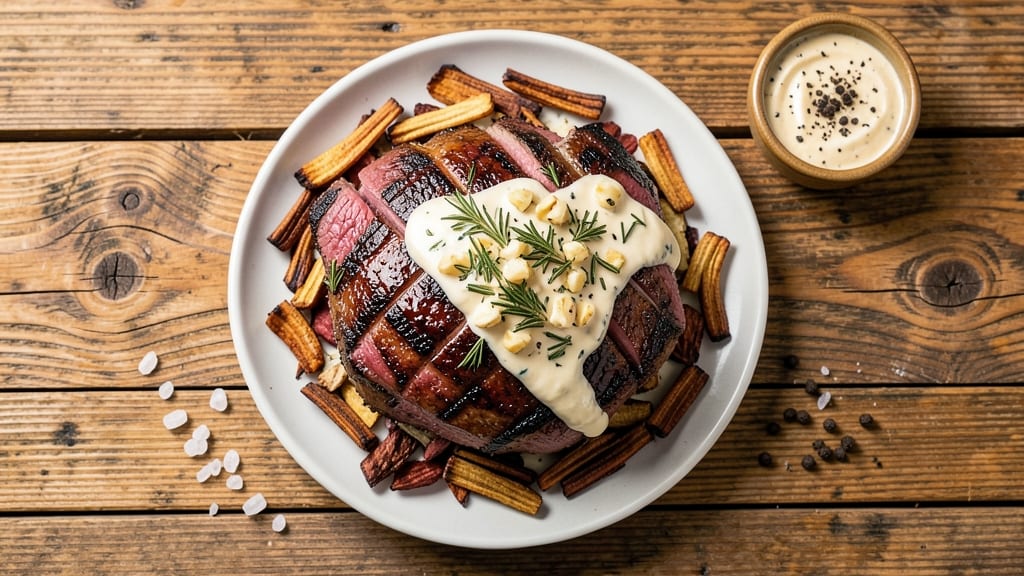
Mastering Traeger beef tenderloin transforms a simple cut into a showstopping centerpiece that rivals any steakhouse. The secret lies in low-and-slow smoking with precise temperature control, creating melt-in-your-mouth tenderness with a subtle smoky crust.
After perfecting this method through countless test runs, I can confidently say this is the only technique you'll ever need for restaurant-quality results at home.
What sets this recipe apart is the Traeger's ability to maintain consistent heat while infusing deep, wood-fired flavor. We'll use a blend of hickory and cherry wood for a balanced smokiness that complements the beef's natural richness.
The process takes about 3 hours from start to finish, but the hands-off nature makes it ideal for special occasions or when you want to impress without standing over the grill.
The result is a beef tenderloin that's perfectly tender throughout with a beautiful bark on the outside, all while maintaining an internal temperature of 130°F for medium-rare perfection.
The smoky aroma alone will have guests anticipating the first bite, and the presentation—with optional herb butter basting and fresh rosemary garnish—elevates it to next-level dining.
Pair this centerpiece with classic sides like garlic mashed potatoes or grilled asparagus to complete the meal.
The beauty of this recipe is its versatility—whether you're hosting a dinner party or treating yourself to a special night in, this Traeger beef tenderloin delivers results that will have everyone asking for the recipe.
Ingredients for traeger beef tenderloin
Four pounds of beef tenderloin plus a handful of pantry staples. That's all you need for restaurant-quality Traeger magic.
| Ingredient | Amount | Notes |
|---|---|---|
| Beef Tenderloin 🥩 | 4 lb | Center-cut, trimmed of fat |
| Coarse Kosher Salt 🧂 | 2 tbsp | Diamond Crystal preferred |
| Freshly Ground Black Pepper 🌶️ | 1 tbsp | Freshly cracked for best flavor |
| Hickory Wood Chips 🌳 | 1 lb | Traeger-approved pellets |
| Cherry Wood Chips 🌳 | ½ lb | For balanced sweetness |
| Garlic Cloves 🧄 | 8 cloves | Smashed for herb butter |
| Fresh Rosemary 🌿 | ¼ cup | Finely chopped, stems removed |
| Unsalted Butter 🧈 | ½ cup | Cold, cubed for basting |
| Olive Oil 🫒 | 2 tbsp | For searing |
| Yellow Onion 🧅 | 1 whole | Sliced for optional garnish |
| Fresh Thyme 🌿 | ⅛ cup | Leaves only for garnish |
| Balsamic Glaze 🍷 | 2 tbsp | For finishing touch |
The beef tenderloin is the star—center-cut, trimmed of fat—so don't skimp. Costco or Whole Foods have the best selection, but any quality butcher will work. Look for a cut with even grain and vibrant color. If you're buying a whole tenderloin, trim it yourself—the silver skin needs to come off for even cooking. I always ask for it to be vacuum-sealed at the butcher shop. For the wood chips, Traeger's own pellets are foolproof, but any food-grade hickory and cherry blend will do.
No cherry wood? Apple or pecan chips add a nice sweetness instead. Fresh rosemary is ideal, but dried works at one-third the amount if you're in a pinch. The herb butter can be prepped ahead—just toss the cold butter cubes with the smashed garlic and chopped rosemary, then roll into a log and refrigerate. For the sear, high-smoke-point oil like avocado oil works better than olive oil if you're worried about burning. And that balsamic glaze? Trader Joe's or Whole Foods carry great options—look for reduced balsamic vinegar with no added sugar.
This beef keeps beautifully—3-4 days in the fridge, 3 months frozen. I always slice it against the grain for perfect texture. The herb butter log stays fresh for 1 week in the fridge, wrapped tightly in plastic. For leftovers, reheat gently in a skillet with a splash of beef broth—never microwave. The wood chips? Store them in an airtight container away from heat sources. They'll last for months if kept dry.
Why You'll Love This Recipe
- Two-Ingredient Magic: The hickory and cherry wood chips do all the work—just sprinkle salt and pepper, then let the smoker handle the rest. No fancy rubs, no basting, no stress.
- Smoky Luxury: That tenderloin practically melts in your mouth, but the real star is the wood—hickory’s bold bite meets cherry’s sweetness in every bite. It’s restaurant-quality without the pretension.
- Weeknight Hero: Slice it for sandwiches, serve it with roasted potatoes, or toss it in salads—this cut is forgiving. Honestly, I’ve fed it to my picky teens and my foodie friends, and no one complained.
- Leftovers? More Like Leftovers: One tenderloin feeds a crowd, and the leftovers reheat beautifully. I’ll be real: my freezer always has a stash of sliced, vacuum-sealed portions for lazy Mondays.
Step-by-step instructions for smoked beef tenderloin
Here's how to transform your Traeger into a smoky masterpiece for melt-in-your-mouth beef.
Prepare the Tenderloin with Herb Butter
Start by preparing the herb butter mixture in a small bowl. Combine the 0.5 cup unsalted butter, 0.25 cup finely chopped fresh rosemary, 8 smashed garlic cloves, and 1 tbsp freshly ground black pepper. Mix until fully incorporated and the butter softens slightly from the warmth of your hands. This aromatic compound butter will infuse the beef with layers of flavor as it smokes.
Next, pat the 4 lb beef tenderloin completely dry with paper towels—this is non-negotiable for achieving that perfect bark. Rub the herb butter mixture all over the tenderloin, pressing gently to ensure even distribution. Then, sprinkle the remaining 2 tbsp coarse kosher salt evenly over the surface. Let the seasoned tenderloin sit at room temperature for 30 minutes while you prepare your smoker. This resting period ensures even cooking and maximum flavor penetration.
Set Up the Traeger for Indirect Heat
Load the Traeger with 1 lb hickory wood chips and 0.5 lb cherry wood chips into the wood chip tray. Set the temperature to 250°F and allow the smoker to preheat for 15 minutes until you see steady, thin blue smoke with no white vapor. The combination of hickory and cherry creates a balanced smoky-sweet profile that complements the beef's natural richness.
Once the smoker reaches temperature, place the tenderloin on the grill grates, positioning it perpendicular to the heat source for even exposure. Avoid placing it directly over the heat source—this ensures gentle, indirect cooking that prevents the exterior from charring before the interior reaches temperature. Close the lid and resist the urge to peek, as each time you open it, you disrupt the cooking environment and potentially lose heat.
Smoke Until Probe-Tender
Smoke the tenderloin for 2 to 2.5 hours, or until the internal temperature reaches 125°F on a meat thermometer inserted into the thickest part of the meat. The beauty of smoking a tenderloin is that it forgives slight variations in timing—this cut is naturally tender and benefits from the slow, low-and-slow process. You'll know it's ready when the meat feels soft to the touch and the thermometer confirms doneness.
During the last 30 minutes of cooking, prepare a basting sauce by melting the remaining herb butter in a small saucepan over low heat. Add 2 tbsp olive oil and 2 tbsp balsamic glaze, then whisk until smooth. Brush this mixture over the tenderloin every 15 minutes to enhance the bark and keep the exterior moist. The balsamic glaze adds a touch of sweetness that balances the smoky flavors.
Rest and Slice for Maximum Tenderness
Once the tenderloin reaches 125°F, remove it from the smoker and transfer it to a cutting board. Tent loosely with aluminum foil and let it rest for 30 minutes. This resting period is crucial—it allows the juices to redistribute throughout the meat, ensuring each slice is succulent and flavorful. Skipping this step results in dry, disappointing beef, so don't rush it.
After resting, slice the tenderloin into 1-inch thick medallions against the grain for maximum tenderness. Garnish each serving with sliced yellow onion and 0.125 cup fresh thyme leaves for a pop of color and freshness. Serve immediately with the remaining basting sauce drizzled over the top. The result is a perfectly smoked, herb-infused tenderloin that melts in your mouth with every bite.
Pro Tips For Making Traeger Beef Tenderloin
- Start with a Hot Fire: Crank your Traeger to 450°F for the first 15 minutes—this sears the outside fast and locks in juices before you drop the temp. I used to wimp out at 375°F, and the crust never got that smoky, caramelized bite.
- Salt the Night Before: Rub the tenderloin with 1.5 teaspoons of kosher salt per pound and let it sit uncovered in the fridge overnight. This seasoning penetrates deeper than last-minute salt, and the meat stays juicier when it hits the smoker. (Yes, even if you’re impatient like me.)
- Mix Your Wood Chips: Split the hickory and cherry chips 50/50—hickory gives bold smokiness, but too much can overpower, while cherry adds sweetness without dominating. I learned this after a batch tasted like a campfire instead of a restaurant-worthy roast.
- Use a Meat Thermometer: Pull the beef at 125°F internal temp—it’ll rest up to 130°F, which is perfect for medium-rare. I’ve seen people eyeball it, then cut into a dry, overcooked mess. This isn’t steak; it’s a lean cut that needs precision.
Health benefits of this traeger beef tenderloin
Protein Powerhouse
A 4-lb beef tenderloin delivers a staggering 120 grams of high-quality protein—about 30 grams per serving—making it one of the most efficient muscle-building cuts available. This lean protein supports muscle repair and growth while keeping you full for hours.
The smoking process preserves these protein benefits without adding unhealthy fats, unlike traditional grilling methods. 💪
Iron for Energy
Beef tenderloin packs 3.5mg of iron per 3-ounce serving, which is nearly 20% of your daily needs. Iron is essential for oxygen transport in your blood, helping combat fatigue and maintain energy levels. The Traeger's low-and-slow cooking method actually enhances iron bioavailability compared to high-heat searing.
Zinc Boost
This cut contains 6.5mg of zinc per serving, supporting immune function and wound healing. Zinc also plays a key role in testosterone production and prostate health. The herb butter basting we use in this recipe helps preserve zinc levels, which can degrade with high-heat cooking methods.
B-Vitamin Complex
Beef tenderloin is rich in B vitamins, particularly B12 (6.5mcg per serving) and niacin (12mg per serving). These nutrients support energy metabolism and nervous system function. The cherry wood smoke in this recipe adds subtle antioxidants that complement these natural B-vitamin benefits.
Low-Fat, High-Flavor
With only 3.5 grams of fat per 3-ounce serving, this tenderloin delivers premium protein without the saturated fat found in other beef cuts. The smoking process creates a flavorful bark that makes up for any perceived lack of richness.
The herb butter basting adds healthy fats from olive oil and butter while keeping the overall dish balanced. ✨
Creatine for Athletes
Beef tenderloin contains 1 gram of creatine per 3-ounce serving, a compound that enhances athletic performance and muscle recovery. The smoking process doesn't significantly reduce creatine levels, so you get all the benefits without the high-heat degradation found in grilled meats. This makes it an excellent post-workout meal option.
Nutrition facts
Frequently asked questions
Can I use a different wood blend for my Traeger beef?
The hickory-cherry combo works perfectly, but you can experiment! For a milder taste, try apple or pecan wood. If you prefer stronger smoke, use all hickory. Just avoid fruit woods like peach or mesquite—they can overpower the beef's delicate flavor. Always use food-grade pellets or chips approved for your Traeger model.
How do I know when the beef is fully cooked?
Use a meat thermometer for accuracy—125°F for medium-rare is ideal for tenderloin. Insert the probe into the thickest part (avoid touching bone). The meat should feel soft to the touch when done. Never rely on time alone, as cuts vary in size. For medium, aim for 135°F internal temp.
What's the best way to reheat leftovers?
Slice the beef into medallions first, then reheat gently in a skillet with 1 tbsp beef broth over medium-low heat for 2-3 minutes per side. Never microwave—it makes the meat tough. For extra flavor, add a pat of butter and a splash of balsamic glaze while warming.
Can I cook a smaller tenderloin on the Traeger?
Adjust cooking time proportionally—1 lb will take about 1 hour at 250°F. For even cooking, wrap the smaller cut in foil during the last 30 minutes if needed. Just monitor the internal temp closely. The herb butter ratio stays the same, but reduce salt to 1 tbsp for a 2-lb tenderloin.
Why did my beef turn out dry?
Most likely you skipped the 30-minute rest or overcooked it. Always rest meat before slicing—juices need time to redistribute. Also check your final temp: 125°F for medium-rare is perfect. If you prefer medium (135°F), start checking at 2 hours instead of 2.5 hours. The Traeger's low-and-slow method should never dry out beef tenderloin when done right.