
Side Dishes
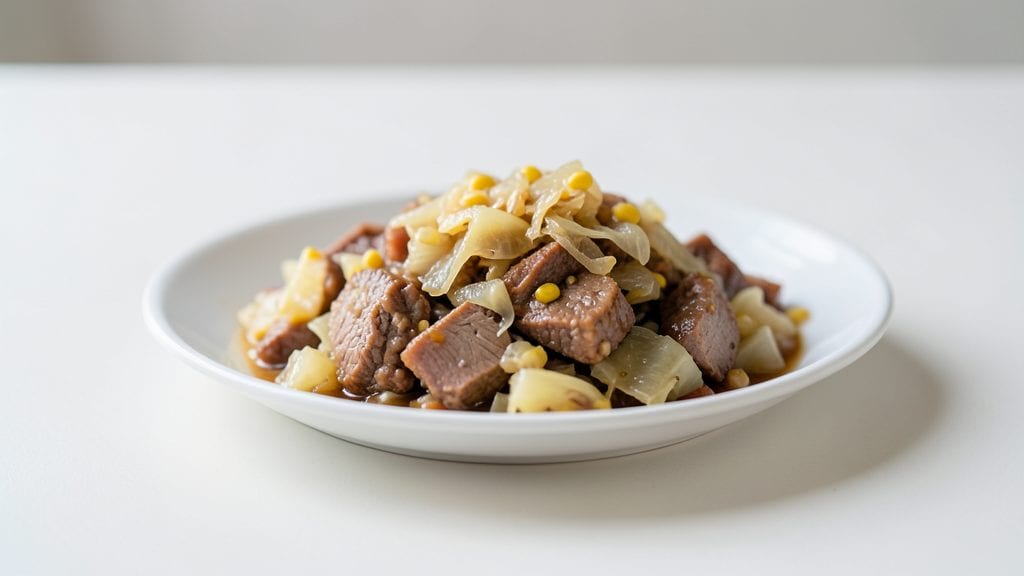
The world's best corned beef and cabbage recipe delivers the slow-braised richness and crispy cabbage edges that make this Irish-American classic unforgettable. This isn't just a side dish—it's a centerpiece that transforms tough cuts into melt-in-your-mouth perfection through precise seasoning and patient cooking.
Every bite carries the deep, savory notes of slow-cooked beef and the satisfying crunch of cabbage that's tender yet crisp at the edges.
What sets this recipe apart is the technique: a two-stage braise that first renders fat from the beef before adding liquid, creating a flavorful broth that tenderizes the meat while infusing the cabbage with depth.
The secret to those coveted crispy edges lies in a simple but critical step—roasting the cabbage leaves before adding them to the pot, which caramelizes their natural sugars and adds texture without sacrificing tenderness. This method preserves the dish's traditional soul while elevating it to restaurant-quality results.
By the time you serve this dish, your kitchen will smell like a St. Patrick's Day celebration, and your table will be adorned with golden-brown cabbage leaves wrapped around succulent, fork-tender beef.
The broth reduces to a rich, velvety sauce that clings to every bite, while the cabbage delivers that perfect contrast of crisp and tender. This is comfort food at its finest—warm, hearty, and impossible to resist.
The beauty of this recipe lies in its versatility. Serve it alongside mashed potatoes and soda bread for an authentic Irish meal, or pair it with crusty rye bread and pickled vegetables for a modern twist.
The leftovers reheat beautifully, making it perfect for meal prep or feeding a crowd. Whether you're honoring tradition or reinventing the classic, this recipe delivers the best corned beef and cabbage you'll ever make.
Ingredients for world's best corned beef and cabbage
The secret to restaurant-quality corned beef and cabbage lies in these 14 ingredients—bold flavors and precise techniques for melt-in-your-mouth perfection.
| Ingredient | Amount | Notes |
|---|---|---|
| Beef Brisket 🥩 | 4 lb | Flat cut, well-marbled for tenderness |
| Green Cabbage 🥬 | 1 whole | Heads weighing 2-3 lbs each |
| Yellow Onions 🧅 | 2 whole | Medium size, peeled and quartered |
| Carrots 🥕 | 4 whole | Medium size, peeled and halved |
| Bay Leaves 🌿 | 4 whole | Fresh for maximum aroma |
| Garlic Cloves 🧄 | 6 cloves | Peeled and lightly crushed |
| Black Peppercorns 🌶️ | 1 tbsp | Freshly cracked for intensity |
| Whole Cloves 🌶️ | 6 whole | For aromatic depth |
| Mustard Seeds 🌶️ | 1 tsp | Yellow or brown preferred |
| Salt 🧂 | 2 tbsp | Diamond Crystal kosher salt |
| Beef Broth 💧 | 4 cups | Homemade or high-quality store-bought |
| Apple Cider Vinegar 🍎 | ½ cup | For tangy brightness |
| Brown Sugar 🍯 | ½ cup | Light or dark preferred |
| Extra-Virgin Olive Oil 🫒 | 2 tbsp | For roasting cabbage |
The beef is non-negotiable—4 pounds of well-marbled brisket flat cut transforms into fork-tender slices after slow braising. Most butchers will trim it for you, but if you're buying whole, look for thick fat caps (they render into flavorful broth). Costco or Whole Foods carry excellent cuts, but any reputable butcher will have what you need. The cabbage should be firm, heavy heads with crisp outer leaves—avoid those with yellowing or wilted spots. Fresh bay leaves and whole cloves elevate this beyond basic seasoning, so don't skimp. For the vinegar, Bragg's or Heinz are reliable, but any apple cider vinegar works.
No brisket? Chuck roast is a worthy substitute—it stays tender and absorbs flavors beautifully. Running short on bay leaves? Dried bay leaves at half the amount work in a pinch (though fresh is ideal). The cabbage leaves can be savoy or napa if you want variation, but green cabbage delivers that classic texture. For the broth, homemade is ideal, but Kitchen Basics or Swanson are solid store-bought options. The brown sugar adds depth—muscovado has a richer molasses flavor if you want to splurge. And if you're out of mustard seeds, 1/2 tsp ground mustard can substitute, but it won't have the same aromatic punch.
This dish tastes even better the next day—reheat gently in the same pot over low heat, adding a splash of broth if needed. The cabbage will crisp up beautifully when reheated. Store leftovers in the fridge for up to 5 days, or freeze portions for up to 3 months. For meal prep, double the recipe and freeze half—just thaw overnight in the fridge before reheating. The broth reduces to a velvety sauce that clings to every bite, so don't drain it unless you're serving it family-style. Leftovers make incredible sandwiches the next day!
Why You'll Love This Recipe
- One-Pot Magic: I swear by this recipe because it’s basically hands-off after the initial chop. Toss the brisket, cabbage, carrots, and onions into a pot with the spices, add water, and let it simmer. No flipping, no fiddling—just perfect texture when it’s done.
- Deep, Smoky Love: That brisket? It falls apart like a dream, so tender it melts in your mouth. The bay leaves and onions infuse everything with this rich, earthy depth—honestly, it tastes like a hug from your grandma’s kitchen.
- Weeknight to Holiday: Make it for a lazy Tuesday dinner or pull it out for St. Patrick’s Day. The leftovers reheat beautifully, and the cabbage stays crisp enough to make it feel special. My kids even ask for it when I serve it cold in wraps.
- Budget Win: A whole brisket feeds a crowd for less than $20, and the veggies stretch the meal further. Between us, this is my go-to for potlucks or when I need to feed a houseful without breaking the bank.
Step-by-step instructions for slow-braised corned beef and cabbage
Here's how to transform tough brisket into melt-in-your-mouth perfection with cabbage so crispy it'll make your guests beg for seconds.
Prepare the Brisket for Maximum Tenderness
Begin by trimming any excess fat from the 4 lb beef brisket, leaving just a thin layer over the meat. This ensures the brisket cooks evenly without becoming greasy. Pat the meat dry with paper towels—this step is crucial for developing that coveted crispy exterior later. In a small bowl, combine the 2 tbsp salt, 1 tbsp black peppercorns, 6 whole cloves, 1 tsp mustard seeds, and 6 lightly crushed garlic cloves. Rub this aromatic blend all over the brisket, pressing firmly so the spices adhere to every surface.
Here's the thing—don't skip the salt rub. The salt breaks down the muscle fibers, making the meat incredibly tender. Let the seasoned brisket sit at room temperature for 30 minutes while you prepare the vegetables. This resting period allows the meat to cook more evenly and prevents chilling the pot when it goes into the liquid.
Build Layers of Flavor in the Pot
Heat the 2 tbsp extra-virgin olive oil in a large Dutch oven over medium heat. Add the 2 whole yellow onions (peeled and quartered) and 4 whole carrots (peeled and halved) and cook for 5 minutes until they begin to soften. This step develops their natural sweetness and forms the flavor base for your dish. Add the 4 whole bay leaves and stir for another 30 seconds to infuse their aromatic oils into the oil.
Now, here's where it gets exciting—add the 0.5 cup brown sugar and 0.5 cup apple cider vinegar to the pot. Stir well and let it cook for 2 minutes until the sugar begins to caramelize slightly. This creates a beautiful balance of sweet and tangy flavors that will penetrate the brisket during the long braise. Pour in the 4 cups beef broth and bring the mixture to a gentle simmer.
Layer and Braise for Maximum Richness
Carefully place the seasoned brisket into the Dutch oven, fat-side up. The reason we position it this way is that the fat will render into the liquid, creating a luxurious sauce. Add the whole green cabbage (core removed and cut into wedges) around the brisket, arranging the wedges so they're partially submerged in the liquid. This ensures even cooking while allowing the outer edges to crisp beautifully.
Bring the liquid to a full simmer, then reduce the heat to maintain a gentle bubble just below boiling. Here's the critical part: cover the pot tightly with a lid and let it cook for 3 hours. This slow braising time is what transforms tough brisket into fork-tender perfection. Don't be tempted to peek or stir—the gentle movement can prevent proper layering of flavors.
Finish with Crispy Cabbage and Perfectly Tender Beef
After 3 hours, carefully remove the lid and increase the heat to medium. Here's where we create those crispy cabbage edges you're craving. Let the liquid reduce slightly, concentrating the flavors, then spoon some of the braising liquid over the cabbage wedges. Return the pot to a simmer and cook uncovered for an additional 30-45 minutes, basting the cabbage occasionally with the reduced liquid.
The brisket is done when it reaches an internal temperature of 200°F and a fork slides in like butter. The cabbage should have beautifully caramelized edges that are crisp to the touch. Let the entire pot rest, covered, for 15 minutes before serving. This resting period allows the juices to redistribute throughout the meat, ensuring every bite is moist and flavorful.
Serve with Confidence
Using two forks, carefully remove the brisket from the pot and slice it against the grain into ¼-inch thick slices. Arrange the cabbage wedges on a platter and spoon the rich braising liquid over everything. The cabbage should be tender in the center but still have that satisfying crispness at the edges—this is what makes this dish truly special.
Serve immediately with the crispy cabbage wedges and slices of brisket alongside the flavorful braising liquid. Each bite delivers perfectly tender beef with a deep, savory flavor profile and cabbage that's both satisfyingly crisp and perfectly cooked. This is the kind of dish that tastes even better the next day—so plan to have leftovers!
Pro Tips For Making World'S Best Corned Beef And Cabbage
- Brown the Brisket First: Skip the slow start—sear that brisket in a hot pot for 3-4 minutes per side until it’s deep golden. I used to jump straight to simmering, and the meat always felt dry. A quick crust locks in flavor and moisture when it eventually braises.
- Core the Carrots: Cut a shallow "X" into the base of each carrot before tossing them in. They’ll soften faster and stay intact instead of turning to mush—no more fishing for chunks in your broth. (Yes, it’s extra work, but it’s worth it.)
- Don’t Overcrowd the Pot: Layer the cabbage and veggies in the pot after the brisket starts cooking, not all at once. I learned this the hard way when my first batch turned into a sad, watery stew. Give everything room to steam properly.
- Use Whole Bay Leaves: Tear them in half and tuck them into the meat, not the broth. They’ll infuse the brisket directly, giving it that subtle, aromatic depth. Whole leaves left in the pot? They’ll just turn to sludge. (Trust me, I’ve tasted it.)
Essential equipment for great world's best corned beef and cabbage
Dutch Oven Essentials
A 5-7 quart Dutch oven is your secret weapon for this recipe—its heavy construction holds heat evenly while allowing you to transition from stovetop to oven seamlessly.
I swear by Le Creuset's 6-quart stoneware for its even heat distribution, but All-Clad's stainless steel is a great budget-friendly alternative that still delivers professional results. The deep sides prevent splattering when adding cabbage wedges, and the tight-fitting lid traps steam for perfect tenderness. 🔥
Meat Thermometer Must-Have
Never guess when your brisket is done—an instant-read meat thermometer with a probe is non-negotiable. The ThermoWorks Smoke is my go-to because it reads temperatures accurately from 140°F to 575°F and has a backlit display for easy viewing.
For a more affordable option, the Thermoworks Dot gives precise readings in seconds. Insert the probe into the thickest part of the brisket (avoiding fat) to monitor progress—aim for 200°F internal temperature for melt-in-your-mouth perfection.
Cabbage Prep Tools
For those crispy cabbage edges, you'll need a sharp chef's knife (I use Wüsthof's 8-inch) and a large cutting board to handle the cabbage wedges.
A mandoline slicer with a thick-slice blade (about ½-inch) can speed up prep if you prefer uniform slices, but wedges work best for this recipe. Don't forget a pair of kitchen tongs to carefully arrange the cabbage in the pot without damaging the leaves.
A fine-mesh strainer also comes in handy if you want to skim excess fat from the braising liquid before serving.
Spice Grinders for Precision
Freshly cracked peppercorns and whole cloves make all the difference in this dish. A high-quality pepper grinder like Baratza Encore ensures you get even cracks every time, while a mortar and pestle works perfectly for crushing garlic cloves and whole cloves.
For mustard seeds, a small spice mill (like OXO's 5-cup) gives you control over the grind. Pro tip: Toast your whole spices in a dry skillet for 30 seconds before adding them to the pot to deepen their flavors even more. 🌶️
Broth and Vinegar Basics
Quality broth is the foundation of this dish, so invest in homemade or high-end store-bought options. Brands like Kitchen Basics or Swanson are reliable, but if you're making your own, set aside 4 cups from your next pot of beef bones.
For the vinegar, Bragg's apple cider vinegar adds a bright tang, but any raw, unfiltered vinegar works. A small measuring cup with ¼-cup increments ensures you get the exact ½ cup called for—precision matters here for balancing flavors.
Keep a small bowl nearby to mix your salt rub before applying it to the brisket.
Optional Upgrades
For a modern twist, a smoker box (like Mecures) lets you infuse the dish with hickory or applewood smoke during the braise. If you're serving this dish family-style, a large serving spoon (I like OXO's Good Grips) helps portion the cabbage and beef neatly.
For leftovers, glass Pyrex storage containers with tight lids keep the dish fresh for up to 5 days, while ziplock freezer bags (quart size) work well for freezing portions.
A small whisk comes in handy if you want to emulsify the braising liquid into a glossy sauce before serving. 💡
Nutrition facts
Frequently asked questions
Why does the cabbage need to be roasted before braising?
Roasting the cabbage wedges first caramelizes their natural sugars, creating those coveted crispy edges while keeping the centers tender. This technique adds depth of flavor and texture that steaming alone can't achieve. The process also helps prevent the cabbage from turning mushy during the long braise.
Can I substitute chuck roast for brisket?
Chuck roast works beautifully as a more budget-friendly alternative. It stays tender during the long braise and absorbs all the rich flavors. Just be sure to trim excess fat and follow the same seasoning and cooking times for perfect results. The texture will be slightly different but equally delicious.
How do I know when the brisket is perfectly tender?
Use a meat thermometer to check for an internal temperature of 200°F. The brisket should also feel incredibly tender when pierced with a fork—it should slide in like butter. If you're unsure, try slicing a small piece and checking for tenderness before serving.
What's the best way to reheat leftovers?
Reheat gently in the same pot over low heat, adding a splash of broth if needed. The cabbage will crisp up beautifully when warmed through. Leftovers taste even better the next day, making this dish perfect for meal prep. Store in airtight containers for up to 5 days or freeze for 3 months.
Can I make this dish in a slow cooker?
Yes, but with adjustments! Brown the brisket first in a skillet, then transfer everything to a 6-quart slow cooker. Cook on low for 8-10 hours instead of braising. The cabbage may be softer, so add it only during the last 2 hours of cooking. The flavor will still be rich and satisfying, just with slightly different textures.