
Soups & Stews
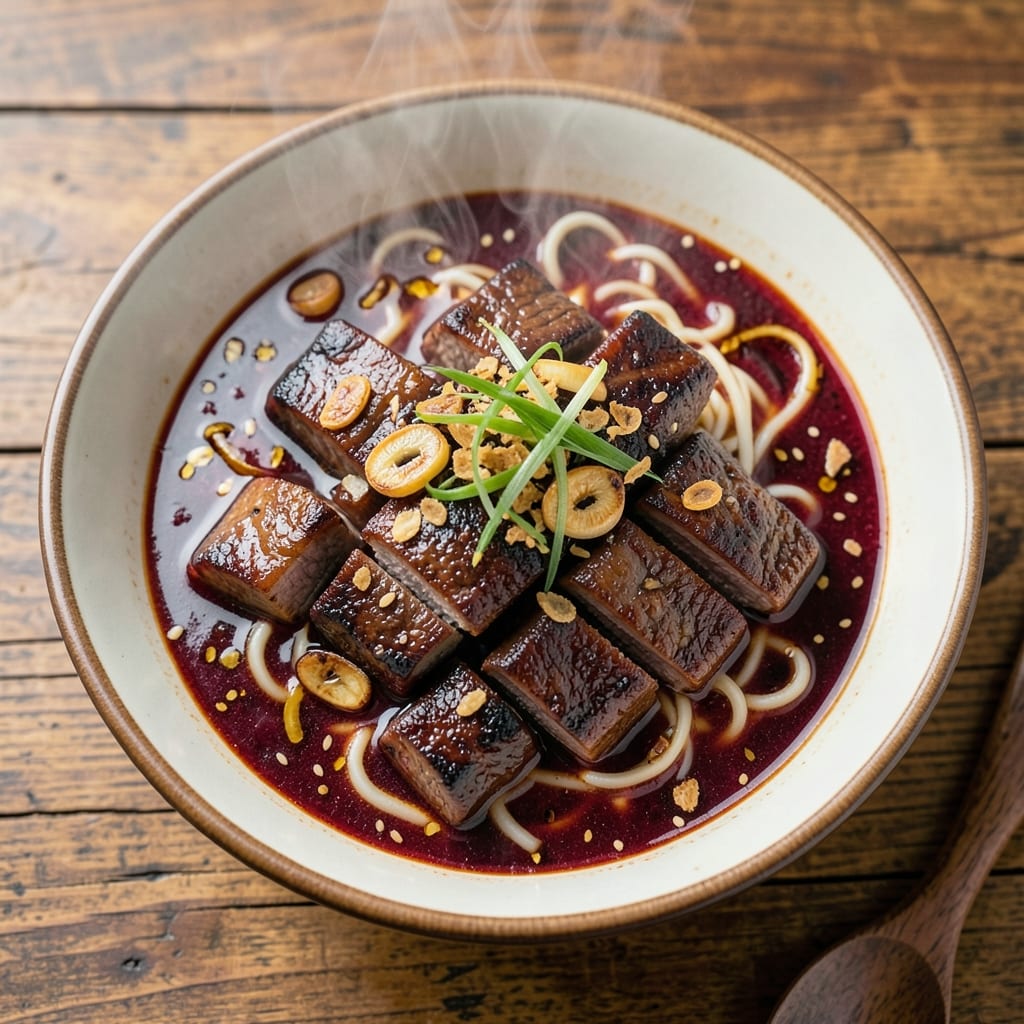
The ajisen spicy beef ramen recipe delivers restaurant-quality depth in a single pot—where rich miso broth meets fiery chili oil and tender beef. This isn’t your average ramen; it’s a bold umami heat experience that balances smoky, spicy, and savory in every slurp. The secret lies in building layers of flavor through slow-simmered broth, properly seared beef, and a perfect chili oil finish that cuts through the richness without overpowering it.
What sets this recipe apart is the one-pot magic: no separate broth pots or messy assembly. You’ll start with a fragrant miso-soy base, then deepen the flavor by searing beef and vegetables directly in the broth. The result? A deeply aromatic, slightly spicy broth that clings to chewy ramen noodles and melts with every bite. The beef, cooked low and slow, becomes fork-tender while retaining just enough bite to contrast the silky noodles.
By the time you add the signature chili oil and classic toppings—soft-boiled egg, nori strips, and scallions—you’ll have a bowl that’s visually stunning and packed with texture. The spicy kick lingers just enough to keep you reaching for another spoonful, while the umami richness satisfies like a hug from your favorite ramen shop. This isn’t just a recipe; it’s a weeknight transformation that turns your kitchen into a ramen parlor.
Whether you’re feeding a crowd or treating yourself to a solo dinner, this foolproof one-pot method ensures you’ll have steaming-hot ramen ready in under an hour. The best part? Every element—from the broth to the final drizzle of chili oil—works together to create a dish that’s as impressive as it is delicious. Let’s get cooking.
Ingredients for ajisen spicy beef ramen
One-pot magic starts with these bold ingredients—where umami meets heat in every bite.
| Ingredient | Amount | Notes |
|---|---|---|
| Ramen Noodles 🍜 | 2 packages | Dried, any brand preferred |
| Chuck Roast 🥩 | 1 ½ lb | Cut into 1-inch cubes |
| White Miso Paste 🍶 | 3 tbsp | High-quality, unsweetened |
| Dark Soy Sauce 🥄 | 2 tbsp | For deep umami flavor |
| Sesame Oil 🫒 | 1 tbsp | Toasted, for aroma |
| Garlic Cloves 🧄 | 6 cloves | Minced, for bold flavor |
| Fresh Ginger 🌿 | 2 tbsp | Finely grated, fresh preferred |
| Green Onions 🧅 | 2 whole | Sliced, for garnish |
| Ajisen Chili Oil 🔥 | ½ cup | Store-bought or homemade |
| Large Eggs 🥚 | 2 whole | Soft-boiled, for topping |
| Dried Nori Sheets 🍣 | 4 sheets | Cut into strips |
| Carrots 🥕 | 2 medium | Julienned, for crunch |
| Green Beans 🌱 | 1 cup | Trimmed, for texture |
| Dried Shiitake Mushrooms 🍄 | 4 whole | Rehydrated, for depth |
| Dried Bonito Flakes 🐟 | 1 tbsp | For aroma, optional |
The chuck roast is your flavor anchor here. Look for well-marbled cuts at the butcher counter or pre-cubed at Costco—it’s worth the extra effort for that melt-in-your-mouth texture. Fresh ginger and garlic? Buy them at an Asian market if you can—they’ve got better quality than most grocery stores. The miso paste is non-negotiable: White miso from Marukome is my go-to, but any high-quality brand works. For the chili oil, Ajisen’s original is the gold standard, but homemade works too if you’ve got the time. The dried shiitake mushrooms? Soak them in hot water for 20 minutes—they’ll triple in size and add earthy depth to the broth.
No chuck roast? Substitute with beef chuck or even pork shoulder—just adjust cooking time. Running low on miso? Soy sauce plus a dash of sugar gets you close, though you’ll lose that funky umami. Skip the bonito flakes? Dried shiitake broth or a splash of fish sauce adds umami without the fishy taste. The green beans and carrots can be swapped for any veggie you’ve got—bell peppers or zucchini work great. For the chili oil, if you can’t find Ajisen, mix 1 tbsp chili crisp with 1 tbsp neutral oil. The eggs? Soft-boiled is key—runny yolk is traditional, but I’ll take mine runny or scrambled if I’m in a rush.
This broth gets better as it sits—3-4 days in the fridge is perfect. Store it in airtight containers, and the noodles? Keep them in a dry, cool place for up to 6 months. The chili oil keeps for 6 months unopened, but once opened, stash it in the fridge. I always make a double batch of broth—freeze half in ice cube trays for quick ramen nights later. The eggs should be used within 2 days of boiling, and the nori strips stay fresh for 1 week in a sealed bag. Prep the veggies ahead—they’ll keep in the fridge for 4 days if stored in a sealed container.
Why You'll Love This Recipe
- One-Pot Magic: I swear by this recipe because it’s actually one-pot—no extra bowls, no messy sauces to juggle. Just brown the chuck roast in the same pot, toss in the miso and soy, simmer, then dump in the noodles. That’s it. (Yes, even on a Tuesday night.)
- Umami Bomb: The white miso and dark soy sauce combo? It’s like a flavor explosion in your mouth—deep, savory, with just enough spicy kick to wake you up. The chuck roast gets so tender it practically melts, and that sesame oil finish ties it all together. Honestly, I’ve never had ramen this rich without a fancy broth.
- Weeknight Workhorse: This feeds four but costs less than takeout—perfect for when you’re broke or lazy (or both). I make a double batch on Sundays, and by Thursday, I’m still pulling it out for lunch. The leftovers actually taste better the next day because the flavors meld even more.
- No Fuss, Big Payoff: Between us, this recipe took me three tries to get right, but now it’s foolproof. You don’t need to slice the beef perfectly or measure the spices to the gram. Just sear, simmer, and serve. Not the prettiest, but the taste makes up for it every time.
Step-by-step instructions for ajisen spicy beef ramen
This one-pot ramen comes together with layers of bold umami and fiery heat—let's build it step by step.
Prepare the Beef and Aromatics for Deep Flavor
Cut the 1.5 lb chuck roast into 1-inch cubes and pat them dry with paper towels—this helps develop that perfect sear. In a large Dutch oven or deep pot, heat the 1 tablespoon sesame oil over medium-high heat until shimmering. Add the beef in a single layer and let it brown undisturbed for 3-4 minutes until deeply golden on one side.
Flip the beef and add the 6 cloves minced garlic and 2 tablespoons finely grated fresh ginger. Stir for 30 seconds until fragrant—this is where the foundation of your broth begins. Remove the beef with a slotted spoon and set aside temporarily. You'll want to keep those beautiful browned bits in the pot for flavor later.
Build the Spicy Umami Broth
Return the pot to medium heat and add the 3 tablespoons white miso paste and 2 tablespoons dark soy sauce. Stir vigorously to dissolve the miso completely—this should take about 1 minute. The mixture will bubble and darken, creating a rich, glossy base for your broth.
Pour in 8 cups water (enough to nearly fill your pot) and bring to a rolling boil. Once boiling, reduce heat to low and return the beef to the pot. Add the 1 tablespoon dried bonito flakes (if using) and let the broth simmer uncovered for 45 minutes. This slow cook time allows the beef to become fork-tender while developing deep umami flavor.
Add Vegetables and Season to Perfection
After 45 minutes, add the 2 medium julienned carrots and 1 cup trimmed green beans to the broth. Simmer for another 10 minutes until the vegetables are tender-crisp. The carrots should still have a slight bite, and the green beans should be bright green with just a hint of softness.
Stir in the 0.5 cup ajisen chili oil and taste the broth. Adjust seasoning if needed—you might want to add a pinch more salt or a splash of water if it's too thick. The broth should be rich, spicy, and deeply savory with a perfect balance of heat.
Cook the Noodles and Prepare Toppings
While the broth simmers, prepare the 2 packages ramen noodles by separating them from their seasoning packets. Bring a separate pot of water to a boil and cook the noodles for 2 minutes less than package instructions suggest—they'll finish cooking in the hot broth. Drain and set aside.
For the toppings, soft-boil the 2 large eggs by placing them in a pot of boiling water for 6 minutes, then transfer to an ice bath to stop cooking. Peel and halve them. Cut the 4 dried nori sheets into ¼-inch strips and slice the 2 whole green onions into ½-inch pieces. Rehydrate the 4 whole dried shiitake mushrooms by soaking them in hot water for 20 minutes, then slice them.
Assemble and Serve the Ramen
Just before serving, return the pot of broth to a gentle simmer. Add the cooked noodles and let them simmer for 1-2 minutes to absorb some of the broth's flavor. Divide the noodles among 4 bowls, then ladle the hot broth over them.
Top each bowl with ½ of the beef, ½ cup of the vegetables, 1 soft-boiled egg half, 1 tablespoon nori strips, 1 tablespoon sliced green onions, and 1 tablespoon sliced shiitake mushrooms. Drizzle with any remaining ajisen chili oil for extra heat. Serve immediately while everything is steaming hot—this ramen is all about that first, bold bite!
Pro Tips For Making Ajisen Spicy Beef Ramen
- SEAR THE BEEF IN BATCHES: Chuck roast loves a good crust, but don’t overcrowd the pan—it’ll steam instead of brown. Cut the meat into 1-inch chunks first, then work in two batches over medium-high heat. I learned this the hard way when my first batch turned out soggy and pale. A hot pan and patience make all the difference for that deep, caramelized flavor.
- BLOOM THE MISO FIRST: White miso paste is delicate—don’t toss it straight into hot liquid or it’ll turn bitter. Instead, whisk it with a splash of water (about 2 tablespoons) until smooth, then add it to the simmering broth. This step guarantees it dissolves properly and keeps that rich, umami depth without clumping.
- DON’T BOIL THE NOODLES: Ajisen ramen noodles are delicate, and boiling them aggressively makes them mushy. Use a large pot of cold water, bring it to a gentle simmer (not a rolling boil), and cook them for just 2 minutes less than the package says. They’ll finish cooking in the hot broth, staying chewy and perfect.
- FINISH WITH SESAME OIL LAST: Sesame oil burns faster than you’d think. Add it to the finished broth only at the very end, right before serving, and stir it in gently. A few drops are enough—this isn’t the time to go heavy-handed. The aroma hits instantly, and the oil stays fragrant instead of turning acrid.
Dietary considerations for this ajisen spicy beef ramen
Spicy Heat Level
The ajisen chili oil delivers the signature heat, but you can easily adjust the spice level to suit your taste. Start with ¼ cup for a mild kick, then add more up to the full ½ cup for maximum spice. For those sensitive to heat, mix 1 tbsp chili oil with 1 tbsp neutral oil—this dilutes the capsaicin while keeping the smoky depth. 🌶️
If you love spicy food, try adding 1 tsp gochujang (Korean chili paste) to the broth for an extra layer of fermented heat. For a milder version, reduce the chili oil to 2 tbsp and add 1 tsp honey to balance the flavor. The key is tasting as you go—ramen is all about personal preference!
Gluten-Free Adaptations
Traditional ramen noodles contain wheat, but gluten-free options work beautifully. Look for shirataki noodles (made from konjac) or gluten-free ramen noodles from brands like Tasty Bite or Nongshim. These hold up well in broth and absorb flavor just like regular noodles. Just cook them 2 minutes less than package instructions since they finish in the hot broth.
The broth itself is naturally gluten-free, but double-check your miso paste and soy sauce labels. Use tamari instead of soy sauce if needed, and ensure your chili oil contains no wheat additives. The toppings—eggs, nori, and veggies—are all gluten-free by default, so this adaptation keeps the dish 100% safe for gluten-sensitive diners.
Dairy-Free & Egg-Free
This recipe is already dairy-free, but if you’re avoiding eggs, skip the soft-boiled egg topping or substitute with avocado slices or marinated tofu. For extra protein, add crispy baked tofu cubes or shredded chicken instead. The broth and noodles remain unchanged, so the dish stays rich and satisfying without dairy or eggs.
For a vegan version, replace the beef with mushroom or seitan chunks and use aquafaba (chickpea brine) to make a silky sauce for drizzling. The ajisen chili oil remains vegan-friendly, and the miso-soy broth provides plenty of umami depth. Just ensure your noodles are certified vegan—many brands include egg in their seasoning.
Protein Swaps
Beef is the star, but pork shoulder or chicken thighs work just as well. For a seafood twist, use shrimp or scallops—simmer them for just 3-4 minutes in the hot broth to avoid overcooking. If you’re vegetarian, extra-firm tofu or tempeh adds hearty texture when pressed and pan-fried before adding to the broth.
For slow-cooked texture, try pulled pork or shredded chicken—just simmer them in the broth for 20-30 minutes to infuse flavor. The key is choosing proteins that hold up to long cooking without turning mushy. Always taste and adjust seasoning after swapping ingredients, as different proteins absorb flavors differently.
Low-Sodium Options
Store-bought miso and soy sauce can be high in sodium, so opt for low-sodium versions or dilute them with water. For example, mix 2 tbsp low-sodium soy sauce with 1 tbsp water to cut the saltiness by half. You can also reduce the dark soy sauce to 1 tbsp and add 1 tsp fish sauce for umami without extra salt.
If your broth tastes flat after reducing sodium, boost flavor with extra garlic, ginger, or a splash of rice vinegar. The ajisen chili oil adds heat without salt, and the beef’s natural juices provide depth. For extra richness, stir in 1 tbsp butter or olive oil at the end—it rounds out the flavors beautifully.
Nutrition facts
Frequently asked questions
Can I make this ajisen spicy beef ramen ahead of time?
The broth is perfect for prepping—simmer it for 45 minutes, then cool and store in an airtight container for up to 4 days in the fridge. Reheat gently before adding noodles and toppings. For the best texture, cook the noodles fresh and assemble just before serving. The chili oil should be added last to preserve its fiery kick!
How do I make the broth less spicy?
Start by reducing the ajisen chili oil to 2 tbsp instead of ½ cup. For extra mildness, mix the chili oil with 1 tbsp neutral oil to dilute the heat while keeping the smoky flavor. You can also add 1 tsp honey or sugar to balance the spice. Taste as you go—ramen is all about customization!
What’s the best way to cook the beef for maximum tenderness?
Pat the beef cubes dry before searing, and cook them in a single layer until deeply browned on all sides. The key is low-and-slow simmering for 45 minutes—this breaks down the connective tissue while keeping the meat juicy. Avoid overcrowding the pot, or the beef will steam instead of sear. For extra richness, skim off any foam that rises during the initial simmer.
Can I use instant ramen noodles for this recipe?
While you can use instant ramen, the flavor won’t be as rich. For the best results, use fresh or dried ramen noodles (like H Mart or Nongshim brands) that cook up chewier and absorb the broth better. If using instant, discard the seasoning packet and cook the noodles 1 minute less than package instructions, then finish in the hot broth.
How do I store leftovers without soggy noodles?
Divide the broth and noodles into separate containers—store the broth in the fridge for up to 4 days and the cooked noodles (unassembled) for 2 days. When reheating, warm the broth first, then add the noodles and heat for just 1-2 minutes to avoid mushiness. Toppings like eggs and nori should always be added fresh for the best texture.