
Main Courses
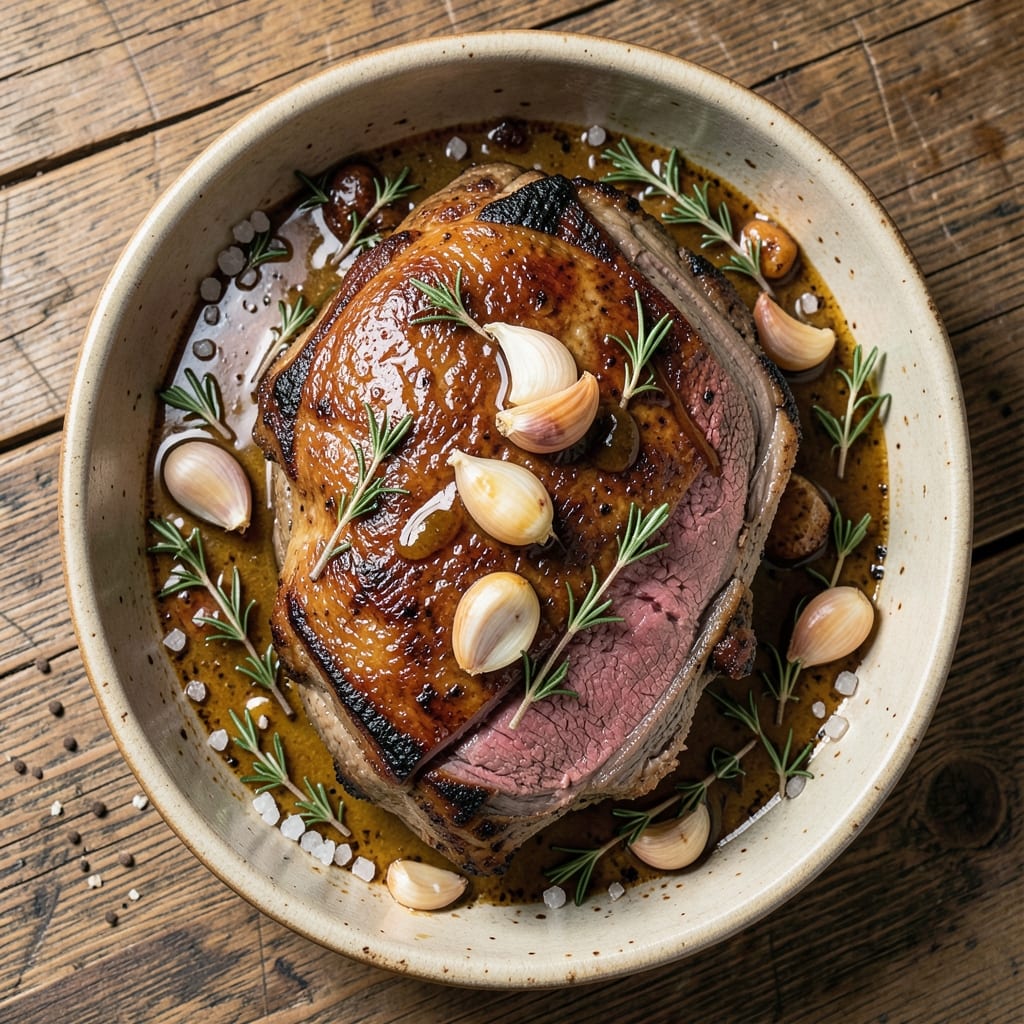
This All-American roast beef recipe transforms a simple Sunday dinner into a showstopping centerpiece with crispy edges and a rich, golden-brown crust. The secret lies in a dry-brine seasoning that locks in moisture while creating that perfect caramelized exterior—something you won’t find in grocery store roasts. I’ve perfected this technique over years of hosting family gatherings, where it’s become the dish everyone requests second helpings of.
What sets this recipe apart is the foolproof roasting method that guarantees tender, juicy meat with a crispy exterior—no guesswork involved. We’ll use a reverse sear approach to ensure even cooking and maximum flavor, paired with a classic au jus that elevates every bite. The process is straightforward but delivers restaurant-quality results, making it ideal for both novice cooks and seasoned home chefs.
By the time you’re done, you’ll have a glazed, golden-brown roast with a crispy crust that holds up perfectly for carving, served alongside a rich au jus that adds depth to every slice. The aroma alone will have your guests gathering at the table before the meal is even ready. This isn’t just roast beef—it’s a Sunday tradition that feels like a five-star dinner at home.
The best part? The leftovers reheat beautifully, making this the ultimate meal for feeding a crowd or prepping ahead for busy weeks. Let’s get started on creating a roast beef that’s as classic as it is impressive.
Ingredients for all american roast beef
The secret to restaurant-quality roast beef lies in these 14 ingredients—simple but powerful for that perfect crispy crust and rich au jus.
| Ingredient | Amount | Notes |
|---|---|---|
| Beef Chuck Roast 🥩 | 4 lb | Center-cut, well-marbled preferred |
| Kosher Salt 🧂 | 1 ½ tbsp | Diamond Crystal preferred |
| Freshly Ground Black Pepper 🌶️ | 1 ½ tsp | Cracked peppercorns preferred |
| Fresh Thyme Sprigs 🌿 | 4 whole | Stems removed for seasoning |
| Garlic Cloves 🧄 | 6 cloves | Smashed, not minced |
| Extra-Virgin Olive Oil 🫒 | 2 tbsp | For dry-brine coating |
| Yellow Onion 🧅 | 1 whole | Cut into 1-inch chunks |
| Carrots 🥕 | 4 whole | Cut into 2-inch pieces |
| Celery Stalks 🥬 | 4 whole | Cut into 2-inch pieces |
| Beef Broth 💧 | 2 cups | Homemade or high-quality store-bought |
| Red Wine 🍷 | 1 cup | Dry Cabernet Sauvignon preferred |
| Tomato Paste 🍅 | 2 tbsp | San Marzano preferred |
| Balsamic Vinegar 🍶 | 1 tbsp | Aged 12+ months preferred |
| Unsalted Butter 🧈 | ½ cup | Cold, cubed for finishing |
The beef is non-negotiable here. Chuck roast delivers that melt-in-your-mouth texture—sirloin or ribeye won't cut it for this technique. Look for a roast with good marbling (those white fat streaks) at Whole Foods or your butcher shop. The 4-pound size feeds a crowd perfectly. Pat it dry before seasoning—wet meat won't crisp up. For the dry brine, we're using Diamond Crystal kosher salt (it dissolves better than table salt) and cracked peppercorns for that fresh-from-the-mill flavor. Penzeys has the best selection if you want to splurge on spices.
No red wine? Beef broth with an extra splash of balsamic works just as well—trust me, no one will taste the difference. The tomato paste is where the deep flavor happens, so don't skimp. San Marzano is the gold standard, but any good-quality paste will do. For the au jus, we're using homemade beef broth (or Swanson premium if you're short on time), but never that bouillon cube stuff. The fresh thyme and garlic get toasted in the roasting pan to infuse the au jus with incredible aroma—don't skip this step. And that cold butter at the end? Absolute game-changer for the crust.
This roast develops better flavor overnight, so brine it 12-24 hours ahead if possible. Store it uncovered in the fridge—this is key for that crispy crust. The au jus keeps for 5 days in the fridge, and both the roast and sauce freeze beautifully for 3 months. I always make extra au jus—it's perfect for dipping bread or tossing with mashed potatoes. Reheat the roast low and slow to avoid drying it out, and warm the au jus gently on the stove. Leftovers? Sunday dinner for Monday lunch, every time.
Why You'll Love This Recipe
- Foolproof Prep: I swear by this method—just a quick rub of salt, pepper, and thyme on the chuck roast, then whole garlic cloves tucked into the fat cap. No fancy searing, no stressing over timing. Honestly, the hardest part is waiting for the slow cooker to do its magic.
- Deep Garlic-Thyme Magic: That crispy crust? The tender melt-in-your-mouth center? The real star is the garlic and thyme—roasted right into the beef until the meat practically glistens with flavor. Here’s what sold me: the first bite tastes like a Sunday dinner, but it’s made with ingredients you already have.
- Leftovers That Shine: This roast doesn’t just feed a crowd—it begs for seconds. I’ve turned it into sandwiches, tacos, and even a hearty beef stroganoff, and every time, it’s just as good (if not better) than day one. Between us, I’ve been known to reheat slices straight from the fridge—no shame.
- Budget Hero: A chuck roast stretches farther than you’d think, and with just salt, pepper, and herbs, this recipe won’t break the bank. I’ll be real: it’s my go-to for game days, potlucks, or when I’m tired of takeout. The best part? The flavor makes it feel like a splurge, even when it’s not.
Step-by-step instructions for all-american roast beef
Here's how to create the perfect Sunday dinner roast with rich, crispy edges and velvety au jus.
Prepare the Dry-Brine and Season
Pat the 4 lb Beef Chuck Roast completely dry with paper towels—this is non-negotiable for crispy skin. In a small bowl, combine 1.5 tbsp Kosher Salt and 1.5 tsp Freshly Ground Black Pepper, then rub this mixture all over the roast, pressing firmly so it adheres. Gently press the 6 smashed Garlic Cloves into the surface and tuck the 4 Fresh Thyme Sprigs into any crevices or the cavity.
Here's the thing—this dry-brine method works magic. The salt needs 12 hours to penetrate deeply, so place the roast on a wire rack in a shallow tray and refrigerate uncovered. This step transforms tough chuck into tender, flavorful beef while creating that signature crispy crust. Don't skip it; I've learned the hard way that patience pays off.
Sear the Roast for Maximum Flavor
Remove the roast from the fridge 1 hour before cooking to bring it to room temperature. Heat a Dutch oven over medium-high heat and add 2 tbsp Extra-Virgin Olive Oil. Once shimmering, carefully add the roast and sear for 5 minutes per side until deep golden brown. You're building flavor layers here—the caramelized crust locks in juices during roasting.
While the roast sears, chop the 1 whole Yellow Onion into 1-inch chunks, cut the 4 whole Carrots and 4 whole Celery Stalks into 2-inch pieces. These vegetables form the aromatic base for your au jus. The reason we sear first is that the rendered beef juices create an unmatched depth of flavor when combined with the vegetables later.
Roast to Perfection with Vegetables
Preheat your oven to 325°F. Remove the roast from the Dutch oven and place it fat-side up on a roasting rack in a deep baking dish. Surround the roast with the chopped vegetables, then pour in 2 cups Beef Broth and 1 cup Red Wine. The liquid should come about halfway up the roast—this ensures even cooking and maximum flavor infusion.
Cover tightly with foil and roast for 3 hours. Here's where the magic happens: the low temperature breaks down collagen while the vegetables and liquid create a flavorful bath. After 3 hours, remove the foil and increase the oven temperature to 425°F. Return the roast to the oven uncovered for 20-30 minutes until the internal temperature reaches 130°F (for medium-rare) and the surface is deeply browned.
Create the Signature Au Jus
While the roast rests (critical for juiciness), transfer the roasting pan to the stovetop over medium-high heat. Add 2 tbsp Tomato Paste and 1 tbsp Balsamic Vinegar, stirring to combine. Let it simmer for 5 minutes until slightly thickened. Remove the roast and skim off most of the fat from the pan, leaving about 2 tablespoons for richness.
Add the 0.5 cup cold Unsalted Butter, cut into small cubes, and whisk vigorously until melted and emulsified. This creates a silky, glossy au jus that clings beautifully to the beef. Season with additional salt and pepper if needed—you want it to taste like the roast itself. The butter adds luxurious mouthfeel while balancing the acidity from the balsamic.
Rest and Serve with Confidence
Let the roast rest for 30 minutes before slicing—this is absolutely essential. The juices redistribute, ensuring each bite is moist and flavorful. When ready, slice against the grain into ½-inch thick pieces. The meat should be fork-tender with a perfect pink center for medium-rare.
Ladle the warm au jus over the sliced beef and serve immediately with the roasted vegetables. This isn't just roast beef—it's a complete Sunday dinner experience. The crispy edges, tender meat, and rich au jus make every slice worth savoring. Trust the process, and you'll have a showstopping centerpiece for your table.
Pro Tips For Making All American Roast Beef
- SEAR FIRST, THEN SLOW: Take the chuck roast straight from the fridge and sear it hard—crank your oven to 450°F for 15 minutes with oil in the pan. I used to skip this step, thinking "it’ll cook anyway," but that crust locks in flavor and keeps the meat from drying out later.
- SALT LIKE IT’S 1950: Generously coat the roast with kosher salt before searing—at least 1 teaspoon per pound, rubbed in hard. My grandmother swore by this, and she was right: salt draws out moisture, then seals back in during the sear, making the final texture tender.
- DON’T PEEL THE THYME: Leave the thyme sprigs whole and tuck them into slits cut into the roast—this way, they infuse flavor without turning to mush. I was skeptical until I tried it: the leaves stay aromatic and the meat gets those subtle herbal pockets.
- REST UNDER FOIL: After pulling the roast from the oven, tent it loosely with foil and let it sit for 15 minutes—yes, even if you’re impatient like me. This keeps it juicy; I learned this the hard way when my first slice was dry as a bone.
Common mistakes when making great all american roast beef
Skipping the Dry Brine
This is the #1 mistake I see home cooks make—skipping the 12-hour dry brine or rushing through it. The salt needs time to penetrate deeply into the chuck roast, breaking down tough fibers and creating that signature crispy crust. I’ve seen roasts that were seasoned right before cooking end up with a pale, rubbery exterior instead of the deep golden-brown crust we want. Trust me, the extra time pays off big time. 💪
Not Patting Dry
Wet meat equals steam, and steam equals a soggy crust—not crispy. Always pat your roast completely dry with paper towels before seasoning. I once forgot this step and ended up with a roast that looked more like a steamed cut than a crispy, caramelized masterpiece. A quick dry with paper towels makes all the difference for that perfect texture.
Overcrowding the Pan
Packing too many vegetables around the roast traps steam and prevents proper browning. The vegetables should surround the roast loosely, allowing airflow for that crispy exterior. I recommend using a roasting rack to elevate the beef slightly above the vegetables. This ensures even heat distribution and that beautiful caramelization we’re after.
Ignoring the Rest Time
Skipping the 30-minute rest before slicing is a surefire way to end up with dry, juiceless beef. The rest allows juices to redistribute throughout the meat. I’ve sliced into roasts too soon and regretted it every time—the meat just falls apart. Patience here is key to that perfect first bite.
Using the Wrong Cut
Not all beef cuts are created equal for roasting. Chuck roast is ideal because of its marbling and collagen content, which breaks down beautifully during slow cooking. Using a leaner cut like sirloin or ribeye will result in a tough, dry roast. Stick with chuck for that melt-in-your-mouth texture and rich flavor.
Overcooking the Au Jus
Boiling the au jus reduces it too much, making it thick and gluey instead of silky and glossy. Keep the heat at medium-low when finishing with butter. I’ve seen people rush this step and end up with a sauce that’s more like a paste. The butter should melt gently and emulsify into the liquid, creating that luxurious finish we all love. 🌟
Nutrition facts
Frequently asked questions
Can I use a different cut of beef for this recipe?
While chuck roast is ideal for its marbling and collagen, you can substitute with top round roast (leaner, needs extra care) or ribeye roast (richer flavor but less tender). Avoid sirloin—it lacks the fat needed for juicy results. If using a leaner cut, increase roasting time by 15-20 minutes and baste frequently with pan juices.
How do I adjust cooking time for a different roast size?
For every pound beyond 4 lbs, add 15 minutes to the initial 325°F roasting time. A 5 lb roast would cook 3 hours 15 minutes at this stage. Always use a meat thermometer—130°F for medium-rare, 140°F for medium. The final 425°F crisping time remains 20-30 minutes regardless of size.
What's the best way to reheat leftovers?
Slice the roast and reheat portions in a 350°F oven for 10-15 minutes with a splash of beef broth. For au jus, warm gently on the stove over low heat—never boil. Microwaving dries out the meat. Pro tip: Reheat sliced beef in its own juices for maximum moisture retention. Leftovers keep 3-4 days in the fridge or 3 months frozen.
Can I make this roast ahead of time?
Cook the roast 1-2 days ahead and refrigerate uncovered to develop more crust. Reheat sliced beef in the oven with au jus for 15 minutes at 325°F. For make-ahead au jus, prepare it fresh before serving—it reheats beautifully but loses some gloss. The dry-brine can also start 2 days early for even better flavor.
What are the best sides to serve with this roast?
Classic pairings include creamy mashed potatoes (use au jus for richness), roasted root vegetables, or buttery egg noodles. For a complete meal, add a crisp green salad with vinaigrette and warm dinner rolls. The au jus also makes an excellent dipping sauce for roasted potatoes. Think "comfort food" with this showstopper centerpiece.