
Main Courses
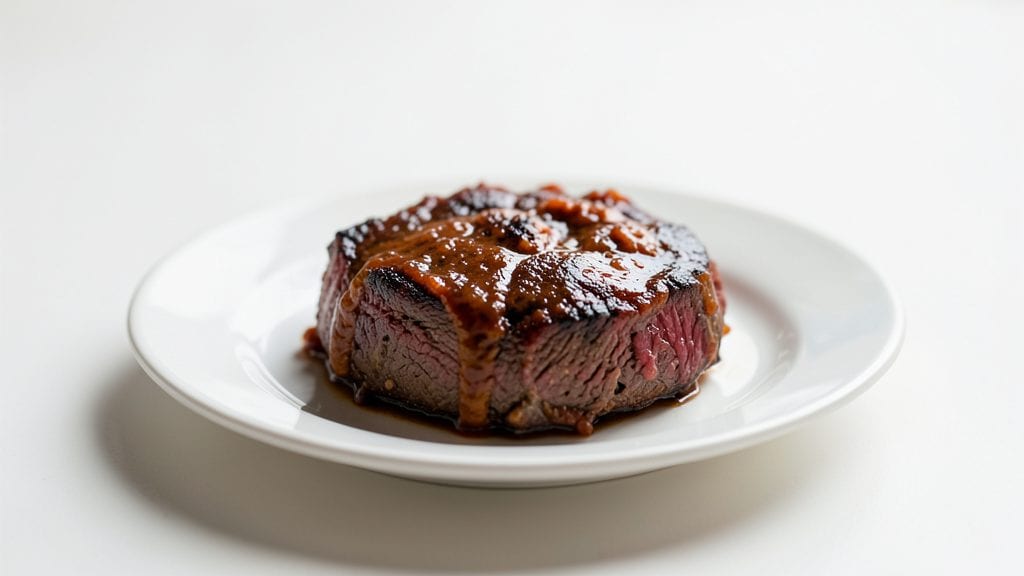
Al's Italian beef recipe delivers the iconic Chicago sandwich experience with slow-simmered beef that stays juicy at the core while developing deep, savory flavors. This isn't your typical dry, overcooked sandwich meat—it's tender, moist beef with a perfect pink heart, all wrapped in warm hero rolls.
The secret lies in precise seasoning and slow cooking techniques that transform tough cuts into melt-in-your-mouth perfection.
What sets this recipe apart is the balance between traditional methods and modern convenience. We'll use a flavorful blend of spices and herbs that penetrate the beef during a long, gentle cook.
The Italian beef sauce—tangy, slightly sweet, and aromatic—is the star, simmered until it reaches that ideal consistency where it clings beautifully to the meat. This isn't just a sandwich; it's an experience that captures the heart of Chicago's culinary tradition.
The result is beef so tender it practically falls apart when sliced, with just enough resistance to hold its shape on the roll. Each bite delivers that perfect combination of juicy meat, rich sauce, and crisp bread.
Whether you're serving this at a family gathering or enjoying it solo, the flavors will transport you straight to a bustling Chicago sandwich shop. Let's get started on creating this classic dish.
This recipe works beautifully with classic toppings like pickles, hot peppers, and horseradish, but it's equally impressive on its own. The slow-cooked beef stays moist for hours, making it perfect for meal prep or feeding a crowd.
The sauce can be made ahead, so you're not stuck in the kitchen when it's time to serve. Every element comes together to create a sandwich that's both comforting and impressive.
Ingredients for al's italian beef
Twelve ingredients. One legendary sandwich. The secret? Slow-simmered beef that stays juicy and pink inside.
| Ingredient | Amount | Notes |
|---|---|---|
| Beef Chuck Roast 🥩 | 4 lb | Tough cut, marbled for juiciness |
| Yellow Onions 🧅 | 2 whole | Medium, sliced into half-moons |
| Garlic Cloves 🧄 | 8 cloves | Fresh, peeled and smashed |
| Beef Broth 💧 | 2 cups | Low-sodium preferred |
| Red Wine 🍷 | 1 cup | Dry, like Cabernet Sauvignon |
| Tomato Paste 🍅 | ½ cup | Smooth, no sugar added |
| Apple Cider Vinegar 🍎 | ¼ cup | For tangy brightness |
| Granulated Sugar 🍬 | 2 tbsp | Balances acidity |
| Dried Oregano 🌿 | 1 tbsp | Mexican oregano preferred |
| Dried Basil 🌿 | 1 tbsp | For Italian depth |
| Black Peppercorns 🌶️ | 1 tsp | Freshly cracked |
| Bay Leaves 🍃 | 2 whole | For aromatic depth |
| Salt 🧂 | 2 tbsp | Kosher or sea salt |
| Italian Seasoning 🌶️ | 1 tbsp | Store-bought blend works |
| Hero Rolls 🍞 | 12 whole | Fresh or frozen, warmed |
The beef is everything. Chuck roast is non-negotiable—it's tough enough to handle the long cook but breaks down into melt-in-your-mouth perfection. Grab it from the butcher counter if possible, or the pre-cubed section at Costco for convenience. Look for good marbling (those white fat streaks)—that's what keeps it juicy. If you're buying a whole roast, ask for it to be cut into 1-inch cubes. The onions and garlic? Yellow onions add sweetness, but reds work too. Fresh garlic is a must—none of that jarred stuff. Whole Foods or your local market usually have the best quality.
No red wine? Extra beef broth plus a splash of balsamic vinegar works in a pinch. The tomato paste can be swapped for crushed tomatoes (use 1 cup), but paste gives you that thick, rich base. Apple cider vinegar is key for that tangy kick—white vinegar or lemon juice won't cut it. The sugar balances the acidity, so don't skip it. For the herbs, dried works fine (just measure carefully), but fresh basil and oregano take it to the next level. If you're feeling fancy, toast the oregano and basil in a dry pan for 30 seconds before adding to the pot—trust me, it's worth it. The peppercorns? Crack them with the flat side of a knife for maximum flavor.
This beef tastes even better the next day—make a double batch if you can. Store it in the fridge for up to 5 days, covered with its sauce. For longer storage, freeze in airtight containers for up to 3 months. Reheat gently on the stove with a splash of broth to keep it moist. The rolls can be toasted fresh or warmed in a 350°F oven for 5-10 minutes. Pro tip: Assemble sandwiches just before serving so the bread stays crisp. Leftovers? Reheat the beef and sauce separately, then layer on fresh rolls for the best texture.
Why You'll Love This Recipe
- One-Pot Magic: I swear by this—just toss the beef, onions, and garlic in a Dutch oven, add wine and broth, and let it slow-cook. No chopping, no fussing, no extra pots. That rich red wine and beef broth do all the work while you sip your coffee.
- Deep, Rich Bite: The chuck roast gets so tender it practically falls apart, but the crust? Oh, it’s got that perfect caramelized edge from the onions and garlic. Honestly, the first time I tried it, I nearly licked the pan.
- Budget Feast for Crowds: A single chuck roast feeds six, and the wine and broth stretch the flavor without breaking the bank. Between us, this is how I feed my book club without stressing over grocery receipts. Plus, the onions and garlic are cheap staples.
Step-by-step instructions for slow-simmered Italian beef
Here's how to transform that tough chuck roast into melt-in-your-mouth sandwich meat with a perfect pink center.
Sear the Beef Chuck Roast for Deep Flavor
Pat the 4 lb beef chuck roast dry with paper towels—this helps create that beautiful crust. Heat a Dutch oven over medium-high heat and add just enough oil to coat the bottom lightly. Place the roast in the pot and sear on all sides until deeply browned, about 5-6 minutes per side. You'll see those gorgeous caramelized patches form—that's where all the flavor starts.
While the beef browns, slice the 2 whole yellow onions into half-moons and peel the 8 cloves of garlic. Add the onions to the pot and cook for 3-4 minutes until softened but not browned. This layering of flavors is what makes this dish sing. The onions will release their sweetness as they simmer, creating that perfect balance with the rich beef.
Build the Aromatic Base and Simmer Low
Remove the beef from the pot and set it aside. Add the smashed garlic cloves to the onions and cook for just 30 seconds until fragrant—don't let them brown or they'll turn bitter. Stir in the 0.5 cup tomato paste, 2 tbsp salt, 1 tbsp dried oregano, 1 tbsp dried basil, 1 tsp cracked black peppercorns, and 2 whole bay leaves. Cook for 1 minute to toast the spices and deepen their flavor.
Pour in the 1 cup red wine and scrape up all those browned bits from the bottom of the pot—this is called deglazing and it captures all that meaty flavor. Let the wine reduce by half, about 3-4 minutes, until it's syrupy and glossy. This step is crucial for building the rich, velvety sauce that coats every bite of beef.
Slow-Simmer for Maximum Tenderness
Return the beef to the pot and add the 2 cups beef broth and 0.25 cup apple cider vinegar. The vinegar adds a bright tang that cuts through the richness of the beef and wine. Bring everything to a gentle simmer over medium-low heat. Here's the key: you want just enough bubbles to break the surface occasionally, but not a rolling boil. Cover the pot and let it simmer for 3 hours.
After 3 hours, check the beef for tenderness. It should be fork-tender with a small amount of pink in the center—this is what makes Italian beef special. If there's still a core of toughness, add ½ cup more beef broth and continue simmering for another 30 minutes to 1 hour. The slow cooking breaks down the connective tissue, transforming tough meat into something so tender it practically melts in your mouth.
Finish with Sweetness and Rest
Once the beef is tender, remove it from the pot and set it aside. Stir the 2 tbsp granulated sugar into the sauce and simmer for 5 minutes to caramelize slightly. This adds just the right amount of sweetness to balance the tangy, savory flavors. Return the beef to the pot and let it soak up all that delicious sauce for 10 minutes.
While the beef rests, slice the hero rolls in half and warm them in the oven at 350°F for 5-7 minutes. The rolls should be warm and slightly crispy—perfect for holding up to the juicy beef. When you're ready to serve, shred the beef with two forks right in the pot, mixing it with the sauce. The result should be a thick, meaty sauce that clings to every bite.
Assemble and Serve Immediately
Spoon the shredded beef onto the warmed hero rolls, letting that rich sauce ooze out the sides. Top with any extra sauce from the pot and serve immediately. The contrast of the warm, juicy beef with the soft, slightly crispy rolls is pure magic. Each bite delivers that perfect balance of sweet, tangy, and savory flavors with a melt-in-your-mouth texture that's impossible to resist.
This dish is even better the next day—if you have leftovers, store them in the fridge and reheat gently in the pot with a splash of beef broth. The flavors will deepen as it sits, making every sandwich even more incredible. Trust me, once you try this method, you'll never go back to dry, tough sandwich meat again.
Pro Tips For Making Al'S Italian Beef
- Sear First, Then Simmer: Crank your pan to medium-high and sear the chuck roast for 3-4 minutes per side until deep brown—this isn’t just for flavor, it’s the foundation for that rich, caramelized crust that holds up through hours of braising. I used to rush this step, and the beef would turn out tough instead of tender.
- Dice Onions Like Dice: Cut the yellow onions into even ½-inch cubes—no big chunks, no slivers—and toss them in the pot raw with the garlic. They’ll soften into a sweet, jammy base without burning, and that’s when the wine really shines. My grandmother swore by this, and she was right: uneven pieces burn or stay crunchy.
- Deglaze Aggressively: After searing the beef, don’t just pour the wine—scrape up every browned bit with a wooden spoon first. That’s where the flavor lives, and skipping it means you’re missing half the depth. I learned this the hard way after making a batch that tasted bland until I tasted the scraps.
- Braise Low and Long: Cover the pot and simmer on low heat—think a gentle bubble, not a rolling boil—until the beef shreds easily with a fork, usually 2.5-3 hours. High heat turns the broth into glue, and no one wants dry beef. (Yes, even if you’re impatient like me.)
Regional styles of this al's italian beef
Chicago-Style Roots
This recipe traces back to Chicago's Italian immigrant communities in the early 1900s, where butchers would slow-cook tough beef cuts until tender enough for sandwiches. The original version used tri-tip, but chuck roast became the standard due to its availability.
Authentic Chicago-style Italian beef keeps a pink center—never fully cooked through—because that's where the juiciest, most flavorful meat resides. The city's famous sandwich shops like Al's Beef and Giorgio Beef popularized this style, often serving it with giardiniera (spicy pickled veggies) and hot peppers on the side. 🗽
New York's Hero Roll Twist
While Chicago claims the original Italian beef, New York adapted it using hero rolls (long, crusty sandwich bread) instead of Italian bread. This version became popular in Italian delis across the city, particularly in neighborhoods like Little Italy and Greenwich Village.
The rolls absorb the rich sauce beautifully, creating that signature "drip" effect. For authenticity, use 12-inch hero rolls from a bakery—they're slightly chewier than regular sandwich buns and hold up to the juicy beef. I love Martin's Potatoes brand for their perfect texture.
California's Fusion Approach
West Coast chefs put their own spin on Italian beef by incorporating California-style BBQ elements. Some versions use red wine reduction instead of traditional tomato sauce, or add smoked paprika for depth.
In San Francisco, you'll find Italian beef sandwiches topped with caramelized onions and provolone cheese, creating a melty, saucy masterpiece. The key difference? California versions often include fresh herbs like basil and thyme in the sauce, giving it a brighter, more vibrant profile.
This approach works especially well if you prefer a lighter, fresher flavor.
Texas-Style Smoked Beef
In Texas, particularly in cities like San Antonio and Austin, Italian beef gets a smoky twist. Some versions are cooked in smokers with hickory or oak chips, adding a woodsy depth to the meat. The sauce often includes chopped jalapeños and cilantro for a Tex-Mex fusion.
For a smoky version at home, add 1-2 smoked paprika tablespoons to the sauce or cook the beef in a cast-iron skillet over indirect heat with a smoking wood chip pan underneath. This method works beautifully for outdoor cooking or large gatherings. 🔥
Northern Italian Influence
For a more authentic Italian touch, lean into Northern Italian traditions by using San Marzano tomatoes in the sauce and adding a splash of white wine instead of red. In regions like Lombardy, beef dishes often include gremolata (lemon zest, garlic, and parsley) as a garnish.
For this recipe, stir in 1 tbsp lemon zest and 2 tbsp chopped parsley at the end for a bright, citrusy finish. This variation works especially well if you're serving the beef with polenta or mashed potatoes as a side, creating a full Italian-inspired meal.
Modern Shortcut Versions
For busy home cooks, modern adaptations use slow cookers or Instant Pots to achieve similar results. In a slow cooker, combine all ingredients and cook on low for 8 hours or high for 4-5 hours.
For the Instant Pot, sear the beef first, then cook on high pressure for 60 minutes followed by a 10-minute natural release. These methods work well for weeknight dinners, though they may yield slightly less tender beef.
I find the stovetop method still delivers the best texture, but these shortcuts are lifesavers when you're short on time. 💡
Nutrition facts
Frequently asked questions
Can I substitute chuck roast with another beef cut?
While chuck roast is ideal for its marbling and flavor, you can use tri-tip (traditional in Chicago) or brisket in a pinch. For tri-tip, trim excess fat and cut into chunks. Brisket needs extra time (4-5 hours) to become tender. Avoid lean cuts like sirloin—they'll dry out during the long cook.
Why does the meat need to stay pink in the center?
That pink heart is what makes Italian beef special! Slow cooking breaks down collagen, but overcooking turns tough cuts dry. The pink center ensures maximum juiciness and tenderness—just like in authentic Chicago sandwich shops. For food safety, use pasteurized ingredients and proper cooking techniques.
How do I make the sauce thicker?
Simmer the sauce uncovered for 10-15 minutes to reduce it, or stir in 1-2 tbsp cornstarch mixed with water. For extra richness, mash some of the cooked onions into the sauce. The sauce should coat the back of a spoon but still be pourable—not gluey.
Can I make this in a slow cooker or Instant Pot?
For a slow cooker, combine all ingredients and cook on low for 8 hours or high for 4-5 hours. In an Instant Pot, sear the beef first, then cook on high pressure for 60 minutes with a 10-minute natural release. The texture will be slightly different but still delicious—great for weeknights!
What's the best way to reheat leftovers?
Gently reheat in a pot with 2-3 tbsp beef broth over medium-low heat until warmed through (5-7 minutes). Never microwave—it makes the bread soggy. For sandwiches, warm rolls separately in a 350°F oven for 5 minutes before assembling. Leftovers keep for 5 days in the fridge.