
Main Courses
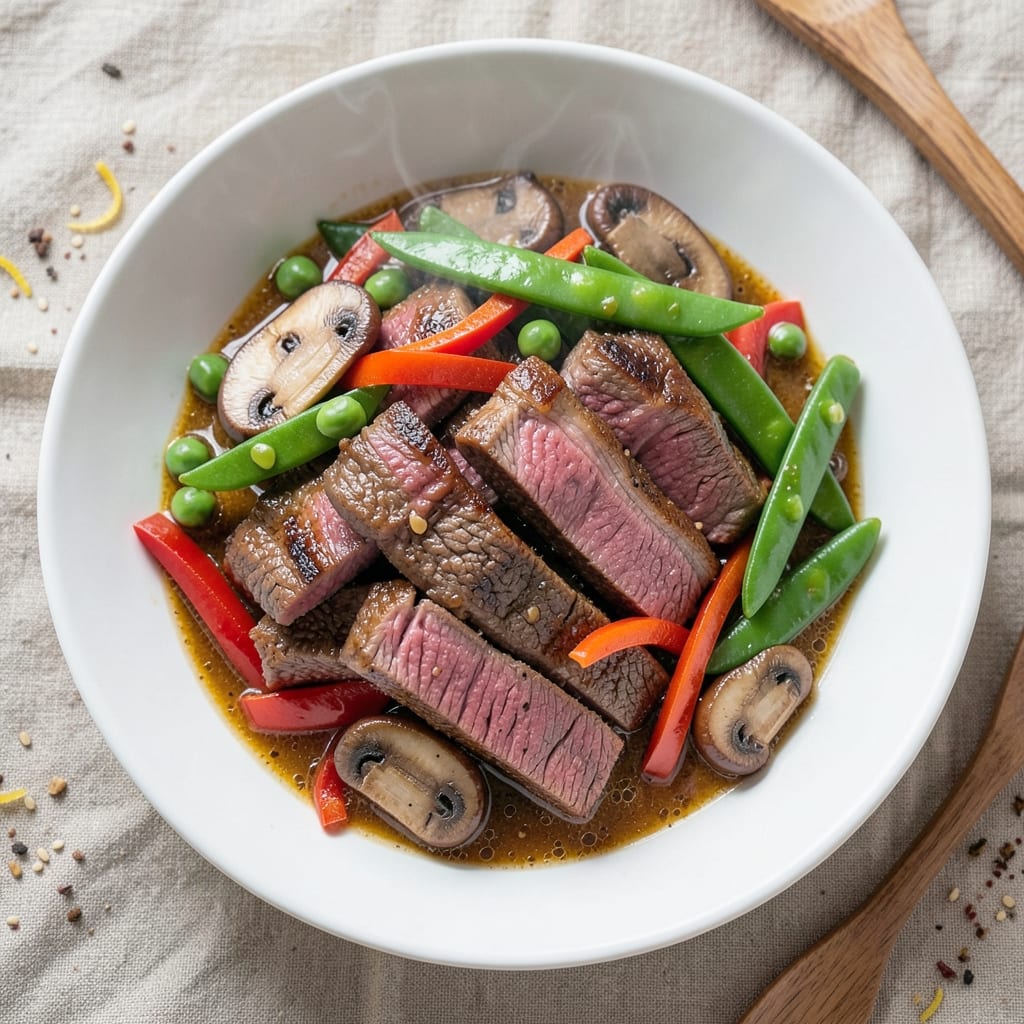
America's Test Kitchen beef stir fry recipe delivers restaurant-quality wok-heated perfection in just 20 minutes—no shortcuts, just science-tested techniques that transform tough beef into tender, umami-packed bites. The secret lies in velveting the beef for maximum tenderness while achieving that coveted wok hei (breath of the wok) aroma through proper high-heat searing. This isn't just another stir fry; it's a flavor explosion where sweet, savory, and spicy notes dance in perfect harmony.
What sets this recipe apart is the three-stage cooking process: first marinating the beef in a cornstarch slurry to lock in juices, then velveting in a warm broth to ensure fork-tender results, and finally wok-frying at high heat to develop that signature smoky aroma. The vegetables get the same treatment—quick stir-frying preserves their crisp texture while allowing them to absorb the rich, glossy sauce.
The result is a dish that's bold yet balanced, with beef that practically melts in your mouth and vegetables that retain their vibrant colors and satisfying crunch. The sauce, a perfect marriage of soy, oyster, and hoisin, coats every ingredient without overpowering the natural flavors. This is the kind of stir fry that makes weeknight dinners feel like a night out.
Serve it over steamed jasmine rice or noodles to soak up every last drop of that umami-rich sauce. The techniques here aren't just for show—they're what transform a simple stir fry into a restaurant-quality masterpiece you'll want to make again and again.
Ingredients for america's test kitchen beef stir fry
Science-tested ingredients for restaurant-quality beef stir fry with velveted tenderness and wok hei aroma.
| Ingredient | Amount | Notes |
|---|---|---|
| Flank Steak 🥩 | 1 ½ lb | Thinly sliced against the grain |
| Cornstarch 🌾 | ½ cup | For velveting slurry |
| Low-Sodium Soy Sauce 🍶 | ¼ cup | Kikkoman preferred |
| Oyster Sauce 🍶 | 2 tbsp | Lee Kum Kee brand |
| Hoisin Sauce 🍶 | 1 tbsp | For sweet-savory balance |
| Brown Sugar 🍯 | 1 tbsp | Light or dark |
| Sesame Oil 🫒 | 1 tbsp | Toasted, for aroma |
| Garlic Cloves 🧄 | 6 cloves | Minced, for depth |
| Fresh Ginger 🌿 | 1 tbsp | Finely grated |
| Bell Peppers 🌶️ | 2 whole | Red/yellow, sliced |
| Broccoli Florets 🥦 | 2 cups | Cut into bite-sized |
| Carrots 🥕 | 2 whole | Julienned, medium |
| Neutral Oil 🫒 | ½ cup | Avocado or vegetable |
| Green Onions 🧅 | 3 whole | Sliced, for garnish |
| Sesame Seeds 🌾 | 1 tbsp | Toasted, for crunch |
The flank steak is non-negotiable here—its lean yet tender texture transforms when sliced against the grain. Costco or Whole Foods carry high-quality cuts, but any butcher will trim it properly for you. Look for bright red, well-marbled meat with minimal fat. If you can't find flank, sirloin is a close second but may require slightly longer velveting. The cornstarch slurry (mixed with soy sauce) is what creates that signature tender texture—don't skip it. For the sauces, Lee Kum Kee oyster sauce and Kikkoman soy sauce are industry standards, but any low-sodium soy will work in a pinch.
No oyster sauce? Substitute with 1 tbsp fish sauce plus 1 tsp sugar—it mimics the umami depth. The brown sugar can be swapped for honey (reduce other liquids by 1 tbsp to balance). For extra heat, add 1 tsp chili crisp or red pepper flakes. The vegetables should be uniformly cut—this ensures even cooking. If you're short on time, frozen stir-fry veggie mixes work perfectly (thaw and drain well). The sesame oil is purely for aroma—add it last to preserve its nutty fragrance. And yes, you can use pre-minced garlic and ginger from jars, but fresh always tastes better.
Prep the beef first—slice it thin and against the grain before mixing with cornstarch. The sauce keeps for 5 days refrigerated or 3 months frozen, but the beef should be cooked within 2 days of slicing for best texture. Store sesame seeds in a cool, dark place to prevent rancidity. For leftovers, reheat in a wok or skillet over medium heat with a splash of water to maintain moisture. This dish reheats beautifully—even better the next day as flavors meld further. Portion into airtight containers for easy lunches.
Why You'll Love This Recipe
- One-Pan Magic: I swear by this recipe because it’s actually one-pan—no messy sauces splattering everywhere. The cornstarch coating on the flank steak gives it that perfect crisp-tender bite without needing a second skillet, and the soy-oyster-hoisin combo sticks to the pan like glue (in a good way).
- Umami Bomb: Between us, the sauce here is dangerously good. Low-sodium soy keeps it balanced, oyster sauce adds that deep, savory punch, and hoisin? It’s the sweet-salty glue that makes every bite sing—no weird aftertaste, just pure, satisfying flavor.
- Lunchbox Hero: This isn’t just dinner. Pack the leftovers in rice bowls or tortillas, and it’s a weeknight lifesaver—my kids grab it for school lunches, and honestly? They don’t even realize it’s "healthy." The steak stays tender, the sauce doesn’t turn mushy, and it reheats like a dream.
- Budget Powerhouse: Flank steak stretches far here, and a little goes a long way. I buy it on sale, slice it thin, and boom—four meals for the price of one fancy dinner. Plus, the sauce ingredients? Pantry staples that don’t break the bank. Efficient, delicious, and guilt-free.
Step-by-step instructions for america's Test Kitchen beef stir fry
Master this wok technique for perfectly tender beef and vibrant vegetables every time.
Prepare the Velveting Slurry and Marinate the Beef
In a medium bowl, whisk together the 0.5 cup cornstarch, 0.25 cup low-sodium soy sauce, 2 tablespoons oyster sauce, 1 tablespoon hoisin sauce, and 1 tablespoon brown sugar until completely dissolved. This slurry creates that signature silky texture in the finished stir fry.
Transfer the 1.5 lb flank steak to a resealable plastic bag and pour the slurry over it. Seal the bag and massage the mixture into the beef, coating it evenly. Let it marinate in the refrigerator for at least 30 minutes (up to 4 hours for deeper flavor). The cornstarch will begin tenderizing the meat while the sauces infuse it with umami depth.
Prep Vegetables and Build the Flavor Base
While the beef marinates, slice the 2 whole bell peppers into ½-inch strips and separate the 2 cups broccoli florets into bite-sized pieces. Julienne the 2 whole carrots into ¼-inch matchsticks. Finely mince the 6 cloves garlic and grate the 1 tablespoon fresh ginger using a microplane.
In a small bowl, combine the minced garlic, grated ginger, and 1 tablespoon sesame oil. Set aside. This aromatic blend will form the flavor foundation of your stir fry, so don't skip the fresh ginger—it prevents the garlic from becoming overpowering.
Cook the Beef and Vegetables in Stages
Heat a 14-inch wok or large skillet over high heat until a drop of water sizzles and evaporates instantly. Add 0.25 cup neutral oil (about half the total amount) and swirl to coat the bottom. Working in batches if needed, add the marinated beef in a single layer and stir-fry for 2-3 minutes until the edges are lightly browned.
Remove the beef to a plate and set aside. Add the remaining 0.25 cup neutral oil to the wok and stir in the garlic-ginger mixture. Cook for 30 seconds until fragrant but not browned. Add the bell peppers and carrots, stir-frying for 3-4 minutes until they begin to soften but still retain their bright color. Add the broccoli florets and cook for another 2 minutes until just tender-crisp.
Combine and Finish the Stir Fry
Return the beef to the wok along with any accumulated juices. Add the sliced 3 whole green onions and toss everything together vigorously for 1-2 minutes until the beef is heated through and the sauce begins to thicken slightly. The vegetables should still have a satisfying bite—overcooking will turn them mushy.
Taste and adjust seasoning if needed, adding a splash of water if the sauce is too thick. Remove from heat and drizzle with the remaining 1 tablespoon sesame oil. Immediately garnish with 1 tablespoon toasted sesame seeds for texture and aroma. Serve immediately over steamed rice for the full experience.
Pro Tips For Making America'S Test Kitchen Beef Stir Fry
- SLICE AGAINST THE GRAIN: The flank steak’s stubborn fibers won’t surrender to a knife unless you cut perpendicular to them—like slicing a loaf of bread, not the way you’d slice a steak for a sandwich. I used to fight this and ended up with chewy, stringy bites. Take the time, or regret it later.
- DON’T RUSH THE MARINADE: Let that soy-oyster-hoisin mix work its magic for at least 15 minutes—30 if you’re not in a hurry. Flank steak needs time to absorb the sauce, not just a quick toss before hitting the pan. I learned this the hard way when my first batch tasted flat because the flavors had no chance to penetrate.
- WATCH THE STARCH SLURRY: The cornstarch slurry isn’t just for thickening—it’s for sealing the beef’s juices. Whisk it thoroughly with the sauce until smooth, then pour it in slowly while stirring constantly. Dumping it all at once? You’ll end up with gluey, uneven sauce. Stir like you’re painting a fence—steady and even.
- REST THE STEAK BEFORE SLICING: Skimp on the 5-minute rest under foil, and your slices will turn to mush when they hit the pan. I know, I know—you’re eager to eat it. But trust me: letting the meat relax lets the fibers firm up just enough to hold together when sliced. Your future self will thank you.
Wine and beer pairings for america's test kitchen beef stir fry
Crisp Whites
For this beef stir fry, I recommend a dry, crisp white wine like a Sauvignon Blanc from New Zealand or a Pinot Grigio from Italy. The bright acidity and citrus notes cut through the richness of the beef and soy-based sauce beautifully. Look for wines with green apple or citrus undertones—these complement the bell peppers and carrots perfectly. 🍷
Light-Bodied Reds
A light, fruity red wine like Pinot Noir or Beaujolais works wonderfully with the dish. The red fruit flavors in these wines mirror the natural sweetness of the hoisin and brown sugar in the sauce. A cool-climate Pinot Noir from Oregon or a Gamay from Beaujolais will enhance the umami depth without overpowering the dish.
Asian-Inspired Beers
If you prefer beer, opt for a light lager like Asahi Super Dry or Sapporo—these crisp, clean beers won’t compete with the bold flavors of the stir fry. For something more adventurous, try a Japanese hoppy IPA like Sapporo Black Label or Kirin Ichiban. The hops and malt sweetness pair surprisingly well with the caramelized notes in the sauce.
Rice Wine Pairing
For an authentic touch, serve with dry sake or mirin-infused rice wine. A Futtsu or Dassai sake adds a subtle umami richness that bridges the gap between the beef and the sauce. If you’re using mirin, a high-quality, non-sweetened version (like Hakkaisan) will elevate the dish even further without adding unnecessary sweetness. 🍶
Non-Alcoholic Options
Don’t drink alcohol? No problem! A sparkling yuzu soda or ginger beer adds refreshing acidity and complements the ginger and garlic in the stir fry. For something more substantial, try a cucumber-mint infused water—it’s hydrating and balances the richness of the dish. The cooling effect of these beverages also helps cut through the heat if you add chili flakes.
Nutrition facts
Frequently asked questions
Why does this beef stir fry recipe use cornstarch?
The cornstarch slurry creates a velveting effect that transforms tough flank steak into tender, silky bites. When mixed with the soy and oyster sauces, it forms a thin coating that locks in moisture while cooking. This technique is what gives the dish its signature restaurant-quality texture—no chewy beef here!
Can I substitute flank steak with another cut?
Yes! Sirloin is the best alternative, but you may need to increase velveting time by 1-2 minutes since it's slightly tougher. Ribeye works too but has more fat—trim it well first. Avoid chuck roast as it's too fibrous. For extra tenderness, slice the alternative cut thinner than ¼-inch against the grain.
How do I get that smoky 'wok hei' aroma?
True wok hei comes from cooking at maximum heat in a properly seasoned wok or cast-iron skillet. Use high heat until oil shimmers and work quickly to prevent steam from dampening the flames. A well-seasoned carbon steel wok develops natural nonstick properties that enhance aroma—clean it immediately after cooking to preserve the seasoning.
What if my sauce is too thick or too thin?
For a thicker sauce, simmer the stir fry uncovered for 1-2 minutes to reduce moisture. If too thin, mix 1 tsp cornstarch with 1 tbsp water, stir into the sauce, and cook for 30 seconds until slightly thickened. The sauce should coat the ingredients lightly without being gluey—aim for a glossy, velvety consistency that clings without drowning the vegetables.
Can I make this ahead of time?
For best results, cook the beef and vegetables separately and store in airtight containers for up to 2 days. Reheat the beef in a skillet with a splash of water, then stir in the vegetables and sauce just before serving. The sauce can be made 3 days ahead and stored refrigerated. However, the vegetables lose their crisp texture when reheated—always cook them fresh for optimal texture.