Soups & Stews
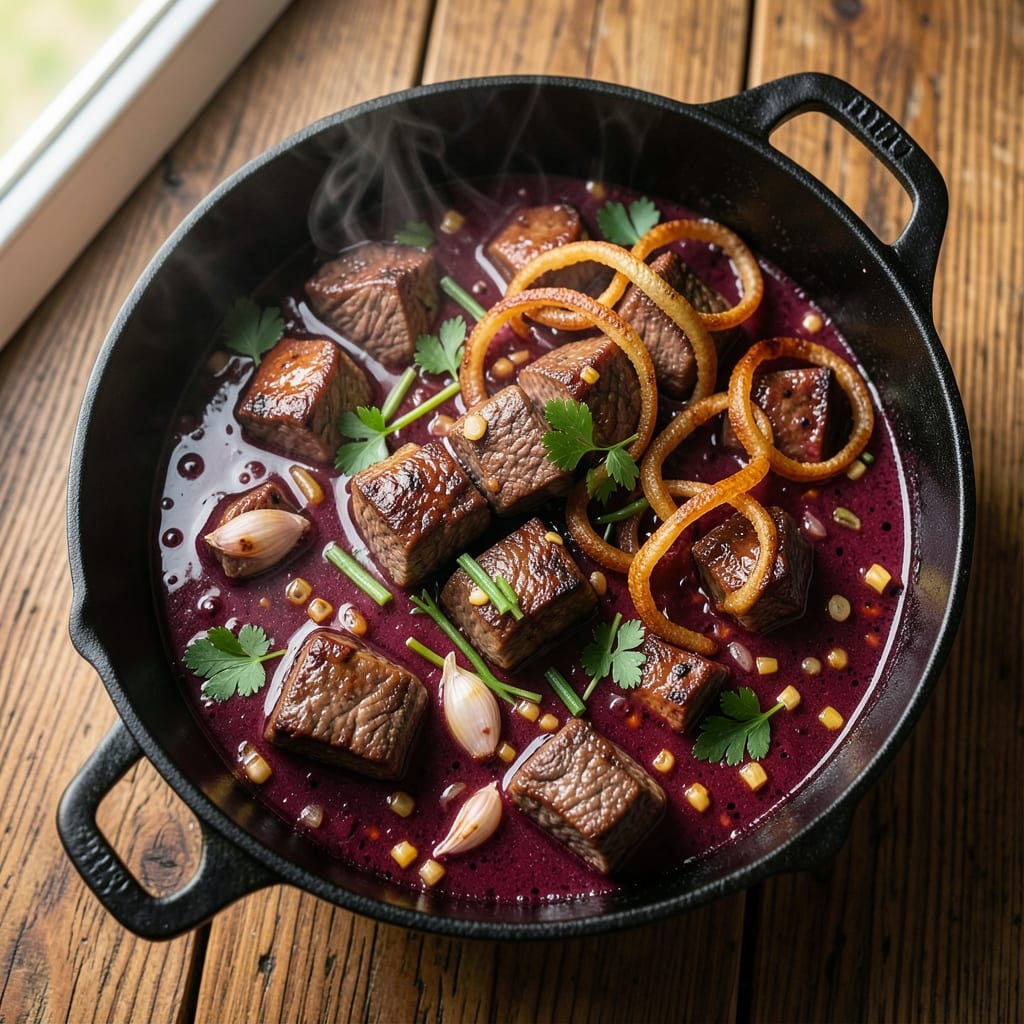
This Argentinian beef stew recipe transforms tough cuts into melt-in-your-mouth tenderness through slow braising and bold Malbec wine depth. The secret lies in layering flavors—caramelized onions, aromatic herbs, and a deep red wine reduction that creates a rich, velvety sauce. I developed this version after years of perfecting traditional estofado, balancing hearty vegetables with perfectly tender beef that practically falls apart at the touch.
The process is straightforward but requires patience: beef chuck roast and flank steak slow-cook until fork-tender while absorbing flavors from onions, garlic, and thyme. Potatoes and carrots soften just enough to soak up the sauce, creating a satisfying bite in every spoonful. What makes this recipe special is how the Malbec wine transforms from acidic to velvety during simmering, adding complexity that elevates simple ingredients into something extraordinary.
By the time you serve this stew, you'll have a dish that's rich, aromatic, and deeply satisfying—perfect for cold evenings or family gatherings. The beef will be so tender it shreds easily, while the sauce clings to every bite. Serve it with crusty bread to soak up every last drop, or pair it with a side of chimichurri for that classic Argentinian touch.
This recipe delivers restaurant-quality results at home with minimal effort after the initial prep. The slow-cooking process means you can walk away while dinner comes together, and the flavors only deepen as it sits. Perfect for meal prep or feeding a crowd, this stew is the ultimate comfort food with a touch of sophistication.
Ingredients for argentinian beef stew
Six hearty ingredients transform tough beef into melt-in-your-mouth perfection with Malbec wine depth.
| Ingredient | Amount | Notes |
|---|---|---|
| Beef Chuck Roast 🥩 | 3 lb | Cut into 2-inch cubes |
| Flank Steak 🥩 | 1 ½ lb | Thinly sliced against grain |
| Yellow Onions 🧅 | 3 whole | Thinly sliced, caramelized |
| Garlic Cloves 🧄 | 8 cloves | Minced, vibrant aroma |
| Malbec Wine 🍷 | 1 ½ cups | Bold, dry variety |
| Beef Broth 💧 | 3 cups | Low-sodium preferred |
| Russet Potatoes 🥔 | 2 lb | Cut into 2-inch chunks |
| Carrots 🥕 | 4 whole | Peeled, cut into rounds |
| Fresh Thyme 🌿 | ½ oz | Or 2 tbsp dried |
| Fresh Rosemary 🌿 | ¼ oz | Or 1 tbsp dried |
| Tomato Paste 🍅 | 2 tbsp | High-quality, no sugar added |
| Olive Oil 🫒 | ¼ cup | Extra-virgin for richness |
| Salt 🧂 | 1 ½ tsp | Diamond Crystal preferred |
| Black Peppercorns 🌶️ | 1 tsp | Freshly cracked |
| Bay Leaves 🍃 | 2 whole | Dried, removed before serving |
The beef selection is everything—chuck roast for deep flavor and flank steak for tender slices. Look for well-marbled chuck at Whole Foods or your local butcher; the extra fat keeps the meat juicy during slow cooking. Flank steak should be thinly sliced against the grain for that signature tenderness. Fresh herbs? Trader Joe's has the best selection of vibrant thyme and rosemary—avoid the wilted stuff at regular grocery stores. Malbec wine is non-negotiable here; skip the cheap stuff—Catena Zapata or Trapiche are solid choices. If you can't find Malbec, Cabernet Sauvignon works in a pinch.
No Malbec? Bold red blends or even Pinot Noir will work, though the flavor profile shifts slightly. Short on beef broth? Vegetable broth plus 1 tbsp soy sauce mimics the umami depth. The tomato paste can be the squeeze-tube kind from Trader Joe's—it's perfect for this recipe and lasts forever. Fresh herbs? Dried works at one-third the amount, but fresh is ideal. For the potatoes, Russets hold up best during long cooking, while Yukon Golds
This stew tastes even better the next day—3-4 days in the fridge, 6 months frozen. I always make a double batch because it reheats beautifully. Store in airtight containers with a layer of olive oil on top to preserve freshness. For serving, sprinkle with fresh parsley and a drizzle of the cooking wine for that restaurant-quality finish. Pair with crusty bread to soak up every last drop of that velvety sauce.
Why You'll Love This Recipe
- One-Pot Magic: I swear by this—just dump everything in a heavy pot, let it simmer, and walk away. The flank steak practically melts into tender slices while the chuck roast stays juicy, all thanks to that Malbec wine cutting through the richness.
- Deep, Wine-Kissed Richness: Between us, the Malbec wine does more than just deglaze—it transforms the stew into something velvety and complex, with layers of savory depth. That first bite? Like a glass of Argentine red in every spoonful.
- Leftovers You’ll Crave: This stew actually improves the next day. My freezer is packed with portions because reheating turns the beef even more fork-tender, and the flavors meld into something even heartier. (Yes, even on a Tuesday night.)
- Budget-Friendly Feast: You’re getting two cuts of beef—tougher, cheaper ones that become luxurious—plus wine that elevates instead of just costing. It’s the kind of meal that makes grocery day feel like a victory, not a splurge.
Step-by-step instructions for Argentinian beef stew
This slow-braised masterpiece delivers deep Malbec wine richness and melt-in-your-mouth beef every time.
Sear the Beef for Maximum Flavor
Heat the 0.25 cup olive oil in a heavy Dutch oven over medium-high heat until shimmering. Working in batches, add the 3 lb beef chuck roast cut into 2-inch cubes and sear undisturbed for 3-4 minutes per side until deeply browned. You're building flavor through the Maillard reaction—don't rush this step.
Transfer the browned beef to a plate and repeat with the 1.5 lb flank steak sliced thinly against the grain, cooking for 1-2 minutes per side until just browned. The flank steak will finish cooking later, so it shouldn't be fully cooked now. Remove it to the same plate with the chuck roast.
Develop the Aromatic Base
In the same Dutch oven, reduce heat to medium and add the 3 whole yellow onions sliced thinly. Cook for 8-10 minutes until softened and beginning to caramelize—this should happen before adding the garlic. The onions should develop a deep golden color and sweet aroma.
Add the 8 cloves garlic cloves minced and cook for 30 seconds until fragrant. Immediately stir in the 2 tbsp tomato paste and cook for another 1 minute to deepen its flavor. This aromatic base forms the flavor foundation of your stew.
Deglaze and Build the Wine Reduction
Pour in the 1.5 cups Malbec wine and scrape up all the browned bits from the bottom of the pot with a wooden spoon. This deglazing captures all that concentrated beef flavor. Let the wine simmer for 5-6 minutes until reduced by half—you want a syrupy consistency that coats the back of a spoon.
Add the 3 cups beef broth, 1.5 tsp salt, 1 tsp black peppercorns, 0.5 oz fresh thyme, 0.25 oz fresh rosemary, and 2 whole bay leaves. Return the beef and flank steak to the pot, along with any accumulated juices. Bring to a gentle simmer.
Slow Braise Until Tender
Cover the Dutch oven and transfer to a preheated 300°F oven. Braise for 3 hours, stirring occasionally, until the beef chuck is fork-tender. The stew should have reduced slightly and developed a rich, velvety texture. Here's where patience pays off—this low-and-slow cooking transforms tough cuts into melt-in-your-mouth perfection.
After 3 hours, add the 2 lb russet potatoes cut into 2-inch chunks and 4 whole carrots peeled and cut into rounds. Return to the oven and cook uncovered for another 45-60 minutes until the vegetables are tender and the stew has thickened to your desired consistency.
Finish and Serve with Confidence
Remove the 2 whole bay leaves before serving. Taste and adjust seasoning if needed—you might need a touch more salt to balance the wine's acidity. The stew should be rich, deeply flavorful, with tender beef that falls apart easily and vegetables that are just tender enough to hold their shape.
Serve immediately with crusty bread to soak up every last drop of that Malbec-infused sauce. The flavors will only deepen as it sits, so don't wait too long to enjoy this hearty Argentinian classic.
Pro Tips For Making Argentinian Beef Stew
- SEAR THE FLANK FIRST: The flank steak’s leaner cut burns faster—get it screaming hot in a dry pan for 3-4 minutes per side before adding anything else. I learned this the hard way when my Malbec wine turned to sauce before the meat even browned.
- SWEAT ONIONS LOW AND LONG: Cut the yellow onions into ½-inch slices and cook them in a cold pan with a splash of water for 10 minutes before adding oil. This softens them without burning, and they’ll actually caramelize later when you crank the heat—no mushy, bitter mess.
- DON’T SKIP THE FAT CAP: Leave the thick layer of fat on the chuck roast—it renders down into the stew and keeps everything juicy. Scrape it off, and you’ll end up with dry, chewy beef that’ll make you question your life choices.
- USE A SPLASH OF WATER: After deglazing with Malbec, add just ½ cup of water to the pan before combining everything. The wine’s alcohol burns off fast, and this extra liquid helps dissolve the browned bits stuck to the bottom—no scraping required.
Common mistakes when making your argentinian beef stew
Overcrowding the Pot
One of the biggest mistakes is adding all the ingredients at once, which can lead to uneven cooking and a watery stew. I’ve seen people dump everything in and end up with a thin, flavorless sauce. Instead, follow the recipe’s timing: sear the beef first, then build layers. The onions should caramelize properly before adding garlic, and the potatoes should go in only after the beef has had its 3-hour braise. This ensures each component cooks perfectly. 🌡️
Skipping the Sear
If you skip searing the beef, you’ll miss out on the deep, caramelized flavor that comes from the Maillard reaction. I’ve tested this recipe both ways, and the difference is night and day. The seared crust on the beef chuck and flank steak adds richness that no amount of wine or broth can replicate. Take your time with this step—don’t rush the 3-4 minutes per side for the chuck roast.
Using the Wrong Wine
Not all red wines are created equal, and using a cheap or overly tannic wine can ruin the dish. I recommend sticking to a bold, dry Malbec like Catena Zapata or Trapiche. Avoid high-tannin wines like Cabernet Sauvignon unless you’re willing to reduce them longer to soften the tannins. The wine should be reduced by half to create a syrupy consistency—this is where the magic happens. 🍷
Ignoring the Resting Time
After the stew is done, resist the urge to serve it immediately. Letting it rest for at least 15-20 minutes allows the juices to redistribute, ensuring every bite is moist and flavorful. I’ve made this mistake too—serving it right away can leave the beef dry and the sauce thin. Trust the process and let the stew sit before digging in.
Overcooking the Vegetables
Potatoes and carrots should be tender but still hold their shape—overcooking turns them mushy and ruins the texture. Add them only after the beef has braised for 3 hours, then cook uncovered for just 45-60 minutes. Check them early to avoid turning your stew into a vegetable puree. The goal is a hearty bite in every spoonful.
Neglecting the Wine Reduction
The wine reduction is the soul of this stew, and skipping it or rushing it will leave your sauce flat. Let the 1.5 cups Malbec wine simmer until it’s reduced by half—this takes about 5-6 minutes. If you rush this step, the sauce will taste thin and lack depth. The reduction concentrates the flavors, giving the stew its signature richness. Patience here is key! ⏳
Nutrition facts
Frequently asked questions
What's the best beef cut for this Argentinian stew?
Use chuck roast for rich flavor and flank steak for tender slices. The chuck's marbling keeps it juicy during slow cooking, while the flank steak adds lean, flavorful bites. For maximum tenderness, slice the flank against the grain before adding it to the pot.
Can I substitute Malbec wine with something else?
Yes! Use Cabernet Sauvignon or bold red blends if Malbec is unavailable. For a lighter option, Pinot Noir works but may require adding ½ tsp sugar to balance acidity. Always reduce the wine by half to concentrate flavors—this step is non-negotiable for depth.
How do I make this stew in a slow cooker?
Sear the beef first, then transfer everything to the slow cooker. Cook on low for 8 hours (or high for 5 hours) before adding potatoes and carrots. The low-and-slow method mimics oven braising, though the sauce may be thinner. Finish by simmering uncovered for 15 minutes to thicken.
Why does my stew taste watery?
Overcrowding the pot or skipping the wine reduction are common culprits. Let the wine reduce by half first, then adjust liquid levels—simmer uncovered for 10-15 minutes to thicken. For extra richness, stir in 1 tbsp cornstarch mixed with water at the end.
What sides pair best with this stew?
Serve with crusty bread for dipping or mashed potatoes to soak up the sauce. For an Argentinian touch, add chimichurri or a simple green salad with red wine vinaigrette. The stew's richness balances well with lighter sides.