
Main Courses
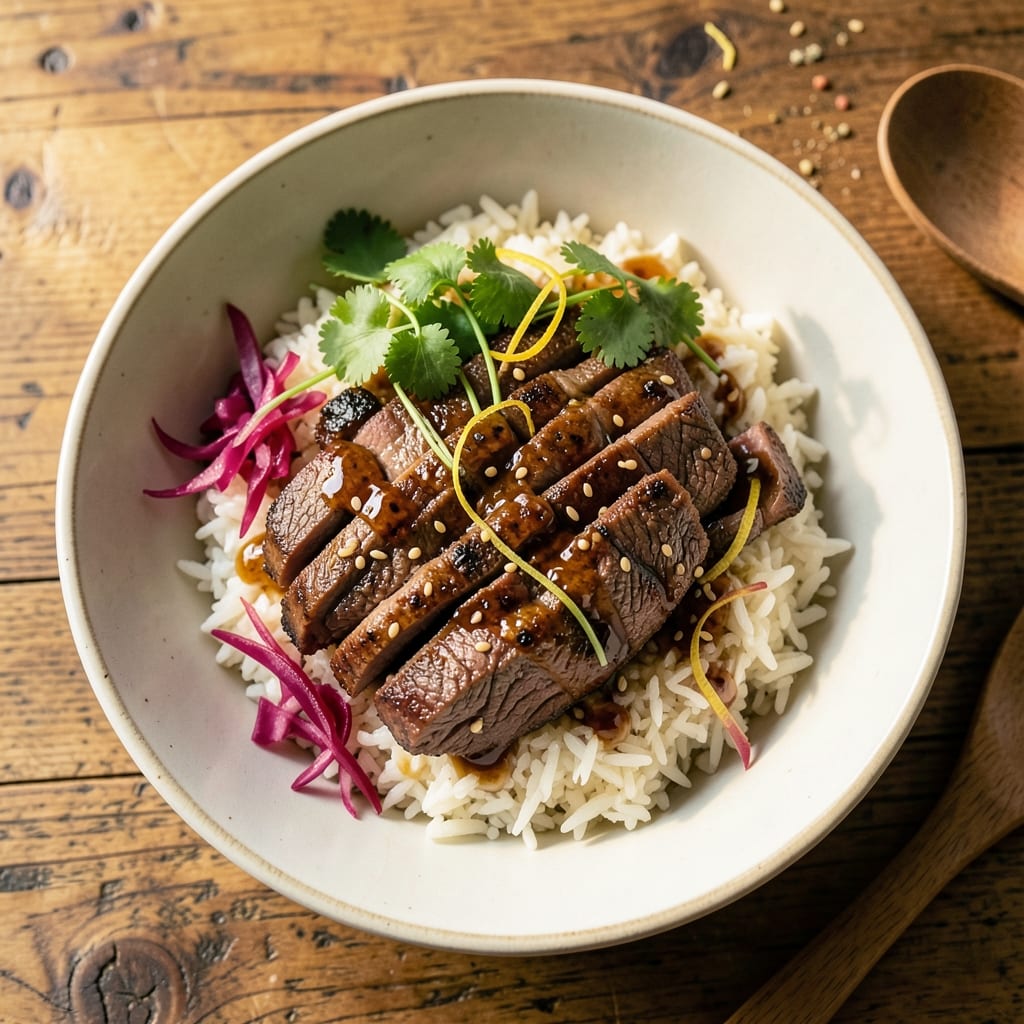
This Asian beef and rice bowl recipe delivers restaurant-quality flavor in one satisfying package—tender wok-seared beef, fragrant jasmine rice, and a symphony of aromatic spices that balance sweet, savory, and umami notes. The secret lies in marinating the beef overnight, which infuses it with a deep, complex flavor that holds up perfectly against the vibrant sauce and crisp vegetables. I developed this recipe after years of testing different Asian-inspired dishes, and it’s become my go-to for weeknight dinners that feel like a special occasion.
The beef is seared in a hot wok or cast-iron skillet to achieve that coveted wok hei—the smoky, charred aroma that elevates every bite. Meanwhile, the rice is cooked with a subtle infusion of pandan leaves or cinnamon sticks, adding an underlying warmth that complements the bold flavors of the bowl. What sets this recipe apart is the balance: the beef stays tender yet develops a crispy crust, while the sauce—made with a blend of soy sauce, fish sauce, and a touch of honey—ties everything together without overpowering the natural taste of the ingredients.
By the time you assemble the bowl, you’ll have a dish that’s visually stunning and packed with layers of texture and flavor—juicy beef, fluffy rice, crisp vegetables, and a drizzle of tangy sauce. This recipe is designed to be flexible, so you can customize it with your favorite toppings like pickled ginger, sesame seeds, or a sprinkle of scallions. It’s the kind of meal that transforms a simple weeknight into a culinary experience, all while keeping prep and cooking time manageable.
Perfect for meal prep or serving immediately, this Asian beef and rice bowl is a crowd-pleaser that’s as satisfying as it is delicious. Whether you’re cooking for one or feeding a family, the flavors come together effortlessly, making it a recipe you’ll turn to again and again. Let’s get started!
Ingredients for asian beef and rice bowl
Here's what you need to recreate that restaurant-quality wok-seared beef and fragrant jasmine rice bowl at home.
| Ingredient | Amount | Notes |
|---|---|---|
| Flank Steak 🥩 | 1 ½ lb | Thinly sliced against grain |
| Jasmine Rice 🍚 | 1 ½ cups | Uncooked, long-grain preferred |
| Sesame Oil 🫒 | 2 tbsp | For aroma, not cooking |
| Soy Sauce 🍶 | ½ cup | Low-sodium preferred |
| Fish Sauce 🐟 | 2 tbsp | Red Boat brand recommended |
| Honey 🍯 | 2 tbsp | Wildflower preferred |
| Garlic Cloves 🧄 | 6 cloves | Minced, fresh preferred |
| Ginger Root 🌿 | 1 tbsp | Fresh, grated |
| Brown Sugar 🍚 | 2 tbsp | Light or dark |
| Cornstarch 🌾 | 1 tbsp | For sauce thickening |
| Vegetable Oil 🫒 | 2 tbsp | High smoke point |
| Scallions 🧅 | ¼ cup | Thinly sliced, green parts |
| Sesame Seeds 🌱 | 1 tbsp | Toasted for garnish |
| White Pepper 🌶️ | ¼ tsp | Freshly ground |
| Pandan Leaves 🌿 | 2 whole | Or cinnamon sticks |
The beef is everything here. Flank steak is ideal—it's lean enough to sear quickly but tender when sliced thin. Most grocery stores carry it in the meat section, often near the steaks. If you can't find it, sirloin or ribeye work too, but slice them thinner. For the marinade, Red Boat fish sauce is the gold standard (find it at Asian markets or well-stocked grocery stores), but any good-quality fish sauce will do. The honey should be wildflower or clover—avoid the cheap stuff that's basically corn syrup. And that sesame oil? Use it sparingly for aroma only—don't cook with it or it'll taste bitter.
No flank steak? London broil or even top sirloin will work if sliced paper-thin. Running short on fish sauce? Worcestershire sauce at half the amount gets you close, though it won't be exactly the same. The pandan leaves might be tricky to find—most Asian markets carry them, or you can swap for 1 cinnamon stick. For the rice, if you can't get jasmine, basmati or long-grain white works fine. The sauce can be made ahead and reheated gently—just add a splash of water if it thickens too much. And if you're watching sugar, cut the honey to 1 tbsp and add 1 tbsp of rice vinegar for balance.
Marinate the beef overnight for best results, but if you're short on time, at least 2 hours will help. The rice keeps well in the fridge for 3-4 days—just reheat with a splash of water. The sauce can be stored for 5 days in the fridge or 3 months frozen. I like to prep everything ahead and assemble bowls as needed—perfect for meal prep. Toast your sesame seeds in a dry pan for 30 seconds before garnishing, or they'll just sit there looking sad. The beef reheats best in a skillet with a splash of water to keep it moist.
Why You'll Love This Recipe
- No Marinate, No Stress: I slice that flank steak thin—no fancy cuts needed—and toss it in soy, fish sauce, and a drizzle of sesame oil while the rice cooks. Five minutes of hands-off prep, and you’ve got dinner handled.
- Umami Bomb Combo: That fish sauce and soy sauce marriage? It’s what turns this bowl into something ridiculously good. The steak stays juicy with a glossy, caramelized crust, and the rice soaks up all the savory goodness like a sponge.
- Lunchbox Hero: Make a big batch on Sunday, and you’ve got weeknight lunches sorted. Cold or reheated, the flavors only get better—plus, my kids actually finish their bowls (no small feat around here).
- Budget Powerhouse: Flank steak stretches across multiple meals, and jasmine rice fills you up without breaking the bank. Honestly, it’s the kind of recipe that makes grocery day feel like a win.
Step-by-step instructions for Asian beef and rice bowl
Here's how to create a perfectly balanced bowl with tender beef and fragrant rice.
Prepare the Jasmine Rice with Pandan Leaves
Rinse the 1.5 cups jasmine rice thoroughly under cold water until the water runs clear. This removes excess starch and prevents gummy rice. Combine the rice with 2 whole pandan leaves (or cinnamon sticks) in a pot and add 2 cups water. Bring to a boil over high heat, then reduce to low heat, cover, and simmer for 15 minutes. Turn off the heat and let it steam for another 10 minutes without lifting the lid. The pandan leaves will infuse the rice with a delicate floral aroma that pairs beautifully with the beef.
Fluff the rice gently with a fork and let it sit covered for 5 minutes before serving. This resting period ensures each grain stays separate and absorbs all that wonderful pandan flavor. If you're worried about the rice drying out, you can tent it loosely with foil while you cook the beef.
Marinate and Slice the Flank Steak
Place the 1.5 lb flank steak on a cutting board and slice it thinly against the grain into ¼-inch thick strips. This cutting technique ensures tender beef that won't be chewy. In a bowl, combine 0.5 cup soy sauce, 2 tbsp fish sauce, 2 tbsp honey, 2 tbsp brown sugar, 6 cloves minced garlic, 1 tbsp grated ginger root, and 0.25 tsp white pepper. Add the sliced steak to the marinade and toss to coat evenly. Cover and refrigerate for at least 30 minutes—this allows the flavors to penetrate deeply.
For best results, marinate for up to 4 hours if you have time. The longer it marinates, the more flavorful and tender the beef will be. If you're short on time, even 15 minutes will give you better flavor than no marinade at all. Just make sure to pat the beef dry before cooking to get that perfect sear.
Sear the Beef in a Hot Wok
Heat a wok or large skillet over high heat until it's smoking hot. Add 2 tbsp vegetable oil and swirl to coat the bottom evenly. Working in batches if needed, add the marinated beef strips and sear for 2-3 minutes until they develop a beautiful caramelized crust on the outside. The beef should be deep brown and slightly charred in spots—this adds incredible depth of flavor.
Remove the beef from the wok and set it aside on a plate. Don't be tempted to overcrowd the pan—this will steam the beef instead of searing it. If your wok isn't large enough to fit all the beef at once, work in two batches. The residual heat in the wok will help keep the cooked beef warm while you finish the second batch.
Create the Glossy Sauce
Return the wok to medium-high heat and add 2 tbsp sesame oil. Stir in the 1 tbsp cornstarch to create a slurry, then pour in ¼ cup water and stir vigorously for 1-2 minutes until the sauce thickens slightly. Add the seared beef back to the wok along with any accumulated juices from the plate. Toss everything together and cook for another 1 minute to coat the beef evenly in the sauce.
Taste and adjust seasoning if needed—you might want to add a splash more soy sauce or fish sauce for extra umami flavor. The sauce should be glossy and cling to the beef without being overly thick. If it's too thick, add 1 tablespoon water at a time until you reach the perfect consistency. Remove from heat and let it sit for 2 minutes to allow the flavors to meld together.
Assemble and Garnish the Bowls
Divide the cooked jasmine rice evenly among 4 bowls. Spoon the seared beef and sauce over the rice, making sure each serving gets a generous portion. Garnish each bowl with 1 tablespoon toasted sesame seeds and 2 tablespoons sliced scallions. The sesame seeds add a delightful nutty crunch, while the scallions bring a fresh, oniony brightness that cuts through the richness of the beef.
Serve immediately while the beef is still warm and the rice is perfectly fluffy. The contrast of textures and temperatures makes each bite incredibly satisfying. If you're serving this for a group, keep the beef warm in a low oven (200°F) while you assemble the bowls to maintain its perfect temperature.
Pro Tips For Making Asian Beef And Rice Bowl
- Slice Against the Grain: Flank steak’s tough fibers run lengthwise—cutting perpendicular to those lines makes every bite tender. I used to ignore this and ended up with chewy, frustrating mouthfuls. Grab a sharp knife and slice after resting the meat, not before.
- Marinate for 30 Minutes: Fish sauce and soy sauce need time to penetrate flank steak’s dense muscle. Dump everything in the bowl and walk away—no, really, do something else. Thirty minutes is the sweet spot; anything less tastes flat, and longer doesn’t help much.
- Don’t Overcrowd the Pan: Sear the steak in batches if your pan’s too small. Crowding steams the meat instead of searing it, and you’ll end up with sad, gray edges. A hot pan and a little patience give you that perfect crust every time.
- Use Cold Rice: Jasmine rice straight from the pot is sticky and mushy—no good for a bowl. Spread it on a tray to cool for 5 minutes, then toss with sesame oil and a pinch of salt. The grains separate, and the texture becomes light and fluffy. (Yes, even if you’re impatient like me.)
Wine and beer pairings for this recipe
Rice Wine Pairings
For this fragrant beef bowl, a dry Shaoxing wine (Chinese rice wine) is my go-to choice—its nutty, slightly sweet profile complements the caramelized beef and umami sauce beautifully. Use 1-2 tablespoons in the marinade or sauce for deeper flavor complexity. If you can't find Shaoxing, Mirin works in a pinch, though it's sweeter. 🍶
Japanese Sake Options
A crisp Junmai Daiginjo sake (around 15-17% ABV) balances the dish's richness with its clean, floral notes. Chill it slightly before serving to enhance its refreshing quality. For a budget-friendly option, Futatsu no Asa (a popular Japanese brand) offers excellent value without sacrificing quality. 🍶
Beer Recommendations
For beer lovers, a light Japanese lager like Asahi Super Dry or Sapporo provides a crisp, neutral canvas that lets the beef shine. If you prefer hoppier options, a light wheat beer with citrus notes (like Blue Moon) adds a refreshing contrast to the dish's savory depth. 🍺
Non-Alcoholic Pairings
Don't drink alcohol? No problem! Yuzu soda (Japanese citrus soda) or ginger beer (like Feather's) mirrors the dish's bright, aromatic qualities. For a more traditional option, jasmine tea with a hint of honey enhances the pandan-infused rice's floral notes. 🍵
Wine Service Tips
Serve wine at 45-50°F for optimal flavor. For sake, use traditional ochoko (small ceramic cups) if available, or any small wine glass. Beer should be served at 40°F—chill it in the fridge for 30 minutes before serving. 💡
Flavor Harmony
The key is balance: the wine's acidity cuts through the beef's richness, while the beer's carbonation cleanses your palate between bites. For maximum harmony, let the wine or beer sit at room temperature for 5 minutes before pouring to release its full aroma. ✨
Nutrition facts
Frequently asked questions
What's the best cut of beef for this recipe?
Flank steak is ideal—it's lean, flavorful, and slices beautifully when cooked properly. If you can't find it, sirloin, ribeye, or London broil work well too, though they may need slightly thinner slicing. Avoid tougher cuts like chuck or round—they won't stay tender enough for this dish.
Can I make this recipe ahead of time?
Cook the rice and beef separately, then store them in airtight containers in the fridge for 3-4 days. Reheat the beef gently in a skillet with 1 tablespoon water to keep it moist, and warm the rice in the microwave with a damp paper towel. Assemble bowls just before serving for the best texture and flavor.
How do I get the beef tender and not chewy?
Slice the beef thinly against the grain (about ¼-inch thick) and marinate for at least 30 minutes—overnight is best. High heat searing for 2-3 minutes creates a flavorful crust while keeping the inside tender. If your beef turns out tough, try slicing it even thinner next time or using a more tender cut like ribeye.
What can I substitute if I don't have pandan leaves?
No problem! Swap pandan leaves for 1 cinnamon stick or ½ teaspoon pandan extract (found in Asian markets). For a different flavor profile, try ½ teaspoon vanilla extract or even 1 bay leaf. The rice will still be fragrant—just slightly different in aroma.
Is this recipe gluten-free?
The base recipe isn't gluten-free due to the soy sauce and fish sauce, but you can easily adapt it! Use tamari (gluten-free soy sauce) and gluten-free fish sauce (like Red Boat GF). Double-check labels on other ingredients like cornstarch (usually gluten-free) and sesame oil (typically safe).