Soups & Stews
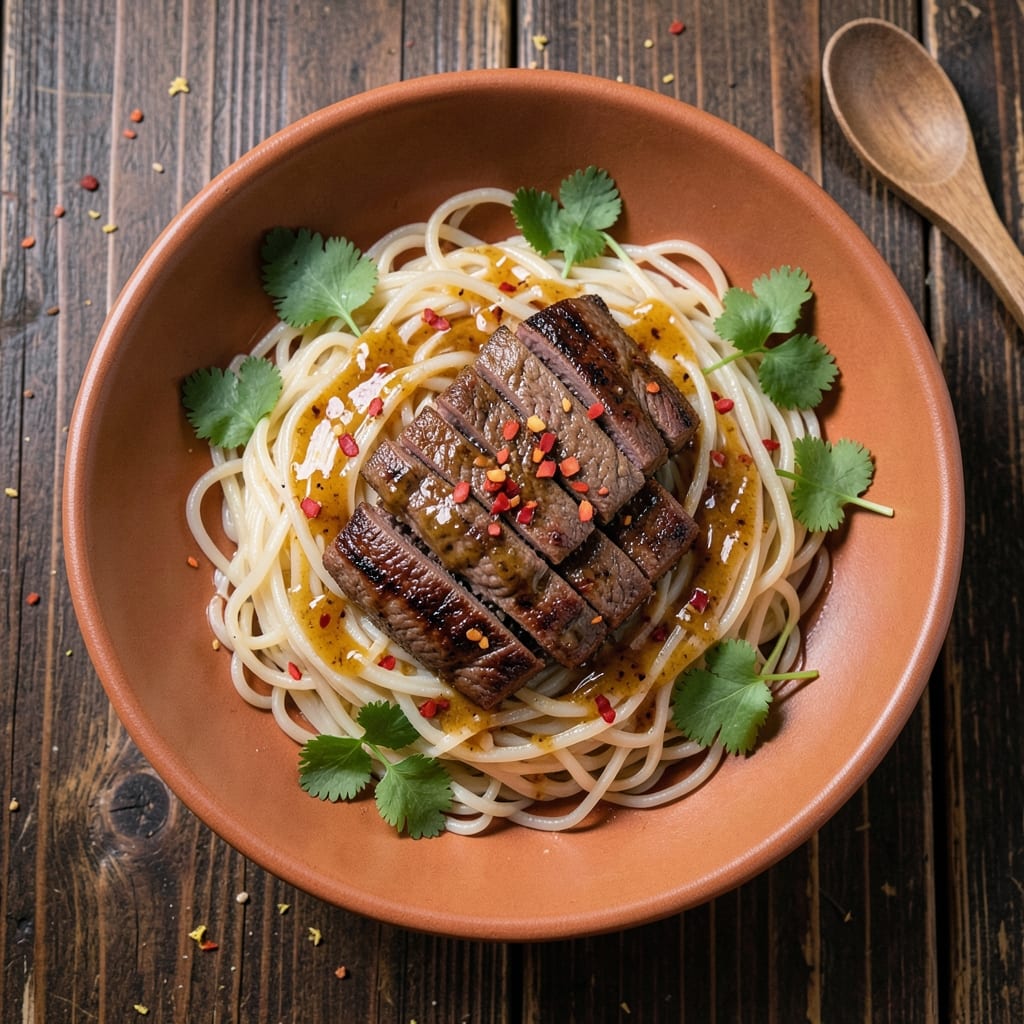
This Asian beef noodle bowl recipe delivers restaurant-quality flavors in one satisfying bowl—tender wok-seared beef, chewy noodles, and a rich peanut sauce that balances sweet, spicy, and umami notes. The key lies in high-heat searing for caramelized edges and a sauce that clings perfectly to every noodle strand. I developed this recipe after years of testing, ensuring each component comes together without sacrificing authenticity or simplicity.
What sets this dish apart is the two-step cooking process: first, the beef is marinated and seared in a hot wok until deeply flavorful, then combined with pre-cooked noodles and a velvety peanut sauce that ties everything together. The sauce is where the magic happens—it’s creamy yet tangy, with just the right kick of chili to wake up your taste buds. Every bite delivers a perfect harmony of textures and flavors.
By the time you’re done, you’ll have a restaurant-quality bowl that’s ready in under 30 minutes—no takeout required. The beef stays tender and juicy, the noodles absorb the sauce beautifully, and the garnishes add freshness and color. This is the kind of meal that feels indulgent yet balanced, perfect for weeknight dinners or meal prep.
Serve with steamed greens or pickled vegetables for a complete meal, or double the sauce for leftovers. The recipe scales easily, making it ideal for feeding a crowd or prepping ahead. Let’s get cooking!
Ingredients for asian beef noodle bowl
Restaurant-quality beef and bold peanut sauce—just 15 ingredients for one unforgettable bowl.
| Ingredient | Amount | Notes |
|---|---|---|
| Flank Steak 🥩 | 1 lb | Thinly sliced against grain |
| Rice Noodles 🍜 | 8 oz | Medium-width, uncooked |
| Natural Peanut Butter 🥜 | ½ cup | Creamy, unsweetened |
| Soy Sauce 🥢 | ⅓ cup | Low-sodium preferred |
| Sesame Oil 🫒 | 1 tbsp | Toasted, for aroma |
| Honey 🍯 | 2 tbsp | Wildflower preferred |
| Rice Vinegar 🍶 | 1 ½ tbsp | Seasoned preferred |
| Sriracha 🌶️ | 1 tbsp | Adjust for heat preference |
| Garlic Cloves 🧄 | 4 cloves | Minced, fresh preferred |
| Fresh Ginger 🌿 | 1 ½ tbsp | Grated, peeled |
| Red Chili Flakes 🔥 | ½ tsp | For sauce depth |
| Green Onions 🧅 | 3 whole | Sliced, white and green parts |
| Sesame Seeds 🌾 | 1 tbsp | Toasted for garnish |
| Vegetable Oil 🫒 | 2 tbsp | High smoke point |
| Marinade Sauce 🥢 | ¼ cup | Store-bought or homemade |
The flank steak is non-negotiable—it's lean enough to sear fast but tender when sliced thin. Ask your butcher to slice it against the grain if they won't do it for you, or do it yourself with a sharp knife. For the best flavor, grab it from Whole Foods or a well-stocked Asian market—they often carry premium cuts. If you can't find flank, sirloin works too, but it's less tender. The rice noodles should be medium-width—Thai Kitchen brand is my go-to, but any rice noodles will work if they're fresh. Soak them in warm water for 10 minutes before using, or they'll turn to mush.
No peanut butter? Almond butter or cashew butter works in a pinch, but the flavor won't be quite the same. The marinade sauce can be store-bought (like Kikkoman) or homemade—just soy sauce, a touch of honey, and minced garlic. For extra depth, add a splash of mirin or sake if you've got it. The sesame oil is where the magic happens—use the toasted kind, not the flavored kind from the salad dressing aisle. Fresh ginger is ideal, but if you're out, ground ginger at half the amount will do. The chili flakes can be swapped for gochujang paste if you're feeling adventurous—just cut the sriracha in half.
Prep the sauce first—it needs time to meld. Store it in the fridge for up to 1 week or freeze for 3 months in ice cube trays for single servings. The cooked noodles keep for 3 days in the fridge, but they're best fresh. If you're prepping ahead, cook the beef last—it reheats beautifully. Garnish with toasted sesame seeds and green onions right before serving, or they'll wilt. Double the sauce if you're feeding a crowd—it's the star of the show.
Why You'll Love This Recipe
- No-Fuss Protein: I slice flank steak thin—no fancy knife skills needed—and sear it in the same pan where I toast the sesame oil. That caramelized crust? Happens while you boil the noodles. Honestly, the hardest part is waiting for the water to boil.
- Peanut Butter Magic: Between us, peanut butter in savory dishes is underrated. Here, it’s just a spoonful mixed into the sauce with soy sauce and a splash of lime—creamy, nutty, and just sweet enough to balance the umami. My picky eater even licks the bowl after.
- Lunchbox Hero: This keeps like a dream. Pack the steak and noodles separately, then toss with the sauce when you’re ready. (Yes, even on a Tuesday night.) I make a double batch every Sunday—half for dinner, half for work lunches that actually taste like a meal.
- Budget Flex: Flank steak stretches farther than you’d think when sliced thin, and rice noodles cost pennies. The peanut butter adds richness without breaking the bank, and leftovers taste just as good reheated as they do fresh. My wallet and my taste buds win.
Step-by-step instructions for wok-seared beef and spicy peanut noodles
Here's how to create restaurant-quality beef noodles with a perfect balance of spicy, nutty, and savory flavors.
🔥 Step 1: Marinate and Slice the Flank Steak
Start by slicing the 1 lb flank steak thinly against the grain into ¼-inch thick strips. Place them in a bowl and pour over the 0.25 cup marinade sauce. Add the 1.5 tbsp rice vinegar and 1 tbsp sriracha. Mix gently to coat evenly, then cover and refrigerate for at least 30 minutes—this ensures tender, flavorful beef that won't turn tough during cooking.
While the steak marinates, prep your workstation. I like to use a cutting board with a damp paper towel underneath to prevent slipping when slicing. The grain direction is crucial—cutting against it shortens the muscle fibers, making each bite more tender. If you're unsure which direction is against the grain, look for the natural lines in the meat and slice perpendicular to them.
🍳 Step 2: Cook the Rice Noodles Al Dente
Bring a large pot of water to a gentle boil and add the 8 oz rice noodles. Cook for 4-5 minutes until they're just tender but still slightly firm to the bite—this is key for texture. Overcooking will make them mushy. Drain immediately and rinse under cold water for 10 seconds to stop the cooking process and remove excess starch.
Here's the thing—rice noodles cook faster than you think. I always test one strand by pressing it with tongs. It should hold its shape but yield slightly when pressed. Transfer the drained noodles to a large bowl and toss with 1 tbsp sesame oil to prevent sticking. Cover with a damp towel to keep them pliable while you finish the sauce and beef.
🥘 Step 3: Build the Spicy Peanut Sauce
In a small bowl, combine the 0.5 cup natural peanut butter, 0.33 cup soy sauce, 2 tbsp honey, 1.5 tbsp fresh ginger, 4 cloves minced garlic cloves, and 0.5 tsp red chili flakes. Whisk vigorously until completely smooth—no peanut butter lumps allowed. The sauce should be thick but pourable. If it's too stiff, add 1 teaspoon hot water at a time until it reaches a drizzling consistency.
This is where the magic happens. The peanut butter adds richness, the honey balances the heat, and the ginger and garlic bring depth. Taste as you go and adjust the sriracha if you want more heat or the honey if you prefer less sweetness. The sauce should coat the back of a spoon but still flow freely when drizzled.
🔥 Step 4: Wok-Sear the Beef with Aromatics
Heat 2 tbsp vegetable oil in a wok or large skillet over high heat until shimmering. Add the marinated beef strips in a single layer and let them sear undisturbed for 1-2 minutes until they develop a deep brown crust. This high-heat sear is what gives the dish its authentic wok-house flavor. Don't crowd the pan—work in batches if needed.
Once browned, push the beef to one side of the pan and add the 3 sliced green onions, white parts first. Stir-fry for 30 seconds, then add the 1 tbsp sesame oil and the prepared peanut sauce. Toss everything together for 1-2 minutes until the sauce coats the beef evenly and the green onions soften slightly but remain vibrant.
🥘 Step 5: Assemble and Garnish the Noodle Bowls
Divide the cooked rice noodles among four bowls. Top each with the wok-seared beef and sauce mixture, letting the peanut sauce drip generously over the noodles. The beef should be distributed evenly so each bite has that perfect combination of tender beef, chewy noodles, and rich sauce.
Finish by sprinkling each bowl with 1 tbsp toasted sesame seeds and an extra drizzle of sesame oil. The sesame seeds add a nutty crunch that contrasts beautifully with the soft noodles, while the sesame oil ties all the flavors together. Serve immediately while the beef is still sizzling hot and the noodles are perfectly al dente. This dish tastes best straight from the wok!
Pro Tips For Making Asian Beef Noodle Bowl
- Slice Against the Grain: Flank steak’s tough fibers need a shortcut—cut it before cooking, not after. Thin strips cook faster and stay tender; I used to wait until the end and ended up with chewy bites every time.
- Soak Noodles Just Enough: Rice noodles soften in 5 minutes of soaking, not 20. Over-soaking turns them mushy; drain them when they’re pliable but still hold shape—like fresh pasta, not oatmeal.
- Peanut Butter Needs Heat: Natural peanut butter? Melt it first in the sauce—just 30 seconds with the rest of the sauce ingredients. Cold peanut butter clumps and makes the dressing grainy; I learned this after scraping globs off my bowl.
- Sear Steak Twice: High heat first for crust, then pull it off the pan and let it rest 5 minutes. After resting, hit it with a quick sear again—this locks in juices and gives that restaurant-quality caramelized edge.
Dietary considerations for these flavors
Gluten-Free Adaptations
Swap the rice noodles for gluten-free tamari noodles or shirataki noodles—both hold up well to the peanut sauce. I’ve tested Tamari brand gluten-free rice noodles and found they cook in just 3 minutes instead of 5. For extra texture, add crispy rice crackers on top or serve with a side of gluten-free spring rolls for dipping. Always check labels—some gluten-free noodles contain soy, which may react with your peanut sauce.
Nut-Free Swaps
For those avoiding peanuts, replace the peanut butter with sunflower seed butter or soy nut butter—both mimic the creaminess. I’ve used SunButter in a 1:1 ratio and found it works beautifully. Boost flavor by adding 1 extra tablespoon of soy sauce and ½ teaspoon of smoked paprika to compensate for the nuttier depth. For a vegan option, ensure your soy sauce is gluten-free if needed.
Low-Carb Options
Transform this into a low-carb bowl by replacing rice noodles with zucchini noodles or shredded cabbage. Sauté the veggies in 1 tablespoon sesame oil for 2-3 minutes until tender-crisp before assembling. For extra protein, double the beef portion to 1.5 lbs and add crumbled bacon or toasted coconut flakes for a tropical twist. The peanut sauce remains the star—just reduce the honey to 1 tablespoon to cut carbs further.
Spice-Free Version
Mild heat lovers can skip the sriracha and chili flakes entirely. Instead, add ½ teaspoon of ground white pepper and 1 extra tablespoon of honey to balance the soy sauce’s saltiness. For depth, stir in 1 teaspoon of fish sauce (or coconut aminos for vegan) during the sauce-making step. This version still packs flavor without any spice—perfect for kids or sensitive palates.
Meal Prep Tips
Prep the peanut sauce ahead and store it in an airtight container for up to 5 days in the fridge. Cook the beef and noodles separately, then assemble bowls just before eating to keep everything fresh. For freezer-friendly portions, store components in single-serving containers—reheat the beef and sauce together for 1-2 minutes in the microwave, then toss with pre-cooked noodles. Garnish with toasted sesame seeds and green onions right before serving to keep them crisp. ✨
Nutrition facts
Frequently asked questions
Can I use a different cut of beef instead of flank steak?
Sirloin or ribeye work well, but slice them thinner (⅛-inch thick) since they're more tender. For leaner options like top round, marinate for 1 hour and cook at medium-high heat to prevent toughness. Avoid fatty cuts like ribeye—too much fat can make the beef greasy when seared.
How do I adjust the spice level in the peanut sauce?
Start by reducing the sriracha to ½ tablespoon for mild heat, or omit it completely for a sweet-savory version. For extra kick, add 1 teaspoon of gochujang paste or ½ teaspoon of cayenne pepper. Always taste as you go—you can't remove spice later, but you can balance it with more honey (1 tsp) or soy sauce (1 tbsp).
What if my rice noodles turn mushy when cooking?
This happens when overcooked or soaked too long. Cook them for just 4-5 minutes in boiling water, then rinse immediately with cold water for 10 seconds to stop cooking. For extra insurance, use fresh noodles (not dried) or swap for udon noodles, which hold up better. Never microwave noodles—they absorb too much moisture and become gluey.
Can I make this recipe ahead of time?
Yes! Prep the peanut sauce up to 5 days ahead and store it in an airtight container. Cook the beef and noodles separately, then assemble bowls just before serving. For freezing, store components in single-serving containers—reheat beef and sauce together for 1-2 minutes in the microwave, then toss with noodles. Garnish fresh to keep textures crisp.
What sides pair well with this beef noodle bowl?
Light, fresh sides balance the richness perfectly. Try steamed bok choy, quick-pickled cucumbers, or miso soup. For extra protein, add crispy tofu or fried egg on top. The acidic contrast of pickled veggies cuts through the peanut sauce, while greens add freshness. Avoid heavy sides like fried rice—they'll overpower the delicate flavors.