Salads
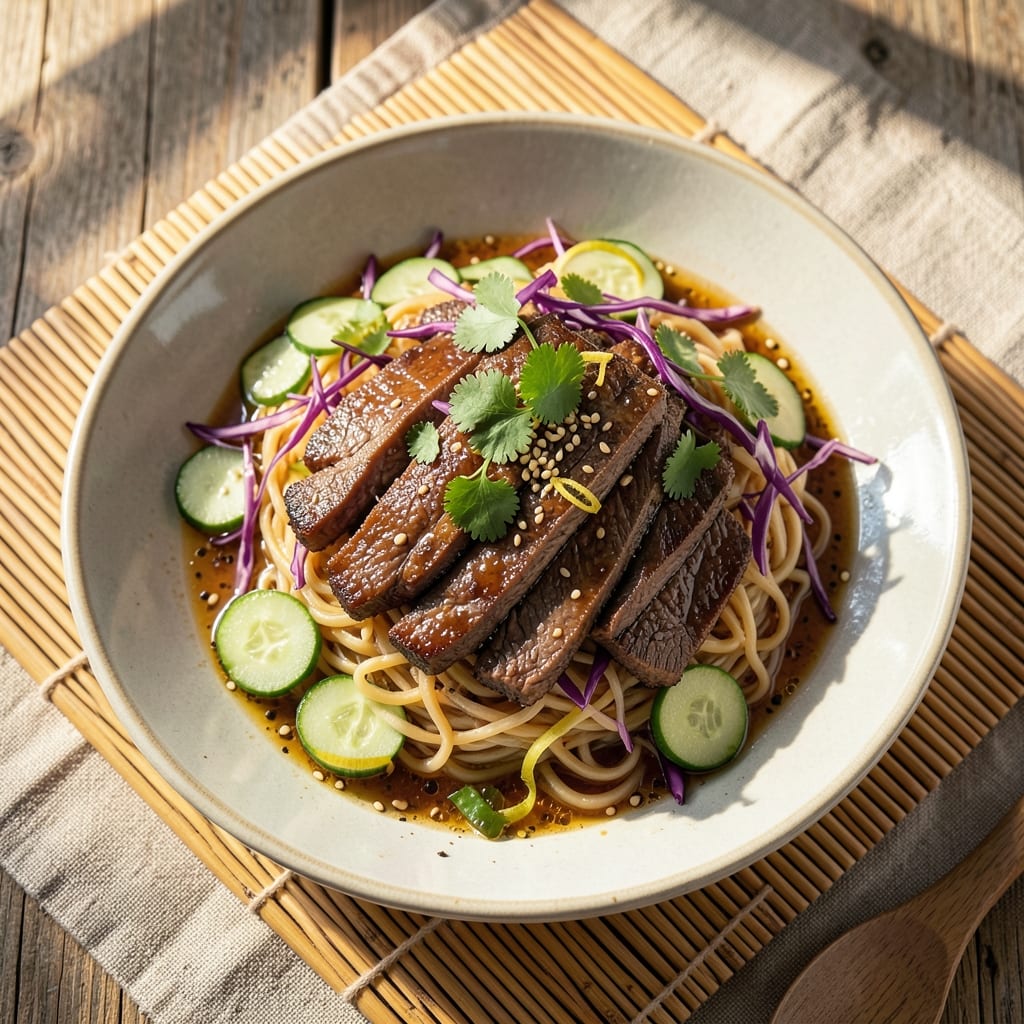
This Asian beef noodle salad recipe delivers the perfect balance of crisp-tender beef, chewy noodles, and a tangy peanut dressing that brings all the flavors together. The secret lies in marinating the beef with a mix of soy sauce, rice vinegar, and ginger, followed by a quick stir-fry for that signature wok-hei flavor. I've perfected this dish over years of testing, ensuring every bite is packed with texture and depth.
The foundation of this salad starts with thinly sliced flank steak, marinated and cooked just until it reaches that ideal crisp-tender texture. Meanwhile, rice noodles soak up the tangy peanut dressing, which combines creamy peanut butter, lime juice, and a touch of chili for a bright, slightly spicy kick. The combination of textures—crisp beef, chewy noodles, and crunchy vegetables—makes this salad a standout dish.
What sets this recipe apart is the fusion of traditional Asian techniques with modern flavors. The beef is stir-fried in a hot wok for that classic smoky aroma, while the dressing incorporates peanut butter for a creamy twist. The result is a salad that's both comforting and refreshing, perfect for a quick lunch or a light dinner. The flavors develop as you eat, making it even more satisfying.
Assembling the salad is simple: toss the cooked beef and noodles with the dressing, then top with fresh vegetables like shredded carrots, cucumber, and cilantro. The dish keeps well in the fridge for a day, so it's great for meal prep. Serve it with extra lime wedges and chili flakes for customization. Let's get started on this flavorful fusion dish!
Ingredients for asian beef noodle salad
Nine core ingredients transform into this restaurant-quality Asian beef noodle salad.
| Ingredient | Amount | Notes |
|---|---|---|
| Flank Steak 🥩 | 1 lb | Thinly sliced against grain |
| Rice Vinegar 💧 | ⅓ cup | White or seasoned variety |
| Soy Sauce 🥢 | ¼ cup | Low-sodium preferred |
| Fresh Ginger 🧄 | 1 tbsp | Grated, fresh preferred |
| Sesame Oil 🫒 | 1 tbsp | Toasted sesame oil |
| Rice Noodles 🍜 | 8 oz | Thin or medium width |
| Peanut Butter 🥜 | ½ cup | Creamy, natural preferred |
| Lime Juice 🍋 | ¼ cup | Freshly squeezed |
| Sesame Seeds 🌾 | 1 tbsp | Toasted for garnish |
| Red Chili Flakes 🌶️ | 1 tsp | Adjust for heat preference |
| Carrots 🥕 | 2 medium | Shredded, about 1 cup |
| Cucumber 🥒 | 1 medium | Julienned, about 1 cup |
| Fresh Cilantro 🌿 | ½ cup | Chopped, stems removed |
| Olive Oil 🫒 | 1 tbsp | For stir-frying beef |
| Garlic Cloves 🧄 | 3 cloves | Minced, fresh preferred |
The flank steak is the star—look for well-marbled cuts at the meat counter. Costco or Whole Foods usually carry the best quality. Slice it paper-thin against the grain for that perfect crisp-tender texture. For the marinade, Kikkoman soy sauce is my go-to, but any good-quality brand works. Fresh ginger is non-negotiable here; the dried version lacks the bright punch. If you can't find rice noodles, vermicelli or udon noodles can stand in, but they'll change the texture slightly.
No peanut butter? Almond butter or cashew butter works in a pinch, though the flavor will differ. The lime juice should be freshly squeezed—bottled just won't cut it. For extra crunch, add crushed peanuts or sesame sticks to the salad. The carrots and cucumber can be prepped ahead; store them in airtight containers with a paper towel to keep them crisp. If you're sensitive to spice, reduce the chili flakes to just half a teaspoon—or skip them entirely for a milder version.
This salad tastes even better the next day as flavors meld. Store components separately in the fridge for up to 3 days—no need to refrigerate the dressing until serving. The beef and noodles can be prepped ahead and kept in separate containers. When ready to serve, toss everything together and garnish with extra sesame seeds and cilantro. Leftovers keep for 4-5 days in the fridge, making this perfect for meal prep.
Why You'll Love This Recipe
- No Fuss Prep: I swear by this one—just slice the steak thin, toss it in a bowl with rice vinegar and soy sauce, and let it marinate while I chop the veggies. No fancy techniques, no waiting for hours. Honestly, the hardest part is deciding whether to use soba or rice noodles.
- Umami Bomb: That combo of soy sauce and sesame oil? It’s like a flavor explosion in your mouth. The ginger adds a little kick, and the steak—when sliced against the grain—stays tender but packs a punch. It’s the kind of dish that makes you go back for seconds without even thinking.
- Lunchbox Hero: Between us, this is my go-to for meal prep. I make a big batch on Sundays, and it lasts me all week—tastes just as good cold the next day as it does fresh. Pack it in containers, and you’ve got a satisfying lunch that’s way better than sad desk salads.
- Budget Steak Night: Flank steak on sale? Grab it. A jar of rice vinegar and a knob of ginger in the pantry? You’re golden. This recipe stretches a little protein a long way, and the dressing costs pennies. It’s the kind of meal that feels fancy but won’t break the bank—perfect for when you want to treat yourself without overspending.
Step-by-step instructions for Asian beef noodle salad
Here's how to create perfectly tender beef and a rich peanut dressing that ties everything together.
Marinate and Slice the Flank Steak
In a medium bowl, combine the 0.33 cup rice vinegar, 0.25 cup soy sauce, 1 tbsp grated fresh ginger, 1 tbsp sesame oil, and 3 minced garlic cloves. Whisk until fully blended. Add the 1 lb flank steak and turn to coat completely. Cover and refrigerate for at least 30 minutes—this ensures the beef stays tender and absorbs maximum flavor.
After marinating, remove the steak and slice it thinly against the grain into ¼-inch strips. The grain direction is visible as lines running through the meat—cutting against these lines shortens the muscle fibers, resulting in more tender bites. Keep the sliced beef in the marinade until ready to cook.
Cook the Beef to Perfect Tenderness
Heat 1 tbsp olive oil in a large skillet over medium-high heat until shimmering. Add the marinated beef in a single layer, spreading it out evenly. Cook undisturbed for 1-2 minutes until the edges begin to brown and the beef releases easily from the pan. This high-heat sear locks in juices while creating a flavorful crust.
Stir the beef and cook for an additional 1-2 minutes until it reaches an internal temperature of 145°F. The beef should be just cooked through but still tender—overcooking will make it tough. Transfer the beef to a plate and set aside, reserving any remaining marinade in the skillet.
Prepare the Tangy Peanut Dressing
In a small bowl, combine the 0.5 cup creamy peanut butter, 0.25 cup lime juice, 1 tsp red chili flakes, and any reserved beef marinade. Whisk vigorously until smooth. The peanut butter should emulsify completely, creating a rich, velvety sauce. If the mixture is too thick, gradually add 1-2 tablespoons of water until it reaches a pourable consistency.
Taste and adjust seasoning with additional soy sauce or lime juice as needed. The dressing should balance sweet, tangy, and spicy flavors—this is the heart of the dish. Set aside while you prepare the remaining ingredients.
Assemble the Noodle Salad
Cook the 8 oz rice noodles according to package instructions until just tender, typically 3-5 minutes in boiling water. Drain and rinse under cold water to stop the cooking process and prevent the noodles from becoming mushy. Toss the noodles with 1 tbsp sesame oil to prevent sticking.
In a large bowl, combine the cooked noodles, 1 cup shredded carrots, 1 cup julienned cucumber, and 0.5 cup chopped fresh cilantro. Gently fold in the cooked beef and pour the peanut dressing over the top. Toss everything together until evenly coated, being careful not to break the noodles.
Garnish and Serve Immediately
Transfer the salad to serving plates and sprinkle with 1 tbsp toasted sesame seeds for added texture and nutty flavor. Serve immediately while the noodles are still warm and the dressing clings perfectly to each component. The contrast of crisp vegetables, tender beef, and creamy peanut sauce creates a harmonious balance of textures and flavors.
This dish is best enjoyed fresh—waiting too long allows the noodles to soften and the dressing to separate. Pair with extra lime wedges on the side for those who prefer a tangier bite.
Pro Tips For Making Asian Beef Noodle Salad
- SEAR FLANK STEAK FAST: High heat for 2-3 minutes per side—don’t walk away. I learned this the hard way when my first batch turned chewy because I kept moving the meat around. Let it sit undisturbed until you get deep brown crust, then slice against the grain immediately.
- GRATE GINGER FINE: Use the small holes of a box grater, not a microplane—this keeps the texture consistent and stops it from turning to mush in the dressing. (Yes, even if you’re impatient like me, resist the urge to pulse it in a food processor.)
- DRESSING IN STAGES: Mix rice vinegar and soy sauce first, then stir in sesame oil last—adding it too soon makes the dressing separate. Taste before tossing with noodles; you’ll want more ginger than you think.
- SLICE NOODLES SHORT: Cut fresh or dried noodles into 3-inch pieces before cooking—this prevents them from tangling in the salad and makes them easier to toss. (Your future self will thank you when you’re not picking out knots.)
Flavor customization for these flavors
Sweet & Tangy Twist
Swap the peanut butter for ½ cup almond butter and add 1 tbsp honey to the dressing for a sweeter, nuttier profile. This version works beautifully with mandarin orange segments for a refreshing citrus contrast. I love this variation for brunch—it’s light yet satisfying. 🍯
Spicy Sriracha Kick
For heat lovers, blend 2 tbsp Sriracha into the peanut dressing and top with crushed peanuts for crunch. Add ½ cup shredded red cabbage for extra texture and a peppery bite. This fusion-inspired version is perfect when you crave bold flavors. 🌶️
Creamy Sesame Dressing
Replace the peanut butter with ½ cup tahini and 1 tbsp toasted sesame oil for a nut-free, sesame-forward dressing. Thin with 2 tbsp warm water and a splash of rice vinegar. Garnish with extra sesame seeds and thinly sliced scallions for an elegant, restaurant-worthy twist. ✨
Herb-Infused Variations
Boost the dressing with 1 tbsp fresh basil or mint for a Thai-inspired twist. Add ½ cup sliced bell peppers and ¼ cup chopped scallions to the salad for extra freshness. This version feels lighter but still packed with flavor. 🌿
Smoky Chipotle Fusion
Add 1 tsp adobo sauce from canned chipotles to the peanut dressing for a smoky depth. Top with ¼ cup crumbled cotija cheese and chopped cilantro for a Mexican-Asian mashup. This variation is ideal for dinner—it’s hearty and complex. 🔥
Lighter Coconut Dressing
Blend ½ cup light coconut milk with 1 tbsp lime zest and ½ tsp grated ginger for a dairy-free, tropical twist. Use this instead of the peanut dressing and add ½ cup shredded coconut for garnish. Perfect for a lighter, vacation-inspired salad. 🥥
Nutrition facts
Frequently asked questions
Can I use a different cut of beef for this recipe?
Yes, but choose cuts that stay tender when sliced thin. Flank steak or sirloin are ideal, but you can also use skirt steak or ribeye (trimmed of fat). Avoid tougher cuts like chuck roast—they won't achieve that crisp-tender texture. Always slice against the grain, regardless of the cut.
How do I make the dressing thicker or thinner?
For a thicker dressing, reduce the water or add 1-2 tablespoons of peanut butter. If it's too thick, thin with 1 teaspoon at a time of warm water or a splash of rice vinegar. The dressing should coat the back of a spoon but still pour smoothly. Stir well after each adjustment.
Can I prepare this salad ahead of time?
Store the cooked beef, noodles, and vegetables separately in airtight containers for up to 3 days. Keep the dressing separate until ready to serve to prevent soggy noodles. When assembling, toss everything together and garnish with fresh sesame seeds and cilantro. The flavors actually improve overnight!
What if I don't have rice noodles?
Use vermicelli noodles or udon noodles as substitutes, but adjust the cooking time—they may need 1-2 minutes less than rice noodles. For a gluten-free option, try shirataki noodles (rinsed well) or zucchini noodles (raw or lightly sautéed). The texture will differ slightly, but the flavors remain delicious.
Why is my beef tough instead of tender?
Overcooking is the most common cause—beef should reach 145°F and stay tender. Always marinate for at least 30 minutes (longer is better) and slice against the grain. If using a thicker cut, reduce cooking time by 30 seconds. For extra tenderness, add 1 teaspoon cornstarch to the marinade.