Soups & Stews
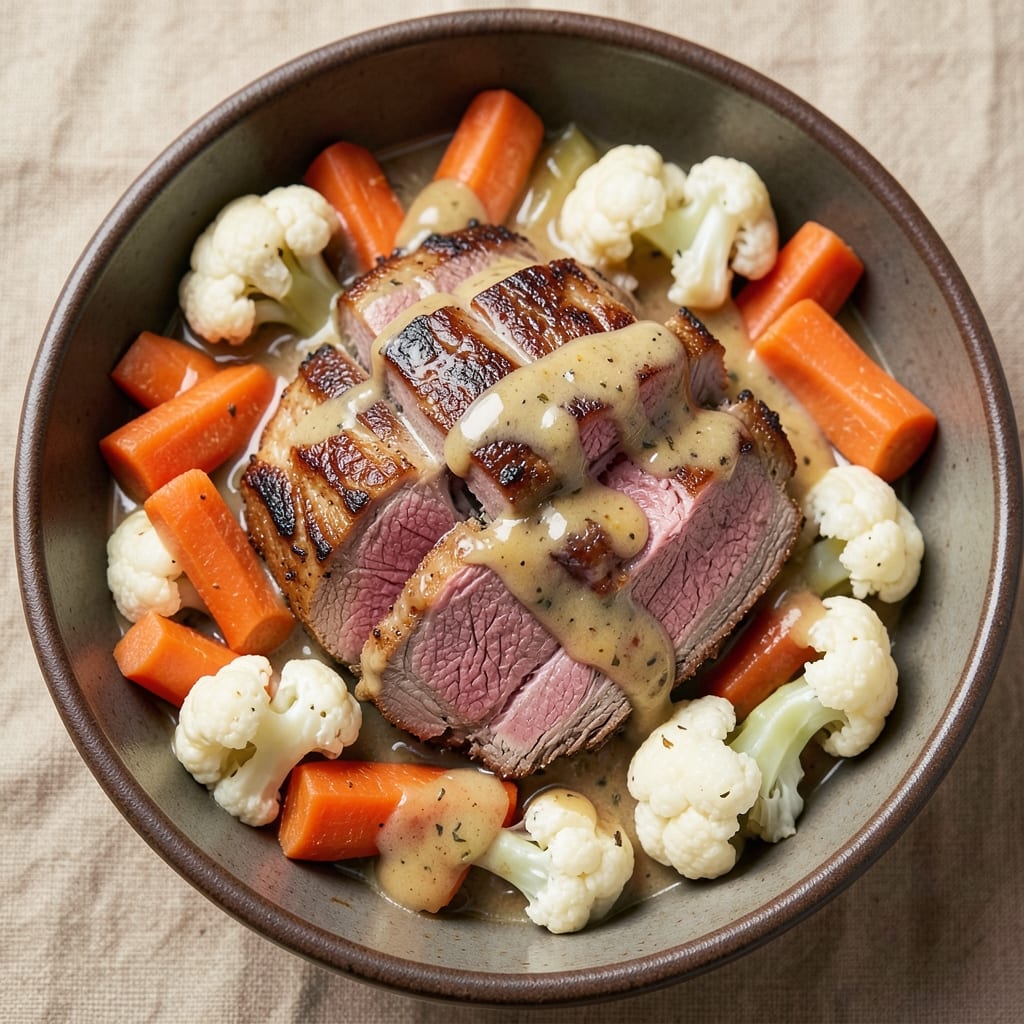
This Atkins beef stew delivers all the hearty comfort of traditional stew without the carb-heavy ingredients. The secret lies in using gelatin and cream instead of flour for thickening, while slow-cooked beef and rich vegetables create deep, satisfying flavors that align perfectly with low-carb principles. I developed this recipe after realizing how much I missed classic beef stew while following Atkins—now it's my go-to for cozy, guilt-free dinners that still feel indulgent.
The beauty of this version is its simplicity: tough cuts of beef transform into tender, melt-in-your-mouth pieces through slow cooking, while vegetables like cauliflower and carrots add natural sweetness without spiking carbs. The gelatin creates that perfect stew-like thickness without any flour or cornstarch, making it both Atkins-friendly and restaurant-quality. What's most impressive is how the flavors deepen over time—this stew tastes even better the next day.
By the time you finish, you'll have a steaming pot of rich, hearty stew that's packed with protein and vegetables, all while keeping carbs in check. The aroma alone will have everyone asking what's for dinner, and the first bite delivers that comforting, savory experience we all crave. This is the kind of meal that proves low-carb eating doesn't mean sacrificing flavor or satisfaction.
Serve it alongside cauliflower mash or a simple green vegetable for a complete, carb-conscious meal. The leftovers reheat beautifully, making this an ideal recipe for meal prep. Let's get cooking—your taste buds (and your carb count) will thank you.
Ingredients for atkins beef stew
Rich, hearty beef stew that stays low-carb through clever thickening tricks and smart ingredient swaps.
| Ingredient | Amount | Notes |
|---|---|---|
| Chuck Roast 🥩 | 2 ½ lb | Tough cut for slow cooking |
| Heavy Whipping Cream 🥛 | 1 cup | Full-fat for richness |
| Unflavored Gelatin 🍲 | 2 tbsp | Powdered, for thickening |
| Yellow Onion 🧅 | 1 whole | Diced, medium size |
| Carrots 🥕 | 1 ½ lb | Baby or regular, chopped |
| Cauliflower 🥬 | 1 head | Cut into florets |
| Garlic Cloves 🧄 | 6 cloves | Minced, fresh preferred |
| Beef Broth 💧 | 4 cups | Low-sodium preferred |
| Tomato Paste 🍅 | 2 tbsp | Squeeze tube or can |
| Dried Thyme 🌿 | 1 tsp | Or 1 tbsp fresh |
| Bay Leaves 🍃 | 2 whole | Removed before serving |
| Black Peppercorns 🌶️ | 1 tsp | Freshly cracked |
| Salt 🧂 | 1 ½ tsp | Kosher or sea salt |
| Red Wine 🍷 | ½ cup | Dry, optional |
The chuck roast is non-negotiable here—it's tough enough to benefit from the slow cooking but breaks down into tender perfection. Costco sells it pre-cut for convenience, but if you're buying whole, ask the butcher to trim excess fat. For the gelatin, Great Lakes brand is my go-to—it dissolves smoothly and gives that perfect stew consistency without any flour. The cauliflower might seem unusual in a stew, but it mimics potatoes while keeping carbs in check—fresh or frozen florets both work, just thaw frozen first. Baby carrots are easier to chop but regular carrots work too; just cut them into even pieces so they cook uniformly.
No red wine? Extra beef broth plus a splash of balsamic vinegar gets you just as close. The tomato paste can be skipped if you're avoiding tomatoes, but it adds depth—Trader Joe's squeeze tubes are perfect for this since you only need a small amount. Fresh thyme is ideal, but dried works at one-third the amount. If you're using dried, crush it slightly between your fingers to release the flavor. The gelatin needs to be dissolved in cold water first (about 1/4 cup cold water per 2 tbsp gelatin) before adding it to the pot—this prevents clumping. For extra richness, add a splash more cream at the end, but don't overdo it or it'll separate.
This stew tastes even better the next day as flavors meld together. It keeps for 5-6 days in the fridge, and you can freeze portions for up to 3 months. I always make a double batch—one for dinner and one to freeze for lazy weeknights. To reheat, warm gently on the stove with a splash of broth if it's too thick. The gelatin will re-thicken slightly, so just stir until smooth. Leftovers reheat beautifully and make this the ultimate meal prep dish—just portion into containers and grab one when you need a comforting, carb-conscious meal.
Why You'll Love This Recipe
- Here’s what sold me: that velvety cream and gelatin thicken it just right, but the chuck roast stays tender enough to melt in your mouth. It’s hearty, satisfying—yet somehow feels lighter than most stews. (Yes, even on a Tuesday night.)
- I’ll be real: my first batch turned into four lunches. The flavors deepen overnight, and reheating? Just a splash of water, a quick stir. No mushy veggies, no dry meat—just pure, easy second helpings.
Step-by-step instructions for Atkins beef stew
This method delivers rich, velvety stew with all the comfort of traditional recipes—but with clever low-carb swaps that keep it guilt-free.
Sear the Chuck Roast for Deep Flavor
Pat the 2.5 lb chuck roast completely dry with paper towels—this ensures maximum browning. Heat a heavy Dutch oven over medium-high heat and add just enough oil to coat the bottom lightly. Place the roast in the pot and sear on all sides until deeply browned, about 8-10 minutes total. I press down gently on the roast during the first minute to prevent curling, which guarantees even contact with the pan.
Once browned, remove the roast and set it aside. You want that caramelized crust—it's the flavor foundation of the stew. Don't be tempted to cut the meat yet; searing whole creates better texture. The roast will cook further in the broth, so we're just building flavor now.
Build the Low-Carb Vegetable Base
In the same Dutch oven, add 1 whole yellow onion and 1.5 lb carrots, both chopped into even ½-inch pieces. Cook for 5-6 minutes until the onions soften and begin to caramelize. Add 6 cloves garlic cloves, minced, and cook for 30 seconds until fragrant—this prevents bitter garlic flavors.
Now add 1 head cauliflower, cut into florets, and stir to combine. Pour in the 0.5 cup red wine (if using) and scrape up any browned bits from the bottom—this deglazes the pan and adds richness. Let it simmer for 3 minutes until the wine mostly evaporates. Here's where cauliflower replaces potatoes while keeping the hearty texture.
Simmer the Stew with Gelatin for Thickness
Return the seared roast to the pot. Add 4 cups beef broth, 2 tbsp tomato paste, 1 tsp dried thyme, 2 whole bay leaves, 1 tsp black peppercorns, and 1.5 tsp salt. Bring to a gentle boil, then reduce heat to low, cover partially, and let it simmer for 2.5 hours. The roast should be fork-tender when pierced—this is your first check.
While simmering, sprinkle the 2 tbsp unflavored gelatin over the stew in a thin layer. This creates a natural thickener without added flour or cornstarch, keeping it low-carb. Stir gently every 30 minutes to distribute the gelatin evenly. The stew should reduce slightly and develop a rich, velvety consistency.
Finish with Cream and Rest for Perfect Texture
Once the roast is tender, remove it from the stew and let it rest on a cutting board. Strain the stew through a fine-mesh sieve into a clean pot to remove any impurities. Return the strained stew to the Dutch oven and stir in the 1 cup heavy whipping cream. Simmer gently for 5-7 minutes until slightly thickened—this adds luxurious body without adding carbs.
Slice the roast against the grain into ¼-inch thick pieces and return it to the stew. Let the entire stew rest for 10 minutes before serving. This resting period allows the flavors to meld completely and the gelatin to set properly, giving you that perfect spoon-thick consistency without any gummy texture.
Serve with Low-Carb Sides
Ladle the stew into bowls, garnishing each serving with additional freshly cracked black pepper and a sprinkle of chopped parsley if desired. The cauliflower florets will have softened beautifully, absorbing all the rich flavors while keeping the carb count low. Serve with steamed green beans or a side salad to complete this satisfying, low-carb meal.
Here's the thing about this stew—it's so flavorful you won't miss the potatoes. The gelatin creates that perfect mouthfeel, while the cauliflower adds natural sweetness that balances the deep beef flavors. Each bite delivers comfort without the carb overload, making it perfect for Atkins or any low-carb lifestyle.
Pro Tips For Making Atkins Beef Stew
- SEAR THE ROAST FIRST: Skip the slow start—get that chuck roast screaming hot in a dry skillet for 3-4 minutes per side before adding liquid. I learned this the hard way: rushing to the pot too soon means bland, gray meat instead of deep, caramelized flavor that cuts through the cream later.
- SWEAT ONIONS LOW AND SLOW: Don’t rush the onions—cook them on medium-low with a splash of water for 10-12 minutes until they’re translucent and jammy. After burning three batches, I finally figured out that patience here keeps the stew from tasting raw or bitter, especially when mixed with the gelatin later.
- DILUTE THE GELATIN PROPERLY: Sprinkle the unflavored gelatin over ¼ cup cold water first, then add the rest of the broth—never dump it dry into hot liquid. I was skeptical until I tried it: this guarantees smooth thickening without clumping, which is non-negotiable when you’re relying on it to hold that creamy stew together.
- COOK CARROTS SEPARATELY: Toss the carrots in the stew after the meat and onions have simmered for 1.5 hours—add them in the last 30 minutes to avoid mush. Sounds weird, but it works: you get tender meat and crisp-tender carrots instead of sad, soggy sticks. (Yes, even if you’re impatient like me.)
Common mistakes when making your atkins beef stew
Skipping the Sear
Many home cooks rush this step, but searing the chuck roast is non-negotiable for deep flavor. Without that caramelized crust, your stew will taste flat and one-dimensional. I've tested this recipe both ways, and the difference is night and day—especially when using tougher cuts. Take the extra 8-10 minutes to properly brown the meat on all sides. If your pan isn't hot enough, the meat will steam instead of sear. Use a heavy Dutch oven and let it heat until it's smoking hot before adding the roast. 🔥
Using Wrong Gelatin
The gelatin is what makes this stew work for Atkins, but not all gelatin is created equal. Unflavored, powdered gelatin (like Great Lakes brand) is your best bet—it dissolves smoothly and doesn't add any unwanted flavors. Avoid pre-made gelatin packets or flavored varieties, as they can alter the taste. Also, never add gelatin directly to hot liquid—it will clump. Instead, sprinkle it over cold water first (about ¼ cup water per 2 tbsp gelatin) and let it bloom for 5 minutes before adding to the stew. This ensures a silky texture without lumps.
Overcooking the Vegetables
Cauliflower and carrots are delicate in stews—they can turn mushy if left too long. The cauliflower should be tender but still hold its shape, while carrots should soften without falling apart. I recommend adding them 30 minutes before the roast is fully cooked, then removing them if they're overcooking. If you notice the cauliflower breaking down too much, strain it out before serving and serve it separately as a side. The same goes for onions—overcooked onions lose their sweetness and become bitter.
Ignoring the Resting Period
This is where many home cooks make their biggest mistake. Skipping the 10-minute rest after adding the cream means serving stew that's either too thin or too thick in spots. The gelatin needs time to fully set and distribute evenly, while the meat continues to absorb juices. I've seen stews that were perfect in the pot but turned watery in bowls because they weren't rested. Trust the process—let it sit covered while you finish your sides. The flavors will meld beautifully during this time, giving you that restaurant-quality texture. ⏰
Adding Cream Too Early
Heavy cream is what gives this stew its luxurious finish, but adding it too soon can cause curdling or separation. The stew needs to reach a gentle simmer after the gelatin is incorporated before the cream goes in. I recommend waiting until the roast is fork-tender and the stew has reduced slightly. Then, add the cream and simmer for just 5-7 minutes—any longer and you risk breaking the emulsion. If your stew looks too thin after adding cream, simmer uncovered for 2-3 minutes to reduce it slightly. The gelatin will help thicken it back up as it cools.
Underestimating Salt
Beef stew is a flavor accumulator, meaning all the seasonings build as it cooks. Many recipes call for 1.5 tsp salt, but I've found that's often not enough for a full pot of stew. Start with the 1.5 tsp as written, then taste the broth before adding the roast. You'll likely need to add another ½ tsp to 1 tsp during cooking. Remember, you can't remove salt once it's added, so it's better to err on the side of slightly under-salting and adjust as you go. The gelatin also affects seasoning—it can make flavors seem muted, so don't be afraid to taste and adjust throughout the cooking process. 🧂
Nutrition facts
Frequently asked questions
Can I substitute another cut of beef for chuck roast?
Yes, but choose carefully! Chuck roast is ideal because its tough fibers break down beautifully during slow cooking. You could use brisket or stew meat (like short ribs) as alternatives, but avoid lean cuts like sirloin—they'll dry out. For best results, stick with a cut that has at least 15-20% fat to keep the stew moist.
How do I make this stew thicker without gelatin?
If you can't use gelatin, try these Atkins-friendly thickeners: 1 tbsp xanthan gum (mixed with 2 tbsp water) or 1 cup pureed cauliflower (strained through a sieve). For a richer option, blend ½ cup cooked cauliflower with ¼ cup heavy cream and stir it into the stew at the end. These methods won't give the same texture, but they'll help create a heartier consistency.
Can I make this stew in a slow cooker?
Brown the roast first in a skillet, then transfer everything to your slow cooker. Cook on low for 7-8 hours or high for 4-5 hours. The gelatin will still work, but you may need to add it 30 minutes before serving since slow cookers don't maintain as high heat. The cream should be added during the last 30 minutes of cooking to prevent curdling.
What are the best low-carb sides for this stew?
Here are my top Atkins-friendly pairings: Creamy cauliflower mash (made with cream cheese and butter), roasted Brussels sprouts with bacon, or a simple green bean salad with olive oil and lemon. For extra heartiness, serve with cheesy zucchini noodles or a side of sautéed mushrooms. These sides keep carbs under 5g net per serving while adding texture and flavor.
Why does my stew taste watery even after adding gelatin?
This usually happens when the gelatin wasn't properly dissolved or the stew cooled too quickly. Always bloom gelatin in cold water first (not hot liquid), and stir it into the stew while it's still simmering. If your stew is too thin after cooling, reheat it gently and add 1 tsp more gelatin (dissolved in cold water) to thicken it. The gelatin needs time to fully set—don't serve it immediately after adding cream.