
Side Dishes
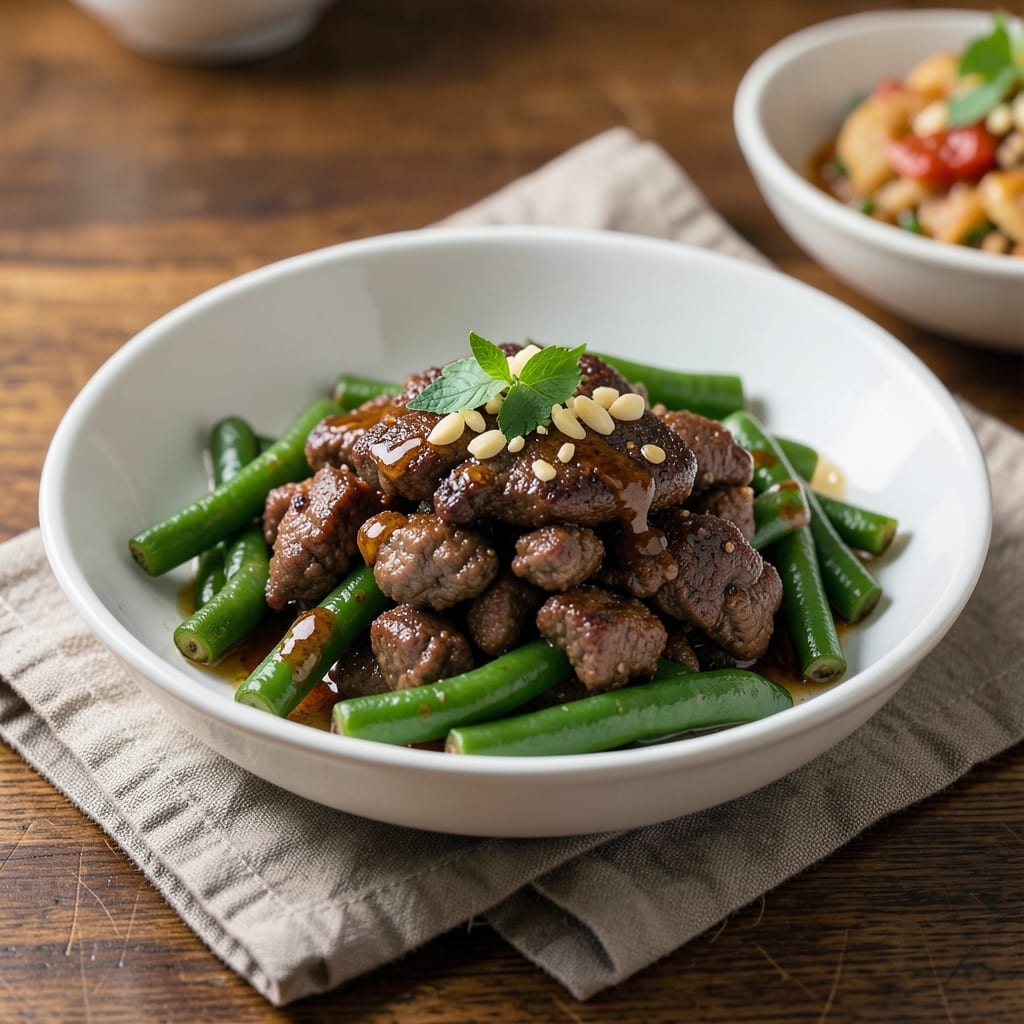
This Asian ground beef and green beans recipe delivers restaurant-quality wok-fried flavors in just 30 minutes—no takeout required. The secret lies in a savory-sweet marinade of soy sauce, garlic, and ginger that transforms simple ground beef into tender, aromatic bites, while crisp-tender green beans add the perfect crunch. I developed this one-pan method after years of experimenting with Asian stir-fry techniques, and it never fails to impress.
The magic happens in the wok or large skillet, where high heat sears the beef quickly to lock in juices, then tosses in green beans at just the right moment for maximum crispness. A splash of rice vinegar brightens the dish, while toasted sesame oil adds nutty depth that elevates every bite. The dish balances umami, sweetness, and freshness in a way that feels both comforting and exciting.
What you'll end up with is a vibrant, aromatic dish that's packed with protein and vegetables while requiring minimal effort. The beef stays tender and flavorful, the green beans maintain their satisfying crunch, and the sauce clings perfectly to each bite. It's the kind of meal that transforms a simple weeknight dinner into something special without requiring advanced skills.
Serve this over steamed jasmine rice for the full experience, or pair with noodles for a heartier meal. Garnish with sliced green onions and sesame seeds for extra freshness and texture. The recipe scales beautifully for feeding a crowd, making it perfect for meal prep or family dinners. Let's get cooking!
Ingredients for asian ground beef green beans
Restaurant-quality Asian flavors start with these simple yet essential ingredients.
| Ingredient | Amount | Notes |
|---|---|---|
| Lean Ground Beef 🥩 | 1 lb | 80/20 fat ratio preferred |
| Fresh Green Beans 🥬 | 1 ½ lbs | Trimmed, cut into 2-inch pieces |
| Low-Sodium Soy Sauce 🥢 | 3 tbsp | Kikkoman preferred for balance |
| Rice Vinegar 🍶 | 2 tbsp | Seasoned variety adds depth |
| Toasted Sesame Oil 🫒 | 1 tbsp | For nutty aroma, not cooking oil |
| Fresh Ginger 🌿 | 1 tbsp | Finely grated, aromatic |
| Garlic Cloves 🧄 | 4 cloves | Minced, fresh preferred |
| Brown Sugar 🍯 | 1 tbsp | Light variety for subtle sweetness |
| Neutral Oil 🫒 | 1 tbsp | Avocado or vegetable oil |
| Green Onions 🧅 | 2 whole | Sliced, for garnish |
| Toasted Sesame Seeds 🌾 | 1 tsp | For finishing touch |
| Salt 🧂 | 1 tsp | Kosher or sea salt |
| Black Pepper 🌶️ | ½ tsp | Freshly ground |
| Jasmine Rice 🍚 | 1 ½ cups | Uncooked, for serving |
The ground beef is where the magic happens—80/20 fat ratio ensures tenderness without greasiness. Kroger or Costco carry quality lean ground beef, but check the fat percentage. For the green beans, fresh is best—avoid wilted or yellowing pods. Trim the ends and cut into even pieces for consistent cooking. The soy sauce makes or breaks this dish; Kikkoman or Lee Kum Kee are reliable choices. If you can't find low-sodium, reduce the amount slightly and add extra salt later. Toasted sesame oil should smell nutty and rich—La Choy or Kikkoman are good brands.
No soy sauce? Coconut aminos work in a pinch, though the flavor will differ slightly. Fresh ginger and garlic can be swapped for powdered, but use half the amount—fresh is far superior. Brown sugar can be replaced with honey or maple syrup for a vegan option, though the texture will vary. If you're prepping ahead, store the marinade separately and combine just before cooking. The green beans should be blanched for 30 seconds before stir-frying to maintain crispness—don't skip this step. For extra umami, add a dash of fish sauce if you're not avoiding it.
This dish reheats beautifully—just add a splash of water and stir-fry for 2-3 minutes. Store leftovers in an airtight container for up to 3 days in the fridge. For meal prep, cook the beef and sauce separately, then combine with fresh green beans when reheating. The sesame seeds and green onions should be added fresh for maximum brightness. If you're serving a crowd, double the recipe—this scales perfectly. Garnish with extra sesame seeds and green onions right before serving for that restaurant-quality finish.
Why You'll Love This Recipe
- One-Pan Magic: Honestly, I swear by this recipe because it’s literally one pan, one spatula, and done. Toss in the green beans, beef, and sauce—no chopping, no fuss—just stir and let the sesame oil work its aroma magic while you sip your coffee.
- Umami Bomb: That combo of low-sodium soy and rice vinegar? It’s the secret weapon. The beef stays juicy, the green beans get that perfect crisp-tender bite, and the sesame oil finishes with a nutty warmth that makes you go back for seconds.
- Lunchbox Hero: Between us, this is my go-to for meal prep. Pack it cold or reheat it—it holds up like a champ. My kids grab it for school lunches, and honestly? They’d rather eat this than the "fancy" stuff I sometimes try.
- Budget Win: Lean beef and fresh green beans stretch further than you’d think. A single batch feeds four, and leftovers taste just as good the next day. Plus, the ingredients are cheap but feel like a restaurant dish—smart spending, delicious eating.
Step-by-step instructions for wok-fried Asian ground beef and green beans
This one-pan method delivers restaurant-quality texture and flavor with minimal cleanup.
Prep Ingredients for Maximum Flavor
Start by trimming the 1.5 lbs fresh green beans and cutting them into 2-inch pieces. Trim off any tough ends and discard. Finely grate the 1 tbsp fresh ginger using a microplane or the smallest holes on a box grater—you want a paste-like consistency. Mince the 4 cloves garlic as finely as possible, almost to a paste, for even distribution of flavor throughout the dish.
Slice the 2 whole green onions diagonally into ¼-inch pieces, separating the white and green parts. Keep them separate for now—the whites will cook down while the greens will be used as a fresh garnish at the end. Measure out all remaining ingredients: 3 tbsp low-sodium soy sauce, 2 tbsp rice vinegar, 1 tbsp brown sugar, 1 tsp salt, and 0.5 tsp black pepper. Have the 1 tbsp neutral oil and 1 tbsp toasted sesame oil ready in separate small bowls for precise measurement.
Cook the Jasmine Rice to Perfection
While you prep the vegetables, start cooking the 1.5 cups jasmine rice according to package instructions. I recommend using a rice cooker for consistent results, but if cooking on the stovetop, use a 1:1.5 rice-to-water ratio. The rice should be perfectly tender and slightly sticky when done—this will serve as the base for your dish, absorbing all the delicious flavors.
Once cooked, fluff the rice with a fork and set it aside. Don't rinse the rice pot or bowl afterward—you'll use it for the next step. The residual heat helps maintain the rice's temperature while you finish cooking the main components. If your rice cooker doesn't have a keep-warm function, transfer the rice to a serving dish and tent loosely with foil to keep it warm.
Sear the Ground Beef for Deep Flavor
Heat a large wok or deep skillet over medium-high heat until it's smoking slightly. Add the 1 tbsp neutral oil and swirl to coat the entire surface. Working in batches if needed, add the 1 lb lean ground beef, breaking it up with a wooden spoon or spatula. Cook undisturbed for 2-3 minutes until the beef begins to brown and pull away from the pan.
This initial searing creates the Maillard reaction that develops deep, meaty flavors. Once the beef is well browned, break it up into small, even pieces. Add the 1 tbsp brown sugar, 1 tsp salt, and 0.5 tsp black pepper, stirring to coat the beef evenly. Cook for another 1-2 minutes until the sugar begins to caramelize slightly and the beef is fully cooked through. Remove the beef to a plate and set aside.
Stir-Fry the Green Beans with Aromatics
Return the wok to medium-high heat and add the 1.5 lbs trimmed green beans in a single layer. Stir-fry for 3-4 minutes until they begin to soften slightly but still retain a crisp texture. Add the 1 tbsp finely grated ginger and 4 cloves minced garlic, stirring constantly for 30 seconds until fragrant.
Here's where the magic happens: Pour in the 3 tbsp low-sodium soy sauce and 2 tbsp rice vinegar, immediately scraping up any browned bits from the bottom of the pan. Add the cooked ground beef back to the wok and toss everything together for 1-2 minutes until the green beans are tender-crisp and the sauce begins to coat the ingredients. The dish should look vibrant and glossy—this indicates the flavors are melding perfectly.
Finish with Sesame Oil and Garnish
Remove the wok from heat and stir in the 1 tbsp toasted sesame oil. This adds a nutty aroma and rich depth of flavor that can't be replicated with regular cooking oil. Taste and adjust seasoning if needed—you might want to add a splash more soy sauce or a pinch of salt to balance the flavors.
Serve the wok-fried ground beef and green beans immediately over the 1.5 cups cooked jasmine rice. Garnish with the reserved green onion whites and sprinkle with 1 tsp toasted sesame seeds for added texture and visual appeal. The contrast of crisp green beans, tender beef, and fluffy rice creates a satisfying bite in every mouthful. For extra freshness, top with the green onion greens just before serving.
Pro Tips For Making Asian Ground Beef Green Beans
- CRISPY BEFORE COMBINING: The beef won’t brown properly if you dump everything in the pan at once. Cook the ground beef first over medium-high heat until it’s broken into small, crispy pieces—about 5-6 minutes. Only then add the green beans to avoid steaming the meat into mush.
- TRIM GREEN BEANS RIGHT: Don’t wash or trim the green beans until you’re ready to cook. They’ll turn slimy fast, and the ends will darken. If using thick beans, cut off the tough bottom inch—thin ones can stay whole for easier eating.
- STOP WHEN IT’S DONE: Overcooking the green beans turns them to mush. They only need 4-5 minutes in the pan after the beef is cooked—just until bright green and slightly blistered. Taste-test a piece; it should still have a tiny bite.
- SWAP FOR GARLIC OIL: If sesame oil isn’t your thing, make a quick garlic oil swap: sauté 1-2 minced garlic cloves in 1 tbsp neutral oil until golden, then add the beef. It adds depth without overpowering the dish, and you won’t waste expensive sesame oil.
Best sauces and condiments for this dish
Classic Soy-Ginger Sauce
The foundation of this dish is a simple yet powerful sauce blend of 3 tbsp low-sodium soy sauce and 1 tbsp brown sugar, balanced by 2 tbsp rice vinegar. I always use Kikkoman soy sauce for its clean, balanced flavor profile—it never overpowers the dish. The rice vinegar adds a bright acidity that cuts through the richness of the beef, while the brown sugar caramelizes slightly during cooking, creating a subtle sweetness that enhances all the umami flavors. 🥢
Spicy Chili-Lime Twist
For a kick of heat, add 1 tbsp chili garlic sauce (like Lee Kum Kee) and 1 tsp lime zest to the sauce mixture. The chili garlic sauce brings a smoky, spicy depth, while the lime zest brightens everything up. I like to finish with a squeeze of fresh lime juice right before serving—it adds a zesty contrast that makes every bite exciting. Trust me, this version is a crowd-pleaser for anyone who loves a little heat. 🌶️
Coconut Curry Infusion
Swap the soy sauce for 2 tbsp coconut aminos and add 1 tbsp red curry paste (like Maesri) for a Thai-inspired twist. The coconut aminos provide a lighter, slightly sweet base, while the curry paste introduces warm, aromatic spices. Stir in ½ cup light coconut milk at the end for a creamy, velvety texture that pairs beautifully with the green beans. Garnish with fresh cilantro and lime wedges for that authentic Thai touch. 🥥
Sweet Sesame Glaze
For a sweeter, stickier sauce, reduce ¼ cup honey with 1 tbsp soy sauce and 1 tsp grated ginger in a small saucepan over medium heat for 3-4 minutes until slightly thickened. Stir this glaze into the finished dish just before serving—it coats the beef and green beans beautifully, adding a glossy, caramelized finish. The toasted sesame oil in the dish complements this perfectly, creating a harmonious balance of sweet and nutty flavors. 🍯
Umami Boost with Mushrooms
Add ½ cup sliced shiitake mushrooms to the wok when stir-frying the green beans—they absorb the sauce and add an earthy, meaty depth. For extra umami, stir in 1 tsp fish sauce (if you're not avoiding it) along with the soy sauce. The mushrooms break down slightly during cooking, releasing their rich flavors into the sauce. This version feels heartier and more complex, perfect for when you want to elevate the dish without extra effort. 🍄
Nutrition facts
Frequently asked questions
Can I use frozen green beans instead of fresh?
Yes, but with one important adjustment! Thaw frozen green beans completely first, then pat them very dry with paper towels to prevent excess moisture. For extra crispness, blanch them in boiling water for 1 minute before stir-frying. Fresh green beans will always have better texture, but frozen works well in a pinch.
What's the best way to prevent the beef from getting tough?
Keep the heat at medium-high and never overcrowd the pan. Cook the beef in batches if needed, and break it up into small pieces while it's still slightly raw. The 2-3 minute initial sear is crucial—it locks in juices before the sugar and soy sauce finish cooking. Using 80/20 fat ratio ground beef also helps maintain tenderness.
How can I make this dish spicier?
Add ½ tsp red pepper flakes or 1 tbsp chili crisp when tossing everything together in the wok. For heat lovers, stir in 1 tsp gochujang (Korean chili paste) with the soy sauce. Finish with sliced jalapeños or a drizzle of sriracha before serving. Start with less and adjust to taste!
Can I make this ahead of time for meal prep?
Cook the beef and sauce separately, then store them in airtight containers for up to 3 days. Reheat in a skillet with a splash of water, then add fresh green beans (blanched first) just before serving. For best texture, don't add sesame oil until reheating—it burns easily when warmed.
What are good sides to serve with this?
Steamed jasmine rice is classic, but you could also try coconut rice, udon noodles, or garlic naan. For extra greens, serve with a simple sesame salad or quick-pickled cucumbers. The dish's bold flavors pair well with mild, fresh components to balance the meal.