
Soups & Stews
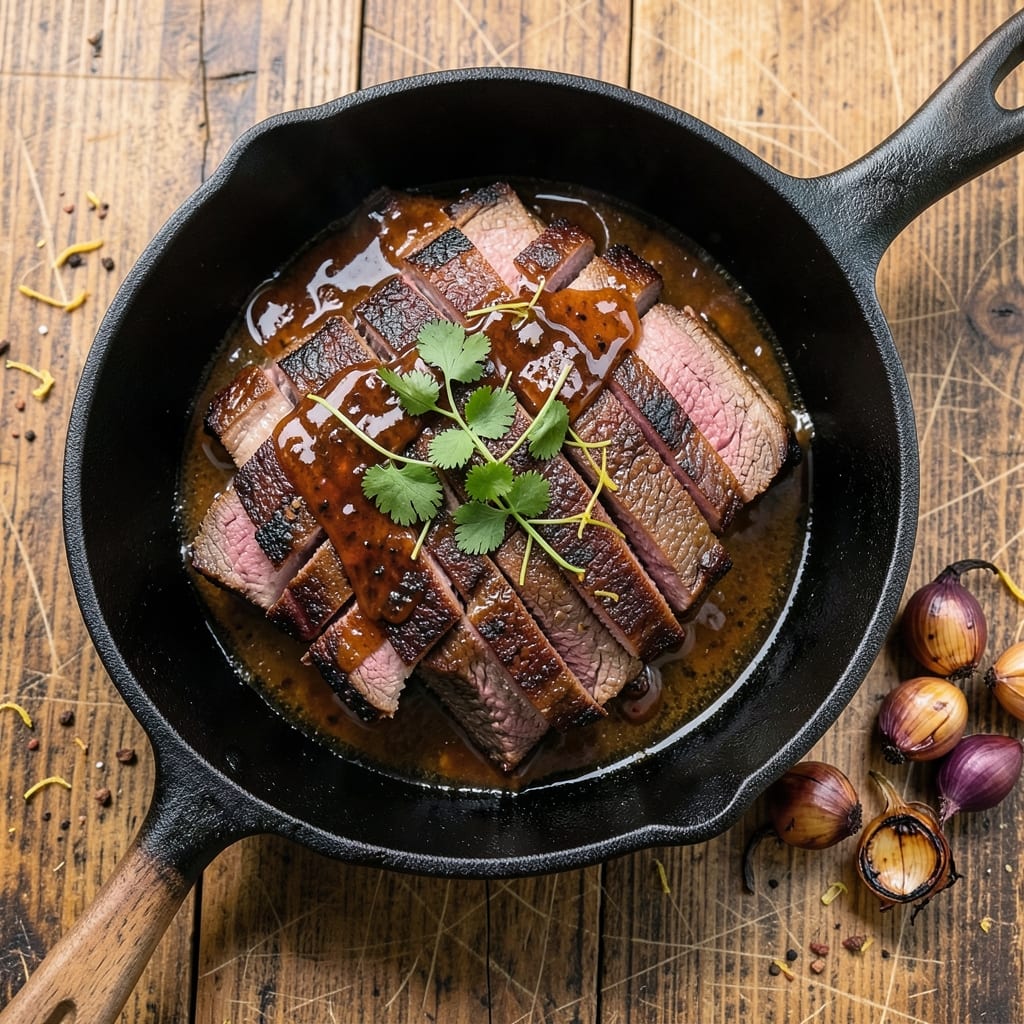
Atlanta beef brisket delivers that legendary fall-apart tenderness and deep, smoky-sweet flavor that keeps everyone coming back for seconds. This recipe captures the soul of Southern barbecue with a low-and-slow cooking method that transforms tough meat into melt-in-your-mouth perfection. The secret lies in the dry rub—bold spices and brown sugar that caramelize into a sticky, flavorful crust—paired with precise temperature control to reach that ideal 195–203°F internal finish.
What sets this apart is the balance of tradition and technique: a Texas-style smoke infusion meets Atlanta’s love for sweet heat, all while keeping the process approachable for home cooks. No fancy equipment needed—just patience, a steady heat source (smoker, oven, or even a slow cooker), and time to let the meat work its magic. The result? Juicy, restaurant-quality brisket that practically dissolves at the touch of a fork.
Serve it classic Southern-style: sliced thick over toasted white bread, piled high with tangy pickles, crisp coleslaw, and a drizzle of tangy vinegar-based sauce. The contrast of textures and flavors—crispy crust, tender meat, cool pickles—makes every bite unforgettable. This isn’t just a recipe; it’s a weekend project that turns your kitchen into a smoky, savory haven.
Ready to tackle it? The key is resting the meat after cooking—never skip this step, or you’ll miss out on that juicy payoff. Let’s get started on a brisket that’ll have your guests begging for the recipe.
Ingredients for atlanta beef brisket
Six pounds of brisket and twelve spices transform into melt-in-your-mouth Southern perfection.
| Ingredient | Amount | Notes |
|---|---|---|
| Beef Brisket (Packer Cut) 🥩 | 6 lb | Whole packer cut, fat cap intact |
| Yellow Onion 🧅 | 1 whole | Yellow or red, sliced into wedges |
| Garlic Cloves 🧄 | 8 cloves | Fresh, peeled, smashed |
| Brown Sugar 🍚 | ½ cup | Light or dark, packed |
| Smoked Paprika 🌶️ | 2 tbsp | High-quality, not sweet paprika |
| Chili Powder 🌶️ | 1 ½ tbsp | Medium heat, not cayenne |
| Ground Black Pepper 🌶️ | 1 ½ tbsp | Freshly cracked, coarse grind |
| Kosher Salt 🧂 | 1 ½ tbsp | Diamond Crystal preferred |
| Ground Cumin 🌿 | 1 tbsp | Toasted for depth |
| Mustard Powder 🍯 | 1 tsp | Yellow or Dijon |
| Black Peppercorns 🌶️ | 1 tsp | Whole, lightly crushed |
| Apple Cider Vinegar 🍎 | ¼ cup | For post-cook marinade |
| Yellow Mustard 🍯 | ¼ cup | For post-cook marinade |
| Wood Chips 🌳 | 2 cups | Hickory or oak, soaked 1 hour |
| Beef Broth 💧 | 1 cup | Low-sodium, for spritzing |
The brisket cut is non-negotiable—packer cut with fat cap delivers that signature tenderness. Costco or local butcher shops are your best bets for quality; avoid pre-trimmed cuts. Look for vibrant color and good marbling. If you can't find packer cut, flat cut with thick fat works in a pinch. The spices? Penzeys or bulk bins at Whole Foods for the freshest grind. Toast your cumin seeds in a dry pan for 30 seconds before grinding—game-changer for depth.
No smoked paprika? Substitute 1 tbsp regular paprika + 0.5 tsp liquid smoke, but the flavor won't be identical. Running short on time? Pre-made rubs work, though they often lack the brown sugar's caramelization magic. For the post-cook marinade, Dijon mustard adds complexity if you're avoiding yellow. The wood chips can be hickory or oak—just avoid fruit woods. If you're not smoking, liquid smoke at 1 tsp per pound mimics the flavor, though texture suffers.
Brisket reheats best at 275°F for 1-2 hours—never microwave. Wrap tightly in butcher paper or foil to retain moisture. Store cooked brisket in the fridge for up to 5 days or freeze for 3 months. For leftovers, slice against the grain and reheat with a splash of beef broth. The fat cap? Save it—crisp it in a skillet for a smoky snack.
Why You'll Love This Recipe
- One-Pan Magic: I swear by this—just brisket, onions, and spices on a sheet pan. No fancy equipment, no stress. The onions caramelize right alongside the meat, and honestly? That’s half the battle won.
- Sweet-Smoky Bomb: That brown sugar and smoked paprika combo? It’s what makes this ridiculously good. The brisket stays tender while the edges get this perfect crust—crispy, sticky, and impossible to resist. (Yes, even on a Tuesday night.)
- Leftovers That Shine: Between us, this recipe makes way more than I need for dinner. The next day, I shred it into tacos or sandwiches, and it’s just as good—if not better—than the first bite. My lunchbox’s new best friend.
- Budget Crowd-Pleaser: A packer cut of brisket stretches across meals without breaking the bank. Feed four people for dinner, then repurpose the leftovers for breakfast hash or loaded nachos. Smart, simple, and no one’s left hungry.
Step-by-step instructions for Atlanta beef brisket
Master this technique for brisket that falls apart with every bite—smoky, sweet, and perfectly tender.
Prepare the Dry Rub and Season the Brisket
In a medium bowl, combine the 0.5 cup brown sugar, 2 tbsp smoked paprika, 1.5 tbsp chili powder, 1.5 tbsp ground black pepper, 1.5 tbsp kosher salt, 1 tbsp ground cumin, 1 tsp mustard powder, and 1 tsp crushed black peppercorns. Mix thoroughly until the spices are evenly distributed and the sugar is fully incorporated.
Pat the 6 lb beef brisket (packer cut) completely dry with paper towels—this is critical for developing that signature bark. Generously coat all sides of the brisket with the dry rub, pressing it firmly into the meat so it adheres. Pay special attention to the fat cap, as this area often gets overlooked. Let the seasoned brisket sit at room temperature for 30 minutes before smoking to ensure even cooking.
Set Up the Smoker and Begin Cooking
Soak the 2 cups wood chips (hickory or oak) in water for at least 1 hour before using. Set up your smoker to maintain a temperature of 225°F. Once the smoker reaches this temperature and you see a steady stream of thin blue smoke (not thick white smoke), place the brisket fat-side up on the smoker grate. This orientation allows the rendered fat to baste the meat as it cooks.
Close the smoker lid and avoid opening it for at least 2 hours—each time you open the lid, you lose heat and moisture, extending the cook time. The brisket will enter "the stall" around the 6-8 hour mark, where the internal temperature plateaus between 165-170°F. This is normal and expected; resist the urge to adjust the heat or add more wood chips.
Wrap and Finish the Brisket
When the brisket reaches an internal temperature of 165-170°F, it's time to wrap. Remove the brisket from the smoker and wrap it tightly in butcher paper (not aluminum foil), leaving the fat cap exposed. Return the wrapped brisket to the smoker and continue cooking until the internal temperature reaches 200-205°F, which typically takes an additional 4-6 hours. The probe should slide in like butter with no resistance.
During the final stages, spritz the brisket every 30-45 minutes with a mixture of 1 cup beef broth and 0.25 cup apple cider vinegar to maintain moisture and enhance flavor. This step is optional but highly recommended for brisket that's juicy and tender to the core.
Rest and Slice for Maximum Tenderness
Once the brisket reaches the target temperature, remove it from the smoker and let it rest for at least 1 hour (preferably 2 hours) before slicing. This resting period allows the juices to redistribute throughout the meat, ensuring every slice is moist and flavorful. Tent the brisket loosely with foil to keep it warm during the rest.
Slice the brisket against the grain into ¼-inch thick slices. The flat and point should be separated and sliced individually, as they have different grain directions. Serve immediately with your choice of sides, such as coleslaw or cornbread, to complement the rich, smoky-sweet flavors of the brisket.
Pro Tips For Making Atlanta Beef Brisket
- SMASH THE ONIONS FIRST: I learned this the hard way—chopping onions after they’ve sat in the pan too long turns them into mushy sludge. Get them finely diced (think rice-sized pieces) and sweat them in oil for 8-10 minutes until they’re translucent but not brown. That’s the base flavor for the brisket, and you don’t want it turning to paste when you add the garlic.
- SALT THE BRISKET 24 HOURS EARLY: Skip the last-minute salting—this isn’t a race. Rub the packer cut with salt (about 1 tsp per pound) and let it sit uncovered in the fridge overnight. The salt breaks down the proteins and forms that coveted crust, while the surface dries just enough for a proper sear. Trust me, your brisket will be more tender for the effort.
- WATCH THE BROWN SUGAR BURN: Atlanta-style brisket needs that caramelized sweetness, but brown sugar burns faster than you think. Stir it in during the last 10 minutes of cooking and keep the heat low—medium-low at best. If you see it darkening too quickly, pull the pan off the heat for a minute. You want depth, not bitter ashes.
- REST THE MEAT UNDER FOIL: I was skeptical until I tried it—letting the brisket rest on a tray covered loosely with foil for 20-30 minutes after cooking locks in all that juiciness. Without it, the first slice you cut will be dry, and no one wants that. Just poke a few holes in the foil so it doesn’t steam like a sad pot roast.
Common mistakes when making this dish
Skipping the Stall
Brisket hits "the stall" around 165-170°F—where moisture evaporates and cooking slows dramatically. Don't panic or adjust heat—this is normal! Many beginners crank up the heat or add more wood chips, which actually makes the meat dry out faster. Instead, wrap the brisket in butcher paper at this stage to trap moisture and power through. I've seen cooks add apple juice or beer to the pan, but that just creates steam—stick to the beef broth + vinegar spritz for maximum flavor retention. 🌡️
Overlooking the Fat Cap
The fat cap isn't just for flavor—it acts as a natural basting sauce as it renders. Never trim it before cooking! When you see people with brisket that's dry on one side, it's usually because they removed the fat cap. Leave it intact and place the brisket fat-side up on the smoker grate. The rendered fat will baste the meat naturally, creating that signature crispy bark while keeping the interior juicy. Pro tip: If your smoker has limited space, prop the brisket up slightly on a rack to prevent the fat from pooling and causing flare-ups. ⚡
Ignoring Rest Time
This is the #1 mistake that ruins an otherwise perfect brisket. Never slice into it immediately after cooking—the juices need time to redistribute. I've seen people rush this step and end up with dry, stringy meat. Let it rest for at least 1 hour, but 2 hours is ideal. Tent it loosely with foil to keep it warm. During this time, the internal temperature will rise another 5-10°F, so don't be alarmed if your probe shows 205°F after resting. 💫
Using Aluminum Foil
While aluminum foil works, it creates steam that can make the bark soggy. Butcher paper is the gold standard because it allows some moisture to escape while keeping the meat tender. If you're in a pinch, use heavy-duty Reynolds foil, but avoid the cheap stuff that tears. Another common mistake is wrapping too tightly—leave a little room for the meat to breathe. I've also seen people double-wrap, which traps too much steam and ruins the texture. 📦
Inconsistent Temperature
Brisket requires precise temperature control—fluctuations between 225°F and 250°F can lead to uneven cooking. Many beginners use outdoor smokers without proper thermometers, or they open the lid too often to check progress. Invest in a dual-probe thermometer (like the ThermoWorks Smoke) to monitor both the smoker temperature and internal meat temp. If your smoker isn't maintaining temperature, add more wood chips gradually or adjust the airflow vents. Never rush the process—brisket cooked too fast will be tough and dry. ⏰
Wrong Slicing Technique
Slicing with the grain instead of against it turns tender brisket into chewy disappointment. The flat and point cuts have different grain directions, so separate them before slicing. Use a sharp slicing knife (like a Dexter-Russell) and cut at a 45-degree angle for uniform slices. Many people also make the mistake of slicing too thick—¼-inch slices are perfect for sandwiches, while ⅛-inch slices work better for salads. Stack your slices neatly on a platter to showcase the beautiful bark. 🔪
Nutrition facts
Frequently asked questions
Can I make this brisket without a smoker?
Use an oven set to 225°F with a water pan on the bottom rack for moisture. Place the brisket on a rack over the pan, cover with foil, and cook until it reaches 165°F. Then wrap in butcher paper and continue cooking until 200-205°F. For smoky flavor, add a few soaked wood chips to the pan or use 1 tsp liquid smoke per pound when slicing. The texture won't be identical, but it'll still be delicious!
How do I know when the brisket is done?
Use a meat thermometer to check the internal temperature. The brisket is ready when it reaches 200-205°F—the probe should slide in like butter with no resistance. The bark should be deep brown and crispy, and the meat should pull apart easily. Never rely on time alone; every brisket cooks differently based on size and fat content.
What's the best way to reheat leftover brisket?
Slice the brisket against the grain and reheat in a skillet over low heat with a splash of beef broth to keep it moist. Alternatively, wrap slices in foil and reheat in a 275°F oven for 15-20 minutes. Avoid microwaving—it turns the meat rubbery. For sandwiches, lightly toast the bread and assemble fresh to maintain crispiness.
Can I use a different cut of beef?
Brisket is the ideal cut for this recipe, but you could try a chuck roast in a pinch. The cooking method remains the same, though the texture and flavor will differ. Chuck roast benefits from the same low-and-slow approach but won't have the same signature tenderness. If you're experimenting, start with a smaller cut (like 2-3 lbs) to test the technique.
How do I store cooked brisket?
Let the brisket cool to room temperature, then wrap it tightly in plastic wrap or butcher paper. Store in the fridge for up to 5 days or freeze for 3 months. For leftovers, reheat slices in a skillet with a splash of beef broth. The fat cap can be saved and crisped in a skillet for a smoky snack. Never store brisket in metal containers—it can react with the acids in the meat.