Soups & Stews
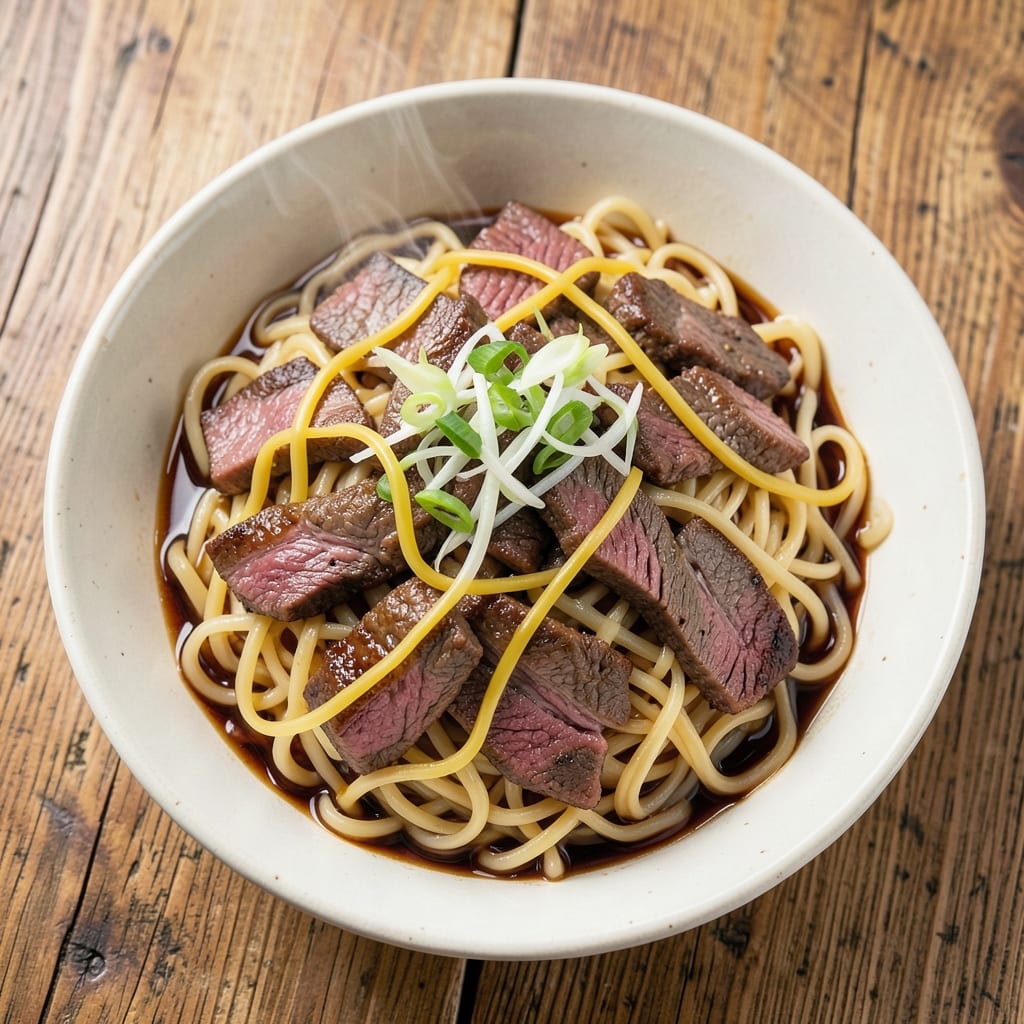
This authentic beef chow fun recipe delivers restaurant-quality wok-seared noodles with tender beef and delicate egg ribbons—just like your favorite Cantonese eatery. The secret lies in marinating the beef properly and mastering the wok hei (breath of the wok) technique to create that signature smoky aroma. I've refined this recipe over years of testing, ensuring every element comes together for maximum flavor and texture.
What sets this dish apart is the balance of textures—chewy rice noodles, silky egg ribbons, and perfectly seared beef strips all stir-fried together in a savory-sweet sauce. The combination of light and dark soy sauce, oyster sauce, and chili sauce creates depth of flavor that's both complex and approachable. This isn't just another stir-fry; it's a dish that showcases proper wok technique and authentic Cantonese flavors.
The process begins with marinating the beef in a simple yet effective blend of soy sauce, cornstarch, and aromatics, which ensures tender, flavorful slices. The egg is scraped into delicate ribbons that cook quickly in the hot wok, adding a luxurious touch. When everything comes together, you'll have a dish that's vibrant, aromatic, and packed with that unmistakable wok-seared flavor.
Perfect for family dinners or when you want to impress guests, this beef chow fun serves as both a comforting meal and a showcase of your cooking skills. The recipe maintains authenticity while keeping the steps manageable for home cooks. Let's get started on creating this classic dish that's sure to become a favorite.
Ingredients for authentic beef chow fun
Authentic Cantonese flavors start with these 14 essential ingredients—each playing its part in that signature wok hei aroma.
| Ingredient | Amount | Notes |
|---|---|---|
| Rice Noodles (Chow Fun) 🍜 | 12 oz | Dried, flat rice noodles |
| Flank Steak 🥩 | 1 lb | Thinly sliced against grain |
| Large Eggs 🥚 | 3 whole | Fresh, room temperature |
| Light Soy Sauce 🥄 | ½ cup | High-quality, non-GMO |
| Dark Soy Sauce 🥄 | 1 tbsp | For color and depth |
| Oyster Sauce 🦪 | 2 tbsp | Authentic, not imitation |
| Chili Sauce 🌶️ | 1 tbsp | Sichuan or hot chili |
| Cornstarch 🌾 | 2 tbsp | For tenderizing beef |
| Sesame Oil 🫒 | 1 tbsp | Toasted, for aroma |
| Garlic Cloves 🧄 | 4 cloves | Minced, fresh |
| Green Onions 🧅 | 4 whole | Thinly sliced, white parts |
| Neutral Oil 🫒 | ½ cup | Peanut or vegetable |
| White Pepper 🌶️ | ¼ tsp | Freshly ground |
| Salt 🧂 | 1 tsp | Kosher or sea salt |
The beef is everything here. Flank steak is the gold standard—lean but tender when sliced thin against the grain. Look for the meat at Asian markets or the butcher counter, where you can ask for it pre-sliced if you're not confident with your knife skills. The rice noodles? Dried chow fun from 99 Ranch or Golden Gate brands delivers that perfect chewy texture. If you can't find them, vermicelli or egg noodles work in a pinch, but they won't be the same. Fresh eggs are non-negotiable—they need to be room temperature for those silky ribbons, so take them out 30 minutes before cooking.
No light soy sauce? Tamari or regular soy sauce will do, though the flavor won't be as clean. Dark soy sauce is all about color—if you're short, molasses or a touch of caramel can help, but it's not the same. Oyster sauce is tricky—Lee Kum Kee is the brand Cantonese cooks swear by, but any authentic version will work. For the chili sauce, Lao Gan Ma is my go-to, but Doubanjiang paste works too if you're feeling adventurous. The cornstarch is your secret weapon—it tenderizes the beef while giving it that signature wok-seared texture. And that sesame oil? Toast it first—just heat it in a dry pan for 30 seconds to bring out the aroma before adding it to the wok.
Prep the beef marinade first—it needs at least 30 minutes to work its magic. The noodles should be soaked in hot water for 5-7 minutes until pliable, but not mushy—drain and toss with a bit of oil to prevent sticking. Egg ribbons keep for 2 days in the fridge if you make them ahead, but honestly, they're best fresh. The cooked beef and sauce? 3 days in the fridge, or freeze for 2 months. I always double the sauce because it's perfect for drizzling over rice or dumplings later. And that wok? Cast iron, high heat—it's non-negotiable for that authentic wok hei.
Why You'll Love This Recipe
- One-Pan Magic: I swear by this recipe because it’s literally one pan, one wok, or even a cast-iron skillet. The flank steak sizzles alongside the noodles and eggs—no extra bowls, no messy cleanup. Just toss everything in, stir, and let the soy sauces work their savory magic while you’re still chopping scallions.
- Umami Bomb: That dark soy sauce? It’s the secret weapon. The moment it caramelizes on the hot pan, the whole dish transforms—deep, smoky, slightly sweet. Pair it with the light soy for balance, and suddenly you’ve got a flavor profile that’s ridiculously satisfying, even if you’re eating it straight out of the pan (no judgment here).
- Lunchbox Hero: Between us, this is my go-to for packed lunches. The noodles hold up for days, the beef stays tender, and the eggs add that rich, custardy bite. Honestly, I’ll make a double batch on Sundays just so I can grab a container and go—no sad desk salads here.
- Budget Powerhouse: Flank steak is lean, affordable, and packs serious protein. A single pound stretches across two meals, and the eggs add richness without breaking the bank. Plus, chow fun noodles are cheaper than fresh pasta, so you’re getting a restaurant-quality dish for half the price. My wallet thanks me every time.
Step-by-step instructions for authentic beef chow fun
Here's how to make restaurant-style beef chow fun with perfectly tender beef, silky egg ribbons, and aromatic wok hei.
Prepare the Rice Noodles and Marinate the Flank Steak
Soak the 12 oz rice noodles (chow fun) in warm water for 15-20 minutes until pliable but still slightly firm to the touch. Drain and set aside. While they soak, create the beef marinade by combining the 1 lb flank steak with 2 tbsp cornstarch, 1 tsp salt, and 0.25 tsp white pepper in a bowl. The cornstarch tenderizes the meat while the salt and pepper enhance the natural beef flavor.
Let the steak marinate for 15 minutes at room temperature. This step is crucial for even cooking and maximum tenderness. Don't skip it—cold meat won't sear properly and will result in tough chow fun. After marinating, slice the steak thinly against the grain into ¼-inch strips. The grain direction is visible as lines in the meat, and cutting against it ensures each bite is tender.
Cook the Beef and Prepare the Sauce Base
Heat 0.25 cup neutral oil in a wok or large skillet over high heat until shimmering. Add the sliced steak in a single layer and let it sear undisturbed for 30 seconds. The high heat is essential here—it creates that signature wok hei flavor and ensures the beef develops a caramelized crust. Stir-fry for another 1-2 minutes until the beef is just cooked through but still slightly pink in the center. Remove the beef and set aside.
In the same wok, add 4 minced garlic cloves and stir for 10 seconds until fragrant. Pour in 0.5 cup light soy sauce, 1 tbsp dark soy sauce, 2 tbsp oyster sauce, and 1 tbsp chili sauce. Bring to a simmer and let it reduce by half, about 2 minutes. This reduction intensifies the flavors and creates a glossy, cohesive sauce. The dark soy sauce adds depth and color, while the chili sauce brings a subtle heat that balances the dish.
Create Silky Egg Ribbons and Combine Ingredients
In a separate bowl, beat the 3 whole large eggs with 1 tbsp sesame oil until just combined. Heat 0.25 cup neutral oil in a clean wok over medium-low heat. Pour in the egg mixture and let it set undisturbed for 10-15 seconds until the bottom is just set but the top is still runny. Tilt the wok and use a spatula to create thin, wavy ribbons. Remove the egg ribbons and set aside.
Return the wok to high heat and add the drained rice noodles. Toss them with the reduced sauce for 1-2 minutes until they're evenly coated and heated through. The noodles should be tender but still hold their shape. Add the cooked beef back to the wok and toss everything together for another 30 seconds to combine. The high heat ensures the noodles absorb the sauce without becoming mushy.
Finish with Aromatics and Serve Immediately
Add the 4 thinly sliced green onions (white parts only) to the wok and toss for 10 seconds to wilt them slightly. This adds a fresh, bright contrast to the rich, savory flavors of the dish. The green onions should be evenly distributed throughout the chow fun, enhancing each bite with their crisp texture and mild onion flavor.
Divide the chow fun among 4 plates and garnish with the silky egg ribbons on top. Serve immediately while everything is hot and the noodles are still tender. Chow fun is best enjoyed fresh off the wok—waiting too long will result in dry noodles and cold egg ribbons. Pair with a cold beer or jasmine tea to complement the dish's bold flavors.
Pro Tips For Making Authentic Beef Chow Fun
- Sear the Flank Steak First: Cut the steak against the grain into ¼-inch slices, then sear them in a screaming-hot wok with 1 tablespoon oil for 30 seconds per side before removing. This locks in juices and gives you that signature caramelized crust—don’t skip the high heat, or you’ll end up with chewy meat. ---
- Soak Noodles Just Right: Chow fun needs a quick 20-second soak in hot water (not boiling) to soften, then drain and toss with a dry wok first. Over-soaking makes them mushy, and skipping the dry toss means they’ll stick like glue when stir-frying. Trust me, your wok will thank you. ---
- Scramble Eggs Separately: Push the eggs to one side of the wok after searing the beef, let them set for 10 seconds, then scramble with a splash of light soy sauce. Mixing them in too early turns them rubbery—this way, they stay silky and cling to the noodles like they’re supposed to. ---
- Balance the Soy Sauces: Use 1 tablespoon light soy for brightness and ½ teaspoon dark soy only at the very end to color the noodles. Too much dark soy makes the dish taste bitter, and light soy alone won’t give that glossy finish. Taste as you go—your palate is the judge.
Make-ahead tips for leftovers
Prep Ahead Sauce
Make the sauce base the night before—it tastes even better after the flavors meld. Combine 0.5 cup light soy sauce, 1 tbsp dark soy sauce, 2 tbsp oyster sauce, and 1 tbsp chili sauce in an airtight container. Store in the fridge for up to 3 days or freeze for 2 months. When ready to cook, simply heat it in a wok over medium-high heat until simmering. This saves you 10 minutes of prep time during the actual cooking process. 💡
Marinate Beef Early
Slice the 1 lb flank steak against the grain into ¼-inch strips and marinate it overnight in a mix of 2 tbsp cornstarch, 1 tsp salt, and 0.25 tsp white pepper. The cornstarch breaks down the meat fibers for maximum tenderness, while the salt and pepper enhance the beef flavor. Store the marinated beef in an airtight container in the fridge. This step alone transforms tough flank steak into melt-in-your-mouth slices. 🥩
Prep Egg Ribbons
Beat 3 room-temperature eggs with 1 tbsp sesame oil and store in the fridge for up to 2 days. When ready to cook, simply pour into a hot wok and create ribbons as directed. The sesame oil adds aroma, and the advance prep ensures you're ready to go when the noodles are done. For extra convenience, make the ribbons ahead and reheat in a dry skillet over low heat for 30 seconds before serving. 🍳
Soak Noodles Strategically
Soak the 12 oz rice noodles in warm water for 5-7 minutes until pliable, then drain and toss with a light coating of neutral oil. Store in an airtight container in the fridge for up to 24 hours. When cooking, reheat the noodles in a steamer basket over boiling water for 2-3 minutes to refresh their texture. This method keeps them from drying out or sticking together. 🍜
Freeze Components
Freeze the cooked beef and sauce separately in airtight containers for up to 2 months. Thaw overnight in the fridge before reheating. To reheat, combine the beef and sauce in a wok over medium-high heat and stir-fry for 2-3 minutes until heated through. Add fresh egg ribbons and green onions just before serving to maintain their texture. This is perfect for busy weeknights when you want authentic flavors without starting from scratch. ❄️
Nutrition facts
Frequently asked questions about authentic beef chow fun
Can I substitute flank steak with another cut?
Yes, but choose carefully. Skirt steak or sirloin work well as they're lean and tender when sliced thin. Avoid tough cuts like chuck—they won't become tender enough. If using skirt steak, marinate for 20 minutes instead of 15 to ensure maximum tenderness.
Why are my egg ribbons breaking instead of forming ribbons?
This usually happens when the eggs are too cold or the oil isn't hot enough. Use room-temperature eggs and heat the oil to medium-low (300°F/150°C) before pouring. Let them set for 10-15 seconds undisturbed, then gently tilt the wok to create ribbons. Cold eggs or high heat will cause them to scramble instead.
How do I get that smoky wok hei flavor without a wok?
Use a cast-iron skillet or carbon steel pan on high heat to mimic wok hei. Add a splash of sesame oil at the end and let it smoke slightly for 5 seconds. The key is high heat and proper timing—keep everything moving to prevent burning. A well-seasoned pan works almost as well as a wok!
Can I make beef chow fun vegetarian?
Replace the beef with thinly sliced mushrooms (shiitake or oyster) or tofu pressed and pan-fried. For extra umami, add 1 tbsp mushroom powder to the sauce. The egg ribbons and noodles remain the same, keeping the dish's signature texture. The flavor will be lighter but still delicious.
How do I store leftovers properly?
Store components separately: noodles in an airtight container with a damp paper towel, beef/sauce in another container. Refrigerate for up to 3 days or freeze for 2 months. To reheat, steam the noodles for 2 minutes, then stir-fry the beef and sauce in a hot wok for 2-3 minutes. Add fresh egg ribbons and green onions just before serving.