
Soups & Stews
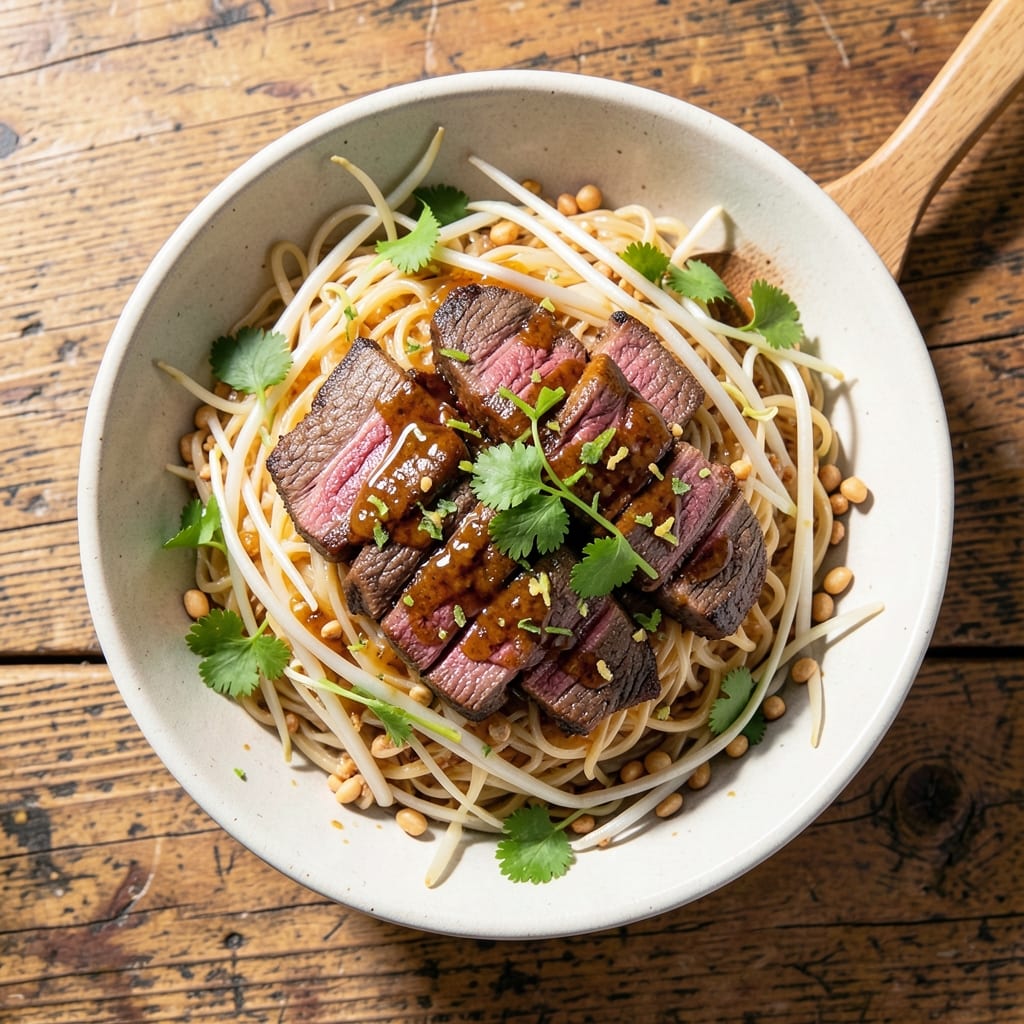
This authentic beef pad Thai recipe delivers the perfect balance of wok-heated noodles, tender beef strips, and that signature tangy-sweet tamarind sauce in just 30 minutes. The secret lies in proper rice noodle preparation—soaking them just right ensures they're tender but still hold their shape when stir-fried. I've perfected this technique after countless attempts, and the result is restaurant-quality pad Thai that's crispy in spots, chewy in the center, and packed with bold Thai flavors.
The foundation of authentic pad Thai is the sauce—a complex blend of tamarind paste, fish sauce, palm sugar, and a touch of lime that creates that signature sweet-sour balance. We'll stir-fry the beef just until it's tender but still holds its texture, then toss everything together in a hot wok to achieve that coveted "wok hei" or smoky aroma. The final touch? Fresh garnishes of bean sprouts, crushed peanuts, and lime wedges that add texture and brightness to every bite.
What sets this recipe apart is the attention to traditional techniques without sacrificing simplicity. We'll use a high-heat wok or large skillet to create those signature charred spots on the noodles while keeping the sauce glossy and flavorful. The beef comes out perfectly tender with just a hint of pink in the center, and the noodles maintain that ideal chewy texture that pad Thai lovers crave.
This dish is perfect for weeknight dinners when you crave something flavorful but don't want to spend hours in the kitchen. Serve it with extra lime wedges on the side and a sprinkle of fresh cilantro for that authentic street food experience. Let's get cooking!
Ingredients for authentic beef pad thai
Authentic pad Thai starts with these 15 essential ingredients for restaurant-quality flavor.
| Ingredient | Amount | Notes |
|---|---|---|
| Flat Rice Noodles 🍜 | 8 oz | Medium-width, dried (e.g., Sen Thai) |
| Flank Steak 🥩 | 1 lb | Thinly sliced against grain |
| Tamarind Paste 🍯 | ½ cup | Thick, unsweetened (e.g., Mae Ploy) |
| Fish Sauce 🍶 | ¼ cup | Red Boat preferred |
| Palm Sugar 🍬 | ½ cup | Or light brown sugar |
| Lime Juice 🍋 | ¼ cup | Freshly squeezed |
| Garlic Cloves 🧄 | 6 cloves | Minced, fresh |
| Shallots 🧅 | 4 whole | Thinly sliced, about 0.5 cup |
| Bean Sprouts 🌱 | 2 cups | Fresh, rinsed |
| Crushed Peanuts 🥜 | ½ cup | Roasted, unsalted |
| Fresh Cilantro 🌿 | ¼ cup | Chopped, for garnish |
| Vegetable Oil 🫒 | ½ cup | High smoke point |
| Salt 🧂 | 1 tsp | Kosher or sea salt |
| White Pepper 🌶️ | ½ tsp | Freshly ground |
| Eggs 🥚 | 2 whole | Fresh, lightly beaten |
The rice noodles are the backbone—Sen Thai brand is the gold standard, but any medium-width flat noodles work. Soak them in warm water for exactly 20-30 minutes until pliable but still firm. Flank steak needs to be sliced thinly against the grain for perfect tenderness. Asian markets carry pre-sliced versions, but slicing yourself ensures the best texture. For the tamarind paste, Mae Ploy is my go-to—it's thick and unsweetened, giving that authentic tang. If you can't find it, Thai Kitchen brand works in a pinch, but expect a slightly sweeter flavor.
No fish sauce? Soy sauce plus a pinch of sugar mimics the umami, though purists will notice the difference. Palm sugar is ideal, but light brown sugar dissolves just as well. The garlic and shallots should be minced finely—a food processor makes quick work of this. For the peanuts, Trader Joe's or Costco sell unsalted crushed peanuts in bulk, which is a game-changer for cost and freshness. Fresh lime juice is non-negotiable here—bottled juice lacks the bright acidity that balances the rich sauce. If you're short on time, pre-minced garlic from a jar works, but fresh is always better.
Store dried noodles in a cool, dry place for up to 1 year, though they lose freshness after 6 months. Fresh bean sprouts keep for 5-7 days in the fridge, wrapped in a damp towel. The sauce components (tamarind, fish sauce, sugar) last 6-12 months unopened, but once opened, use within 3 months. For meal prep, cook the noodles and beef ahead, then reheat with fresh garnishes—the texture holds up better than you'd expect. Freeze the sauce in ice cube trays for easy portioning.
Why You'll Love This Recipe
- No Soaking Required: I keep a bag of dried rice noodles in my pantry—just toss them in hot water for 3 minutes, and they’re ready. No waiting around for hours like with fresh noodles, and they hold up perfectly when tossed with that tangy tamarind-fish sauce mix.
- Tamarind Magic: That first bite? The tamarind paste cuts through the richness of the beef with a bright, almost citrusy punch. Honestly, it’s the secret weapon—skip it, and you’re missing half the soul of this dish.
- Lunchbox Hero: Between us, this is my go-to for meal prep. Reheat slices of beef pad thai with a splash of water, and it’s still got that chewy noodle texture and bold flavor the next day. My kids actually ask for leftovers—rare, I know.
- Budget-Friendly Feast: Flank steak stretches further than you’d think when sliced thin, and a little fish sauce goes a long way. I’ve fed four people for under $15 with this, and no one complains about the price tag.
Step-by-step instructions for authentic beef Pad Thai
Master the balance of tamarind, fish sauce, and wok heat for restaurant-quality Pad Thai at home.
Prepare the Tamarind Sauce Base
In a small bowl, combine the 0.5 cup tamarind paste with 0.25 cup fish sauce and 0.5 cup palm sugar. Whisk vigorously until the sugar dissolves completely and the mixture becomes smooth. This sauce is the soul of Pad Thai—tangy, salty, and perfectly balanced. Taste and adjust: add a pinch more sugar if it's too sour, or a splash of fish sauce if it needs more umami depth.
Set aside while you prepare the remaining ingredients. The sauce should be at room temperature for best flavor integration. If the tamarind paste is too thick, thin it slightly with 1 tablespoon hot water to help it blend smoothly into the wok later. This step is critical—don't skip the taste test or you might end up with an unbalanced dish.
Cook the Eggs and Flank Steak
Heat a wok or large skillet over high heat until smoking, then add 0.25 cup vegetable oil. Once the oil shimmers, push it to one side and add the 2 lightly beaten eggs. Scramble them quickly with a spatula until just set—about 30 seconds. Remove and set aside.
Increase the heat to maximum and add the 1 lb flank steak that's been sliced thinly against the grain. Stir-fry for 1-2 minutes until the meat is just cooked through but still tender. The high heat ensures the steak stays juicy while developing a slight char. Remove the steak and set aside with the eggs—both will be added back at the end to preserve their texture.
Stir-Fry Aromatics and Noodles
In the same wok, reduce heat to medium-high and add 0.25 cup vegetable oil if needed. Add the 6 minced garlic cloves and 4 thinly sliced shallots, stirring constantly for 30 seconds until fragrant but not browned. Add the 8 oz flat rice noodles and toss vigorously for 1-2 minutes until they begin to soften.
Here's where the magic happens: pour 2 cups hot water over the noodles and stir immediately. The noodles will soften in about 1 minute. Drain any excess water and return the noodles to the wok. Add the tamarind sauce you prepared earlier and toss everything together for 1 minute until the noodles are fully coated and the sauce has thickened slightly.
Combine and Finish with Fresh Elements
Return the cooked steak and eggs to the wok, tossing gently to combine. Add 2 cups bean sprouts and stir-fry for another 30 seconds until they're just wilted but still crisp. The high heat should create a slight smoky aroma—this is what gives Pad Thai its authentic wok-house character.
Finish with 0.25 cup lime juice, 1 tsp salt, and 0.5 tsp white pepper. Taste and adjust seasoning—you might need a touch more fish sauce for saltiness or lime for brightness. The dish should balance sweet, sour, salty, and umami perfectly. Remove from heat immediately to preserve the vibrant colors and crisp textures.
Garnish and Serve Immediately
Transfer the Pad Thai to serving plates and garnish with 0.5 cup crushed peanuts and 0.25 cup chopped fresh cilantro. The peanuts add crunch while the cilantro brings freshness. Serve immediately while everything is hot—Pad Thai is best enjoyed right out of the wok when the noodles are still slightly firm and the flavors are at their peak.
This authentic Pad Thai delivers the perfect tamarind balance with a wok-hot finish. The secret lies in the sauce, the high heat, and the fresh garnishes—each element working together to create that iconic street-food experience. Don't let the noodles sit too long after cooking, or they'll turn mushy and lose their perfect texture.
Pro Tips For Making Authentic Beef Pad Thai
- SOAK NOODLES SEPARATELY: I learned this the hard way—if you soak the entire batch of rice noodles in the wok with the sauce, they’ll turn mushy and glue together. Instead, soak them in warm water for 10-15 minutes, drain, and add them to the wok just before tossing with the sauce. They’ll absorb flavor without falling apart.
- SLICE STEAK AGAINST THE GRAIN: Flank steak’s tough fibers run parallel to the grain, and if you slice with them, your pad thai will feel like chewing shoe leather. Cut thin strips perpendicular to the grain—about ¼-inch thick—so they stay tender. A sharp knife and a steady hand make this easier than it sounds.
- TAMPER WITH TAMARIND: Tamarind paste is sticky, lumpy, and stubborn. Before measuring, mix it with a splash of warm water (about 1 tablespoon per 2 tablespoons paste) to dissolve it completely. Strain out any fibrous bits if you’re picky—this ensures your sauce is silky, not gritty.
- STIR-FRY IN BATCHES: Crowd the wok, and your beef will steam instead of sear. Cook the steak in 2-3 batches over high heat for 30-45 seconds per batch until just browned. Then push it to the sides, add aromatics (garlic, shallots), and toss everything together at the end—this keeps the beef crisp and the noodles from turning into paste.
Storing and reheating this dish
Noodle Storage Secrets
Store uncooked rice noodles in a cool, dry place like your pantry for up to 6 months—they'll keep their freshness longer than you'd expect. Once opened, transfer them to an airtight container with a tight-sealing lid to prevent moisture absorption. I keep mine in a glass container with a silicone lid to maintain crispness. For extra freshness, freeze dried noodles in 1-ounce portions—just thaw in warm water for 10 minutes before using. 🥫
Sauce Preservation
The tamarind-fish sauce blend stays fresh for 3 days in the fridge when stored in an airtight glass jar. Portion it into ice cube trays before freezing for easy single-use servings—just pop out what you need and toss into your wok. Never refrigerate palm sugar or fish sauce separately; keep them in their original containers with tight seals. For meal prep, make a double batch of sauce and freeze half in small containers labeled with the date. 🧊
Reheating Perfection
Pad Thai reheats best on the stovetop to preserve that wok-heated texture. Spread the dish over medium-high heat for 2-3 minutes, adding 1 tablespoon water if it looks dry. For microwave reheating, use 50% power for 1-2 minutes—cover with a damp paper towel to prevent drying. The key is speed: never reheat for more than 3 minutes, or the noodles will turn gummy. I always add fresh lime juice and crushed peanuts after reheating to restore brightness. ⚡
Freezer-Friendly Tips
Freeze cooked Pad Thai in single-serving portions for up to 2 months. Spread it on a tray to freeze solid first, then transfer to ziplock bags with all the sauce and garnishes. When reheating from frozen, use the stovetop method and add 2 tablespoons water to help revive the noodles. The texture won't be perfect—expect slightly softer noodles—but the flavors remain vibrant. For best results, reheat only what you'll eat immediately. 🥶
Garnish Refresh
Fresh garnishes make all the difference after reheating. Keep a small bowl of crushed peanuts and chopped cilantro in your fridge for quick topping. Store bean sprouts in a damp paper towel inside a sealed container—they'll stay crisp for 5-7 days. Lime wedges should be kept whole in the fridge and cut just before serving to maintain their zesty punch. I always keep a small cutting board near my stove for last-minute garnish prep. 🍋
Portion Control
Divide Pad Thai into individual portions before storing to prevent soggy noodles. Use glass or ceramic containers with tight lids—they maintain temperature better than plastic and won't absorb odors. Label each container with the date and reheating instructions. For lunch prep, portion the sauce separately and combine fresh when reheating. This keeps the dish tasting like it was just made. 📅
Nutrition facts
Frequently asked questions
Can I substitute flank steak with another type of beef?
Yes, but texture matters! Use sirloin or ribeye sliced thinly against the grain for tenderness. Avoid tough cuts like chuck—they won't cook quickly enough. For extra flavor, try pre-marinated beef strips from Asian markets, but reduce fish sauce slightly since they're already seasoned.
Why do my noodles turn mushy when cooking?
Over-soaking or undercooking is the culprit! Soak noodles in warm water for exactly 20-30 minutes, then drain well. When stir-frying, use hot water (not cold) and cook just 1 minute—they'll finish cooking in the wok. For extra insurance, rinse soaked noodles briefly in cold water before cooking.
How do I make the sauce less sweet?
Adjust the balance by adding 1 tsp more fish sauce (for saltiness) or 1 tbsp lime juice (for acidity). For a traditional approach, reduce palm sugar to 0.3 cup—this creates a more authentic tangy profile. Taste as you go! The sauce should coat the back of your tongue with all four flavors: sweet, sour, salty, and umami.
Can I make Pad Thai ahead of time?
Yes, but with strategy! Cook the noodles and beef separately, then store components in airtight containers—keep sauce and garnishes fresh. Reheat noodles and beef on high heat for 2 minutes, then toss with fresh sauce and garnishes. Never reheat fully assembled Pad Thai—it loses texture and flavor.
What's the best way to get that smoky wok aroma?
Heat your wok until it's smoking hot—this creates the signature "wok hei." Use a carbon steel or cast iron wok—they retain heat better than nonstick. Work quickly: high heat for 30 seconds per ingredient—this prevents soggy noodles while building flavor. A small amount of oil (just enough to coat) helps create those delicious charred spots.