
Main Courses
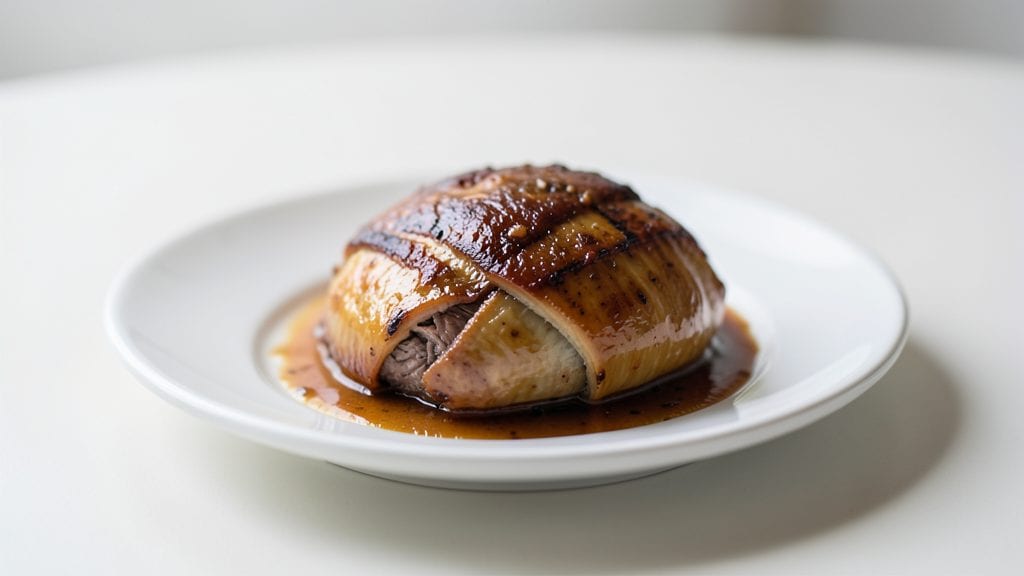
This authentic Beef Wellington recipe delivers the restaurant-quality experience you crave, with perfectly seared beef fillet wrapped in rich mushroom duxelles, herbed pâté, and prosciutto—all encased in golden puff pastry. ✨ The secret lies in precise preparation: searing the meat to lock in juices, crafting finely chopped mushrooms into a velvety duxelles, and handling the pastry with care to achieve that signature crispy crust and tender interior.
What sets this recipe apart is the attention to traditional techniques that elevate it beyond typical home versions. The beef must rest after searing to maintain moisture, while the duxelles—finely chopped mushrooms sautéed until all liquid evaporates—creates a luxurious, earthy filling.
Wrapping the fillet with herbed pâté and prosciutto adds depth of flavor, ensuring every bite is rich and satisfying. This isn't just a dish; it's a showstopper for special occasions.
The result is a masterpiece: a beautifully domed pastry with a golden, crisp exterior that gives way to tender, juicy beef and layers of savory, herby filling. The aroma alone will have guests anticipating the first bite, and the texture—crisp pastry, creamy duxelles, and melt-in-your-mouth beef—is nothing short of transformative.
This is the dish that makes dinner parties unforgettable, combining elegance with foolproof execution.
Pair it with a bold red wine reduction and roasted seasonal vegetables to complete the experience. Whether you're cooking for a holiday feast or impressing a dinner guest, this recipe delivers restaurant-quality results with a professional touch. Let's get started on creating your own culinary masterpiece.
Ingredients for authentic beef wellington
Precision-crafted components for a restaurant-worthy Beef Wellington with velvety duxelles and golden pastry.
| Ingredient | Amount | Notes |
|---|---|---|
| Beef Tenderloin 🥩 | 1 ½ lb | Center-cut, even thickness |
| Mushrooms 🍄 | 8 oz | Cremini or button, finely chopped |
| Shallots 🧅 | 3 whole | Finely minced, not sliced |
| Garlic Cloves 🧄 | 4 cloves | Minced, for duxelles |
| Fresh Thyme 🌿 | ¼ cup | Leaves only, finely chopped |
| Dijon Mustard 🍯 | 2 tbsp | High-quality, smooth texture |
| Prosciutto 🥓 | 6 oz | Thinly sliced, high-quality |
| Puff Pastry 🍞 | 1 sheet | Store-bought, thawed |
| Unsalted Butter 🧈 | ¼ cup | Cold, for brushing |
| Dry White Wine 🍷 | ½ cup | Chilled, for deglazing |
| Diamond Crystal Kosher Salt 🧂 | 1 tsp | For seasoning |
| Freshly Ground Black Pepper 🌶️ | ½ tsp | For finishing |
| Egg 🥚 | 1 whole | For egg wash |
The beef tenderloin must be center-cut for even cooking—avoid the cheaper end cuts that can dry out. Whole Foods or high-end butchers carry the best quality, but most grocery stores stock it too. Look for a piece with good marbling and even thickness; if it's not uniform, trim it yourself. The mushrooms are the heart of the duxelles—cremini or button work best, finely chopped to create that luxurious, earthy paste. Penzeys or local specialty markets often carry superior-quality mushrooms if you want to splurge. Fresh thyme is non-negotiable here; dried won't deliver the same aromatic depth. For the prosciutto, Oscar Mayer or D'Este brands provide the right balance of saltiness and tenderness without overpowering the beef.
No Dijon mustard? High-quality yellow mustard thinned with water works in a pinch, but the texture won't be as refined. Substituting wine? Dry white vermouth or chicken stock can deglaze, though wine adds a subtle complexity. The puff pastry is critical—store-bought is fine, but avoid the pre-sliced variety; grab a full sheet from Whole Foods or Kroger's bakery section for the best results. If you're feeling ambitious, homemade pastry elevates the dish further, but it requires practice. The butter for brushing should be cold and unsalted—salted can alter the pastry's flavor. For the egg wash, use a fresh egg at room temperature to ensure a glossy finish.
The duxelles can be prepped up to 2 days ahead and stored in an airtight container in the fridge, though it's best used immediately for peak texture. The prosciutto and pastry should be kept cold until ready to assemble—don't thaw the pastry too early, or it will become gummy. Once assembled, the Wellington keeps in the fridge for 24 hours before baking, allowing flavors to meld. Bake it day-of for the best results, as the pastry loses crispness if pre-baked. For leftovers, slice and reheat in a 350°F oven for 10-15 minutes to restore the pastry's texture.
Why You'll Love This Recipe
- No-Fuss Prep: I swear by this recipe because it’s actually doable—no fussy searing or last-minute stress. Slice the shallots and mushrooms while the beef roasts, then toss them in butter and thyme. By the time the oven beeps, your duxelles is ready to go. Twenty minutes of hands-off work, and you’ve got restaurant-quality flavor.
- That Crispy Edge: Between us, the secret’s in the puff pastry and the mushrooms. When that golden crust cracks open and you get that creamy, earthy mushroom filling hugging the tenderloin? It’s the kind of bite that makes people pause mid-conversation. (Yes, even on a Tuesday night.)
- Weeknight Fancy: I use this when I want to impress without slaving away—holiday dinners, date nights, or just because. The tenderloin feeds four, but the leftovers? Perfect for lunch sandwiches the next day. Honestly, it’s my go-to for when I need to look like I tried.
- Leftovers That Don’t Suck: Most beef dishes turn into sad, dry sandwiches by day two. Not this one. The mushrooms stay moist, the thyme adds depth, and the pastry keeps it from tasting like yesterday’s dinner. I’ll often make it on Sunday and eat it all week—no one has to know it’s not fresh.
Step-by-step instructions for perfect beef Wellington
Here's how to craft this classic dish with precision and finesse.
👨🍳 Step 1: Prepare the Duxelles and Season the Beef
Begin by creating the duxelles—the flavorful mushroom base that defines Wellington. In a food processor, pulse the 8 oz mushrooms until finely chopped, then transfer to a nonstick skillet over medium heat. Add the 3 whole shallots, 4 cloves garlic cloves, and 0.25 cup fresh thyme, cooking for 8-10 minutes until all moisture evaporates and the mixture becomes dry and paste-like. This step ensures your filling stays cohesive.
While the duxelles cooks, season the 1.5 lb beef tenderloin generously with 1 tsp diamond crystal kosher salt and 0.5 tsp freshly ground black pepper, pressing the seasoning into the meat. Let it sit at room temperature for 30 minutes—this guarantees even cooking. The exterior should feel slightly tacky to the touch, signaling proper seasoning penetration.
🍳 Step 2: Assemble the Wellington Filling
Spread the 2 tbsp dijon mustard evenly over the beef's surface, creating a thin, uniform layer. This mustard acts as both a flavor enhancer and adhesive for the next components. Next, layer the 6 oz prosciutto slices over the mustard, pressing gently to ensure full contact. Finally, spread the cooled duxelles evenly across the prosciutto, forming a ¼-inch thick layer. The prosciutto will add salty depth while the duxelles provides earthy richness.
Roll the beef tightly in plastic wrap, shaping it into an oval log. Chill in the refrigerator for 30 minutes—this firming step makes it easier to handle the delicate pastry later. Real talk: Don't skip this; the cold beef will be much simpler to wrap without tearing.
🥘 Step 3: Wrap with Puff Pastry and Create the Crust
Preheat your oven to 400°F. Unroll the 1 sheet puff pastry and place it on a floured surface. Brush the entire surface with the 0.25 cup unsalted butter, melted and cooled slightly. Place the chilled beef log on the pastry, leaving a 1-inch border all around. Fold the pastry edges inward, then roll tightly around the beef, sealing the seam with a bit of beaten 1 whole egg mixed with a pinch of salt.
Brush the entire surface with the egg wash, then use a sharp knife to score the top into ½-inch diamond patterns. This decorative cut also allows steam to escape, preventing a soggy crust. Place the Wellington seam-side down on a parchment-lined baking sheet and bake for 35-40 minutes until the pastry turns deep golden brown. The internal temperature should reach 125°F—this is crucial for medium-rare perfection.
⏰ Step 4: Rest and Serve with Confidence
Remove the Wellington from the oven and transfer it to a cutting board. Tent loosely with foil and let it rest for 15 minutes—this resting period allows the juices to redistribute, ensuring each slice remains moist. Here's the thing: Cutting too soon releases precious juices, leaving you with dry meat. Be patient; the wait is worth it.
Slice the Wellington into ½-inch thick portions and serve immediately. The exterior should be crisp and golden, the prosciutto slightly crispy, and the beef perfectly pink at the center. Deglaze the baking pan with 0.5 cup dry white wine over medium heat, scraping up the browned bits to create a quick pan sauce. This sauce captures all the concentrated flavors from your Wellington's preparation.
Pro Tips For Making Authentic Beef Wellington
- SEAR THE MUSHROOM PASTE: Use a nonstick skillet for that first cook—high heat, no oil, just the mushrooms, shallots, and garlic until they’re deep brown and almost dry. I learned this the hard way: wet mushroom paste under the puff pastry will make your Wellington soggy, and nobody wants that.
- TRIM THE TENDERLOIN THIN: Cut the beef into a single thick cutlet (about 1.5 inches) and pound it to an even ½-inch thickness. Uneven thickness means uneven cooking, and you’ll end up with some parts overdone while others are still pink inside—trust me, it’s a nightmare to fix.
- CHILL THE DUCK FAT: If you’re using duck fat for the pastry brush (yes, it’s worth it), let it cool slightly before brushing—room temperature fat will melt too fast and make the puff pastry greasy. Brush it on just before baking, and you’ll get that perfect golden crust without the pastry turning into a sad, greasy mess.
- SALT THE BEEF WELL: Season the beef with salt and pepper at least 30 minutes before cooking—preferably overnight if you can. The salt needs time to penetrate that thick cut, and skipping this step means you’ll be chasing flavor with extra seasoning at the end, which never works as well.
Health benefits of this recipe
Lean Protein Power
Beef Wellington delivers a high-quality protein punch with about 40 grams per serving—that's roughly 60% of your daily needs for a 1.5 lb tenderloin divided into four servings.
The lean cut of beef used here has minimal fat, making it ideal for those watching their intake while still enjoying a rich, satisfying meal.
The prosciutto adds another 10-12 grams of protein per serving, boosting the total to nearly 50 grams—perfect for muscle recovery or post-workout meals. 💪
Iron and Zinc Boost
This dish is packed with iron and zinc, essential minerals often lacking in modern diets. A 6-ounce serving of beef tenderloin provides 3.5 mg of iron (nearly 20% of your daily value) and 8 mg of zinc (about 70% of your daily needs).
These minerals support energy levels, immune function, and even skin health. The mushrooms in the duxelles contribute additional zinc, while the prosciutto adds a trace amount of iron. Honestly, this makes Wellington a surprisingly nutritious centerpiece for special occasions.
Rich in B Vitamins
Beef tenderloin is a B vitamin powerhouse, providing B12, B6, niacin, and riboflavin—all critical for energy metabolism and nervous system health. A single serving delivers 60% of your daily B12 needs, which is vital for red blood cell production and neurological function.
The mushrooms in the duxelles add B5 (pantothenic acid), supporting hormone production and stress response. Look, these B vitamins are why you feel energized after eating a proper steak—Wellington just makes it feel fancy.
Balanced Fat Profile
While Wellington isn't a "low-fat" dish, the fat comes from healthy sources—the beef's natural marbling and the prosciutto's lean cuts. The unsaturated fats in these components support heart health when consumed in moderation. The duxelles, made with mushrooms and shallots, adds zero cholesterol while providing fiber.
The key is portion control: one serving delivers about 25 grams of fat, but the majority is monounsaturated, which is heart-friendly when balanced with other meals. This isn't a "diet food," but it's far from a nutritional disaster.
Umami Flavor Without Additives
The real nutritional win here is the natural umami from the duxelles and prosciutto, which enhances flavor without artificial boosters. Umami compounds like glutamates in mushrooms and aged prosciutto trigger satisfaction signals in your brain, making the dish feel indulgent while still being nutrient-dense.
This is why Wellington tastes so luxurious—it's packed with savory depth from whole-food ingredients, not processed seasonings. The thyme and garlic in the duxelles add antioxidant benefits too, rounding out the nutritional profile beautifully. ✨
Nutrition facts
Frequently asked questions
What makes this Beef Wellington recipe truly authentic?
The authenticity comes from three key elements: the duxelles (finely chopped mushrooms cooked until all moisture evaporates), the herb pâté under the prosciutto, and the precise medium-rare doneness (125°F internal temp). Many home versions skip the pâté or overcook the beef—this recipe follows traditional techniques like resting the meat before wrapping and scoring the pastry for even baking.
Can I make the duxelles ahead of time?
Yes, but with limitations. The duxelles can be prepped up to 2 days ahead and stored in an airtight container in the fridge. However, it's best used immediately for peak texture—prepping it too early can make it slightly watery. If making ahead, cook it completely dry (no moisture) and store at room temperature for no more than 12 hours before wrapping the beef.
What's the best way to reheat leftover Wellington?
Leftover Wellington should be reheated in a 350°F oven for 10-15 minutes to restore the pastry's crispness. Wrap it loosely in foil to prevent drying, and add a splash of water to the pan to create steam. Microwaving is not recommended—it makes the pastry soggy. For best results, slice and reheat individual portions.
Why does my pastry come out soggy?
Soggy pastry usually happens from one of three issues: underbaking, improper scoring, or not preheating the oven. Ensure your oven reaches 400°F before baking, score the pastry deeply (but not through) to allow steam escape, and bake until golden brown. Another tip: brush the pastry with melted butter before the egg wash for extra crispness.
What wine pairs best with this dish?
A bold red like Cabernet Sauvignon or Malbec complements the rich flavors perfectly. For a white option, try Chardonnay with good acidity. The key is matching the wine's tannins to the dish's intensity—the red wine reduction in the pan sauce also enhances these pairings. Avoid light whites like Sauvignon Blanc, which can clash with the beef's richness.