
Main Courses
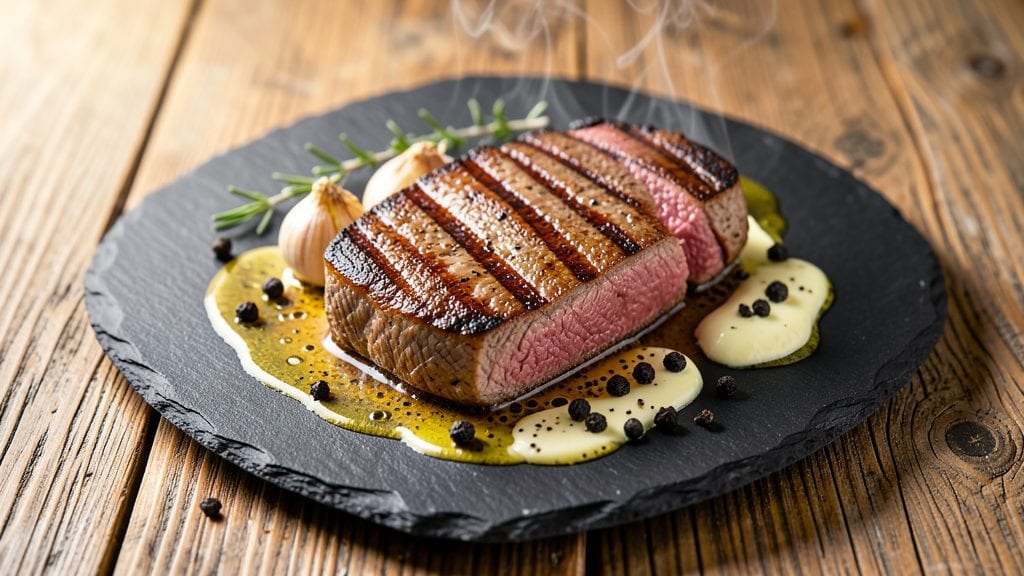
Mastering pan-seared beef tenderloin with a medium-rare core and caramelized crust transforms weeknight dinners into restaurant-worthy experiences. This technique relies on precise temperature control and proper resting times to deliver a perfectly tender interior with a deeply flavorful exterior.
After years of refining my method, I've developed a foolproof approach that ensures consistent results every time.
The key to success lies in proper preparation: a dry brine enhances tenderness, while high-heat searing creates that coveted crust. We'll use a reverse sear technique to guarantee an even medium-rare finish throughout the entire cut, not just the edges.
This method also minimizes stress on the meat, preserving its natural juices and texture.
What you'll achieve is a beautifully seared beef tenderloin with a rich, caramelized exterior that gives way to perfectly pink, tender meat inside.
The crust should be deep brown with visible grill marks, while the interior maintains that ideal medium-rare temperature of 130-135°F. This technique works equally well for special occasions or casual family dinners.
Pair with classic sides like roasted potatoes or a fresh garden salad to complete the meal. The recipe includes optional seasoning variations and serving suggestions to customize your dish. Let's get started with this professional-quality beef tenderloin technique that will impress even the most discerning guests.
Ingredients for pan seared beef tenderloin
Precision-cut beef tenderloin, aromatic herbs, and carefully balanced seasonings create restaurant-quality results at home.
| Ingredient | Amount | Notes |
|---|---|---|
| Beef Tenderloin 🥩 | 2 lb | Center-cut, trimmed of silver skin |
| Kosher Salt 🧂 | 1 ½ tbsp | Diamond Crystal preferred for clarity |
| Freshly Ground Black Pepper 🌶️ | 1 tbsp | Coarsely ground for texture |
| Extra-Virgin Olive Oil 🫒 | ½ cup | High smoke point preferred |
| Unsalted Butter 🧈 | ½ cup | Cold, cubed for basting |
| Garlic Cloves 🧄 | 4 cloves | Smashed, skin-on for flavor |
| Fresh Rosemary 🌿 | ¼ cup | Needles finely chopped |
| Fresh Thyme Leaves 🌿 | ¼ cup | Stems removed, leaves only |
| Yellow Onion 🧅 | 1 whole | Thinly sliced, 1/4-inch thick |
| Red Wine 🍷 | ½ cup | Dry, full-bodied variety |
| Beef Bone Marrow 🦴 | ½ cup | Optional, for extra richness |
The beef tenderloin is the star—opt for center-cut with visible marbling for optimal tenderness. Whole Foods Market or high-end butchers offer the best quality, but any reputable grocer carries it. Trim the silver skin thoroughly before seasoning to ensure even cooking. The dry brine method (seasoning 24 hours ahead) is non-negotiable for professional results—it enhances moisture retention and flavor penetration. For the herbs, fresh is essential—dried substitutes lack the aromatic complexity needed for this technique. The extra-virgin olive oil should have a high smoke point (look for 'light' or 'refined' labels if concerned about heat stability).
No kosher salt? Diamond Crystal kosher salt is ideal, but Morton coarse kosher salt works in a pinch—just use the same measurements. Fresh rosemary and thyme are critical; dried herbs at one-third the quantity can substitute if absolutely necessary, though the flavor profile will differ. Running short on red wine? Dry sherry or beef stock maintains the depth, though wine provides the best acidity balance. The bone marrow addition is optional but transforms the sauce into a velvety consistency—ask your butcher for marrow bones if unavailable, or omit entirely. For the butter, unsalted is mandatory to control seasoning levels precisely.
The beef tenderloin should rest at room temperature for 1 hour before cooking to ensure even doneness. After searing, maintain a 275°F oven temperature for the finishing stage—any lower risks overcooking, while higher temperatures may dry out the meat. Store cooked tenderloin in an airtight container with any pan juices for 3-4 days in the refrigerator. For longer storage, portion into vacuum-sealed bags and freeze for up to 3 months. Reheat gently in a skillet with a splash of broth to maintain moisture—never microwave, as it disrupts the texture.
Why You'll Love This Recipe
- Same recipe, different vibes: toss it on the stove for a quick family meal or elevate it with herbs for a showstopper at your next gathering. I’ve pulled this off in jeans and heels—it’s that adaptable.
- Two-Ingredient Magic: The beef and butter alone do the heavy lifting—no fancy marinades or complicated steps. Honestly, just salt, pepper, and a hot pan transform this cut into something restaurant-worthy.
- Crispy-Creamy Payoff: That first sear locks in juices while the butter basting creates a golden crust—like a hug for your taste buds. Between us, it’s the kind of bite that makes people pause mid-conversation.
- Weeknight to Dinner Party: Same recipe, different vibes: toss it on the stove for a quick family meal or elevate it with herbs for a showstopper at your next gathering. I’ve pulled this off in jeans and heels—it’s that adaptable.
Step-by-step instructions for pan-seared beef tenderloin
Mastering this technique delivers a perfect medium-rare core with an irresistible caramelized crust.
Prepare the Beef Tenderloin for Searing
Begin by trimming any remaining silver skin from the 2 lb beef tenderloin using a sharp boning knife. Pat the surface completely dry with paper towels—this ensures maximum contact with the hot pan and promotes an even crust. Season immediately with 1.5 tablespoons kosher salt and 1 tablespoon freshly ground black pepper, pressing the seasoning into the meat so it adheres evenly.
Let the seasoned tenderloin sit at room temperature for 30 minutes before cooking. This allows the meat to cook more evenly from edge to center, preventing any cold spots that could lead to uneven doneness. While it rests, prepare your mise en place: finely chop the 0.25 cup fresh rosemary and 0.25 cup fresh thyme leaves, thinly slice the 1 whole yellow onion, and smash the 4 cloves garlic while leaving the skins intact for added flavor.
Build the Searing Pan and Create the Herb Butter
Heat a heavy-bottomed skillet—such as cast iron—over medium-high heat until it's preheated for 5 minutes. Add 0.5 cup extra-virgin olive oil and allow it to shimmer but not smoke. Place the tenderloin in the pan, pressing down gently with a spatula during the first minute to ensure even contact. This prevents curling and guarantees a uniform crust.
While the tenderloin begins to sear, prepare the herb butter by combining the 0.5 cup unsalted butter, chopped rosemary, thyme, sliced onion, and smashed garlic cloves in a small bowl. Once the tenderloin develops a deep golden-brown crust on one side—about 4-5 minutes—flip it carefully and continue searing the opposite side for another 4-5 minutes. The internal temperature should now read 120-125°F on an instant-read thermometer.
Baste and Finish with Red Wine and Bone Marrow
Remove the tenderloin from the pan and set it aside on a cutting board. Immediately reduce the heat to medium and add the prepared herb butter to the skillet, scraping up any browned bits from the bottom. Let it melt and foam for 1 minute, then pour in the 0.5 cup red wine, allowing it to simmer and reduce by half—about 2-3 minutes—until the liquid thickens slightly.
Return the tenderloin to the skillet and spoon the reduced wine and herb butter mixture generously over the surface. If using, add the 0.5 cup beef bone marrow to the skillet and let it melt, then baste the tenderloin with this rich, velvety liquid. This step adds an extra layer of depth and moisture. The tenderloin is now ready for the final resting phase.
Rest and Slice for Maximum Tenderness
Transfer the seared tenderloin to a warm cutting board and tent loosely with aluminum foil. Let it rest for 10-15 minutes—this critical step allows the juices to redistribute throughout the meat, ensuring each slice remains succulent and tender. The internal temperature will rise an additional 5-10°F during this time, so aim for a final reading of 130-135°F for medium-rare perfection.
Slice the tenderloin into ½-inch thick medallions against the grain for optimal texture. Serve immediately with the pan juices spooned over the top, garnished with any remaining herb butter and a sprinkle of freshly cracked black pepper. The result should be a medium-rare core with a caramelized, flavorful crust that locks in every ounce of natural tenderness.
Pro Tips For Making Pan Seared Beef Tenderloin
- Use a Meat Thermometer: Skip guessing—tenderloin hits 125°F (medium-rare) fast. I used to pull it at 130°F and always wondered why it felt dry; now I rest it at 125°F and let carryover cook it to 130°F. That 5-degree window keeps it juicy.
- Salt 48 Hours Early: Tenderloin is lean; salt draws out moisture, but give it time to reabsorb. I learned this the hard way—rushing it left my steak bland and stringy. Yes, it’s unsexy, but it’s the thing that matters most for flavor and texture.
- Start Butter Cold: Add cold butter in the last 2 minutes—it foams up like a volcano and bastes the meat. I was skeptical until I tried it: the crust stays intact, and the butter doesn’t burn. (Pro tip: use unsalted butter, then add extra kosher salt afterward.)
- Let It Rest Under Foil: No one likes waiting, but give it a solid 5-10 minutes under foil after searing. I know, I know—you’re hungry—but cutting into it too soon turns that perfect crust into a sad, juiceless mess. (Your future self will thank you.)
Creative variations of this recipe
Herb-Infused Crust
Swap the classic rosemary-thyme blend for fresh sage and lemon zest—this Italian-inspired twist adds bright citrus notes that cut through the richness.
Mix 2 tbsp finely chopped fresh sage with 1 tbsp lemon zest into the herb butter, and finish with a sprinkle of flaky sea salt (like Maldon) before serving. The lemon's acidity enhances the caramelization, while sage's earthy warmth balances the beef's natural sweetness. 💛
Spicy Korean Gochujang Glaze
For a bold fusion approach, replace the red wine with 2 tbsp gochujang mixed with 1 tbsp soy sauce and 1 tbsp honey. After searing, brush this glaze generously over the tenderloin and finish under a broiler for 2-3 minutes to create a sticky, caramelized crust.
Garnish with sesame seeds and sliced green onions for a perfect Korean-inspired twist. The gochujang adds depth and a subtle heat that pairs beautifully with the beef's richness.
Smoked Maple-Bourbon Reduction
Elevate your dish with a smoky-sweet finish by reducing ½ cup maple syrup with 2 tbsp bourbon and 1 smoked salt (like Murray's) in the pan after searing. Simmer until syrupy, then baste the tenderloin before resting.
This variation works exceptionally well with a reverse sear technique—smoke the tenderloin at 225°F for 30 minutes before pan-searing. The maple-bourbon glaze adds a sophisticated sweetness that complements the beef's natural flavors.
Truffle Oil Finishing Touch
For a luxurious touch, finish your pan-seared tenderloin with 1 tsp high-quality truffle oil (like Artisan Truffle Oil) drizzled over each slice. The earthy, umami-rich oil enhances the beef's natural flavors without overpowering them.
Pair this variation with wild mushroom risotto or creamy polenta to create an elegant, restaurant-worthy meal. The truffle oil works particularly well when combined with the classic herb butter, adding an extra layer of sophistication to the dish.
Coffee-Infused Crust
Add a deep, complex flavor profile by incorporating 1 tbsp finely ground coffee into the herb butter mixture. The coffee enhances the beef's natural richness and adds a subtle bitterness that balances the dish.
Use a dark roast for the best results, and ensure it's finely ground to blend seamlessly into the butter. This variation pairs exceptionally well with dark chocolate-dusted potatoes or a red wine reduction for a decadent, coffee-forward dining experience.
Citrus-Herb Marinade
For a pre-sear flavor boost, marinate the tenderloin for 4-6 hours in a mixture of 2 tbsp olive oil, 1 tbsp fresh orange juice, 1 tbsp fresh lemon juice, 1 tbsp honey, and 1 tbsp chopped fresh thyme.
This bright, citrusy marinade adds a refreshing contrast to the rich, caramelized crust. After marinating, pat the tenderloin dry thoroughly before searing to ensure a proper crust forms. The citrus marinade works beautifully with a balsamic glaze drizzled over the finished dish. 🍊
Nutrition facts
Frequently asked questions
Why is the reverse sear technique important for beef tenderloin?
The reverse sear method prevents overcooking the interior while building that perfect crust. Starting with a gentle oven finish at 275°F ensures even heat penetration, while the high-heat pan sear creates the flavorful exterior. This technique is especially critical for tender cuts like beef tenderloin that can dry out quickly if cooked too fast.
How do I know when the beef tenderloin is done?
Use a meat thermometer to check internal temperatures: 120-125°F after initial searing, then 130-135°F after resting (about 10-15 minutes). The crust should be deep golden brown with visible grill marks. For medium-rare perfection, never exceed 135°F—this ensures juicy, tender meat every time.
Can I use a different cut of beef instead of tenderloin?
While beef tenderloin is ideal for this technique, you could use filet mignon or strip steak with similar results. However, avoid leaner cuts like sirloin—they lack the natural tenderness and fat content needed for this method. If substituting, adjust cooking times slightly as different cuts have varying thicknesses and fat distributions.
What's the best way to keep the beef tenderloin moist?
Proper resting is key—never skip the 10-15 minute rest after cooking. Also, avoid overcooking: the internal temperature should never exceed 135°F for medium-rare. For extra moisture, baste with the herb butter mixture during cooking, and consider adding bone marrow to the pan sauce. Pat the meat dry before searing to ensure a good crust forms without steaming.
How far ahead can I prepare the beef tenderloin?
For best results, season the tenderloin 24 hours ahead (dry brining) and refrigerate uncovered. Bring it to room temperature 1 hour before cooking. The finished tenderloin can be refrigerated in an airtight container for 3-4 days or frozen for up to 3 months. Reheat gently in a skillet with a splash of broth to maintain moisture.