
Main Courses
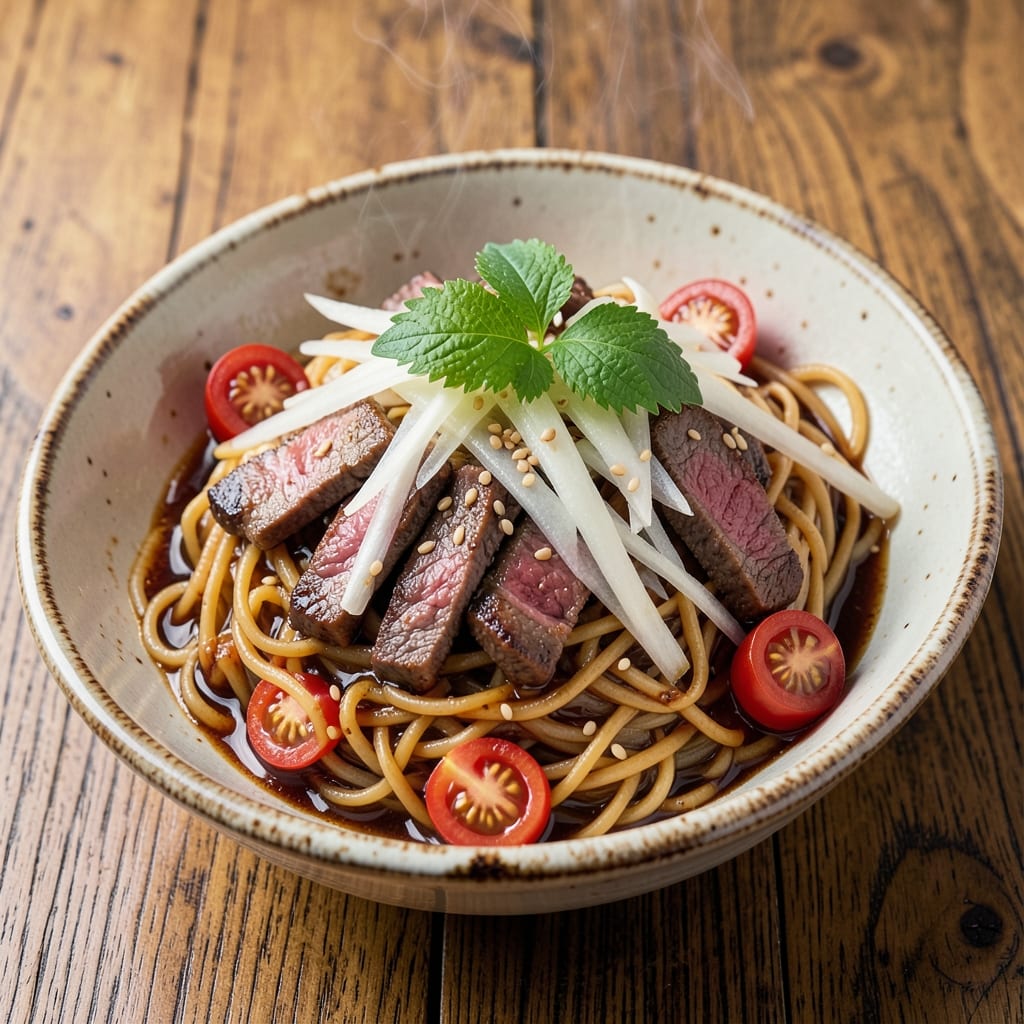
This authentic beef yakisoba recipe delivers the perfect balance of wok-seared beef, silky noodles, and umami-rich sauce—just like Japan’s izakaya stalls. The secret lies in high-heat stir-frying and a tonkatsu-based sauce that caramelizes into a glossy, savory glaze. I’ve refined this dish over years of testing, ensuring every bite delivers that satisfying crunch and chewy texture that makes yakisoba irresistible.
The foundation starts with properly cooked yakisoba noodles—al dente but still tender—then comes the beef, sliced thin and stir-fried until it develops a crispy crust while staying juicy inside. A homemade sauce, blending Worcestershire, soy, and a touch of mirin, ties everything together with deep, savory notes. The sauce isn’t just poured on; it’s reduced and simmered to concentrate its flavors, creating that signature sticky-sweet glaze.
What sets this recipe apart is the plating: a generous mound of noodles, seared beef slices fanned across the top, and optional garnishes like menma (bamboo shoots), negi (green onions), or a fried egg for extra richness. The result is a dish that looks as impressive as it tastes—restaurant-quality at home, without the fuss. Whether you’re feeding a crowd or treating yourself, this yakisoba delivers the bold, comforting flavors of Japan’s street food culture.
For those looking to modernize, gluten-free noodles work beautifully, and a spicy mayo drizzle adds a contemporary twist. The technique is straightforward, but the payoff—crispy beef, silky noodles, and a sauce that clings to every bite—is pure umami perfection. Let’s get cooking!
Ingredients for authentic beef yakisoba
Authentic yakisoba starts with these precise ingredients—each playing a role in the umami symphony.
| Ingredient | Amount | Notes |
|---|---|---|
| Yakisoba Noodles 🍜 | 12 oz | Fresh or dried, gluten-free option available |
| Ribeye Steak 🥩 | 1 lb | Thinly sliced against grain, boneless |
| Worcestershire Sauce 🍶 | 1 tbsp | High-quality, anchovy-free preferred |
| Light Soy Sauce 🧂 | 3 tbsp | Kikkoman preferred for authentic flavor |
| Dark Soy Sauce 🧂 | 1 tbsp | For deeper color and complexity |
| Mirin 🍶 | 1 tbsp | Sweet cooking rice wine, not imitation |
| Sesame Oil 🫒 | 1 tbsp | Toasted, for aroma and richness |
| Neutral Oil 🫒 | 2 tbsp | Vegetable or canola, high smoke point |
| Garlic Cloves 🧄 | 4 cloves | Minced finely for aromatic base |
| Fresh Ginger 🌿 | 1 tbsp | Grated finely, for zesty kick |
| Bamboo Shoots (Menma) 🌱 | 1 cup | Canned, drained and sliced |
| Green Onions (Negi) 🧅 | 4 whole | Thinly sliced, for garnish |
| Sesame Seeds 🌰 | 1 tbsp | Toasted lightly for crunch |
| Kosher Salt 🧂 | 1 tsp | Diamond Crystal preferred |
| Black Pepper 🌶️ | ½ tsp | Freshly cracked for heat |
The ribeye is non-negotiable for that signature beefy crunch. Look for well-marbled cuts at specialty butchers or the meat department of Whole Foods—they often carry premium Japanese-style beef. Slice it against the grain for maximum tenderness; freeze for 30 minutes first to make slicing easier. Yakisoba noodles should be fresh or high-quality dried—brands like Nissin or Maruchan deliver the right chew. For gluten-free, Shin Ramyun or Sapporo noodles work perfectly. The bamboo shoots add authentic texture, but if unavailable, water chestnuts make a decent substitute.
Worcestershire sauce is the umami backbone, so Lea & Perrins is a must—avoid the anchovy-free versions if you want that classic depth. Mirin isn’t just sweetener; it’s the glaze-maker. Hosho or Kikkoman brands are reliable. Need a soy sauce swap? Tamari works 1:1, but the color will be lighter. Fresh ginger and garlic should be bright and pungent—no dusty jars here. For extra authenticity, toasted sesame oil (not the light kind) adds that nutty aroma that defines yakisoba. If you’re short on time, pre-minced garlic from a jar (like Minor’s) works in a pinch, though fresh is ideal.
Store prepped ingredients smartly: raw beef and noodles keep 3 days in the fridge, while sauce components last 5 days. Toasted sesame seeds stay fresh 2 weeks in an airtight container. The bamboo shoots can be prepped ahead and stored in water in the fridge for 4 days. For make-ahead convenience, cook the noodles and beef separately, then reheat in a wok with fresh sauce—just 3 minutes over high heat to revive that crispy texture. Garnishes like negi and sesame seeds should be added fresh post-cooking to preserve their vibrant flavors.
Why You'll Love This Recipe
- One-Pan Magic: I swear by this recipe when I’m too tired to scrub a million dishes. The ribeye strips sear right in the same pan as the noodles—no extra pots, no fuss. Just toss in the sauces, let it caramelize, and boom: dinner’s done.
- Umami Bomb: That combo of Worcestershire and dark soy sauce? It’s what turns this into a flavor explosion. The ribeye adds richness, while the light soy keeps it bright—like a perfect balance of smoky, salty, and slightly sweet. Honestly, I’ve had takeout that didn’t hit this hard.
- Leftover Goldmine: Make a big batch on Sunday, and you’ve got lunch for the week. The noodles hold up surprisingly well when reheated, and the beef stays tender. My kids actually ask for this—yes, even on a Tuesday night—because it’s just that good cold or warmed.
- Budget Steakhouse Feel: Ribeye doesn’t have to be a splurge here. Thinly sliced and cooked fast, it stretches far enough to feel special without breaking the bank. Between us, this is how I trick myself into thinking I’m eating fancy when I’m really just saving money.
Step-by-step instructions for authentic beef yakisoba
Master this wok technique to deliver restaurant-quality yakisoba with perfectly seared beef and silky noodles.
Prepare the Yakisoba Noodles and Marinate the Beef
First, prepare the yakisoba noodles according to package instructions, but cook them for just 1 minute less than recommended. They'll finish cooking in the wok. Drain and set aside, reserving ½ cup of the pasta water.
While the noodles cook, slice the ribeye steak thinly against the grain into ¼-inch thick strips. In a small bowl, combine the 1 tbsp Worcestershire sauce, 3 tbsp light soy sauce, 1 tbsp dark soy sauce, 1 tbsp mirin, 1 tbsp sesame oil, 1 tsp kosher salt, and 0.5 tsp black pepper. Toss the steak strips in this marinade and let them sit for 10 minutes while you prep the remaining ingredients.
Sear the Beef and Build the Umami Base
Heat a wok or large skillet over high heat until smoking, then add 2 tbsp neutral oil. Working in batches if needed, sear the marinated beef for 1-2 minutes per side until deep brown and slightly charred. Remove the beef and set aside on a plate.
In the same wok, add the 4 cloves minced garlic and 1 tbsp grated fresh ginger, cooking for 30 seconds until fragrant. Add the 1 cup sliced bamboo shoots and stir-fry for 2 minutes until heated through. This aromatic base forms the flavor foundation of your yakisoba.
Combine and Finish with Silky Noodles
Return the seared beef to the wok along with the cooked yakisoba noodles. Toss everything together for 1 minute to coat the noodles in the beef juices. Add ½ cup of the reserved pasta water and toss vigorously for another 30 seconds to create a glossy, silky sauce.
The noodles should be fully coated with a glossy sheen—this indicates proper sauce integration. If the mixture appears too dry, add another 1-2 tablespoons of pasta water. The texture should be tender yet slightly resistant to the bite, with a satisfying chew.
Garnish and Serve Immediately
Transfer the yakisoba to serving plates and garnish each portion with 1 tablespoon toasted sesame seeds and 1 whole sliced green onion. The contrast between the toasted seeds and fresh green onions adds both texture and visual appeal.
Serve immediately while the noodles are still hot and the beef maintains its perfect sear. The dish should deliver a harmonious balance of umami from the beef and soy sauces, sweetness from the mirin, and a satisfying textural contrast between the silky noodles and crispy beef strips.
Pro Tips For Making Authentic Beef Yakisoba
- SEAR THE STEAK FIRST: Cut that ribeye against the grain into ¼-inch slices, then hit a screaming-hot pan with just a drizzle of oil—no crowding. I learned this the hard way: trying to cook thick slices later leaves them tough. Get those slices browned and piled in a bowl while you prep everything else; they’ll stay warm and tender.
- DON’T BOIL THE NOODLES: Yakisoba noodles are already pre-cooked, so hit them with a splash of water (about ¼ cup) and toss until they’re pliable and slightly sticky—maybe 30 seconds max. Boiling them turns them mushy and ruins the texture. Works like a charm, even when I’m impatient.
- BALANCE THE SAUCES NOW: Mix your light and dark soy sauces (start with 2:1 ratio) before adding Worcestershire, then taste. Too salty? Add a splash of water. Too thin? A pinch of sugar or a drizzle of honey balances it. I used to eyeball it and always ended up with a mouthful of salt—now I adjust early.
- STIR-FRY IN BATCHES: Cook the noodles, beef, and veggies (if using) in two separate heats—first the beef and harder veggies, then the noodles. Overcrowding the pan steams the beef instead of searing it. My grandmother swore by this, and she was right: the beef stays juicy, and the noodles get that perfect char.
Perfect pairings for this dish
Classic Side Pairings
Start with quick-pickled vegetables—thinly slice daikon radish and carrots, then soak in a mix of rice vinegar, 1 tsp sugar, and a pinch of red pepper flakes for 15 minutes. This bright, tangy contrast cuts through the richness of the beef and noodles. I love using Kikkoman rice vinegar for that authentic Japanese tang. 🥕
Drink Pairings
A crisp Japanese lager like Asahi Super Dry or Sapporo Premium Beer complements the dish beautifully—its clean, slightly sweet profile balances the umami depth. For non-alcoholic, try ramune soda (lychee or melon flavor) or a refreshing green tea iced latte with hōjicha powder. The tea’s earthy notes enhance the beef’s caramelized crust. 🍶
Modern Garnish Twists
For a contemporary touch, drizzle with spicy mayo—mix 2 tbsp mayonnaise with ½ tsp sriracha and a pinch of toasted sesame seeds. Another fun option is crispy shallots: thinly slice 2 shallots, fry in neutral oil until golden, and sprinkle over the top. Both add texture and a bold flavor punch that elevates the dish. ✨
Dessert Complements
End the meal with something light yet satisfying, like matcha mochi or black sesame soft-serve ice cream. The earthy matcha or nutty sesame ties back to the dish’s Japanese roots while providing a sweet contrast. For a quicker option, serve mochi ice cream with a drizzle of kinako (roasted soybean flour). 🍡
Protein Swap Pairings
If you’re serving this yakisoba alongside other proteins, pair it with grilled miso-glazed salmon or teriyaki chicken thighs. The salmon’s richness complements the beef’s umami, while the chicken’s tenderness offers a lighter alternative. For a vegetarian option, mushroom yakisoba (using shiitake and enoki) works perfectly—just swap the beef for extra mushrooms and a splash of dashi stock. 🍗
Nutrition facts
Frequently asked questions
Can I use regular spaghetti instead of yakisoba noodles?
While spaghetti will work in a pinch, it won't give you that authentic chewy texture and slightly crispy edges that make yakisoba special. For the best results, use fresh yakisoba noodles (like Nissin or Maruchan) or high-quality dried yakisoba. If you're gluten-free, look for specialty brands like Shin Ramyun or Sapporo noodles—they're designed to mimic the texture of traditional yakisoba.
How do I get the beef as crispy as in restaurants?
The secret is high heat and thin slicing! Use a well-marbled ribeye sliced against the grain into ¼-inch thick strips. Sear in a smoking-hot wok or skillet with just 2 tbsp neutral oil for 1-2 minutes per side—don't overcrowd the pan. A quick freeze before slicing makes the beef easier to cut thinly for that perfect crunch.
Can I make the sauce ahead of time?
The sauce components (Worcestershire, soy sauces, mirin, and sesame oil) can be mixed and stored in the fridge for up to 5 days. For best results, reduce it by half on the stove before using—simmer for 3-4 minutes until slightly thickened. Just add the fresh garlic, ginger, and bamboo shoots when stir-frying to keep those aromatics vibrant.
What's the best way to reheat leftovers?
Yakisoba doesn't reheat as well as it cooks fresh, but you can revive it with this trick: Heat a wok over high heat with 1 tbsp neutral oil, add the cold yakisoba, and toss for 2-3 minutes until everything is piping hot. Add 1-2 tbsp water or broth to create steam and prevent drying. The beef will crisp up again, but the noodles might lose some chew—best enjoyed fresh!
Why does my yakisoba sauce turn out too salty?
Most likely, you're using too much soy sauce or not balancing the flavors properly. Start with the recommended amounts (3 tbsp light + 1 tbsp dark soy sauce) and taste as you go. The mirin and Worcestershire help balance saltiness—if it's still too strong, add a splash of rice vinegar or a pinch of sugar to cut through. Always taste your sauce before combining with noodles!