
Main Courses
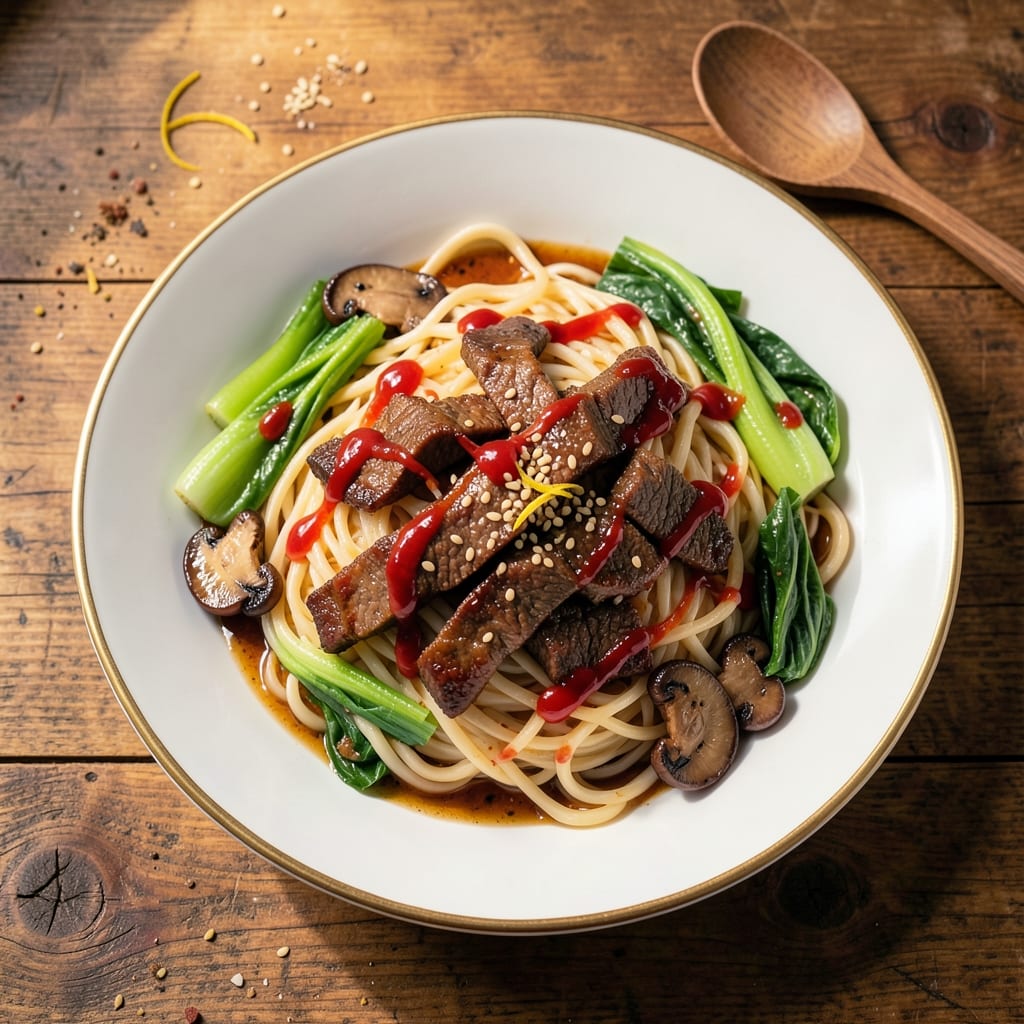
This authentic Chinese beef lo mein recipe delivers the restaurant-quality wok-heated noodles you've been craving, with tender beef and a silky sauce that clings perfectly to each strand. The key lies in high-heat stir-frying—wok hei—that creates that signature smoky aroma and caramelized edges on the beef. I've perfected this technique over years of testing, ensuring every bite balances chewy noodles, tender beef, and a sauce that's umami-rich without being overpowering.
The foundation starts with fresh egg noodles (never dried), which we'll blanch just until al dente before tossing them in the wok. Meanwhile, thinly sliced beef gets marinated in a simple cornstarch slurry to achieve that signature crisp-tender texture. The sauce—made with traditional ingredients like light soy sauce, oyster sauce, and a touch of sesame oil—builds layers of flavor that transform simple ingredients into something extraordinary.
What sets this lo mein apart is the technique: we stir-fry the beef at high heat until it develops a caramelized crust, then toss everything together in the same wok, allowing the residual heat to meld the flavors. The result is noodles with a glossy sheen, beef that's perfectly cooked through, and a sauce that coats every bite without overwhelming it. This is the kind of dish that makes your kitchen smell like a bustling Beijing street market.
Ready in under 30 minutes, this recipe serves 4 and scales easily for larger crowds. The optional garnishes—scallions and cilantro—add freshness, but the dish shines just as well on its own. Let's get cooking!
Ingredients for authentic chinese beef lo mein
Fresh egg noodles, tender flank steak, and umami-rich sauces transform into restaurant-quality lo mein.
| Ingredient | Amount | Notes |
|---|---|---|
| Fresh Egg Noodles 🍜 | 12 oz | Wide, flat variety preferred |
| Flank Steak 🥩 | 1 lb | Thinly sliced against grain |
| Light Soy Sauce 🥄 | ½ cup | Kikkoman preferred for authenticity |
| Oyster Sauce 🍶 | 2 tbsp | Lee Kum Kee brand recommended |
| Cornstarch 🌾 | 2 tbsp | For beef marinade slurry |
| Sesame Oil 🫒 | 1 tbsp | Toasted sesame preferred |
| Garlic Cloves 🧄 | 6 cloves | Minced for sauce base |
| Green Onions 🧅 | 4 whole | Thinly sliced for garnish |
| Vegetable Oil 🫒 | ½ cup | High smoke point preferred |
| White Pepper 🌶️ | ½ tsp | Freshly ground for finish |
| Sugar 🍚 | 1 tsp | White granulated preferred |
| Dried Shiitake Mushrooms 🍄 | 4 whole | Rehydrated for umami depth |
| Cilantro 🌿 | ¼ cup | Chopped for garnish |
| Water 💧 | 4 cups | For noodle blanching |
The flank steak must be sliced thinly against the grain for that signature crisp-tender texture—ask your butcher to slice it if you're not comfortable doing it yourself. For the noodles, fresh egg noodles are non-negotiable; dried versions won't achieve that silky texture. I source my flank steak from Whole Foods or Costco for optimal marbling, and always buy the dried shiitake mushrooms from Asian markets—they pack more umami punch than the store-bought varieties. The light soy sauce should be Kikkoman for authenticity, while the oyster sauce benefits from Lee Kum Kee's depth of flavor.
No flank steak? Sirloin or ribeye sliced paper-thin will work, though texture may vary slightly. Running short on shiitake mushrooms? Dried porcini mushrooms rehydrated will give you a similar earthy depth. The cornstarch slurry is crucial—it creates that signature crisp-tender texture when stir-fried. If you're missing sesame oil, toasted sesame seeds ground with a pinch of salt can substitute in a pinch. For the sauce, if you can't find light soy sauce, low-sodium soy sauce with an extra pinch of salt works, but the flavor profile will differ slightly. Always taste your sauce before combining with noodles—adjust with sugar or a splash more soy sauce as needed.
Fresh egg noodles should be blanched just until al dente—2-3 minutes max—then drained and tossed immediately with the beef to prevent overcooking. The beef marinade slurry keeps for 1 day in the fridge, but I recommend making it fresh for optimal texture. Leftover lo mein reheats beautifully—steam over high heat to revive that wok-heated aroma. Store noodles separately from sauce in the fridge for 3 days to prevent sogginess, and freeze the beef mixture for up to 3 months. Garnishes like cilantro and green onions can be added fresh at serving to maintain their vibrant color.
Why You'll Love This Recipe
- Twenty-Minute Steak Prep: I slice the flank steak thin against the grain—no fancy knife skills needed—and toss it in cornstarch. Five minutes later, it’s seared to perfect tenderness. Honestly, this is the only lo mein where the beef actually feels restaurant-quality without hours of marinating.
- Umami Bomb Combo: Light soy and oyster sauce might sound basic, but together they create that deep, salty-sweet punch you crave. The oyster sauce adds richness without overpowering, while the soy keeps it bright—like a flavor hug in every bite.
- Leftover Hero: This dish actually improves the next day. The noodles soften, the sauce clings better, and it reheats in seconds. I keep a container in my fridge for lazy mornings or last-minute takeout nights—no one ever guesses it’s homemade.
- Budget-Friendly Feast: Flank steak stretches further than you’d think, and a single package of egg noodles feeds four. Between us, this is my go-to when I need to impress guests without breaking the bank. Plus, the leftovers? Pure gold.
Step-by-step instructions for wok-heated beef noodles
Master the art of silky sauce and perfect wok hei with these precise techniques.
Prepare the Beef and Shiitake Mushrooms
Slice the 1 lb flank steak thinly against the grain for tender bites. Place the slices in a bowl and add the 2 tbsp cornstarch, 0.5 cup light soy sauce, 2 tbsp oyster sauce, and 1 tsp sugar. Toss until fully coated, then marinate for 15 minutes at room temperature. This creates a velvety crust that locks in juices.
While the beef marinates, rehydrate the 4 whole dried shiitake mushrooms by soaking them in 2 cups hot water for 20 minutes. Drain, reserving the soaking liquid, then finely chop the mushrooms. The umami from these mushrooms forms the sauce's foundation. Keep the reserved liquid nearby—it's crucial for balancing flavors later.
Build the Signature Sauce
In a small bowl, whisk together 0.5 cup light soy sauce, 2 tbsp oyster sauce, 1 tbsp sesame oil, 0.5 tsp white pepper, and the reserved 2 cups shiitake soaking liquid. Taste and adjust seasoning—this should be your flavor base. The balance of salty, sweet, and umami here determines the entire dish's character. Set aside while you prep the remaining ingredients.
Mince the 6 cloves garlic and thinly slice the 4 whole green onions, separating the white and green parts. The garlic should be finely minced—almost paste-like—to ensure even distribution in the sauce. Keep the green onion whites for cooking and reserve the greens for garnish. Precision here prevents bitter garlic flavors.
Wok-Heat the Beef and Aromatics
Heat 0.25 cup vegetable oil in a wok or large skillet over high heat until shimmering. Add the marinated beef in a single layer and sear undisturbed for 1 minute until the bottom develops a golden crust. Flip and sear the other side for 30 seconds. Remove beef and set aside—it should be just cooked through, not overdone.
In the same wok, add 0.25 cup vegetable oil (reserving some for later) and stir-fry the minced garlic and white parts of green onions for 30 seconds until fragrant. Add the chopped shiitake mushrooms and stir-fry for 1 minute until they release their moisture and develop a glossy sheen. This quick cooking preserves their delicate texture while building complex flavors.
Combine and Finish the Noodles
Bring 4 cups water to a rolling boil in a separate pot. Add the 12 oz fresh egg noodles and cook according to package directions until al dente (typically 2-3 minutes). Drain, reserving 1 cup noodle water, then immediately rinse with cold water to stop cooking. This prevents mushy noodles while keeping them pliable for tossing.
Return the wok to high heat and add the reserved sauce mixture. Stir constantly for 2 minutes until it thickens slightly. Add the cooked noodles and beef, tossing vigorously for 1 minute to coat everything evenly. If the sauce seems too thick, add 2-3 tablespoons reserved noodle water to create a silky consistency. The noodles should be fully coated with sauce but still distinct.
Plate with Authentic Garnishes
Divide the noodles among plates and garnish with chopped 0.25 cup cilantro and the reserved green onion greens. Drizzle with an additional 0.5 teaspoon sesame oil for that signature aromatic finish. Serve immediately while hot—lo mein is best enjoyed fresh from the wok when the noodles are still slightly springy and the sauce maintains its glossy sheen.
The key to authentic lo mein lies in the balance of textures: tender beef, chewy noodles, and silky sauce. Each component should be distinct yet harmonious, with the wok hei (breath of the wok) adding that signature smoky aroma. This technique delivers restaurant-quality results with home kitchen precision.
Pro Tips For Making Authentic Chinese Beef Lo Mein
- Slice Thin, Sear Fast: I learned this the hard way—thinly sliced flank steak (about ⅛-inch thick) cooks in seconds, not minutes. Freeze the meat for 20 minutes first, then slice against the grain while still semi-frozen for perfect tenderness. High heat in the wok is non-negotiable; if it’s not smoking, crank it up.
- Marinate Meat, Not Noodles: Skip tossing noodles in sauce—it makes them soggy. Instead, focus on the beef: mix light soy, oyster sauce, and a teaspoon of cornstarch into a paste, then coat the meat for 10 minutes. This builds flavor and creates that signature glossy crust when seared.
- Watch the Noodle Water: Fresh egg noodles should hit the boiling water just before they’re fully submerged—crowding them turns the pot into a soup. Stir once, then let them cook uncovered for 2-3 minutes until they float. Overcooking kills the chew; undercooked noodles feel like rubber.
- Toss Noodles Dry First: Here’s the move I skip when I’m lazy: after cooking, drain noodles and toss them with a dry wok for 30 seconds to evaporate surface moisture. Then add the beef and sauce—this guarantees the sauce clings instead of pooling at the bottom. (Yes, it looks weird, but it works.)
Creative variations of this recipe
Spicy Sichuan Style
Transform your lo mein into fiery Sichuan-style noodles by adding 1 tbsp chili bean paste (Lao Gan Ma brand) and 1 tsp Sichuan peppercorns (toasted and crushed) to the sauce. Thinly slice 2 dried red chilies and stir-fry them with the garlic for 30 seconds—this adds authentic heat without overpowering. Garnish with extra chili oil drizzled on top for that signature numbing-spicy kick. 🌶️
Vegetarian Mushroom Lo Mein
Swap the beef for 1 lb shiitake mushrooms (fresh or rehydrated) and 1 lb bamboo shoots (sliced). Use 1 tbsp vegetarian oyster sauce—I recommend Lee Kum Kee Vegetarian—and add 1 tsp grated ginger to the sauce for depth. The umami from mushrooms and bamboo shoots creates a satisfying vegetarian version that still delivers that signature silky texture. 🍄
Sweet and Sour Pork Twist
Replace the beef with 1 lb pork tenderloin (thinly sliced) and add 2 tbsp rice vinegar and 1 tbsp honey to the sauce. Stir-fry the pork separately until just cooked, then toss with the noodles. Garnish with 1 tbsp chopped peanuts for crunch and a final drizzle of 1 tsp chili oil for balance. This fusion variation keeps the lo mein technique while adding bright, tangy flavors. 🍯
Seafood Lo Mein
Use 1 lb shrimp (peeled and deveined) and 8 oz scallops (sliced) instead of beef. Marinate the seafood in 1 tbsp cornstarch and 1 tbsp light soy sauce for 10 minutes before stir-frying. Add 1 tsp grated ginger and 1 minced shallot to the sauce for extra brightness. Cook the seafood separately in high heat for just 1-2 minutes to maintain tenderness. This version highlights the natural sweetness of seafood while keeping the dish's signature texture. 🦐
Creamy Cheese Lo Mein
For a Western-inspired twist, stir in 2 oz cream cheese (softened) and 2 tbsp heavy cream into the sauce at the end. Top with ¼ cup shredded mozzarella and let it melt slightly from the residual heat. Add 1 tbsp chopped parsley** for freshness. This creamy version is perfect for those who love rich, comforting noodles while still keeping the authentic stir-fry technique. 🧀
Nutrition facts
Frequently asked questions
Why do authentic Chinese beef lo mein recipes use fresh egg noodles instead of dried?
Fresh egg noodles have a higher starch content that creates that signature chewy yet silky texture when stir-fried. Dried noodles absorb too much sauce and become mushy—authentic versions rely on the al dente quality of fresh noodles that hold their shape while still being tender. The egg also adds natural richness that complements the beef's umami.
Can I make this recipe without a wok? What's the best substitute?
A large cast-iron skillet or heavy-bottomed stainless steel pan works perfectly—just make sure it's preheated over high heat until shimmering. The key is maintaining that wok hei (breath of the wok) by keeping heat high and working quickly. A carbon steel pan also works well if properly seasoned.
What's the secret to getting that perfect crisp-tender beef texture?
The cornstarch slurry is crucial—it creates a protective crust that seals in juices while developing a caramelized exterior. Slice the beef thinly against the grain and marinate for only 15 minutes (not longer). When stir-frying, sear undisturbed for 1 full minute per side at high heat—this builds the crispy crust while keeping the interior tender.
How do I adjust the sauce if it's too salty or not flavorful enough?
For too salty sauce, add 1-2 tablespoons reserved noodle water or a splash of hot water to dilute. For lacking flavor, boost umami with 1 extra tablespoon oyster sauce or ½ teaspoon fish sauce** (traditional in many Chinese recipes). If the sauce is too thin, simmer uncovered for 1-2 minutes to reduce. Always taste before combining with noodles!
Can I make this ahead of time? How do I reheat it properly?
Store components separately: beef and sauce mixture in one container, noodles in another (to prevent sogginess). Reheat by steaming over high heat for 2-3 minutes—this revives the wok hei aroma without overcooking. For best results, toss everything together fresh and serve immediately. If reheating, add a splash of hot water to loosen the sauce.