
Soups & Stews
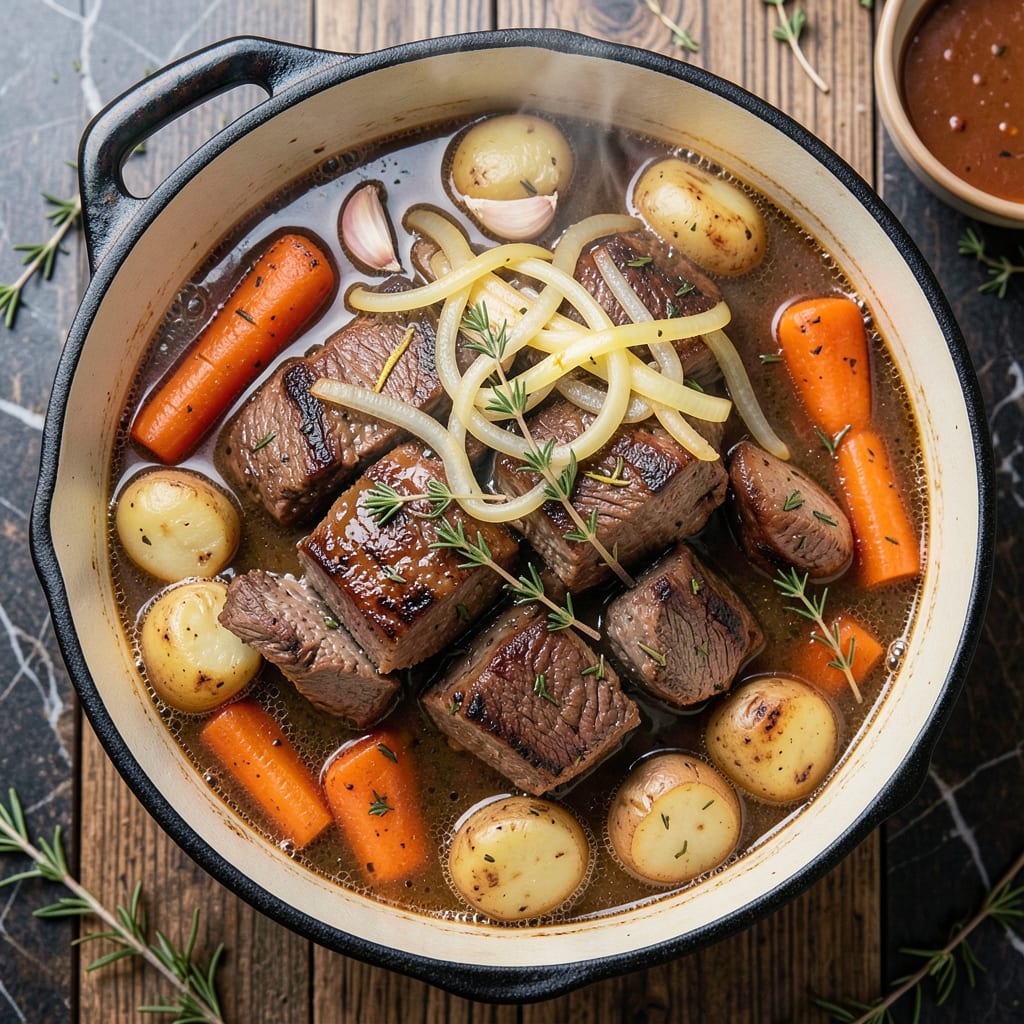
This authentic Irish beef stew recipe brings the heart of Ireland straight to your kitchen with its deep, spiced richness and unmistakable Guinness flavor. The secret lies in slow-browning the beef and layering flavors—thyme, bay leaves, and root vegetables—until the meat practically melts in your mouth. I've perfected this method over years, ensuring every bite delivers that comforting, soul-warming taste of traditional Irish cooking.
The key to authenticity starts with properly browning the beef in batches, creating a rich foundation for the stew. Adding Guinness not only deepens the flavor but also tenderizes the meat as it simmers for hours. The result? A velvety, deeply aromatic broth that coats every ingredient, making every spoonful irresistible. This isn't just stew—it's a taste of Ireland's culinary heritage.
What you'll achieve is a stew so rich and flavorful that it becomes the centerpiece of any meal. The beef will be fork-tender, the vegetables perfectly softened, and the broth reduced to a perfect consistency. Serve it with a slice of warm soda bread or creamy mashed potatoes to complete the experience. This recipe is designed to impress, whether you're feeding a family or hosting a dinner party.
Ready to create this classic dish? The process is straightforward, but the results are anything but ordinary. With just a few hours of hands-off cooking, you'll have a stew that tastes like it's been simmering for days. Let's get started on this timeless Irish masterpiece.
Ingredients for authentic irish beef stew
Six hearty ingredients for Ireland's most comforting stew—beef, Guinness, and spices that simmer into pure soul-warming perfection.
| Ingredient | Amount | Notes |
|---|---|---|
| Chuck Roast Beef 🥩 | 3 lb | Cut into 1.5-inch cubes |
| Yellow Onions 🧅 | 2 whole | Cut into large chunks |
| Carrots 🥕 | 4 whole | Cut into 2-inch pieces |
| Russet Potatoes 🥔 | 2 lb | Cut into 2-inch chunks |
| Garlic Cloves 🧄 | 6 cloves | Smashed with side of knife |
| Fresh Thyme 🌿 | 2 tbsp | Leaves only, stems removed |
| Bay Leaves 🍃 | 2 whole | Dried, standard size |
| Guinness Stout 🍺 | 1 cup | Full-strength, not light |
| Beef Broth 💧 | 4 cups | Low-sodium preferred |
| Tomato Paste 🍅 | 2 tbsp | Smooth, not chunky |
| Worcestershire Sauce 🍶 | 1 tbsp | Vegetarian version if needed |
| All-Purpose Flour 🌾 | 2 tbsp | For browning beef |
| Olive Oil 🫒 | 2 tbsp | For searing |
| Salt 🧂 | 1 ½ tsp | Kosher or sea salt |
| Ground Black Pepper 🌶️ | 1 tsp | Freshly ground preferred |
The beef is everything here. Chuck roast is the gold standard—it's tough enough to benefit from slow cooking but breaks down beautifully. Grab it from the butcher counter if you can, or look for pre-cut chunks in the grocery store's freezer section. The key is to pat it dry before browning—wet beef steams instead of sears. For the Guinness, full-strength is non-negotiable—light Guinness won't give you that rich, malty depth. And the thyme? Fresh is best if you're feeling fancy, but dried works in a pinch (use half the amount).
No Guinness? Substitute with beef broth plus a splash of balsamic vinegar—it won't be identical, but it'll get you close. Running short on carrots? Parsnips or celery root work beautifully here. The Worcestershire sauce can be tricky—some brands contain anchovies, so check the label if you're avoiding seafood. For the tomato paste, Trader Joe's squeeze tubes are a lifesaver—they last forever and you only use what you need. And if you're prepping ahead, par-cook the potatoes for 5 minutes before adding to the stew—they'll absorb all that glorious flavor.
This stew tastes even better the next day, so make a double batch if you can. Store it in the fridge for up to 5 days, or freeze portions for 3 months. I like to portion it into individual containers—perfect for quick lunches or potlucks. The potatoes will soften further when reheated, so don't overcook them initially. And if you're serving with soda bread, toast it first—it soaks up the broth like a dream.
Why You'll Love This Recipe
- One-Pot Magic: I swear by this—just dump everything in a deep pot, simmer, and walk away. No fancy techniques, no stressing over layers of prep. The chuck roast actually needs time to melt into tender perfection, so you’re basically paying yourself to relax while it works.
- Garlic-Kissed Deep Flavor: That slow-cooked garlic? It’s not just background noise—it’s the star. The onions caramelize into sweet richness, the carrots soften just enough to soak up the juices, and the potatoes? They turn into pillowy clouds. Honestly, the first bite makes me pause like, "Wait, is this really just beef and veggies?"
- Weeknight to Holiday: Between us, this is my go-to for lazy Mondays and Thanksgiving leftovers. Serve it with crusty bread for a casual dinner, or ladle it into bowls for a potluck crowd. The potatoes might get mushy if you’re not careful, but that’s part of the charm—it’s hearty, not fussy.
- Budget Warmth for Days: A chuck roast stretches farther than you’d think, and the veggies? Basic, cheap, and always in the pantry. I’ve made this for $12 and fed four people—plus leftovers that taste just as good reheated. (Yes, even on a Tuesday night.) The secret’s in the slow cook: the longer it sits, the more the flavors marry into something seriously satisfying.
Step-by-step instructions for authentic Irish beef stew
This is where the magic happens—slow cooking transforms tough beef into melt-in-your-mouth perfection.
Sear the Beef for Deep Flavor
Heat a large Dutch oven over medium-high heat and add the 2 tablespoons olive oil. Once shimmering, add the 3 lb chuck roast beef in batches—don't overcrowd the pan. Sear each piece for 2-3 minutes per side until deeply browned with a crust. This step builds the rich foundation of your stew.
As you work, sprinkle each batch with ½ teaspoon salt and ⅓ teaspoon ground black pepper right after searing while the pan is still hot. The crust will help lock in juices later. Transfer the browned beef to a plate and set aside—it'll keep warm while you prep the vegetables.
Build the Stew Base with Aromatics
In the same Dutch oven, add the 2 whole yellow onions cut into large chunks and the 4 whole carrots cut into 2-inch pieces. Cook for 5-6 minutes, stirring occasionally, until the onions soften and begin to caramelize. This sweetens the stew naturally.
Add the 6 smashed garlic cloves, 2 tablespoons fresh thyme leaves, and 2 whole bay leaves. Stir for 30 seconds until fragrant—you should smell the garlic releasing its pungent aroma. This aromatic foundation is what makes Irish stew taste authentic.
Create the Browning Paste for Richness
Sprinkle the 2 tablespoons all-purpose flour evenly over the vegetables. Stir vigorously for 1-2 minutes until the flour cooks out and forms a light brown paste. This paste will thicken your stew beautifully later.
Add the 2 tablespoons tomato paste and stir for another 30 seconds to distribute evenly. Now pour in the 1 cup Guinness stout, scraping up any browned bits from the bottom of the pot. Let this simmer for 2 minutes until the alcohol smell dissipates—this is crucial for authentic flavor.
Braise Until Fork-Tender
Return the seared beef to the pot along with the 4 cups beef broth and 1 tablespoon Worcestershire sauce. Bring to a gentle simmer, then reduce heat to low. Cover and let cook for 2 hours, stirring occasionally, until the beef is fork-tender and pulls apart easily.
Here's the thing—don't rush this step. The beef needs time to break down into tender pieces. If the liquid reduces too much before the beef is tender, add a splash of hot water or broth to maintain the proper consistency.
Add Potatoes and Finish Cooking
Add the 2 lb russet potatoes cut into 2-inch chunks to the stew. Return to a gentle simmer and cook uncovered for another 30-45 minutes until the potatoes are tender and the stew has thickened to your desired consistency.
Taste and adjust seasoning with additional salt if needed. The potatoes should absorb the rich, spiced broth while maintaining their structure. Serve immediately with crusty bread to soak up every last drop of that Guinness-infused goodness.
Pro Tips For Making Authentic Irish Beef Stew
- SEAR THE CHUCK FIRST: I learned this the hard way—skipping the sear makes the stew taste like it was simmered in water. Heat a heavy pot until smoking hot, then brown the chuck roast in batches (yes, even if it’s messy). The crust locks in flavor and keeps the meat tender.
- CHOP POTATOES UNIFORM: Big chunks turn to mush; tiny bits disappear. Cut Russet potatoes into 1-inch cubes—big enough to stay intact but small enough to cook through. My grandmother swore by this, and she was right: consistent size means even cooking every time.
- DON’T DROWN THE STEW: Too much liquid = sad, watery stew. Use just enough liquid (broth or water) to cover the meat by about 1 inch—no more. After an hour, if it’s still under, add a splash, but resist the urge to overcompensate.
- ADD POTATOES LATE: I was skeptical until I tried it: tossing potatoes in at the 45-minute mark keeps them creamy without falling apart. They’ll soak up the rich beef flavor while staying firm—no one likes a stew with gluey spuds.
Storing and reheating this recipe
Fridge Storage Tips
Let your stew cool completely before transferring to an airtight container—I use glass Pyrex with snap-on lids to preserve flavors. Store at 40°F or below for up to 5 days, but honestly, it tastes even better the next day as flavors meld. The potatoes will soften further, so I often add a splash of beef broth when reheating to maintain texture. 🥣
Freezer Magic
Portion stew into quart-sized freezer bags (leave 1 inch headspace for expansion) or glass containers for easy reheating. Label with the date—this stew freezes beautifully for 3 months without losing its rich depth. When ready to eat, thaw overnight in the fridge before reheating for best results. 🧊
Stovetop Reheating
My preferred method is stovetop—it maintains that perfect texture. Transfer stew to a heavy-bottomed pot and heat over medium-low heat for 10-15 minutes, stirring occasionally. Add ¼ cup water or broth if it looks too thick. Taste and adjust seasoning—stew often needs a pinch of salt after reheating. 🔥
Microwave Shortcut
For quick meals, microwave individual portions covered with a damp paper towel on 70% power for 3-4 minutes, stirring halfway. The damp towel prevents drying out. If the stew seems too thick after reheating, stir in 1-2 tablespoons of broth to restore consistency. 💫
Potato Perfection
Potatoes are the trickiest part—they can turn mushy if overcooked. When reheating, I add them back to the stew 5 minutes before serving to prevent over-softening. For extra flavor, toss reheated stew with fresh parsley or a squeeze of lemon juice right before serving. ✨
Serving Suggestions
Serve with warm soda bread or creamy mashed potatoes to soak up every last drop. A crisp green salad with a tangy vinaigrette cuts through the richness beautifully. For a true Irish touch, garnish with buttered parsley just before serving. 🍽️
Nutrition facts
Frequently asked questions
Can I use a different cut of beef instead of chuck roast?
While chuck roast is ideal for its marbling and flavor, you can substitute with brisket or short ribs—both work well with slow cooking. Avoid lean cuts like sirloin, as they won't become tender enough. If using short ribs, reduce the cooking time by 30 minutes since they're already more tender.
Why does my Irish stew turn out watery?
Watery stew usually means the liquid wasn't reduced enough during cooking. After the beef is tender, simmer uncovered for 10-15 extra minutes to thicken the broth. If it's still too thin, remove the lid and cook longer—or make a quick slurry with 1 tablespoon cornstarch + 2 tablespoons cold water, stir it in, and simmer for 2 minutes.
What's the secret to making this stew taste more authentic?
The three key elements are:
- Browning the beef deeply (don't skip this step!),
- Using full-strength Guinness (not light beer), and
- Letting it simmer low and slow for at least 2 hours. The slow cooking builds layers of flavor that can't be rushed. The bay leaves and thyme are also non-negotiable for that classic Irish aroma.
Can I make this stew in a slow cooker?
Brown the beef and vegetables in a skillet first, then transfer everything to a 6-quart slow cooker. Cook on low for 8 hours or high for 5 hours. Add the potatoes during the last 1 hour of cooking. The slow cooker method is perfect for hands-off preparation, though the flavors may be slightly less concentrated than stovetop.
How do I know when the beef is fully tender?
The beef should be fork-tender—meaning it should easily pull apart with a fork and not feel stringy. Test a piece by inserting a fork: if it slides in effortlessly and the meat separates cleanly, it's ready. If it still feels firm, return it to the pot and cook for another 30-45 minutes. Never rush this step—the tenderness is what makes Irish stew special.