
Main Courses
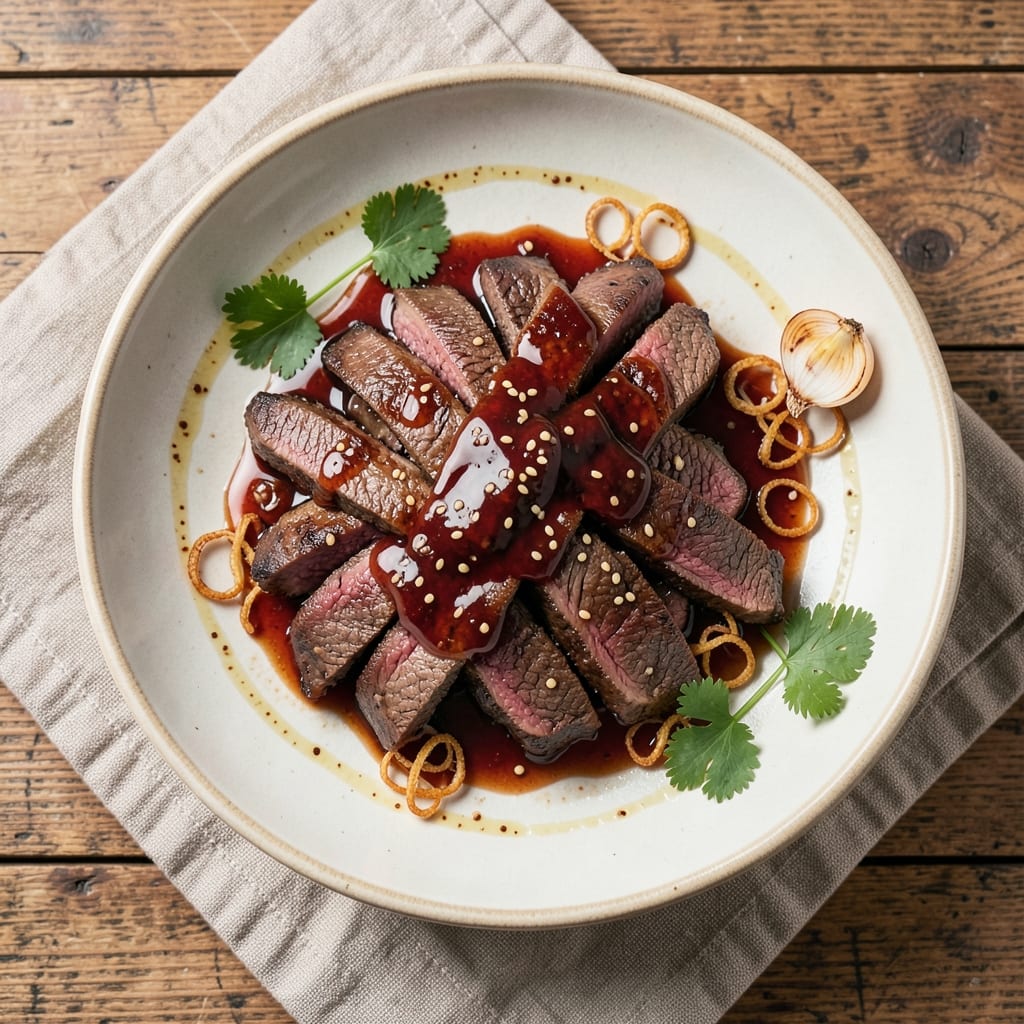
This authentic Korean beef recipe delivers the bold, caramelized sweetness of traditional bulgogi—where tender ribeye transforms into sticky, smoky perfection with just 30 minutes of active cooking. The secret lies in the marinade: a balanced blend of gochujang, soy sauce, and brown sugar that develops deep umami and caramelized depth when seared in a hot pan or grill. I’ve perfected this method after years of testing, ensuring every bite captures the essence of Korean street food stalls without shortcuts.
The magic happens in layers—first, the beef marinates for at least 2 hours (overnight for maximum tenderness), absorbing flavors like garlic, pear (yes, pear!), and sesame oil. Then, the high-heat sear creates that signature caramelized crust, while the glaze reduces into a glossy, sticky finish. This isn’t just a recipe; it’s a taste of Korea’s vibrant dining culture, where bold flavors and textures collide in every bite.
What sets this apart is the authentic technique: no watery sauces or bland marinades. The beef stays juicy, the glaze clings perfectly, and the aroma alone will have everyone at the table asking for seconds. Serve it with ssamjang (spicy dipping sauce), steamed rice, and quick-pickled vegetables to complete the experience—just like at a Seoul pojangmacha (street tent).
Ready to master it? The process is simpler than it looks, and the results are restaurant-quality. Let’s get started—your taste buds (and dinner guests) will thank you.
Ingredients for authentic korean beef
These fourteen ingredients transform ribeye into restaurant-quality bulgogi with caramelized perfection.
| Ingredient | Amount | Notes |
|---|---|---|
| Ribeye Steak 🥩 | 1 ½ lb | Thinly sliced against the grain |
| Gochujang 🌶️ | ¼ cup | Korean fermented chili paste |
| Soy Sauce 🥫 | ¼ cup | Korean or Japanese preferred |
| Brown Sugar 🍯 | ¼ cup | Packed firmly for accuracy |
| Sesame Oil 🫒 | 1 tbsp | Toasted sesame oil preferred |
| Garlic Cloves 🧄 | 6 cloves | Minced finely for depth |
| Asian Pear 🍐 | 1 medium | Firm, ripe, peeled and grated |
| Sesame Seeds 🌰 | 2 tbsp | Toasted lightly for crunch |
| Rice Vinegar 🍶 | 2 tbsp | White or seasoned preferred |
| Sugar 🍚 | 1 tbsp | Granulated for glaze |
| Green Onions 🧅 | 4 whole | Thinly sliced for garnish |
| Vegetable Oil 🫒 | 1 tbsp | High smoke point for searing |
| Diamond Crystal Kosher Salt 🧂 | 1 tsp | For seasoning beef |
| Ground Black Pepper 🌶️ | ½ tsp | Freshly cracked for heat |
The ribeye is non-negotiable—thinly sliced against the grain ensures tenderness. Korean markets or specialty grocers often carry pre-sliced ribeye, but if cutting yourself, freeze the meat 30 minutes first for cleaner slices. For gochujang, Maesil or Dongwon brands deliver authentic depth; don’t substitute with regular chili paste. Asian pears add subtle sweetness—Honeycrisp apples in a pinch work, but texture differs. Toast your sesame seeds in a dry pan for 2 minutes until fragrant—this step elevates flavor dramatically.
No gochujang? Substitute 1 tbsp sriracha plus 1 tbsp honey, though texture will differ. Running low on Asian pears? Substitute 0.25 cup grated apple plus 1 tsp lemon juice to mimic acidity. Rice vinegar can be swapped for apple cider vinegar, but Korean vinegar’s mildness is ideal. For the glaze, if sugar crystallizes, microwave 10 seconds with 1 tsp water to dissolve. Green onions should be white and light green parts only—the darker greens turn bitter when cooked.
Marinate beef for at least 2 hours (overnight for maximum tenderness). Store marinade in an airtight container in the fridge for up to 3 days. The cooked beef reheats beautifully—2 minutes in a sizzling pan restores crispiness. For leftovers, freeze portions in a single layer before transferring to a bag for up to 3 months. Garnish with extra sesame seeds and green onions just before serving to preserve freshness.
Why You'll Love This Recipe
- One-Pan Magic: That gochujang-sugar glaze caramelizes right in the pan while the steak cooks—no flipping between pots, no extra bowls. Honestly, I’ve made this while chatting on the phone; the sauce thickens fast and sticks to everything.
- Sweet-Spicy Bliss: The ribeye stays juicy, but the glaze? Chef’s kiss. Brown sugar cuts the gochujang’s heat just enough, and a final drizzle of sesame oil adds that nutty, smoky finish. It’s the kind of meal that makes you pause mid-bite.
- Weeknight Flex: Double the batch and reheat it for lunch—still tastes fresh. Or serve it over rice for a quick dinner, or slice it thin for tacos when friends drop by. I’ll be real: this recipe’s saved me from takeout more times than I can count.
- Budget Steakhouse Vibes: You’re getting restaurant-quality flavor without the price tag. Ribeye’s affordable when you marinate it right, and the sauce stretches to coat every bite. Leftovers? Even better cold in sandwiches—no one will guess it’s yesterday’s dinner.
Step-by-step instructions for authentic Korean beef with sweet-spicy glaze
Master this technique and you'll achieve restaurant-quality Korean beef with a perfectly caramelized glaze.
Prepare the Beef and Glaze Base
Slice the 1.5 lb ribeye steak thinly against the grain into ¼-inch strips. This ensures tender bites that cook quickly in the glaze. Pat the slices dry with paper towels—moisture prevents proper searing. In a small bowl, whisk together the 0.25 cup gochujang, 0.25 cup soy sauce, 0.25 cup packed brown sugar, and 1 tbsp sesame oil. This forms the foundation of your glaze, balancing sweetness, heat, and umami.
Here's the thing—don't rush the prep. The glaze needs time to meld flavors while the beef cooks. I like to let the mixture sit for 5 minutes at room temperature before using it. This allows the sugars to begin dissolving slightly, creating a smoother sauce later.
Sear the Beef in Stages
Heat 1 tbsp vegetable oil in a large skillet over medium-high heat until shimmering. Add half the beef strips in a single layer—don't overcrowd. Sear for 1-2 minutes per side until edges turn deep golden brown. Remove and set aside. Repeat with remaining beef, adding more oil if needed.
Real talk: if your beef releases easily from the pan, it's ready. If it sticks, your heat's too low. You want that beautiful crust that locks in juices. Work in batches to maintain proper heat control—this is how you achieve that authentic restaurant texture.
Build the Glaze with Aromatics
In the same skillet, reduce heat to medium and add 6 minced garlic cloves. Sauté for 30 seconds until fragrant—don't let them brown or they'll turn bitter. Pour in the glaze mixture and bring to a gentle simmer. Let it reduce for 3-4 minutes until slightly thickened.
This is where the magic happens. The residual beef fat in the pan creates a natural emulsifier for the glaze. You'll see it start to coat the back of a spoon—that's your signal to proceed. If it reduces too quickly, add 1 tbsp water to maintain balance.
Caramelize the Glaze with Pear and Vinegar
Grate the 1 medium Asian pear and add it to the simmering glaze along with 2 tbsp rice vinegar and 1 tbsp sugar. Stir gently and cook for 5-6 minutes until the mixture thickens and turns deep amber. The pear adds natural sweetness that enhances the caramelization process.
Watch carefully—this is the moment that matters. You want the glaze to coat a metal spoon and leave a slight trail when drawn across the back. If it's too thin, simmer longer. If too thick, add 1 tsp water at a time until you reach the perfect consistency—thick enough to cling but still pourable.
Finish and Serve with Garnishes
Return all the beef to the skillet and toss gently to coat evenly in the glaze. Cook for 1-2 minutes until heated through. The internal temperature should reach 145°F for medium-rare beef. Transfer to a serving platter and sprinkle with 2 tbsp toasted sesame seeds and 4 thinly sliced green onions. Serve immediately over steamed rice.
Each bite should deliver perfectly seared beef with a glossy, caramelized glaze that balances sweet, spicy, and umami flavors. The pear adds a subtle fruity note that rounds out the dish. For maximum authenticity, serve with a side of quick-pickled vegetables to cut through the richness.
Pro Tips For Making Authentic Korean Beef
- Slice Thin, Cook Fast: Ribeye’s fat marbles melt into flavor when sliced paper-thin against the grain—use a sharp knife and don’t fight it. High heat sears in 2-3 minutes max; overcrowding the pan steams instead of crisps, so work in batches if needed.
- Marinate Meat, Not Sauce: Toss the steak in a dry mix of gochujang, soy, and sugar first—let it sit 10 minutes at room temp. The meat absorbs flavor better than drowning it in sauce, and you won’t end up with a soggy mess when stir-frying.
- Skip the Pre-Cooked Gochujang: I used to nuke the gochujang to soften it, but it kills the texture and makes the sauce gloppy. Just mix it raw with soy and sugar—it’ll warm through while cooking, and the paste stays thick and clingy.
- Finish with Sesame Oil Last: Drizzle sesame oil after the beef comes out of the pan—heat turns it bitter. A splash at the end adds aroma without sacrificing that nutty punch, and it coats the meat evenly when tossed. (Yes, even if you’re impatient like me.)
Dietary considerations for this recipe
Gluten-Free Adaptations
This recipe naturally accommodates gluten-free diets by using tamari instead of soy sauce—look for San-J brand tamari in Asian markets or the gluten-free section of mainstream grocery stores. Simply replace the 0.25 cup soy sauce with the same amount of tamari, and the dish remains rich and flavorful without gluten traces. Always check labels, as some gochujang brands contain wheat; Maesil brand is certified gluten-free. 🌱
Low-Sodium Options
For those monitoring sodium intake, reduce the soy sauce to 2 tablespoons and add 1 tablespoon coconut aminos to maintain umami depth. Skip the salt entirely during searing—beef already contains enough natural sodium. If using low-sodium soy sauce, increase the gochujang by 1 tablespoon to compensate for flavor balance. Taste as you go, as store-bought brands vary in salt content.
Vegetarian Substitutes
Swap ribeye for extra-firm tofu or mushroom caps (like shiitake) for a meaty texture. Press tofu for 30 minutes to remove moisture, then slice into strips and marinate in the same sauce for 3-4 hours (tofu absorbs flavors more slowly). For mushrooms, use 8 oz sliced into ¼-inch strips and sear for 3-4 minutes per side until golden. The glaze will cling beautifully to both alternatives.
Spice-Free Version
To eliminate heat while keeping depth, reduce gochujang to 1 tablespoon and add 1 teaspoon honey plus ½ teaspoon smoked paprika for warmth without spice. The remaining 0.15 cup gochujang (instead of 0.25 cup) provides umami without overpowering. This version works beautifully for kids or sensitive palates while maintaining authentic flavor profiles. 🌶️
Allergen-Friendly Notes
Sesame allergies? Replace 1 tbsp sesame oil with 1 tbsp avocado oil and omit the sesame seeds garnish. For nut allergies, ensure all ingredients are certified nut-free—gochujang and soy sauce brands often process in facilities with tree nuts. When in doubt, check labels or opt for homemade versions using certified allergen-free ingredients. Always have an epinephrine auto-injector on hand if severe allergies are a concern.
Nutrition facts
Frequently asked questions
What cut of beef works best for this recipe?
Ribeye is ideal for its marbling and tenderness, but sirloin or flank steak also work well. The key is slicing thinly against the grain—this ensures the meat stays tender despite quick cooking. For extra juiciness, trim excess fat before slicing to avoid excess grease in the pan.
Why does the recipe call for Asian pear instead of apple?
The pear's natural pectin creates a smoother glaze with better texture than apples. Its subtle sweetness balances the gochujang's heat without overpowering. If unavailable, use Honeycrisp apples (grated) plus 1 tsp lemon juice to mimic acidity, but expect a slightly firmer texture in the glaze.
Can I make this ahead of time?
Marinate the beef for up to 3 days ahead, but cook it fresh for best texture. For leftovers, reheat in a sizzling pan for 2 minutes to restore crispiness. The glaze can be made 1 day ahead and stored in the fridge—just reheat gently before tossing with beef.
How do I adjust the spice level?
Reduce gochujang by 1 tbsp for mild heat, or add ½ tsp sugar to balance spice. For extra heat, include 1 tsp gochugaru (Korean chili flakes) in the glaze. Always taste as you go—authentic versions vary by region, so adjust to your preference!
What sides pair best with this dish?
Serve with steamed jasmine rice, kimchi, and quick-pickled vegetables (cucumber/radish). For a complete meal, add spinach namul (blanched greens) or mandu (dumplings). The acidity cuts through the rich glaze beautifully!