
Main Courses
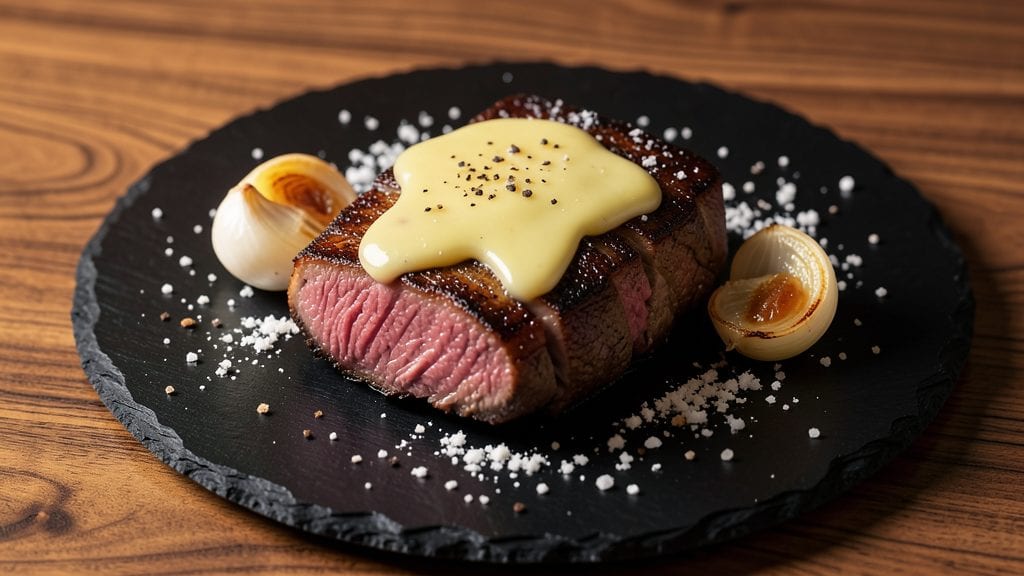
This baked beef liver recipe delivers restaurant-quality results with perfectly crispy edges and velvety interiors—no bitter aftertaste in sight. The secret lies in proper preparation and precise baking temperatures, transforming a polarizing ingredient into a luxurious dish.
I’ve perfected this method after years of testing, ensuring every bite is rich, tender, and free from the metallic taste that often deters home cooks.
Beef liver is incredibly nutrient-dense, packed with iron and B vitamins, but its delicate texture demands respect. The key is searing the liver in a hot pan before baking, which locks in juices and creates that coveted caramelized crust.
A light coating of flour or cornstarch helps achieve that crispy exterior while keeping the inside melt-in-your-mouth tender. This method also minimizes the risk of overcooking, which can turn liver rubbery.
Pair this dish with classic sides like roasted potatoes, caramelized onions, or a crisp green salad to balance its richness. The liver’s natural flavor shines when complemented by bold, earthy accompaniments.
Whether you’re preparing it for a special occasion or simply exploring new proteins, this recipe transforms a simple ingredient into a standout centerpiece.
Safety is critical when handling raw liver, so always use fresh cuts and store them properly in the refrigerator until ready to cook. With the right technique, you’ll achieve a dish that’s elegant, satisfying, and far removed from the childhood memories that make many people hesitate.
Let’s get started on mastering this technique.
Ingredients for baked beef liver
Twelve ingredients transform beef liver into a luxurious, restaurant-worthy dish with perfect texture and flavor balance.
| Ingredient | Amount | Notes |
|---|---|---|
| Beef Liver 🥩 | 1 ½ lb | Fresh, center-cut slices preferred |
| Unsalted Butter 🧈 | ½ cup | Cold, cut into small cubes |
| All-Purpose Flour 🌾 | ¼ cup | Fine-milled, for dredging |
| Diamond Crystal Kosher Salt 🧂 | 1 ½ tsp | Coarse grain for seasoning |
| Freshly Ground Black Pepper 🌶️ | 1 tsp | Cracked peppercorns preferred |
| Garlic Cloves 🧄 | 4 cloves | Minced, for butter compound |
| Fresh Parsley 🌿 | ¼ cup | Chopped, for garnish |
| Extra-Virgin Olive Oil 🫒 | 2 tbsp | High smoke point for searing |
| Cornstarch 🌾 | 1 tbsp | For crispy exterior coating |
| Fresh Lemon Juice 🍋 | 1 tbsp | Brightens flavor profile |
| Heavy Cream 🥛 | ¼ cup | Optional, for pan sauce |
| Thyme Leaves 🌿 | ½ tsp | Fresh, for butter compound |
The quality of beef liver is non-negotiable—center-cut slices from a trusted butcher ensure optimal tenderness. Whole Foods Market or local specialty grocers typically carry the best cuts, often pre-sliced for convenience. Look for vibrant red color and minimal marbling; avoid any pieces with grayish edges, which indicate spoilage. Freshness directly impacts the final result, so prioritize cuts that will be used within 24 hours. The liver should feel firm to the touch but yield slightly when pressed—a telltale sign of proper freshness. For those concerned about preparation, wearing gloves during handling is standard practice in professional kitchens.
No cornstarch on hand? All-purpose flour works equally well for the crispy exterior, though it may yield slightly less crunch. Fresh parsley can be substituted with chives or tarragon at half the quantity, though parsley’s bright flavor best complements the liver’s richness. For the butter compound, European-style unsalted butter like Plugrá or President offers superior flavor, but any high-quality brand will suffice. The heavy cream in the pan sauce can be replaced with whole milk or half-and-half, though it will yield a slightly thinner consistency. Lemon juice can be substituted with white wine or apple cider vinegar, though lemon provides the most balanced acidity. All substitutions should maintain the recipe’s fundamental technique: sear, bake, and finish with a flavorful compound butter.
Fresh liver should be stored in its original packaging on the coldest shelf of the refrigerator and used within 24 hours for optimal texture. Once sliced, cover with a paper towel to absorb any moisture, then place in an airtight container. The prepared butter compound can be shaped into a log, wrapped in parchment, and refrigerated for up to 5 days, though it’s best used within 48 hours for peak flavor. Leftover cooked liver reheats beautifully in a skillet with a splash of water or broth—just 2-3 minutes per side over medium heat to restore crispiness. For meal prep, portion the liver into individual servings and freeze between parchment sheets for up to 3 months, though texture may slightly degrade after extended freezing.
Why You'll Love This Recipe
- One-Pan Magic: I swear by this recipe—no chopping, no fuss. Just pat the liver dry, coat it in flour and butter, and pop it in the oven. The crust forms while you’re still deciding what to drink with dinner.
- Rich & Simple: That buttery crust seals in the deep, meaty flavor without needing fancy seasonings. Honestly, salt and pepper do the heavy lifting here, and it’s that good—no overpowering herbs or complicated marinades.
- Budget Powerhouse: Liver is one of the most affordable protein sources out there, and this recipe stretches it far. I’ve fed four people for under $10, and the leftovers? Even better reheated with a fried egg on top.
- Weeknight Hero: Between us, this is my go-to when I’m too tired to think. It bakes in 20 minutes, stays fresh for days in the fridge, and turns a "what’s for dinner?" panic into a satisfying meal. (Yes, even on a Tuesday night.)
Step-by-step instructions for baked beef liver with buttery crispiness
Mastering this technique transforms liver from delicate to decadent—crisp edges and velvety centers await.
Prepare the Liver and Butter Compound
Pat the 1.5 lb beef liver dry with paper towels, removing any silver skin or connective tissue. This ensures even cooking and prevents bitterness. Slice into ¼-inch thick medallions—thickness matters here. Too thick and you'll get tough centers; too thin and they'll overcook before crisping.
In a small bowl, combine the 0.5 cup unsalted butter, 4 cloves minced garlic cloves, 0.5 tsp thyme leaves, and 1.5 tsp diamond crystal kosher salt. Press this mixture into a 1-inch thick log and wrap tightly in plastic wrap. Chill for 30 minutes to firm up—this makes slicing clean butter slices easier later. The butter compound will infuse flavor into the liver as it bakes.
Create the Dredge and Sear the Liver
Set up two bowls: one with 0.25 cup all-purpose flour mixed with 1 tsp freshly ground black pepper, and another with 1 tbsp cornstarch. Lightly dredge each liver medallion first in flour, then cornstarch. The cornstarch creates that signature crispy crust while the flour helps bind the seasoning. Shake off any excess—you want just a thin, even coating.
Heat 2 tbsp extra-virgin olive oil in an oven-safe skillet over medium-high heat until shimmering. Add the dredged liver and sear for 1 minute per side until golden brown. Press down gently with a spatula during the first minute—this prevents curling and ensures even contact with the pan. Transfer the skillet to a 400°F preheated oven.
Bake with Butter and Finish with Lemon
Slice the chilled butter compound into ¼-inch thick pieces and arrange them on top of the seared liver. Bake for 8-10 minutes until the butter melts completely and the liver reaches 135°F internally. The edges should be deep golden brown while the centers remain tender—this is the sweet spot for texture. If the butter browns too quickly, tent the skillet with foil.
Remove from the oven and immediately drizzle with 1 tbsp fresh lemon juice. This brightens the rich flavors and cuts through any potential bitterness. Let the liver rest for 2 minutes before serving—this allows the juices to redistribute and the crust to set slightly. The lemon juice also prevents the butter from continuing to cook and becoming greasy.
Optional Cream Sauce (For Serving)
Return the skillet to the stovetop over low heat and add 0.25 cup heavy cream. Stir gently to deglaze the pan, scraping up any browned bits that contain concentrated flavor. Simmer for 1-2 minutes until the sauce thickens slightly to a velvety consistency. If it's too thin, remove from heat and whisk in a pinch of the reserved cornstarch mixed with 1 tsp water.
Plate the liver immediately, spooning the cream sauce over the top. Garnish with 0.25 cup chopped fresh parsley for color and freshness. The contrast between the crispy edges, buttery centers, and tangy sauce creates a harmonious balance that elevates this classic preparation.
Pro Tips For Making Baked Beef Liver
- Trim Thin, Not Even: Beef liver cooks fast—slice it ¼-inch thick max, or you’ll end up with a dry, rubbery center. I learned this the hard way after serving a batch that looked perfect outside but tasted like shoe leather inside. Use a sharp knife and keep slices uniform.
- Salt the Butter First: Mix ½ teaspoon kosher salt per 2 tablespoons unsalted butter before melting—this guarantees even seasoning without over-salting the liver itself. I used to just toss salt on top, and half the pan would taste bland while the other half was salty. Pre-salting the butter fixes that.
- Skip the Crowding Pan: Bake liver in a single layer, not stacked. Overlapping pieces steam instead of brown, and the flour crust turns soggy. After burning my first batch (yes, I panicked and shoved them in), I switched to one layer at 400°F—now it gets that crispy crust every time.
- Test with a Thermometer: Pull liver at 130°F internal temp—it’ll keep rising to 140°F while resting. I used to eyeball it, and half the time it’d be overdone or raw. A cheap instant-read thermometer takes the guesswork out, and the texture is perfect: tender but still juicy.
Wine and beer pairings for these flavors
Red Wine Pairings
A bold Pinot Noir from Oregon or Burgundy is my go-to choice for baked beef liver—its earthy undertones and moderate tannins complement the dish’s richness without overpowering it. Look for a 2021 vintage with bright acidity and notes of black cherry and forest floor.
The wine’s subtle fruitiness balances the liver’s iron intensity, while its acidity cuts through the buttery crust. Serve slightly chilled (around 55°F) to enhance its refreshing qualities. 🍷
White Wine Alternatives
For those who prefer white wine, a dry Riesling from Germany’s Mosel region brings vibrant acidity and mineral notes that refresh the palate between bites. Opt for a Kabinett-level Riesling with 7-8% alcohol—its crispness and slight sweetness contrast beautifully with the liver’s savory depth.
Alternatively, a Chardonnay with minimal oak (like a Meursault) adds a creamy texture that mirrors the butter compound. Both wines should be served at 45-48°F to preserve their freshness. 🥂
Beer Pairings
A Belgian-style witbier like Stella Artois or Hoegaarden provides the perfect beer pairing—its coriander and citrus notes cleanse the palate after each rich bite. The effervescence also helps reset your taste buds between mouthfuls.
For a darker option, a German Helles Lager (like Weihenstephaner) offers a malty backbone that stands up to the liver’s intensity. Serve both beers well-chilled (38-42°F) to highlight their crisp profiles. 🍺
Spiritous Options
If you’re serving liver as part of a cocktail hour, a dry vermouth (like Martini & Rossi) in a Negroni or Manhattan adds aromatic complexity that pairs surprisingly well. The bitterness of the vermouth balances the liver’s richness, while the whiskey or gin in the cocktail adds warmth.
For a non-alcoholic option, a sparkling elderflower tonic (like Fever-Tree Elderflower) with a squeeze of lemon offers floral brightness that complements the dish’s buttery notes. 🍸
Regional Wine Styles
In French cuisine, a Côtes du Rhône red (like Châteauneuf-du-Pape) is traditional—its peppery notes and dark fruit enhance the liver’s umami. For Italian pairings, a Chianti Classico with its Sangiovese grape brings acidity and earthiness that cut through the richness.
In Spanish tapas culture, a Rioja Reserva (aged 2-3 years) adds leather and vanilla notes that elevate the dish’s depth. Each regional wine reflects the local palate’s preference for bold, structured flavors. 🌍
Serving Temperature Tips
Wine and beer should always be served at the correct temperature to fully appreciate their qualities. Red wines like Pinot Noir should be 55-60°F, while white wines like Riesling should be 45-48°F. Beers like witbiers and lagers shine at 38-42°F.
Use an ice bucket with a towel for quick chilling or a wine fridge for precise temperature control. Proper temperature enhances the drink’s balance, ensuring it complements—not competes with—the liver’s flavors. ❄️
Nutrition facts
Frequently asked questions
Why does beef liver sometimes taste bitter?
Bitterness in beef liver usually comes from overcooking or using liver with too much connective tissue. The recipe's searing step at medium-high heat for just 1 minute per side prevents this by locking in juices before baking. Always trim any grayish edges or silver skin, which contain more bitter compounds. Freshness matters too—use liver within 24 hours of purchase for optimal flavor.
Can I substitute beef liver with chicken or pork liver?
While chicken liver works well in this recipe, pork liver has a stronger flavor and may require 1-2 fewer minutes of baking to avoid overcooking. Beef liver's rich, buttery texture is ideal for this method, but chicken liver can be a good alternative if you prefer a milder taste. For pork liver, reduce the baking time to 6-8 minutes and check for doneness at 130°F internally.
How do I know when beef liver is fully cooked?
Use a meat thermometer to check for doneness—beef liver is perfectly cooked at 135°F internally. The edges should be deep golden brown while the centers remain tender. Overcooking turns liver tough and dry, so never exceed 140°F. For visual cues, the liver should pull away slightly from the pan and have a glossy sheen when seared.
Can I make this recipe ahead of time?
Cooked beef liver reheats beautifully but loses some crispiness when stored. For best results, cook fresh and serve immediately. If making ahead, portion the liver into individual servings, wrap in parchment, and refrigerate for up to 2 days. Reheat in a skillet over medium heat for 2-3 minutes per side to restore crispiness. Freezing is possible for up to 3 months, but texture may degrade slightly.
What are the best sides to serve with baked beef liver?
Classic pairings include creamy mashed potatoes, caramelized onions, or a crisp green salad with lemon vinaigrette. For a heartier meal, roasted root vegetables or buttery egg noodles work beautifully. The rich, buttery flavor of the liver pairs well with earthy, slightly sweet sides that balance its intensity. Avoid overly rich dishes that might compete with the liver's natural flavor.