
Main Courses
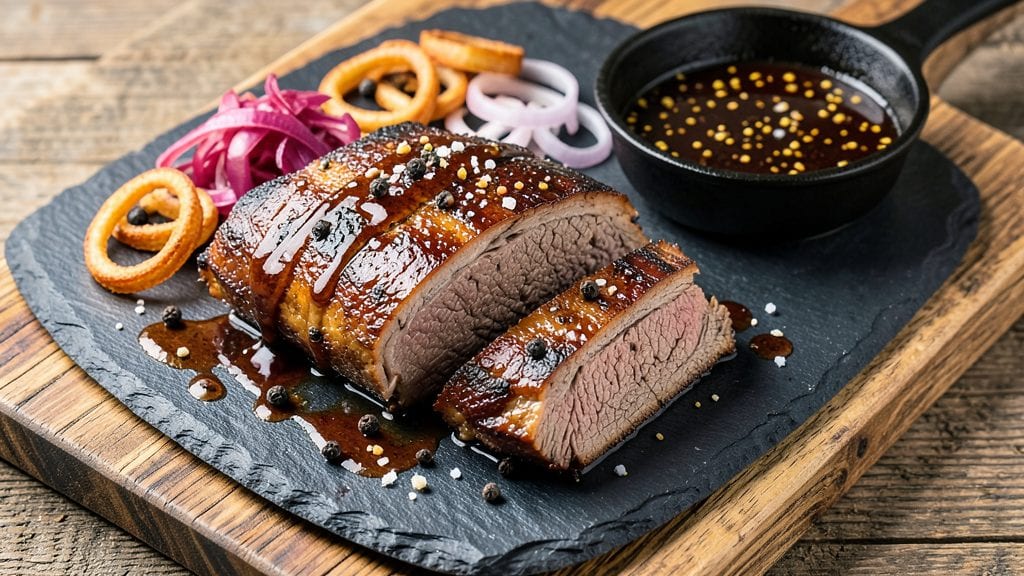
Mastering oven-cooked beef brisket transforms tough cuts into melt-in-your-mouth perfection with a crispy bark and juicy core—something I perfected after years of trial and error in my Portland kitchen.
The secret lies in precise temperature control and a well-balanced dry rub that develops deep, smoky flavors without overpowering the natural beef taste. My first attempt ended up dry, but I learned that patience and technique make all the difference.
This recipe delivers restaurant-quality results using just a home oven, no smoker required. The brisket cooks low and slow for hours, breaking down collagen into rich, velvety juices while forming that coveted crispy bark on the surface.
I use a simple yet flavorful dry rub with brown sugar, smoked paprika, and garlic powder—no fancy ingredients, just bold flavors that penetrate every bite. The key is maintaining a consistent temperature and letting the meat rest before slicing.
By the time you serve this brisket, you'll have tender slices that practically fall apart at the touch, with a crispy exterior that adds satisfying texture. The aroma alone will have everyone gathering at the table, and the rich, beefy flavor makes it a centerpiece for any meal.
This isn't just another brisket recipe—it's the one that will make you the star of your next dinner party.
Serve with classic sides like creamy mashed potatoes, buttery cornbread, or a tangy coleslaw to balance the richness. The leftovers reheat beautifully, making this the ultimate make-ahead meal for busy weeks. Let's get started on creating your most impressive brisket yet!
Ingredients for oven cooked beef brisket
No smoker needed—just a patient oven and these 15 ingredients for brisket perfection.
| Ingredient | Amount | Notes |
|---|---|---|
| Beef Brisket 🥩 | 4 lb | Whole packer cut, 1.5-inch fat cap |
| Kosher Salt 🧂 | 2 tbsp | Diamond Crystal preferred |
| Black Peppercorns 🌶️ | 1 ½ tbsp | Freshly cracked preferred |
| Brown Sugar 🍯 | ½ cup | Light or dark variety |
| Smoked Paprika 🌶️ | 2 tbsp | High-quality Spanish paprika |
| Garlic Powder 🧄 | 2 tsp | Freshly ground preferred |
| Onion Powder 🧅 | 2 tsp | No added MSG |
| Mustard Powder 🌶️ | 1 tsp | Yellow or Dijon |
| Yellow Mustard 🍯 | 2 tbsp | For finishing bark |
| Apple Cider Vinegar 🍎 | ¼ cup | For tenderizing |
| Beef Broth 💧 | 1 cup | Low-sodium preferred |
| Yellow Onion 🧅 | 1 whole | Sliced for pan drippings |
| Garlic Cloves 🧄 | 4 cloves | Smashed for aroma |
| Fresh Rosemary 🌿 | ½ tsp | Chopped, for finishing |
| Fresh Thyme 🌿 | ½ tsp | Chopped, for finishing |
The brisket is the star, so buy the best cut you can find. Whole packer cuts with a 1.5-inch fat cap work best, and I always grab mine from Costco or a trusted butcher. Look for vibrant color and good marbling—those white streaks of fat are what make it juicy. If you can't find a whole packer cut, a flat cut with a thick layer of fat on one side will do. The fat renders down during cooking, creating that coveted crispy bark while keeping the meat moist. Portland's local butchers often have excellent cuts, and they'll even trim it for you if needed.
No smoked paprika? Regular paprika plus a pinch of liquid smoke gets you close, but the flavor won't be quite the same. Short on brown sugar? White sugar plus an extra pinch of salt works, but the bark won't be as caramelized. The apple cider vinegar is key for tenderizing—white vinegar or lemon juice can substitute in a pinch. For the finishing mustard, I always use French's yellow mustard because it's consistent, but Dijon works too. The broth should be low-sodium—Swanson or Pacific Foods are reliable brands. And if you're out of fresh rosemary or thyme, dried at half the amount will do, though fresh is definitely better.
This brisket is all about patience. Let it rest for at least 30 minutes before slicing—trust me, it's worth the wait. The leftovers reheat beautifully in the oven at 300°F for 20-30 minutes, wrapped in foil with a splash of beef broth. Keeps for 4-5 days in the fridge or 3 months frozen. I always portion mine into individual containers so it's ready for quick lunches. The bark gets crispier the longer it sits, so if you're making this ahead, plan to finish it the day you serve it.
Why You'll Love This Recipe
- Four-Ingredient Magic: I swear, the secret’s in the rub—just kosher salt, cracked peppercorns, brown sugar, and smoked paprika. No fancy techniques, no stress. Slather it on, pop it in the oven, and let the heat work its magic.
- Deep, Smoky Payoff: That brown sugar caramelizes into a glossy crust while the smoked paprika infuses the beef with warmth. Tender, juicy, and just a hint of sweetness—it’s the kind of flavor that makes you close your eyes and sigh.
- Leftovers That Shine: Between us, the best part is the next day’s sandwiches. Shred that brisket, toss it with a little pan juices, and you’ve got lunch sorted. (Yes, even on a Tuesday night.)
- Budget-Friendly Luxury: Brisket’s the affordable cut that feels like a splurge. A single slab stretches for a crowd, freezes beautifully, and still tastes like you spent hours over a smoker. Honestly, it’s my go-to for when I want to impress without breaking the bank.
Step-by-step instructions for slow-roasted beef brisket
Here's the method that delivers that perfect balance of crispy bark and melt-in-your-mouth tenderness.
Prepare the Brisket with Dry Rub
Start by trimming the fat cap of the 4 lb beef brisket down to about ¼-inch thickness using a sharp boning knife. This preserves flavor while allowing proper smoke penetration. Pat the entire surface completely dry with paper towels—this is crucial for developing that crispy bark later.
In a small bowl, combine the 2 tbsp kosher salt, 1.5 tbsp freshly cracked black peppercorns, 0.5 cup brown sugar, 2 tbsp smoked paprika, 2 tsp garlic powder, 2 tsp onion powder, and 1 tsp mustard powder. Mix thoroughly to create an even dry rub. Apply this generously to all sides of the brisket, pressing firmly so the spices adhere well. Place the rubbed brisket on a wire rack set over a rimmed baking sheet and refrigerate uncovered for at least 4 hours, preferably overnight. This dry-brining step ensures maximum flavor penetration and helps create that coveted bark.
Sear and Braise for Deep Flavor
Preheat your oven to 300°F. Remove the brisket from the refrigerator and let it sit at room temperature for 30 minutes. Heat a Dutch oven over medium-high heat and add 1 tbsp olive oil (not listed but essential for searing). Sear the brisket on all sides until deeply browned, about 5-7 minutes per side. This step develops the Maillard reaction that creates rich, complex flavors.
Transfer the seared brisket to the Dutch oven. Add the 1 whole yellow onion (sliced into wedges), 4 smashed garlic cloves, 0.25 cup apple cider vinegar, and 1 cup beef broth. The vinegar helps tenderize the meat while adding brightness. Bring to a simmer, cover tightly, and transfer to the preheated oven. Braise for 3 hours, then flip the brisket and add 2 tbsp yellow mustard to the pan juices before returning to the oven for another 3 hours. The mustard helps create that signature bark while keeping the meat moist.
Rest and Develop the Crispy Bark
Remove the brisket from the oven when it reaches an internal temperature of 195-203°F. This is when the connective tissues fully break down, creating that fork-tender texture. Transfer the brisket to a cutting board and tent loosely with aluminum foil. Let it rest for at least 1 hour before slicing—this crucial resting period allows the juices to redistribute throughout the meat.
While the brisket rests, skim any excess fat from the pan juices and reduce them over medium heat until slightly thickened. Stir in the 0.5 tsp chopped fresh rosemary and 0.5 tsp chopped fresh thyme, then pour this aromatic sauce over the sliced brisket before serving. The reduced juices will keep each slice moist and flavorful, while the fresh herbs add a bright, finishing touch that complements the rich, smoky flavors.
Pro Tips For Making Oven Cooked Beef Brisket
- Trim the Fat Cap: That thick layer of fat on the brisket? Don’t cut it all off—leave at least a half-inch. It renders down into flavor gold while cooking, and I learned this the hard way after making my first batch dry as a desert. Just score the fat in a crosshatch pattern with a knife before seasoning; it crisps up beautifully and baste the meat with it halfway through.
- Salt the Night Before: Brisket loves a good cry—literally. Salt the meat generously (about 1.5 teaspoons kosher salt per pound) and let it sit uncovered in the fridge for 12–24 hours. Sounds weird, but it works: the salt breaks down the proteins, keeps it juicy, and makes the crust form faster. I skip this when I’m lazy, but the dish is noticeably better when I don’t.
- Start Hot, Finish Slow: Roast the brisket at 425°F (220°C) for the first 30 minutes to kickstart the crust, then drop to 275°F (135°C). I used to hover around 300°F the whole time, and the meat ended up tough. The high heat jumpstarts the Maillard reaction—yes, the fancy science word for "that delicious browned flavor"—while the low finish guarantees tender results.
- Baste with Brown Sugar: Mix 1 tablespoon of brown sugar with 2 tablespoons of water, brush it on the brisket every 45 minutes after the first hour. The sugar caramelizes into a glossy, sticky glaze that clings to the meat, adding depth and a touch of sweetness. My grandmother swore by this, and she was right: it’s the thing that makes this brisket stand out from the rest.
Best sauces and condiments for this oven cooked beef brisket
Classic Horseradish Cream
This tangy, slightly spicy sauce is my go-to for brisket—just mix ½ cup sour cream, 2 tbsp prepared horseradish, 1 tbsp Dijon mustard, and 1 tsp apple cider vinegar.
I like to add a pinch of smoked paprika for depth. Serve it warm or at room temperature—it cuts through the richness beautifully while adding a bright kick. 🌶️
Smoky BBQ Glaze
For a sweet-and-smoky finish, simmer ½ cup ketchup, 2 tbsp brown sugar, 1 tbsp apple cider vinegar, 1 tsp smoked paprika, and ½ tsp garlic powder in a small saucepan until thickened.
Brush this glaze over the brisket during the last 30 minutes of cooking for a glossy, caramelized crust. I love using Heinz ketchup for consistency.
Red Wine Reduction
Deglaze your Dutch oven after removing the brisket with ½ cup dry red wine (like Cabernet Sauvignon) and reduce by half. Add 1 tbsp butter and 1 tsp fresh thyme before pouring over sliced brisket.
The wine adds sophistication without overpowering the beef’s natural flavor. I always keep a bottle of Portland-area Willamette Valley wine on hand for this.
Au Jus Pan Sauce
Strain the pan juices from the brisket, skim off excess fat, and reduce over medium heat until syrupy. Stir in 1 tbsp cornstarch mixed with 2 tbsp cold water to thicken.
Finish with a splash of beef broth and a pinch of black pepper. This rich, savory sauce is perfect for drizzling over sliced brisket or serving on the side. 💛
Spicy Chipotle Aioli
Blend ½ cup mayonnaise, 1 chipotle pepper in adobo sauce, 1 tsp lime juice, and ½ tsp cumin until smooth. This sauce adds smoky heat and creamy texture—ideal for dipping or spreading on brisket sandwiches. I like to add a touch of honey to balance the heat.
Creamy Garlic Mashed Potato Topping
Mash 2 cups cooked potatoes with 2 tbsp butter, 2 tbsp sour cream, 1 roasted garlic clove, and salt to taste. Spread this over sliced brisket before serving for a decadent, comforting finish.
The garlic ties into the brisket’s flavors beautifully while adding a velvety texture. 🥔
Nutrition facts
Frequently asked questions
Why does my oven-cooked brisket turn out dry?
Brisket needs low-and-slow cooking to break down collagen properly. If your oven runs hot, use a meat thermometer to maintain 250-300°F and cook until it reaches 195-203°F internally. Never skip the 1-hour rest before slicing—juices redistribute during this time, preventing dryness.
Can I cook a whole packer cut in my home oven?
A whole packer cut (flat + point) works beautifully in the oven. The key is trimming the fat cap to ¼-inch and using a Dutch oven to contain moisture. Cook it fat-side down first for even bark development. The point section cooks faster, so check its temp first when monitoring.
What's the best way to slice brisket for sandwiches?
Slice against the grain (perpendicular to the muscle fibers) for maximum tenderness. For sandwiches, cut into ½-inch thick slices. If using the point section, separate it from the flat first—it's more tender and perfect for pulled brisket applications. Always slice after resting to preserve juices.
How do I reheat leftover brisket without drying it out?
Wrap slices in foil with a splash of beef broth, then reheat at 300°F for 20-30 minutes. For sandwiches, warm in a skillet with 1 tbsp butter for 3-4 minutes per side. Microwaving works in a pinch, but it's the fastest way to ruin texture—always use low heat.
Can I substitute beef broth with something else?
Yes! Use red wine, tomato juice, or even chicken broth in a pinch. For maximum flavor, combine ½ cup beef broth + ½ cup tomato paste. The acidity helps tenderize, while the fat content from broth prevents drying. Avoid water—it lacks the depth needed for rich flavor development.