Soups & Stews
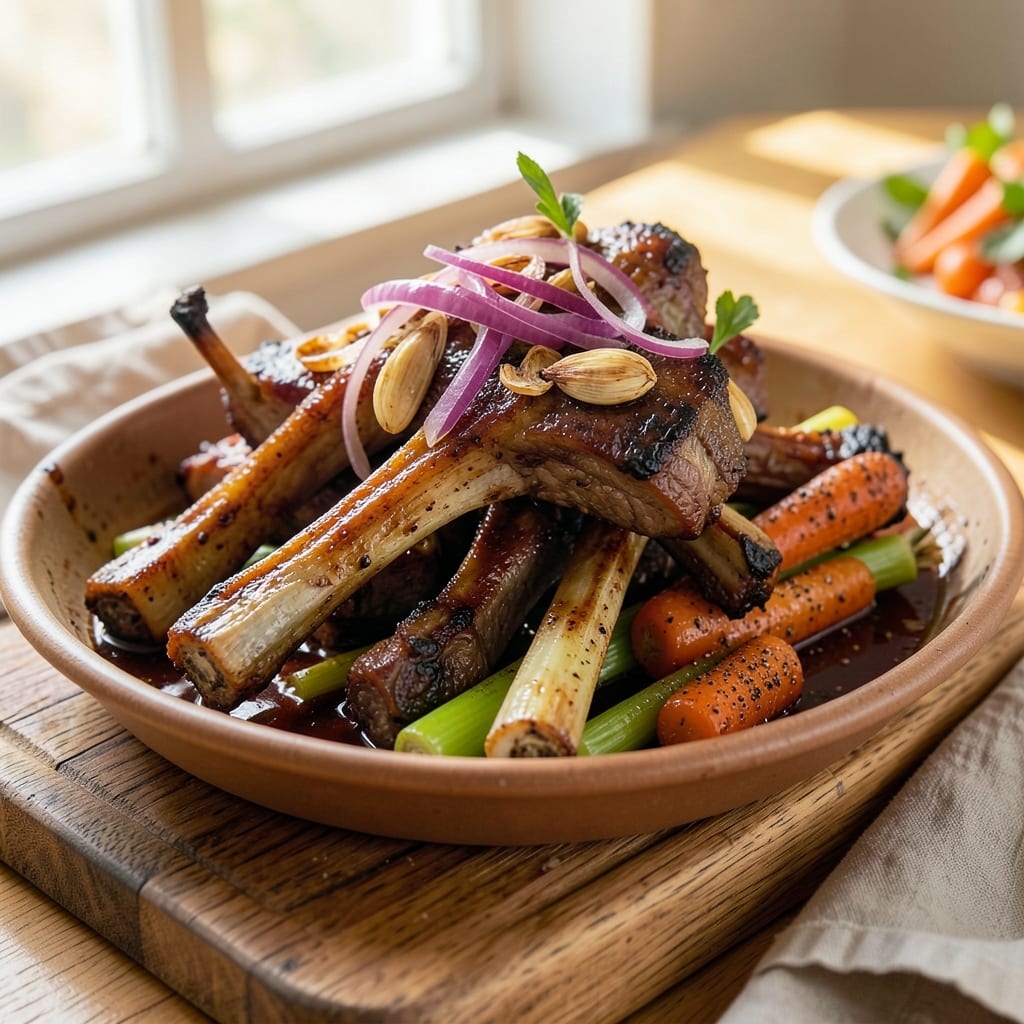
This baked beef neck bones recipe transforms tough connective tissue into melt-in-your-mouth tenderness with crispy edges that crackle like autumn leaves. 🔥 The secret lies in slow roasting—low and slow until the collagen dissolves into rich, golden gelatin, creating a dish that’s equal parts comforting and restaurant-worthy. I developed this method after years of experimenting with tougher cuts, and it never fails to impress even the most skeptical eaters.
The process is straightforward but requires patience: a 325°F oven for hours until the bones yield effortlessly, basted occasionally with their own rendered juices. The result? Bones so tender they flake apart at the touch, surrounded by a glossy, caramelized crust that adds texture and depth. This isn’t just a side dish—it’s the star of the meal, perfect for serving over mashed potatoes or alongside roasted vegetables to soak up every last bit of flavor.
What makes this recipe truly special is how it elevates simple ingredients into something extraordinary. No marinades or fancy techniques—just time, heat, and a little attention to detail. The bones develop a deep umami richness that pairs beautifully with bold flavors, making it versatile enough for weeknight dinners or holiday feasts. By the time you’re done, you’ll have a dish that’s impossible to resist, with every bite delivering that perfect balance of crispy and tender.
The best part? Leftovers reheat beautifully, and the bones can be used to make broth for soups or stews later. Whether you’re feeding a crowd or treating yourself to a cozy meal, this recipe delivers foolproof results that taste like they’ve been simmering all day. Let’s get started—your taste buds will thank you.
Ingredients for baked beef neck bones
These twelve ingredients unlock the secret to restaurant-quality beef neck bones with crispy edges and melt-in-your-mouth tenderness.
| Ingredient | Amount | Notes |
|---|---|---|
| Beef Neck Bones 🦴 | 2 lb | With connective tissue intact |
| Olive Oil 🫒 | ¼ cup | Extra-virgin for richness |
| Garlic Cloves 🧄 | 6 cloves | Smashed for deeper flavor |
| Yellow Onion 🧅 | 1 whole | Sliced into 1/2-inch pieces |
| Carrots 🥕 | 4 medium | Whole, scrubbed clean |
| Celery Stalks 🌿 | 3 whole | Cut into 1-inch pieces |
| Fresh Thyme 🌿 | ½ ounce | Sprigs, stems removed |
| Fresh Rosemary 🌿 | ½ ounce | Sprigs, stems removed |
| Kosher Salt 🧂 | 1 ½ tbsp | Diamond Crystal preferred |
| Ground Black Pepper 🌶️ | 1 tsp | Freshly cracked |
| Balsamic Vinegar 🍷 | 1 tbsp | For basting |
| Honey 🍯 | 1 tbsp | For caramelization |
The beef neck bones are the star—look for thick, meaty bones with good marbling at your butcher or Costco. The connective tissue is what transforms into gelatin, so don't skimp on quantity. Fresh herbs make all the difference here: Trader Joe's sells pre-bundled thyme and rosemary that's perfect for this. For the vegetables, organic carrots and celery have better flavor, but regular works fine. The key is keeping everything whole—no chopping until after roasting. If you can't find neck bones, chuck roast cut into large chunks works in a pinch, though the texture won't be identical.
No fresh thyme? Dried thyme at one-third the amount gets you close, but fresh is ideal. Running out of balsamic vinegar? Apple cider vinegar works too. The honey can be swapped for maple syrup if you're avoiding it. For extra crispiness, add 1 tbsp cornstarch to the olive oil before tossing the bones. The vegetables can be prepped ahead—they just need to be at room temperature when you start roasting. If your carrots are particularly large, cut them into 1-inch chunks to ensure even cooking. The garlic should be smashed but not minced—this releases more flavor without turning to paste.
Prep everything the night before if you can—this is a hands-off recipe that rewards patience. Store the raw bones and vegetables in a sealed container in the fridge for up to 2 days. The roasted bones keep for 5 days in the fridge, though they taste best within 2 days. For longer storage, freeze them for up to 3 months. The rendered juices make incredible broth—save them for soups or stews. Reheat gently in a 350°F oven for 10 minutes to restore crispiness. These bones reheat beautifully, making them perfect for meal prep.
Why You'll Love This Recipe
- One-Pan Magic: I swear by this—just toss the bones, veggies, and garlic on a sheet pan, drizzle with olive oil, and let the oven do the work. No pots, no pans, no stress.
- Deep, Savory Crunch: That crispy caramelized edge on the bones? It’s like a little flavor explosion in every bite. The onions and garlic melt into a sticky, aromatic sauce that makes everything taste richer.
- Budget Meal That Feeds: A pound of beef neck bones goes a long way—perfect for stretching meals without breaking the bank. Honestly, I’ve fed six people (plus my picky dog) with just one pan of these.
Step-by-step instructions for slow-roasted beef neck bones
Transform tough neck bones into melt-in-your-mouth beef with this foolproof slow-roasting method.
🔥 Step 1: Preheat and Prepare the Bones
Preheat your oven to 300°F—this low temperature is key for rendering fat and breaking down collagen. Pat the 2 lb beef neck bones completely dry with paper towels, then rub them generously with 0.25 cup olive oil to create a protective barrier. This step ensures maximum crispiness and prevents sticking during roasting.
In a small bowl, mix together 1.5 tbsp kosher salt, 1 tsp ground black pepper, and 1 tbsp honey to create a dry rub. Press this mixture firmly onto all sides of the bones, including the crevices. The honey will caramelize beautifully during roasting, adding a subtle sweetness that balances the deep umami flavors.
👨🍳 Step 2: Build the Aromatic Base
While the oven preheats, prepare your vegetables. Slice the 1 whole yellow onion into ½-inch pieces and cut the 3 whole celery stalks into 1-inch chunks. Leave the 4 medium carrots whole but scrub them clean to remove any dirt. In a large roasting pan, create a bed of vegetables at the bottom—this will catch all the rendered juices and create an incredibly flavorful base.
Add the 6 smashed garlic cloves, 0.5 ounce fresh thyme sprigs, and 0.5 ounce fresh rosemary sprigs to the pan. The thyme and rosemary will infuse the fat with their aromatic oils, while the garlic will develop a deep, nutty sweetness. Place the seasoned bones on top of the vegetables, fat-side up, to maximize crispiness.
🥘 Step 3: Roast Low and Slow
Transfer the roasting pan to the preheated oven and roast for 3 hours uncovered. This long, slow cook time is essential—it allows the connective tissue to break down into gelatin, creating that luxurious, fork-tender texture. After 2 hours, check the bones and flip them over if they're not sitting evenly on the vegetables.
Here's where the magic happens: the bones should develop a deep mahogany color and crisp edges by the end. If the vegetables are browning too quickly, tent the pan loosely with aluminum foil. The goal is to render all that fat while keeping the vegetables tender and caramelized—not burnt.
🍳 Step 4: Finish with Balsamic Glaze
Remove the bones from the oven and increase the temperature to 425°F. In a small saucepan over medium heat, combine the 1 tbsp balsamic vinegar with any rendered juices from the roasting pan. Simmer for 3-4 minutes until reduced by half and slightly thickened—this creates a glossy, tangy glaze.
Return the bones to the oven for 10-15 minutes to crisp up the edges. Just before serving, brush the balsamic reduction generously over the bones. This final step adds a beautiful sheen and a perfect balance of sweet-tart flavor that complements the rich beef. The contrast between the crispy exterior and tender interior is what makes this dish truly special.
⏰ Step 5: Rest and Serve
Let the bones rest for 10 minutes before serving—this allows the juices to redistribute and ensures each bite is packed with flavor. Serve the beef neck bones directly over the roasted vegetables, letting guests scoop up that incredible vegetable broth along with each bite. The crispy edges will shatter slightly, releasing all those rendered flavors.
For maximum impact, serve with crusty bread to soak up the remaining juices in the pan. The combination of tender beef, caramelized vegetables, and aromatic herbs creates a dish that's equal parts comforting and sophisticated—perfect for feeding a crowd or impressing guests.
Pro Tips For Making Baked Beef Neck Bones
- SEAR THE BONES FIRST: Skip the slow start—hit those neck bones with high heat in olive oil for 3-4 minutes per side until deep brown. I learned this the hard way: rushing to the oven without a good crust means flavor gets trapped in the meat instead of building layers. (Yes, even if you're impatient like me.)
- SMASH THE GARLIC: Don’t just chop the garlic—smash the cloves with the flat side of your knife first. This releases more flavor into the oil and keeps it from burning while the bones bake. My grandmother swore by this, and she was right: the aroma alone makes the dish taste richer.
- DON’T CROWD THE PAN: Give those neck bones space to breathe—at least ½ inch between each bone. I used to jam them in tight, and they’d steam instead of brown. Spread them out so the heat works its magic, and save yourself from soggy, unevenly cooked meat.
- ADD CARROTS LATE: Toss the carrots in with the bones only in the last 20-25 minutes of baking. They’ll soften faster than you think, and starting them early turns them into mush. (Your future self will thank you when you bite into a tender, not mushy, carrot.)
Flavor customization for this baked beef neck bones
Sweet and Smoky
Add 1 tbsp smoked paprika and 1 tsp brown sugar to your dry rub for a deep, caramelized crust with smoky undertones. The brown sugar enhances the Maillard reaction while the paprika adds complexity. Brush the bones with 1 tbsp apple cider during the final 15 minutes of roasting for extra gloss. 🔥
Herb-Forward Variation
Double the fresh herbs to 1 ounce thyme and 1 ounce rosemary, then add 0.5 ounce fresh sage for an earthy depth. Tuck the herb sprigs under the bones during roasting so they infuse the meat directly. Finish with a sprinkle of flaky sea salt right before serving.
Spicy Kick
For heat lovers, add 1 tbsp gochujang (Korean chili paste) to the balsamic reduction or mix 1 tsp cayenne pepper into the dry rub. The gochujang adds fermented depth while cayenne delivers sharp, bright heat. Balance with 1 tsp honey extra if needed.
Citrus Brightness
Zest 1 lemon and add it to the dry rub, then slice the lemon into rounds. Place the slices under the bones during roasting. The citrus cuts through the richness while adding a refreshing acidity. Deglaze the pan with 2 tbsp lemon juice at the end for a bright sauce.
Umami Boost
Increase the depth by adding 1 tbsp fish sauce or 1 tsp soy sauce to the balsamic reduction. For extra richness, sprinkle 1 tbsp nutritional yeast over the bones before serving. These ingredients amplify the natural umami without overpowering the beef's flavor profile.
Garlic-Infused Oil
Replace the olive oil with 0.25 cup garlic-infused oil (simmer 8 garlic cloves in 0.5 cup olive oil for 5 minutes, then strain). This creates an aromatic base that permeates every bite. The oil can also be used to finish the roasted vegetables for extra flavor.
Nutrition facts
Frequently asked questions about baked beef neck bones
How do I know when beef neck bones are fully tender?
The bones are done when they easily pull apart with a fork and have a deep mahogany color with crisp edges. For extra assurance, check after 2.5 hours—they should yield slightly when pressed. The connective tissue should have broken down into gelatin, creating that luxurious, melt-in-your-mouth texture.
Can I use beef neck bones with meat still attached?
Yes! Bones with meat are ideal—they render more flavorful fat and create a richer dish. Look for bones with good marbling and connective tissue intact. The meat will cook down to tender, flavorful bits that cling to the bones, maximizing every bite.
Why do my bones turn out tough instead of tender?
Tough bones usually result from cooking too fast or at too high a temperature. Stick to 300°F for the full 3 hours—this slow process breaks down collagen. If your oven runs hot, tent the pan with foil after 2 hours to prevent over-browning. Patience is key!
What's the best way to store leftovers?
Store bones in an airtight container for up to 5 days in the fridge. For longer storage, freeze for 3 months. Reheat gently in a 350°F oven for 10 minutes to restore crispiness. The rendered juices make incredible broth—save them for soups!
Can I make this recipe in a slow cooker?
Not ideal for crispy edges, but you can adapt it! Cook on low for 8 hours with 1 cup broth> added to prevent drying. The result will be tender but not crispy—better for soups or stews than standalone roasting.