
Main Courses
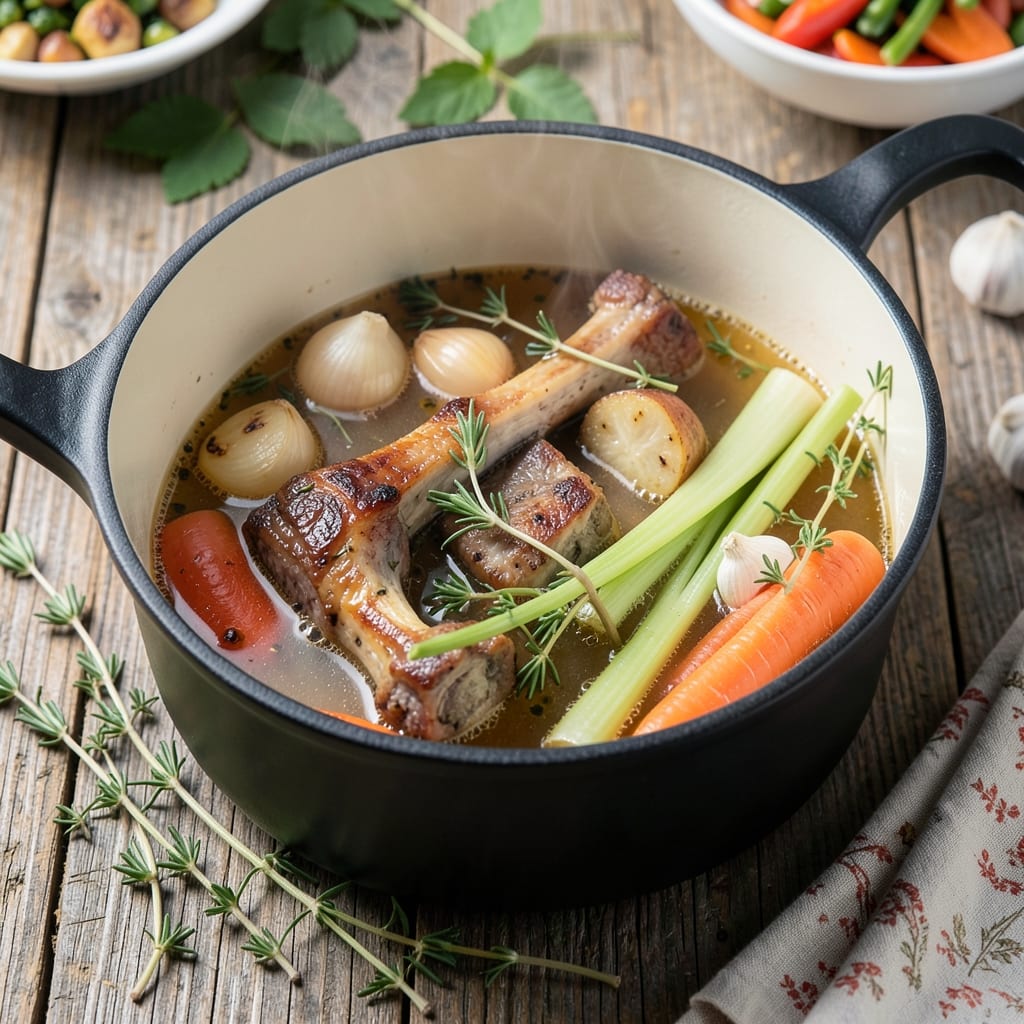
This basic beef stock recipe transforms simple ingredients into a rich, umami-packed liquid that elevates soups, sauces, and braised dishes. The secret lies in slow simmering bones with aromatics—no shortcuts, just deep flavor. I’ve perfected this method over years of testing, ensuring every batch delivers restaurant-quality depth without complexity. Once mastered, you’ll never buy store-bought again.
Start with beef bones—knuckles, marrow, or oxtails work best—for maximum collagen and gelatin, which create that signature velvety texture. Add onions, carrots, celery, and garlic for the classic "mirepoix" base, then let it simmer for 4-6 hours until the liquid reduces to a concentrated, golden broth. The key? Skimming impurities and avoiding boiling, which clouds the stock.
What you’ll end up with is a deep, aromatic foundation that transforms simple meals into something extraordinary. Use it in French-style soups, risottos, or even quick-pickled vegetables for a savory depth. Store it in the freezer for up to 6 months, ready to enhance any dish with minimal effort.
The beauty of this recipe is its versatility—add herbs like thyme or bay leaves for extra complexity, or deglaze the bones with wine for a richer flavor profile. Whether you’re a home cook or a seasoned chef, this stock is a game-changer for your kitchen.
Ingredients for basic beef stock
Transform simple pantry staples into a rich, umami-packed foundation for any dish.
| Ingredient | Amount | Notes |
|---|---|---|
| Beef Bones (Knuckles or Marrow) 🦴 | 2 lb | Raw, uncooked for maximum flavor |
| Yellow Onions 🧅 | 1 whole | Peeled, roughly chopped |
| Carrots 🥕 | 3 whole | Scrubbed, cut into chunks |
| Celery Stalks 🧄 | 3 whole | Trimmed, cut into pieces |
| Garlic Cloves 🧄 | 6 cloves | Peeled, smashed slightly |
| Fresh Thyme Sprigs 🌿 | 2 whole | Stems intact for easy removal |
| Bay Leaves 🍃 | 2 whole | Dried or fresh preferred |
| Black Peppercorns 🌶️ | 1 tbsp | Crushed lightly for depth |
| Water 💧 | 8 cups | Cold, filtered preferred |
| Apple Cider Vinegar 🍏 | 1 tbsp | Brightens flavor profile |
| Salt 🧂 | 1 tsp | Kosher or sea salt |
The bones are everything here—knuckles or marrow bones from a trusted butcher give the most collagen and gelatin, which create that signature velvety texture. Costco or local meat counters usually have them, or ask for 'beef soup bones' at your grocery store. Fresh thyme and bay leaves add depth, but dried work too (just halve the amount). The vinegar might seem odd, but it brightens the stock and cuts through any funkiness in the bones. If you're using frozen veggies, thaw them first—they'll release more flavor into the stock.
No fresh thyme? Dried thyme at half the amount works just fine. Out of vinegar? A splash of lemon juice or even a splash of wine will do. The carrots, celery, and onions make up the mirepoix—no need to peel the carrots if they're organic, just scrub them well. For extra richness, add a splash of red wine when deglazing the bones after browning. The garlic can be roasted first for a sweeter flavor, but raw works too. If you're short on time, you can use beef bouillon cubes (1 cube) as a shortcut, but it won't have the same depth.
This stock keeps for up to 6 months in the freezer—portion it into ice cube trays for easy use. In the fridge, it lasts 4-5 days, but the flavor actually improves over time. I always make a double batch and freeze half. The first time you use it, you'll notice how much richer your soups and sauces taste. For a restaurant-quality touch, strain it through a fine-mesh sieve before freezing to remove any impurities.
Why You'll Love This Recipe
- No Chopping Stress: I swear by the "mirepoix hack"—just roughly chop onions, carrots, and celery into 1-inch chunks. No fancy knife skills, no peeling carrots if you’re lazy (I often skip it). The stock still tastes like it simmered for hours, even if you’re rushing.
- Rich Without Effort: That marrow bone? It melts into the broth like liquid gold, giving you a naturally rich, velvety depth without a drop of cream. The garlic cloves, cracked and left whole, infuse just enough aroma to make every sip feel like a hug.
- Freezer Magic: Batch this on Sundays and freeze it in ice cube trays. Need a quick soup base? Toss in a cube. Making gravy for mashed potatoes? Two cubes do the trick. My freezer’s full of these, and I never buy store-bought stock again.
- Budget Upgrade: Beef knuckles are cheap, and they pack more flavor than a steak. A single batch stretches into three meals—soup, risotto, or even a slow-cooked stew. Honestly, it’s the kind of recipe that makes grocery day feel like a win.
Step-by-step instructions for rich beef stock
This method transforms simple ingredients into a velvety, umami-packed foundation for soups and sauces.
Prepare and Blanch the Bones
Pat the 2 lb beef bones (knuckles or marrow) completely dry with paper towels to remove any surface moisture. This crucial step prevents cloudy stock. Place the bones in a large stockpot and cover them with 8 cups cold water. Bring to a boil over high heat, then immediately reduce to a simmer and cook uncovered for 10 minutes.
During this time, you'll see impurities rise to the surface. Skim off any foam or fat that appears using a fine-mesh skimmer or ladle. This blanching step extracts impurities and ensures a crystal-clear stock. After 10 minutes, drain the water completely and rinse the pot with hot water to remove any residue.
Sauté the Vegetables for Maximum Flavor
In the same stockpot, heat over medium heat (no oil needed—the bones will render fat). Add the 1 whole yellow onion, 3 whole carrots, and 3 whole celery stalks, all cut into chunks. Sauté for 8-10 minutes until the vegetables soften and begin to caramelize slightly, developing deep, sweet flavors. This step builds the stock's foundational taste.
Add the 6 cloves garlic (peeled and smashed), 2 whole fresh thyme sprigs, 2 whole bay leaves, and 1 tbsp crushed black peppercorns. Stir for 1 minute until fragrant. The garlic should sizzle gently without burning. This aromatic base will infuse the stock with layers of complexity.
Simmer the Stock Low and Slow
Pour in 8 cups fresh cold water and add 1 tbsp apple cider vinegar. The vinegar brightens the stock and helps extract collagen from the bones. Bring to a gentle simmer over low heat—you should see tiny bubbles breaking the surface, but not a rolling boil. This low-and-slow approach is critical for extracting maximum flavor and gelatin.
Partially cover the pot with a lid (leave a small gap for steam to escape) and simmer for 3-4 hours. You'll know it's ready when the bones are tender enough to pull apart with a fork and the stock has reduced slightly, becoming rich and concentrated. Stir occasionally to prevent sticking, and skim off any additional foam that rises.
Strain and Season to Perfection
Once the stock is fully developed, strain it through a fine-mesh sieve or cheesecloth-lined colander into a clean pot or bowl. Press on the solids to extract every last drop of flavor. Discard the vegetable pieces and bones—they've done their job. Return the stock to the pot and stir in 1 tsp salt, adjusting to taste. The stock should have a deep, meaty aroma and a velvety texture.
For best results, let the stock cool slightly before storing. It will continue to thicken as it cools, developing even more body. This stock keeps well in the refrigerator for 5-7 days or can be frozen for up to 3 months. Use it as the base for soups, braises, or risottos—its rich umami flavor will elevate any dish.
Pro Tips For Making Basic Beef Stock
- Char the Bones First: I learned this the hard way—skipping the char leaves your stock tasting bland. Toss those knuckles and marrow bones in a screaming-hot pot for 5-7 minutes until they’re blackened in spots. The Maillard reaction unlocks deeper flavor, and yes, you’ll need to scrape off the burnt bits later.
- Cut Celery, Onions Small: Big chunks mean half-cooked veggies lurking in your stock, muddying the flavor. Dice onions into ¼-inch pieces, slice carrots into ½-inch rounds, and chop celery into ½-inch chunks. Smaller pieces render faster and infuse better—no one wants to taste raw celery in their stock.
- Simmer, Don’t Boil: After adding water, bring it to a gentle simmer—tiny bubbles breaking the surface, not a rolling boil. Boiling clouds the stock with impurities and wastes time. Cover the pot and keep it at a low simmer for 4-6 hours (or overnight) for rich, clear results. Patience here makes all the difference.
- Add Garlic Late: Tossing garlic in at the start burns it before it can add sweetness. Instead, peel and smash 3-4 cloves, then add them during the last 30 minutes of cooking. This ensures they infuse without turning bitter—your stock will thank you with a subtle, aromatic depth.
Flavor customization for this basic beef stock
Herb Infusions
Swap out thyme for rosemary or sage to add earthy depth—just use 1 sprig each since they’re potent. For a brighter profile, add 1 bay leaf + 3 sprigs parsley at the end of simmering. I love fennel fronds (2 stalks) for a subtle anise note that pairs beautifully with Italian dishes. Always remove herb stems before straining to avoid bitterness. 🌿
Umami Boosters
Deepening the umami is where this stock gets next-level. Add 1 tbsp soy sauce or 1 tbsp Worcestershire sauce when simmering, or deglaze the bones with ½ cup red wine after browning. For a vegetarian twist, add 2 dried shiitake mushrooms (soaked first) or 1 tbsp miso paste at the end. The key is balance—too much can overpower the natural beef flavor. 🍜
Spice Variations
For a smoky profile, toast ½ tsp smoked paprika with the vegetables before adding water. A pinch of cinnamon (¼ tsp) or allspice (2 berries) adds warmth perfect for Moroccan tagines. For heat, add 2-3 slices of fresh ginger or 1 chili pod (remove before straining). These spices work best when added early in the simmer. 🌶️
Vegetable Swaps
Swap carrots for sweet potatoes (peeled, cubed) or parsnips for a nuttier flavor. Add 1 leek (white part only) for a mild onion depth without extra chopping. For a Mediterranean touch, include 1 fennel bulb (sliced) and ½ cup tomato paste (cooked with the veggies). These swaps change the stock’s character while keeping it versatile. 🥕
Acid Balance
Adjust acidity to taste. For brightness, add 1 tbsp lemon juice at the end. A splash of balsamic vinegar (1 tbsp) adds complexity, while rice vinegar keeps it subtle. If your stock tastes flat, a pinch of citric acid (⅛ tsp) works like magic. Acidity cuts through richness and enhances umami—don’t skip this step! 🍋
Protein Add-Ins
Boost collagen with 1 cup chicken feet (for gelatin) or ½ cup dried porcini mushrooms (soaked). For a richer texture, add 2 oz beef chuck roast (cut into chunks) and simmer until tender. These additions deepen the stock’s body without altering its fundamental flavor. Just strain carefully to avoid grit. 🦶
Nutrition facts
Frequently asked questions
Can I use beef bones from a rotisserie chicken or store-bought roast?
No, those won't work well. Rotisserie bones are often cooked with seasonings that can overpower your stock, and store-bought roast bones lack the collagen-rich marrow and gelatin that make stock velvety. Stick to fresh, uncooked beef bones from knuckles or marrow for the best results.
How do I know when the stock is done simmering?
Your stock is ready when the bones are tender enough to pull apart with a fork and the liquid has reduced slightly, becoming rich and concentrated. This typically takes 3-4 hours of gentle simmering. The stock should also develop a deep, meaty aroma and a golden color. Never let it boil vigorously—this can make it cloudy.
What if I don't have time for a 4-hour simmer?
For a quicker version, use a pressure cooker (like an Instant Pot) to reduce the time to 90 minutes on high pressure. However, the flavor won't be as deep as a slow-simmered stock. If you're in a rush, a 2-hour simmer on the stovetop will still yield a usable, though less concentrated, stock. The longer it simmers, the richer the flavor.
Can I make beef stock without vegetables?
Technically yes, but the vegetables (onions, carrots, celery) create the classic "mirepoix" flavor base that balances the richness of the beef. If you omit them, your stock will taste more one-dimensional. For a minimalist version, at least use 1 onion and 2 garlic cloves to add depth. The veggies also help prevent the stock from becoming too greasy.
Why does my stock turn cloudy?
Cloudiness usually means you either boiled the stock (instead of simmering) or didn't skim impurities properly. To fix it, strain the stock through a fine-mesh sieve or cheesecloth, then simmer it again for 15-20 minutes uncovered. For future batches, always simmer gently and skim foam regularly. A clear stock is a sign of proper technique!