
Main Courses
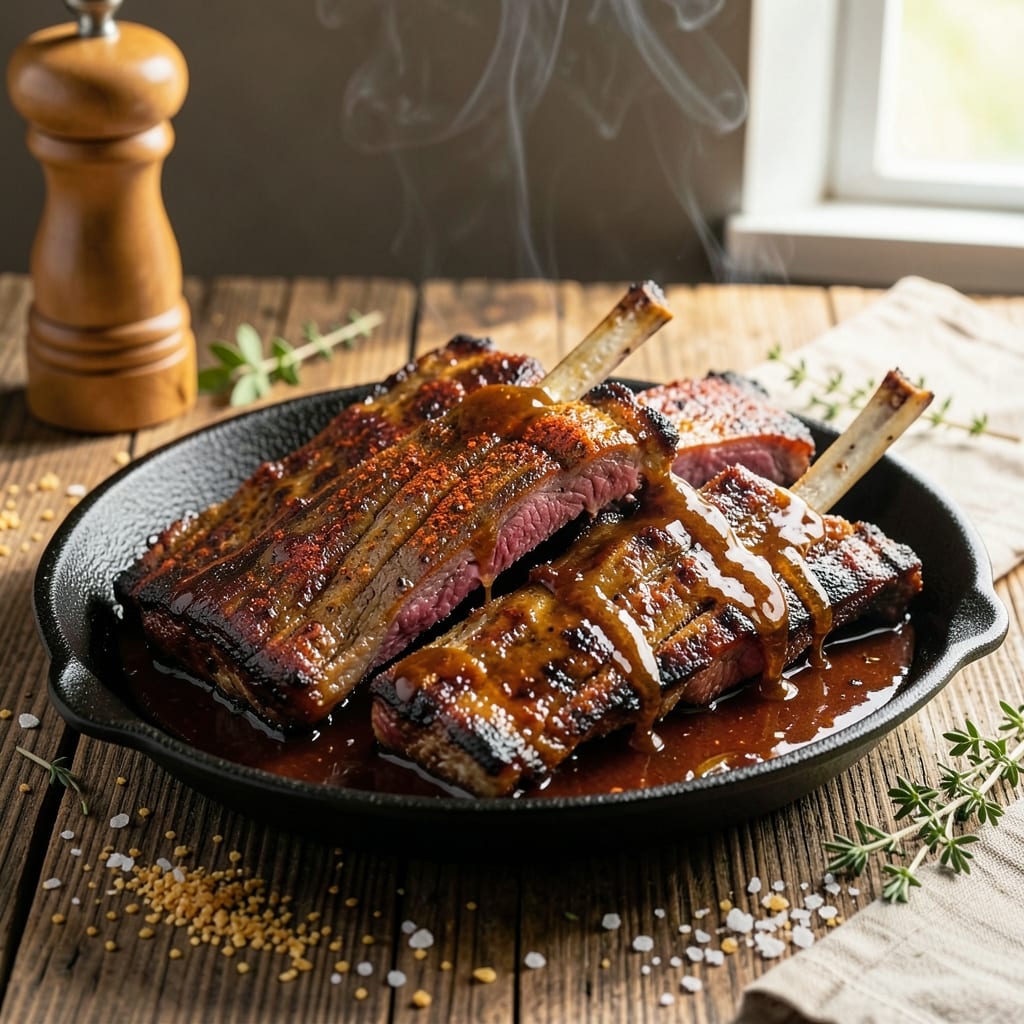
This BBQ beef spare ribs recipe barbecue delivers the perfect balance of smoky bark and melt-in-your-mouth tenderness that makes every bite worth the wait. Growing up in Cincinnati, I learned from Mrs. Henderson that great barbecue isn't rushed—it's about patience, heat control, and that magical 3-2-1 method that transforms tough ribs into something extraordinary. The secret lies in low-and-slow cooking that develops deep flavor while breaking down collagen into rich, velvety goodness.
What sets these ribs apart is the foolproof technique that guarantees both crispy exterior and tender meat without guessing. We'll start with a dry rub that forms that coveted bark, then move to indirect heat where the ribs cook slowly at 225°F until they're fork-tender. The final 10 minutes of direct heat over charcoal or wood creates those beautiful char lines and caramelized edges that make ribs irresistible. Every step builds on the last, ensuring professional-quality results at home.
By the time you serve these ribs, your kitchen will smell like a true barbecue joint—smoky, sweet, and rich with the aroma of wood-fired cooking. The meat will pull away from the bone with just a gentle touch, and that dark, crackling bark will give way to layers of flavor that keep coming with each bite. This isn't just dinner; it's an experience that transforms a simple meal into a centerpiece for gatherings.
Pair them with classic sides like tangy coleslaw and smoky baked beans, and you've got a complete barbecue feast that rivals any competition-style cook. The beauty of this recipe is its flexibility—whether you're cooking on a smoker, grill, or even in the oven, the principles remain the same. Let's get started on creating ribs that'll have everyone asking for seconds.
Ingredients for bbq beef spare ribs recipe barbecue
Six pounds of meaty ribs plus a few pantry staples—this is your ticket to competition-worthy barbecue.
| Ingredient | Amount | Notes |
|---|---|---|
| Beef Spare Ribs 🍖 | 4 lb | Bone-in, meaty ends preferred |
| Yellow Mustard 🍯 | ¼ cup | For sticky bark base |
| Brown Sugar 🍚 | ½ cup | Packed, light or dark |
| Smoked Paprika 🌶️ | 2 tbsp | For deep smoky flavor |
| Garlic Powder 🧄 | 1 tbsp | Freshly ground preferred |
| Onion Powder 🧅 | 1 tbsp | For balanced seasoning |
| Ground Black Pepper 🌶️ | 1 tbsp | Freshly cracked |
| Kosher Salt 🧂 | 1 ½ tbsp | Diamond Crystal preferred |
| Apple Cider Vinegar 🍎 | ¼ cup | For tangy balance |
| Wood Chips 🌳 | 2 cups | Hickory or cherry preferred |
| Charcoal Briquettes 🔥 | 20 lb | For consistent heat |
| Water 💧 | 1 cup | For spritzing ribs |
| Butter 🧈 | ¼ cup | Melted, for basting |
| Fresh Thyme Leaves 🌿 | ¼ cup | Chopped, optional garnish |
The ribs are the star, so grab bone-in spare ribs with meaty ends—those little knobs pack the most flavor. Costco sells them pre-packaged, but check your local butcher for the freshest cut. If you're buying a whole packer, trim off any excess fat or silver skin for better bark adhesion. The wood chips? Hickory or cherry from Traeger or Traeger Grills give that authentic smoky punch. Pro tip: soak your wood chips in water for 30 minutes before using—they'll smoke longer and produce less ash.
No smoked paprika? Regular paprika plus a pinch of liquid smoke works in a pinch, but you'll miss that authentic barbecue depth. The brown sugar should be packed—don't scoop it. For the mustard base, yellow mustard is traditional, but Dijon adds a nice tang. If you're cooking on a gas grill, soak wood chips in water and throw them on the coals to create smoke. The apple cider vinegar might seem odd, but it helps tenderize the meat and cuts through the richness. Trust me on this one—it's a game-changer for that perfect balance of sweet, smoky, and tangy.
These ribs are all about patience. Wrap them tightly in foil after the initial rub and store for up to 24 hours in the fridge—the flavors meld beautifully. The dry rub keeps for 3 months in an airtight container, so make extra. Leftovers? They reheat best wrapped in foil at 300°F for 20 minutes. Serve with classic sides like tangy coleslaw and smoky baked beans—you'll want to make this at least once a month.
Why You'll Love This Recipe
- One-Pan Magic: I swear by this recipe because it’s that simple—just ribs, a quick rub of brown sugar and smoked paprika, and a slather of mustard. No flipping pans, no fussing with sauces mid-cook. Honestly, the only thing I stress over is whether to use a grill or oven.
- Sweet-Smoky Bang: That caramelized brown sugar crust? It’s everything—crispy edges with fall-off-the-bone tenderness. The mustard cuts through the richness while the garlic powder sneaks in warmth. Between us, this is the kind of flavor that makes people ask for the recipe before dessert.
- Budget Win: A pound of beef ribs goes a long way, and the ingredients cost next to nothing. Plus, leftovers? They’re better the next day—soak them in extra sauce, reheat, and boom: instant lunch. My wallet and my taste buds thank me.
Step-by-step instructions for smoky barbecue beef spare ribs
Here's how to transform tough ribs into melt-in-your-mouth perfection with that coveted bark.
Prepare the Ribs and Dry Rub
Start by removing the membrane from the bone side of the ribs—slide your thumb or a butter knife under it to peel it away. Rinse the ribs under cold water and pat them completely dry with paper towels. This drying step is crucial because moisture prevents the bark from forming properly.
In a mixing bowl, combine the 0.5 cup brown sugar, 2 tbsp smoked paprika, 1 tbsp garlic powder, 1 tbsp onion powder, 1 tbsp ground black pepper, and 1.5 tbsp kosher salt. Mix well until the sugar is evenly distributed. Add the 0.25 cup yellow mustard and stir until fully incorporated. This sticky mixture will create that signature bark while keeping the meat moist.
Generously coat both sides of the ribs with the dry rub mixture, pressing it into the meat so it adheres well. Place them on a wire rack set over a baking sheet and refrigerate uncovered for 1 hour. This resting time allows the rub to penetrate deeply and the meat to dry slightly, which is essential for that perfect bark.
Set Up the Smoker for Low-and-Slow Cooking
While the ribs rest, prepare your smoker. Fill the water pan with 1 cup water and add the 2 cups wood chips to the smoker box. Light the 20 lb charcoal briquettes and spread them evenly in the smoker, leaving space for the wood chips. Once the charcoal is fully lit and producing clean, blue smoke, place the water pan and wood chips in the smoker.
Preheat the smoker to 225°F—this low temperature is key for tenderizing the connective tissue in the ribs. Insert a meat probe into the thickest part of one rib. You want to maintain this temperature as closely as possible throughout the cook. I like to use a digital thermometer with an alert feature so I can monitor it without opening the smoker frequently.
Place the ribs on the smoker grates, bone side down. Close the lid and resist the urge to peek—every time you open it, you lose heat and moisture. The ribs will take 5-6 hours to reach 165°F internal temperature, but don't rush this process. Patience is what turns tough meat into fall-apart tenderness.
Spritz and Wrap for Maximum Tenderness
After 3 hours of smoking, remove the ribs from the smoker and prepare a spritzing mixture by combining 0.25 cup apple cider vinegar with 1 cup water in a spray bottle. Generously spritz both sides of the ribs with this mixture, then return them to the smoker, bone side up.
Continue smoking until the ribs reach an internal temperature of 200-203°F and the probe slides in like butter with no resistance. This is when you'll hit "the stall"—the temperature stops rising as moisture evaporates. When this happens, wrap the ribs tightly in heavy-duty aluminum foil. This technique, called the "Texas crutch," helps power through the stall while maintaining that beautiful bark.
Return the wrapped ribs to the smoker and continue cooking for another 1-2 hours. The internal temperature should continue to rise to 205-210°F during this time. The ribs are done when they're fork-tender and the meat pulls away from the bone easily.
Baste and Rest for Optimal Flavor
Once the ribs reach the desired internal temperature, remove them from the smoker and place them on a cutting board. Unwrap the foil and discard it. In a small saucepan, melt the 0.25 cup butter over low heat. Using a pastry brush, generously baste both sides of the ribs with the melted butter. This step adds richness and helps create a glossy finish.
Let the ribs rest for 15-20 minutes before serving. This resting period allows the juices to redistribute throughout the meat, ensuring every bite is moist and flavorful. While they rest, sprinkle the chopped 0.25 cup fresh thyme leaves over the top for a pop of fresh aroma and color.
Slice the ribs between the bones and serve immediately. The result should be ribs with a dark, smoky bark on the outside and tender, juicy meat that falls off the bone with minimal effort. Each bite should deliver a perfect balance of sweet, smoky, and tangy flavors that make these ribs unforgettable.
Pro Tips For Making Bbq Beef Spare Ribs Recipe Barbecue
- Trim the Fat First: Beef spare ribs have a thick fat cap that can make your sauce greasy or the meat grease-prone. Use a sharp knife to slice through the membrane and peel it off—this also helps the seasoning stick better. (Yes, even if you’re impatient like me, take the 5 minutes.) ---
- Brown Before Saucing: Skip the slow start—sear the ribs on high heat for 3-4 minutes per side until deeply browned. This locks in flavor and gives your mustard-brown sugar glaze something to cling to. After burning three batches, I finally figured out: high heat first, then low and slow. ---
- Mix the Glaze Right: Blend yellow mustard, brown sugar, smoked paprika, and garlic powder into a paste with a splash of water or apple cider vinegar. A smooth glaze coats better than a dry rub—think of it like icing a cake, not sprinkling sugar. (Your future self will thank you.) ---
- Wrap at 170°F: Don’t pull the ribs too early—wait until they hit 170°F internally, then wrap in foil with a splash of water. This keeps them from drying out while finishing tender. I used to guess, but now I use a meat thermometer. (It’s worth the $10.)
Regional styles of this recipe
Cincinnati Style
This is the style Mrs. Henderson taught me growing up—all about that sticky, sweet glaze and tender meat. The secret here is a generous application of yellow mustard mixed into the dry rub, creating that signature bark while keeping the meat moist. Serve them with tangy coleslaw and baked beans for the full Cincinnati experience. 🍖
For the glaze, I like to brush on a mix of ½ cup apple cider vinegar, ½ cup brown sugar, and 2 tbsp smoked paprika during the last 30 minutes of cooking. This creates that glossy finish that makes these ribs irresistible. The key is patience—don't rush the low-and-slow cook.
Texas-Style
Texas ribs are all about that dark, crackling bark and tender meat that falls off the bone. The Texas crutch technique—wrapping ribs in foil after 3 hours of smoking—is essential here. This method helps power through the stall while maintaining that beautiful bark. I've made these ribs in my backyard smoker using hickory wood chips for that authentic Texas smoke flavor. 🌳
For serving, Texas-style ribs are often piled high on butcher paper with a side of pickled jalapeños and white bread. The contrast of the spicy jalapeños with the sweet, smoky ribs is a match made in heaven.
Carolina Style
Carolina-style ribs are all about the vinegar-based sauce and that perfect balance of sweet and tangy flavors. The dry rub is similar, but the sauce is what sets them apart. I like to use a mix of apple cider vinegar, brown sugar, and a touch of hot sauce for that Carolina kick. Serve them with a side of creamy coleslaw and cornbread for a complete meal. 🌶️
For the sauce, simmer ½ cup apple cider vinegar, ½ cup brown sugar, 2 tbsp hot sauce, and 1 tbsp smoked paprika until it thickens slightly. Brush this sauce on the ribs during the last 30 minutes of cooking. The vinegar helps tenderize the meat and adds a tangy kick that pairs perfectly with the smoky flavors.
Memphis Style
Memphis ribs are known for their dry rub and that beautiful, dark bark. The dry rub is a blend of brown sugar, smoked paprika, garlic powder, and onion powder, which creates that iconic crust. These ribs are often served with white bread and a side of baked beans. 🍞
For an authentic Memphis touch, I like to add a pinch of ground cayenne pepper to the dry rub for a subtle heat. The key is to maintain a consistent temperature of 225°F throughout the cook. This ensures the ribs develop that beautiful bark while staying tender. Serve them with a side of tangy coleslaw and you've got a true Memphis-style feast.
Nutrition facts
Frequently asked questions
What's the best wood for smoking beef spare ribs?
For beef spare ribs, hickory or cherry wood chips deliver the most authentic flavor. Hickory gives a bold, smoky punch that pairs perfectly with beef, while cherry adds a subtle sweetness that complements the ribs' richness. Avoid fruit woods like apple or peach—they're better suited for pork. Soak your wood chips in water for 30 minutes before using to extend their burn time and reduce flare-ups.
Can I cook these ribs on a grill instead of a smoker?
Use the 2-zone fire method—place charcoal on one side of the grill and leave the other side empty. Cook the ribs over indirect heat at 225-250°F for 4-5 hours, then move them to direct heat for the final 10-15 minutes to create bark. For smoke flavor, throw soaked wood chips on the coals. A grill works perfectly if you maintain consistent temperature and monitor closely.
Why do my ribs turn out tough instead of tender?
Tough ribs usually mean one of three things: too much heat (keep it at 225°F), not enough time (they need 5-6 hours total), or not wrapping during the stall. The Texas crutch (foil wrapping at 200°F) is crucial for breaking down collagen. Also, never skip the 1-hour rub rest—it helps the seasoning penetrate and the meat dry slightly for better bark adhesion.
How do I store leftover ribs?
Store ribs in an airtight container with a paper towel pressed against the meat to absorb moisture. They'll keep in the fridge for 3-4 days or freeze for up to 3 months. To reheat, wrap them in foil and bake at 300°F for 20 minutes. For best results, serve leftovers within 2 days—the bark loses crispiness over time, but the meat stays tender.
What sides pair best with these ribs?
Classic pairings include tangy coleslaw (the acid cuts through the richness), smoky baked beans (for a hearty meal), and cornbread (to soak up sauces). For a lighter option, try grilled vegetables or a fresh cucumber salad. In Cincinnati, we always serve ribs with white bread for dipping—it's a must-try tradition!