Main Courses
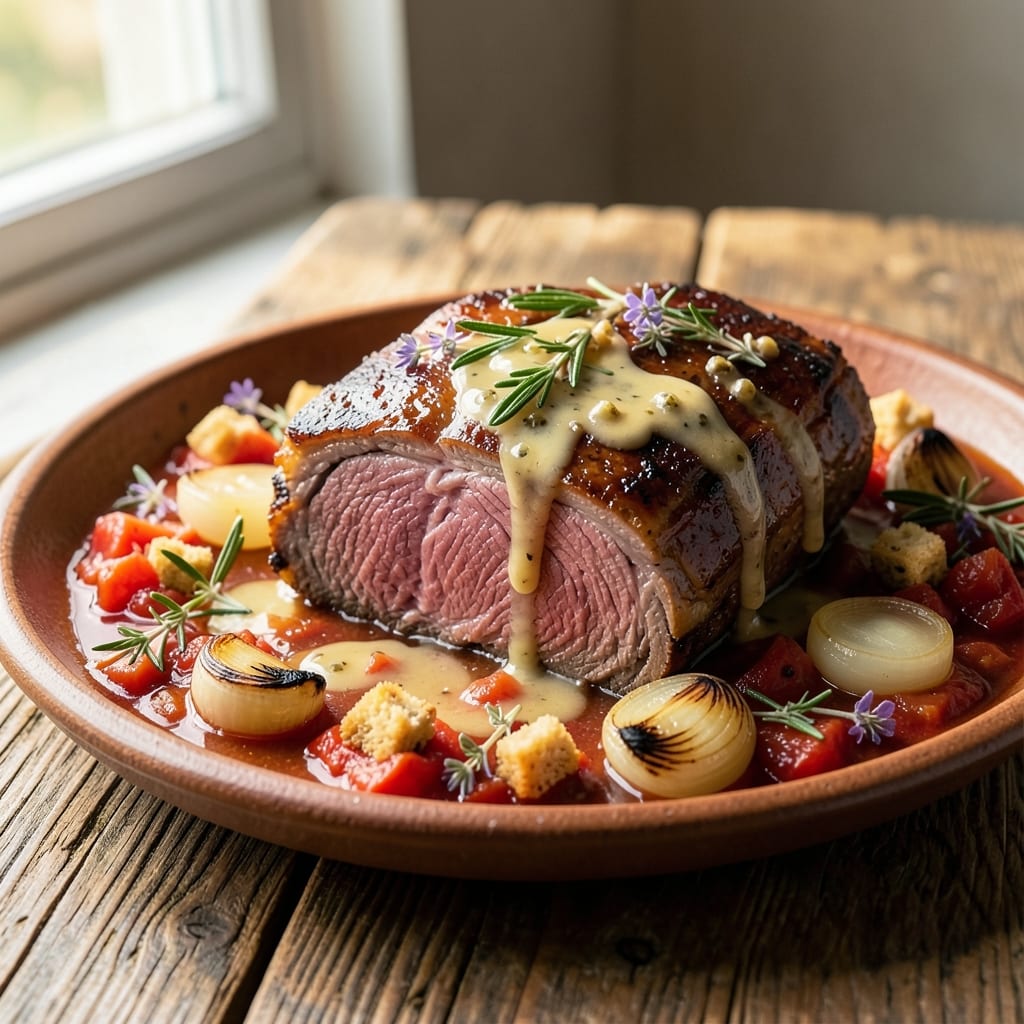
This beef a casa recipe delivers restaurant-quality depth in your own kitchen. 🌟 The secret lies in slow-cooking tender beef until it practically melts, infused with rich red wine and aromatic herbs that transform simple ingredients into something extraordinary. What makes this dish special is its balance of bold flavors and tender texture—perfect for weeknight dinners or special occasions.
Unlike quick-cooked beef dishes, this recipe relies on a slow braising method that breaks down tough cuts into fork-tender perfection. The combination of red wine, tomatoes, and garlic creates a sauce that's both savory and slightly sweet, while rosemary and bay leaves add layers of aromatic complexity. This isn't just another beef stew—it's a dish that tastes like a home-cooked Italian feast.
By the time you serve it, you'll have perfectly tender beef with a surface that's caramelized from the slow cooking, all swimming in a velvety sauce that clings to every bite. The aroma alone will make your kitchen feel like a trattoria, and the first taste will confirm why this dish has been a family favorite for generations. It's the kind of meal that gets better with time and reheats beautifully for leftovers.
Serve with crusty bread to soak up every drop of that rich sauce, or pair it with polenta and roasted vegetables for a complete Italian-inspired meal. The technique is straightforward, but the results are anything but ordinary—this is beef cooked with care, patience, and a touch of Italian magic.
Ingredients for beef a casa
Italian pantry staples and a few key fresh ingredients create this restaurant-quality braised beef.
| Ingredient | Amount | Notes |
|---|---|---|
| Chuck Roast 🥩 | 2 lb | Well-marbled, cut into 1.5-inch cubes |
| San Marzano Crushed Tomatoes 🍅 | 28 oz | High-quality, no salt added |
| Dry White Wine 🍷 | 1 cup | Bold, dry variety like Pinot Grigio |
| Garlic Cloves 🧄 | 6 cloves | Peeled, lightly crushed |
| Fresh Rosemary 🌿 | ½ oz | Or 2 sprigs, fresh preferred |
| Fresh Thyme 🌿 | ¼ oz | Or 1 tbsp dried thyme |
| Extra-Virgin Olive Oil 🫒 | ½ cup | For searing and deglazing |
| Yellow Onion 🧅 | 1 whole | Medium size, sliced |
| Carrots 🥕 | 3 whole | Medium size, peeled and sliced |
| Beef Broth 🥄 | 2 cups | Low-sodium preferred |
| Tomato Paste 🍅 | 2 tbsp | Smooth, not chunky |
| Kosher Salt 🧂 | 1 ½ tsp | Diamond Crystal preferred |
| Ground Black Pepper 🌶️ | 1 tsp | Freshly cracked |
| Fresh Parsley 🌿 | ¼ cup | Chopped, for garnish |
The chuck roast is non-negotiable here—its marbling ensures tender, flavorful meat. Look for cuts with visible fat streaks for optimal juiciness. Whole Foods or local butcher shops often carry the best quality, but most grocery stores stock pre-cut chuck. If buying whole, ask for it to be cubed to 1.5-inch pieces for even cooking. For the tomatoes, San Marzano is the gold standard, but any high-quality crushed tomatoes will work. The wine should be dry and bold—Pinot Grigio or Sauvignon Blanc are ideal choices that won't overpower the dish.
No white wine? Substitute beef broth with a splash of balsamic vinegar for acidity. Fresh herbs are ideal, but dried thyme at one-third the amount works in a pinch. The tomato paste can be skipped if you prefer a lighter sauce, though it adds wonderful depth. For the carrots, baby carrots are convenient, but whole carrots peeled and sliced give better texture. The beef broth should be low-sodium to control seasoning—Pacific Foods or Swanson are reliable brands. If you're short on time, pre-cut chuck roast from the meat department saves chopping effort.
This dish tastes even better the next day as flavors meld. Store leftovers in an airtight container in the fridge for up to 5 days, or freeze for 3 months. The sauce thickens as it cools, so add a splash of broth when reheating. For meal prep, portion into individual containers with a side of polenta or crusty bread. The herbs can be chopped ahead and stored in the fridge for 3 days, though fresh is always preferable.
Why You'll Love This Recipe
- One-Pot Magic: I swear by this recipe when I’m too tired to dirty more than one pan. Chuck roast and tomatoes simmer together for hours while I sip wine—no stirring, no stress, just rich flavors building effortlessly.
- Wine & Herb Magic: That splash of dry white wine cuts through the richness, and the rosemary? It smells like a Tuscan holiday every time. The garlic cloves sizzle into the tomatoes, turning everything into a deep, savory hug.
- Budget Beef That Feels Fancy: Chuck roast is my wallet’s hero—cheap, tender when slow-cooked, and this recipe makes it taste like a restaurant’s special. The San Marzano tomatoes? Worth every penny for that sweet, bright acidity that keeps it from tasting heavy.
Step-by-step instructions for Italian-style braised beef
This method transforms tough chuck roast into fork-tender beef with deep Italian flavors.
🔥 Step 1: Sear the Beef for Maximum Flavor
Heat the 0.5 cup extra-virgin olive oil in a heavy Dutch oven over medium-high heat until shimmering. Working in batches, add the 2 lb chuck roast cubes, arranging them in a single layer. Let each piece sear undisturbed for 3-4 minutes until deeply golden brown on all sides.
This crucial step develops the rich, caramelized crust that forms the flavor foundation. Don't overcrowd the pan—if needed, work in two batches. Once all beef is seared, transfer it to a plate and set aside. The browned bits left in the pot will become the base of your sauce.
🍳 Step 2: Build the Aromatic Base
Reduce heat to medium and add the sliced 1 whole yellow onion and 3 whole carrots to the Dutch oven. Cook for 5-6 minutes until the vegetables soften and begin to caramelize slightly at the edges. Add the 6 cloves garlic and cook for 30 seconds until fragrant.
Next, stir in the 2 tbsp tomato paste and cook for 1 minute until it darkens slightly. This step deepens the sauce's complexity and balances the acidity from the tomatoes. Remove the vegetables with a slotted spoon and set them aside with the beef.
🥘 Step 3: Deglaze and Simmer the Braise
Pour in the 1 cup dry white wine and scrape up all the browned bits from the bottom of the pot using a wooden spoon. This deglazing step captures all the flavor you worked so hard to create. Bring to a gentle simmer and cook for 3-4 minutes until the wine reduces by half.
Add the 28 oz San Marzano crushed tomatoes, 2 cups beef broth, 1.5 tsp kosher salt, and 1 tsp ground black pepper. Return the beef and vegetables to the pot, then add the 0.5 oz fresh rosemary and 0.25 oz fresh thyme. Bring to a simmer, then reduce heat to low.
⏰ Step 4: Braise Until Fork-Tender
Cover the Dutch oven and let the beef braise for 2.5-3 hours until the meat is fork-tender and easily pulls apart. The sauce should be rich and slightly thickened, coating the beef beautifully. Check occasionally and add ½ cup water if the liquid reduces too much.
This slow cooking process breaks down the connective tissue, transforming tough chuck roast into melt-in-your-mouth beef. The key is patience—don't rush this step. The beef is done when it reaches an internal temperature of 205°F and a fork slides in with minimal resistance.
🍽️ Step 5: Finish and Serve
Once the beef is tender, remove the rosemary and thyme sprigs. Stir in the 0.25 cup fresh parsley and adjust seasoning if needed. For a thicker sauce, simmer uncovered for 5-10 minutes to reduce further. Serve the beef hot, ladling the rich sauce over each portion.
This dish pairs beautifully with crusty bread or polenta to soak up the delicious sauce. The combination of wine, tomatoes, and herbs creates a complex flavor profile that will impress even the most discerning palates. Leftovers taste even better the next day as the flavors continue to meld.
Pro Tips For Making Beef A Casa
- SEAR THE ROAST FIRST: Chuck roast needs that deep, caramelized crust to anchor the flavors—don’t skip the high-heat sear. I used to rush this, and the sauce would always taste flat. Get the pan screaming hot, pat the roast very dry, and let it brown 3-4 minutes per side before pulling it out. That’s when the magic starts.
- BLOOM THE ROSEMARY: Toss the rosemary sprigs in the hot oil for 30 seconds before adding garlic—this releases their piney oils and makes them smell like a Tuscan hillside. I learned this the hard way by adding it raw, and the aroma was half as strong. A quick bloom also prevents the rosemary from turning bitter.
- DEGLAZE LIKE YOU MEAN IT: After searing, don’t just splash in the wine and stir. Let it simmer for 2-3 minutes until it’s reduced by half—this concentrates the flavor and cuts through the richness of the roast. I used to pour it all in and move on, and the sauce always tasted thin. Patience here makes the difference.
- SALT THE TOMATOES: Sprinkle a pinch of salt over the crushed San Marzano tomatoes while they warm in the pan. It softens their acidity and makes them taste fresher, like they’re straight from the vine. I was skeptical until I tried it—now I never skip it. Works especially well if your tomatoes are canned.
Wine and beer pairings for this recipe
Red Wine Pairings
The rich, slow-cooked flavors of this Italian-style braised beef call for a medium-bodied red wine with enough structure to stand up to the deep tomato and rosemary notes. I always reach for a Chianti Classico from Tuscany—its bright acidity and cherry undertones cut through the sauce's richness while complementing the beef's tenderness. 🍷
A Montepulciano d'Abruzzo offers another excellent option, with its velvety texture and dark fruit flavors that mirror the dish's depth. For a more approachable choice, try a Sangiovese from central Italy—its earthy notes harmonize beautifully with the herbs and wine in the braise.
White Wine Upgrades
While the recipe uses white wine in the cooking process, you can also serve it with a crisp white to refresh your palate between bites. A Vermentino from Sardinia—bright, citrusy, and slightly mineral—provides a perfect contrast to the beef's richness. The wine's lemony notes cleanse your palate while enhancing the dish's herbal complexity.
Beer Pairings
For beer lovers, a Belgian-style witbier like Hoegaarden brings a refreshing twist with its coriander and citrus notes. The effervescence helps cut through the sauce's richness, while the subtle spice complements the rosemary and thyme. 🍺
Alternatively, a German Helles lager offers a lighter, maltier option that won't overpower the beef's depth. The crisp, clean finish balances the dish's savory-sweet profile beautifully.
Non-Alcoholic Options
Skip the alcohol but still want to elevate your meal? A sparkling blood orange soda like Jarritos adds a citrusy brightness that mirrors the wine's acidity. For something more substantial, try a hibiscus iced tea—its tart, floral notes complement the beef's herbal undertones without competing.
Serving Temperature
Serve all wines and beers slightly chilled—around 50-55°F for reds and 45-50°F for whites and beers. The cool temperature enhances their refreshing qualities while letting their flavors shine alongside the warm, comforting beef. 💡
Nutrition facts
Frequently asked questions
Can I use a different cut of beef instead of chuck roast?
Yes, but with adjustments! For similar tenderness, try chuck shoulder or stew beef. Avoid lean cuts like sirloin—they won't become tender through braising. If using a tougher cut, increase braising time by 30-45 minutes to ensure fork-tenderness. For quicker cooking, use ribeye steak (cut into cubes) and reduce braising time to 1.5 hours.
Why does my beef turn out tough instead of tender?
Most likely, it wasn't braised long enough! The key is patience—chuck roast needs 2.5-3 hours at low heat to break down collagen. Check internal temp with a meat thermometer (205°F is perfect). Also ensure your pot isn't boiling (keep at a gentle simmer) and don't skip the sear—this creates flavorful browned bits that tenderize the meat.
Can I make this recipe in a slow cooker?
Transfer the seared beef and all ingredients to a 6-quart slow cooker and cook on low for 7-8 hours or high for 4-5 hours. The slow cooker maintains consistent low heat, which is ideal for this braising method. Just add ½ cup broth if the liquid seems too thick before serving. The flavors will develop beautifully this way!
How can I make this dish ahead of time?
This recipe actually tastes better the next day! Store leftovers in an airtight container in the fridge for up to 5 days. Reheat gently on the stovetop with a splash of broth to restore moisture. For freezing, portion into individual containers (with sauce) and freeze for up to 3 months. The flavors meld even more overnight, making it perfect for meal prep!
What's the best way to serve this Italian-style beef?
Pair it with classic Italian sides for a complete meal! Crusty garlic bread soaks up the rich sauce perfectly, while creamy polenta adds a comforting texture. For freshness, serve with a simple arugula salad (tossed with lemon vinaigrette) or roasted seasonal vegetables. The acidity of the salad cuts through the richness, balancing every bite beautifully.