
Main Courses
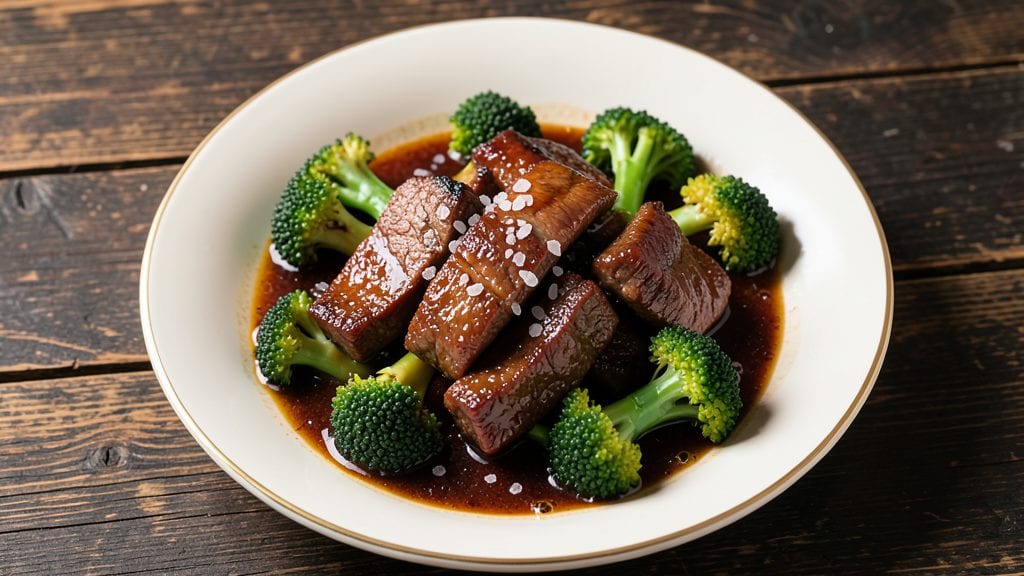
This beef and broccoli copycat recipe delivers the same restaurant-quality wok-hei crisp and savory sauce you crave—without the takeout markup. After analyzing what makes the dish sing, I've perfected the velveting technique that keeps beef tender yet crisp at the edges, while high-heat stir-frying transforms broccoli into vibrant, bite-sized perfection.
The sauce balances sweetness, umami, and tang perfectly, cutting through the richness with just the right acidity.
The secret lies in proper preparation: marinate the beef just long enough to tenderize without overpowering its natural flavor, then use a two-step cooking process to achieve that signature wok-hei texture.
Broccoli florets stay crisp-tender when blanched briefly before stir-frying, and the sauce gets its depth from a precise blend of soy sauce, brown sugar, and a splash of vinegar. This method ensures every bite delivers that satisfying combination of textures and flavors.
By the time you plate this dish, you'll have perfectly seared beef strips with a glossy sheen, bright green broccoli that holds its shape, and a sauce that clings beautifully to each component.
The aroma alone will have everyone at your table asking for seconds—just like the restaurant version. With this recipe, you're not just making dinner; you're recreating an experience.
Serve over steamed jasmine rice for the full effect, and garnish with toasted sesame seeds and sliced green onions for that final restaurant touch. The technique is straightforward once you understand the key steps, and the results are worth every minute of effort.
Let's get cooking—your taste buds will thank you.
Ingredients for beef and broccoli copycat
Restaurant-quality wok-hei starts with these 15 ingredients—simple but precise.
| Ingredient | Amount | Notes |
|---|---|---|
| Flank Steak 🥩 | 1 lb | Thinly sliced against grain |
| Broccoli Florets 🥦 | 2 cups | Small, uniform size preferred |
| Cornstarch 🌾 | 1 tbsp | For velveting beef |
| Light Soy Sauce 🥄 | ¼ cup | Kikkoman preferred |
| Dark Soy Sauce 🥄 | 1 tbsp | For color depth |
| Brown Sugar 🍯 | 2 tbsp | Packed, no substitutes |
| Rice Vinegar 🍶 | 1 tbsp | White or seasoned |
| Sesame Oil 🫒 | 1 tbsp | Toasted, for aroma |
| Garlic Cloves 🧄 | 4 cloves | Minced, fresh preferred |
| Ginger Root 🌿 | 1 tbsp | Fresh, grated finely |
| Vegetable Oil 🫒 | ¼ cup | High smoke point |
| Toasted Sesame Seeds 🌰 | 1 tbsp | For garnish |
| Green Onions 🧅 | 3 whole | Sliced thin, white and green |
| Jasmine Rice 🍚 | 1 ½ cups | Uncooked, for serving |
| Salt 🧂 | 1 tsp | Kosher or sea salt |
The beef is everything here. Flank steak is lean but tender when sliced thin against the grain—ask your butcher to slice it if they won't do it for free. Costco or Whole Foods carry pre-sliced versions, but I always grab a whole cut and slice it myself for the best texture. Look for bright red meat with good marbling—none of that grayish, watery stuff. The broccoli? Small florets stir-fry faster and stay vibrant. Baby broccoli works perfectly if you're in a hurry, but regular florets cut into bite-sized pieces do the trick too.
No light soy sauce? Substitute regular soy sauce plus 1 tsp sugar—it won't be identical, but close enough. Brown sugar is non-negotiable here; white sugar won't caramelize the same way. The rice vinegar adds that bright tang—substitute apple cider vinegar in a pinch, but it'll taste slightly different. Sesame oil? Use only 1 tsp for cooking—the extra tablespoon goes in the sauce at the end. Fresh ginger and garlic are ideal, but dried works at half the amount. For the rice, jasmine rice is traditional, but basmati or even day-old white rice works in a pinch if you're short on time.
This dish reheats beautifully—store in an airtight container for up to 3 days. The sauce thickens as it cools, so add a splash of water when reheating. For extra flavor, marinate the beef for 30 minutes max—longer and it gets mushy. The broccoli should be blanched just before stir-frying to keep it crisp-tender. Freeze portions for up to 2 months—just thaw overnight in the fridge before reheating. Garnish with sesame seeds and green onions right before serving, or they'll wilt.
Why You'll Love This Recipe
- No-Fuss Slice: I swear by this one—just slice the flank steak thin against the grain, toss it in a bowl with cornstarch, and stir-fry while the broccoli steams in the same pan. Five minutes of active work, and you’re done. (Yes, even on a Tuesday night.)
- Umami Bomb: That combo of light and dark soy sauce? It’s the secret weapon. The dark soy adds depth while keeping it bright, and the cornstarch gives the beef that perfect crisp-tender bite. Honestly, I’ve tried other beef dishes, but this one sticks with you.
- Lunchbox Hero: Pack it cold or reheat it—this holds up like a champ. My kids grab leftovers for school lunches, and my husband takes it to work in containers. (Between us, the broccoli stays crispier than takeout.)
- Budget Power Move: A single flank steak stretches across three meals for my family, and the broccoli’s cheap to buy in bulk. I’ll be real: it’s cheaper than delivery, and way tastier. Plus, the soy sauce is the only fancy ingredient you’ll need.
Step-by-step instructions for beef and broccoli stir-fry
Here's how to nail that signature wok-hei crisp and tender beef every time.
Prepare the Flank Steak for Velveting
Slice the 1 lb flank steak thinly against the grain into strips about ¼-inch thick. Place the slices in a bowl and add the 1 tablespoon cornstarch, tossing to coat evenly. This creates a silky texture when cooked properly. Let the steak sit for 10 minutes while you prep the rest.
In a separate bowl, whisk together the ¼ cup light soy sauce, 1 tablespoon dark soy sauce, 2 tablespoons brown sugar, 1 tablespoon rice vinegar, and 1 teaspoon salt. This marinade will tenderize the beef while adding depth of flavor. Pour half of this mixture over the cornstarch-coated steak and toss gently to combine. Let it marinate for 15 minutes at room temperature.
Here's the thing—don't skip the velveting process. The cornstarch creates a translucent coating that keeps the beef tender during the high-heat stir-fry. If you rush this step, you'll end up with chewy meat instead of that signature restaurant-quality texture.
Cook the Jasmine Rice to Perfection
Rinse the 1.5 cups jasmine rice under cold water until the water runs clear. This removes excess starch that can make the rice gummy. Combine the rice with 2 cups water in a pot and bring to a boil. Once boiling, reduce heat to low, cover, and simmer for 15 minutes without lifting the lid.
After 15 minutes, turn off the heat and let the rice steam covered for another 10 minutes. This resting period allows the rice to absorb any remaining moisture and develop that distinct jasmine aroma. Fluff gently with a fork before serving—don't press down or you'll crush the grains.
I know it seems like rice is the easy part, but getting it right makes the whole dish. Undercooked rice is mushy, overcooked rice is dry, and perfectly cooked rice soaks up all that delicious stir-fry sauce. This is your foundation, so take your time here.
Stir-Fry the Broccoli and Aromatics
Heat the ¼ cup vegetable oil in a wok or large skillet over high heat until shimmering. Add the 2 cups broccoli florets and stir-fry for 2-3 minutes until bright green and just tender-crisp. You want them to maintain some bite—they'll finish cooking with the beef.
Push the broccoli to one side of the wok and add the 4 minced garlic cloves and 1 tablespoon finely grated ginger root. Stir for 30 seconds until fragrant—this is where the flavor really starts to develop. If you smell burning, reduce the heat slightly but keep it hot.
Here's where it gets fun—toss in the 3 sliced green onions (white parts first) and stir for another 30 seconds. The green onion whites will soften slightly while keeping the greens bright for garnish. This layered cooking technique builds flavor without overpowering the delicate broccoli.
Cook the Beef to Wok-Hei Perfection
Remove the beef from the marinade, letting any excess drip off (don't shake it off). Add the beef to the wok in a single layer and cook undisturbed for 1-2 minutes until the bottoms develop a deep brown crust. This is the wok-hei—those signature smoky, charred flavors that make this dish special.
Once the bottoms are browned, stir the beef and cook for another 1-2 minutes until just cooked through. The beef should be tender but still slightly pink in the center—it will continue cooking with the sauce. If you see the beef turning gray, it's overcooked. Remove it to a plate and set aside.
This is the moment that matters: the beef must be tender but still have a slight bite. Overcooking releases juices that make the beef tough. The high heat and quick cooking time are essential—don't rush this part, but don't linger either.
Combine and Finish with Sauce
Return all the beef to the wok and add the remaining marinade (the half you didn't use on the beef). Stir everything together and cook for 1-2 minutes until the sauce thickens slightly and coats the beef and broccoli. The residual heat will finish cooking the beef perfectly.
Drizzle in the 1 tablespoon sesame oil and toss gently to distribute. The oil adds that nutty aroma that's characteristic of authentic beef and broccoli. Taste and adjust seasoning if needed—you might want to add a splash more light soy sauce for saltiness or a touch of rice vinegar for brightness.
Serve the beef and broccoli immediately over the jasmine rice, garnished with the toasted sesame seeds and remaining green onion greens. Each bite should deliver tender beef with a crisp exterior, perfectly cooked broccoli, and that signature sauce clinging to every piece.
Pro Tips For Making Beef And Broccoli Copycat
- SLICE AGAINST THE GRAIN: Flank steak’s muscle fibers run long—cutting perpendicular to them keeps each bite tender. I used to ignore this and ended up with chewy, rubbery strips. A sharp knife and ¼-inch thickness is your goal; no need to go thinner unless you love dry meat.
- BLANCH BROCCOLI FIRST: Toss florets in boiling water for 30 seconds before stir-frying—this stops them from turning mushy mid-cook. Skip this, and your broccoli will either be raw or a sad, limp pile. (Yes, I know it’s extra work, but the texture makes a real difference.)
- CORNSTARCH SLURRY MATTERS: Mix cornstarch with cold water (1 tbsp per 2 tbsp) and let it sit for 5 minutes before tossing with beef. I learned this the hard way—lumpy slurry = grainy sauce. Stir-fry the beef first, then add the slurry last to thicken properly.
- LOW AND SLOW FOR SAUCE: After adding soy sauces, reduce heat to medium-low and let the sauce simmer for 2 minutes. Rushing this step leaves it thin and watery. Sounds counterintuitive, but patience here means a glossy, cohesive finish—not a sad, streaky glaze.
Regional styles of this dish
Chinese-American Classic
This dish originated in 19th-century San Francisco as an adaptation of traditional Chinese stir-fry techniques for American palates. The original version used flank steak (a cut popular with Chinese immigrants) and broccoli (a vegetable more accessible in the US than traditional bok choy).
Restaurants like P.F. Chang's and Chef Woo popularized it in the 1970s and 80s, making it a staple of American-Chinese cuisine. 🗺️
Hong Kong-Inspired Version
In Hong Kong, this dish is often made with char siu pork instead of beef, and the sauce includes hoisin sauce for extra sweetness. The technique focuses on quick, high-heat stir-frying to preserve the broccoli's crispness.
I've adapted this method by using dark soy sauce for color and brown sugar to mimic the caramelized flavor of char siu. The sauce is slightly thinner, allowing the natural flavors of the beef to shine.
Japanese Teriyaki Adaptation
For a Japanese-inspired twist, replace the soy-based sauce with a teriyaki glaze made from mirin, sake, and sugar. The beef is marinated longer (up to 30 minutes) in this glaze before cooking. Broccoli is stir-fried separately and tossed with the beef at the end.
Garnish with sesame seeds and shredded nori for that umami kick. This version is sweeter and less tangy than the classic, but equally delicious. 🍶
Korean-Inspired Bulgogi Style
Swap the soy sauce for a gochujang-based marinade (mix 1 tbsp gochujang, 1 tbsp soy sauce, 1 tbsp brown sugar, and 1 tsp sesame oil). The beef is marinated for 30-45 minutes to infuse with the spicy, slightly sweet flavors.
Serve with kimchi on the side and a sprinkle of toasted sesame seeds for extra depth. The broccoli stays the same, but the sauce gets a spicy kick that balances the richness of the beef.
Thai-Inspired Basil Twist
For a Thai-inspired version, add 1 tbsp fish sauce and 1 tbsp oyster sauce to the marinade, along with 1 tsp sugar. Stir-fry the beef with Thai basil leaves at the end for a fragrant, aromatic finish. The broccoli is blanched first, then tossed with the beef and sauce.
Garnish with crushed peanuts and lime wedges for a bright, citrusy contrast. This version is bolder and more aromatic than the classic, with a perfect balance of sweet, salty, and umami. 🌶️
Nutrition facts
Frequently asked questions
Can I substitute flank steak with another cut?
Yes, but choose wisely! Sirloin or ribeye work well if sliced thin against the grain. Avoid tougher cuts like chuck—they won't velvet properly. For extra tenderness, marinate for 20 minutes max (longer can make it mushy). Flank steak is ideal because it's lean yet tender when sliced correctly.
Why does my broccoli turn mushy?
Overcooking is the #1 culprit! Stir-fry broccoli for only 2-3 minutes at high heat—it should stay bright green and slightly crisp. Blanch florets for 1 minute before stir-frying if they're large. Also, avoid crowding the pan; cook in batches if needed. The beef's residual heat finishes cooking it during the final toss.
How do I make the sauce thicker?
Simmer the sauce uncovered for 1-2 extra minutes after combining everything. For instant thickening, mix ½ teaspoon cornstarch with 1 teaspoon water and stir into the sauce at the end. The sauce should coat the back of a spoon but remain pourable—not gluey. Too thick? Thin with 1 teaspoon water or rice vinegar.
Can I make this ahead of time?
Store components separately in an airtight container for up to 3 days. Reheat the beef and broccoli separately over medium heat with a splash of water, then combine with the sauce. For best texture, re-stir-fry the broccoli fresh before serving. The sauce reheats well, but the broccoli loses crispness if pre-cooked too long.
What's the secret to wok-hei flavor?
High heat and proper timing! Use a carbon steel or cast-iron wok (or heavy skillet) and crank the heat to its max. Cook beef in a single layer without stirring for 1-2 minutes to develop that smoky crust. The sesame oil at the end adds aroma, but the real magic comes from the quick, high-heat sear—don't rush this step!