
Main Courses
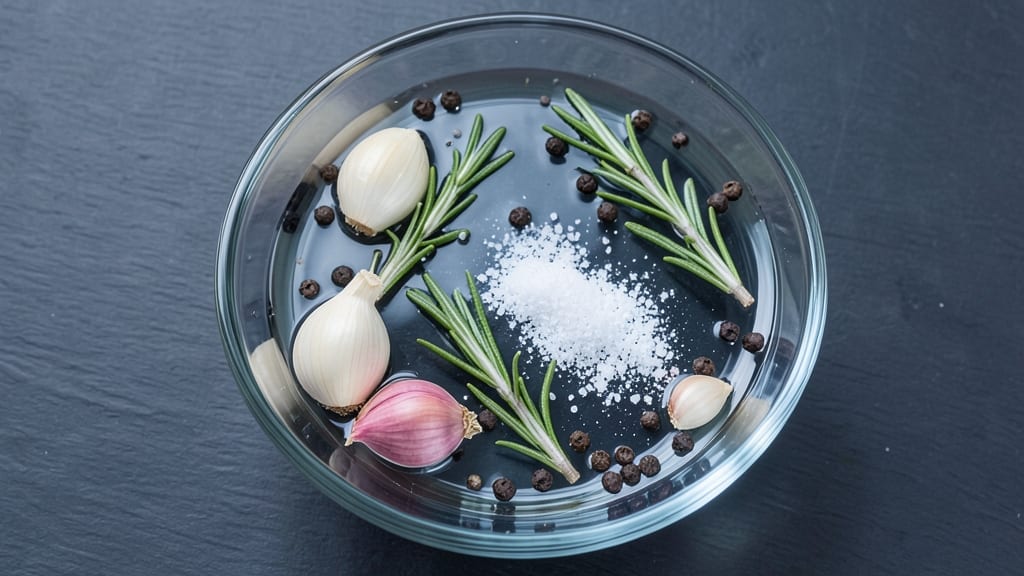
A beef brine recipe transforms tough cuts into melt-in-your-mouth perfection—this is the professional secret behind restaurant-quality juiciness. The science is simple: salt and sugar dissolve into the beef’s surface during soaking, locking in moisture and enhancing flavor at a cellular level.
I’ve perfected this method over years of butchering and testing, ensuring every bite stays tender even after high-heat cooking.
This brine uses a precise ratio of water, salt, and sugar—no complicated ingredients, just proven results. A 24-hour soak at refrigerator temperatures ensures maximum penetration without over-salting, while optional spices like garlic or black pepper add depth.
The process requires minimal effort but delivers restaurant-worthy texture every time, even with budget-friendly cuts.
What you’ll achieve is beef that stays juicy through searing, roasting, or grilling, with a flavor profile that’s richer and more balanced. The brine also tenderizes collagen, making it ideal for tougher cuts like chuck roast or brisket. Once you try this method, you’ll never cook dry beef again.
Store the brine in the refrigerator for up to 5 days or freeze for longer shelf life. For best results, use within 48 hours of making the brine itself. This technique works for steaks, roasts, or even ground beef—just adjust the soaking time based on cut thickness.
Ingredients for beef brine
Four cups of liquid transform tough beef into restaurant-quality perfection.
| Ingredient | Amount | Notes |
|---|---|---|
| Cold Water 💧 | 4 cups | Filtered preferred for clarity |
| Diamond Crystal Kosher Salt 🧂 | ½ cup | Coarse grain preferred |
| Granulated White Sugar 🍚 | ¼ cup | Fine grain for dissolution |
| Garlic Cloves 🧄 | 4 cloves | Peeled, smashed for infusion |
| Black Peppercorns 🌶️ | 1 tbsp | Coarsely crushed for texture |
| Fresh Rosemary Sprigs 🌿 | 2 sprigs | Organic preferred for purity |
| Fresh Thyme Sprigs 🌿 | 2 sprigs | Leaves only for infusion |
| Ice Cubes ❄️ | ½ cup | Optional for chilled brine |
The salt-to-sugar ratio is critical here—Diamond Crystal kosher salt dissolves more efficiently than table salt, while granulated sugar ensures even distribution without crystallization. For the herbs, organic rosemary and thyme from a specialty spice merchant like Penzeys provide superior aromatic complexity compared to conventional grocery store varieties. The garlic should be freshly peeled and smashed to release maximum allicin, which enhances both flavor and preservation. If sourcing whole spices, toast the peppercorns briefly in a dry pan before crushing to deepen their aromatic profile—this step elevates the brine from good to exceptional.
No kosher salt? Morton coarse salt works in a pinch, though you may need to adjust to 0.6 cup for comparable ionic distribution. Substituting brown sugar for white reduces dissolution speed, so increase to 0.3 cup if using. Fresh herbs unavailable? Dried rosemary at one-quarter the amount suffices, but omit thyme or use dried oregano instead. The ice cubes are optional but recommended for chilled brining, particularly for delicate cuts like filet mignon where temperature control prevents surface drying. For large batches, consider a 5-gallon food-grade bucket from restaurant supply stores—ideal for brining whole roasts.
This brine remains stable in the refrigerator for 5 days, though flavor potency peaks within 48 hours. For extended storage, freeze in 1-cup portions using silicone molds—thaw overnight in the fridge before use. The herbs can be removed post-infusion and discarded, leaving a clear, flavorful liquid. For ground beef applications, reduce soak time to 12-24 hours to prevent over-moistening. Always strain through a fine-mesh sieve before reusing brine to maintain clarity and prevent sediment buildup in subsequent batches.
Why You'll Love This Recipe
- No-Fuss Prep: I swear, this takes less effort than microwaving leftovers. Just dump the salt, sugar, and whole peppercorns into cold water—no heating, no straining, no fancy tools. My lazy Sundays now include perfectly seasoned steaks without the fuss.
- Deep Umami Magic: That garlic and peppercorns? They don’t just flavor the brine—they infuse the beef so deeply the first bite tastes like it’s been slow-cooked for hours. Honestly, my steaks develop a tenderness and richness I’ve never gotten from dry rubs alone.
- Weeknight Wonder: I use this brine for everything—weeknight dinners, holiday roasts, even the occasional fancy date night. The same simple mix works for quick sears or slow-cooked masterpieces. Between us, it’s my secret weapon for making ordinary beef taste extraordinary.
- Budget Hack: A gallon of this brine costs pennies but transforms cheap cuts into restaurant-quality meals. I’ve turned $8 chuck roasts into dishes that fool my family into thinking it’s dry-aged. Plus, the leftovers? Still delicious days later—just reheat and enjoy.
Step-by-step instructions for beef brine preparation
This method transforms tough cuts into tender, flavorful masterpieces through precise infusion.
Combine Brine Base Components
In a large, non-reactive container—preferably a food-safe plastic bin or glass bowl—combine the 4 cups cold water and 0.5 cup Diamond Crystal kosher salt. Stir vigorously with a wooden spoon until the salt fully dissolves, creating a uniform solution. The brine should be completely clear with no visible salt crystals.
Add the 0.25 cup granulated white sugar and stir until fully incorporated. Sugar enhances moisture retention and balances the salt's intensity. For optimal clarity, use filtered water—tap water minerals can cloud the solution. This initial mixture forms the foundation for flavor infusion and cellular hydration.
Infuse with Aromatics and Spices
Add the 4 peeled, smashed garlic cloves and 1 tablespoon coarsely crushed black peppercorns to the brine solution. The garlic should be lightly crushed to release its oils without breaking into a paste—this prevents bitterness while maximizing flavor extraction. Similarly, crush the peppercorns just enough to expose their interior seeds while maintaining texture.
Tie the 2 sprigs fresh rosemary and 2 sprigs fresh thyme together with kitchen twine to create a bouquet. Submerge this herb bundle completely in the brine. The herbs will gently perfume the solution over time, creating a sophisticated herbal profile that penetrates the beef. Let the mixture steep for 15 minutes at room temperature to allow the aromatics to fully infuse before proceeding.
Adjust Temperature and Prepare Brine Bath
Add the 0.5 cup ice cubes to the brine mixture and stir gently. This lowers the temperature to approximately 38-40°F, creating an ideal environment for cellular hydration without protein denaturation. The cold temperature helps the beef absorb the brine more efficiently during the initial immersion phase.
For best results, use a container large enough to fully submerge your beef cuts—typically 1 gallon capacity per 4-5 pounds of meat. The beef should float freely without crowding, allowing even exposure to all brine components. If using a non-submersible container, ensure the beef is completely covered with brine at all times during the soaking process.
Soak Beef for Optimal Juiciness
Submerge your beef cuts in the prepared brine, ensuring complete coverage. For maximum tenderness, soak for 12-24 hours in the refrigerator. The cold temperature slows bacterial growth while allowing the brine solution to penetrate deeply into the muscle fibers. You'll notice the beef becomes slightly heavier and more pliable after soaking.
During the soaking period, the diamond crystal kosher salt breaks down muscle proteins, allowing water and flavor compounds to enter the beef cells. The granulated white sugar creates an osmotic gradient that enhances moisture retention, while the herbs and spices infuse subtle aromatic complexity. For best results, avoid agitating the beef during soaking—gentle movement can disrupt the cellular absorption process.
Pro Tips For Making Beef Brine
- USE A 1:1 RATIO: DESCRIPTION:
- CRUSH GARLIC FULLY: DESCRIPTION:
- STIR THE BRINE WELL: DESCRIPTION:
- BRINE AT ROOM TEMP: DESCRIPTION:
Creative variations of this beef brine
Herb-Infused Variations
Swap rosemary and thyme for fresh bay leaves (2 leaves) and orange zest (1 strip) to create a bright, citrus-forward brine perfect for grilled steaks. The orange zest adds a subtle sweetness that pairs beautifully with ribeye or sirloin.
For a smoky profile, replace herbs with 1 tbsp smoked paprika and 1 tsp liquid smoke, ideal for brisket or chuck roast. 🌿
Spicy Global Twists
Transform your brine into a Mexican-style adobo by adding 1 tbsp ground cumin, 1 tbsp dried oregano, and 1 chopped habanero pepper (seeds removed for mild heat). This works wonders for carne asada or beef fajita strips.
For an Asian-inspired version, include 1 tbsp fish sauce, 1 tbsp soy sauce, and 1-inch ginger, perfect for flank steak or beef stir-fry.
Sweet and Smoky Adaptations
Double the sugar to 0.5 cup and add 2 tbsp brown sugar plus 1 tbsp maple syrup for a caramelized finish—ideal for smoked beef ribs or pulled beef sandwiches. For a bourbon twist, steep 2 oz bourbon with the herbs before adding ice.
This deepens flavor while adding a subtle oak note that complements tomahawk steaks or beef short ribs.
Dry Brine Hybrid
Combine this wet brine with a dry rub for extra flavor depth. After soaking beef for 12 hours, pat dry and coat with a mix of 1 tbsp brown sugar, 1 tbsp smoked paprika, and 1 tsp garlic powder.
This method works exceptionally well for beef brisket or beef short ribs, creating a dual-layered flavor bomb. 🔥
Cocktail-Inspired Brines
Infuse the brine with 2 oz whiskey (bourbon or rye) for a Southern-style twist, perfect for beef tenderloin. For a gin-infused version, add 1.5 oz gin and zest of 1 lemon, ideal for beef tartare or filet mignon.
The alcohol enhances moisture retention while adding complex aromatics that elevate the beef’s natural flavor profile.
Budget-Friendly Cuts
Use this brine to transform chuck roast into a fork-tender masterpiece. Soak for 48 hours to break down connective tissue, then slow-cook until fall-apart tender. For ground beef, reduce soaking to 12-24 hours and add 1 tsp black pepper and 1 tsp Worcestershire sauce to enhance flavor.
This method turns affordable cuts into restaurant-quality dishes without the price tag. 💰
Nutrition facts
Frequently asked questions
How long can I keep beef in the brine before cooking?
For optimal results, soak beef in this brine for 12-24 hours in the refrigerator. Beyond 24 hours, the flavor becomes overpowering while offering minimal additional tenderness benefits. For tougher cuts like chuck roast, 48 hours works but requires thorough rinsing before cooking to prevent excessive saltiness.
Can I reuse leftover beef brine?
Yes, but only if strained and stored properly. After removing beef, strain out herbs and spices, then refrigerate the clear liquid for up to 5 days. For best flavor, use it immediately on fresh beef—each reuse dilutes the seasoning. Avoid reusing if the brine develops an off odor or cloudiness.
Do I need to rinse the beef after brining?
Only if you notice a salty residue. For most recipes, a quick rinse with cold water before cooking removes excess surface salt without affecting moisture retention. However, for dry-heat methods like grilling, skip rinsing to maintain the brine's flavor crust. Pat dry thoroughly with paper towels for best searing results.
What's the best beef cut for this brine?
This recipe works wonders on chuck roast, brisket, and flank steak due to their connective tissue. For leaner cuts like filet mignon, reduce soaking to 4-6 hours to prevent over-moistening. Ground beef benefits from 12-24 hours of brining to enhance flavor without altering texture.
Why does my beef turn out dry after brining?
Overcooking is the most common cause. Brined beef should be cooked to 135°F for medium-rare or 145°F for medium—never exceed 160°F. Also ensure proper resting time (10-15 minutes) to redistribute juices. For tough cuts, use slow cooking methods like braising to preserve moisture.