
Main Courses
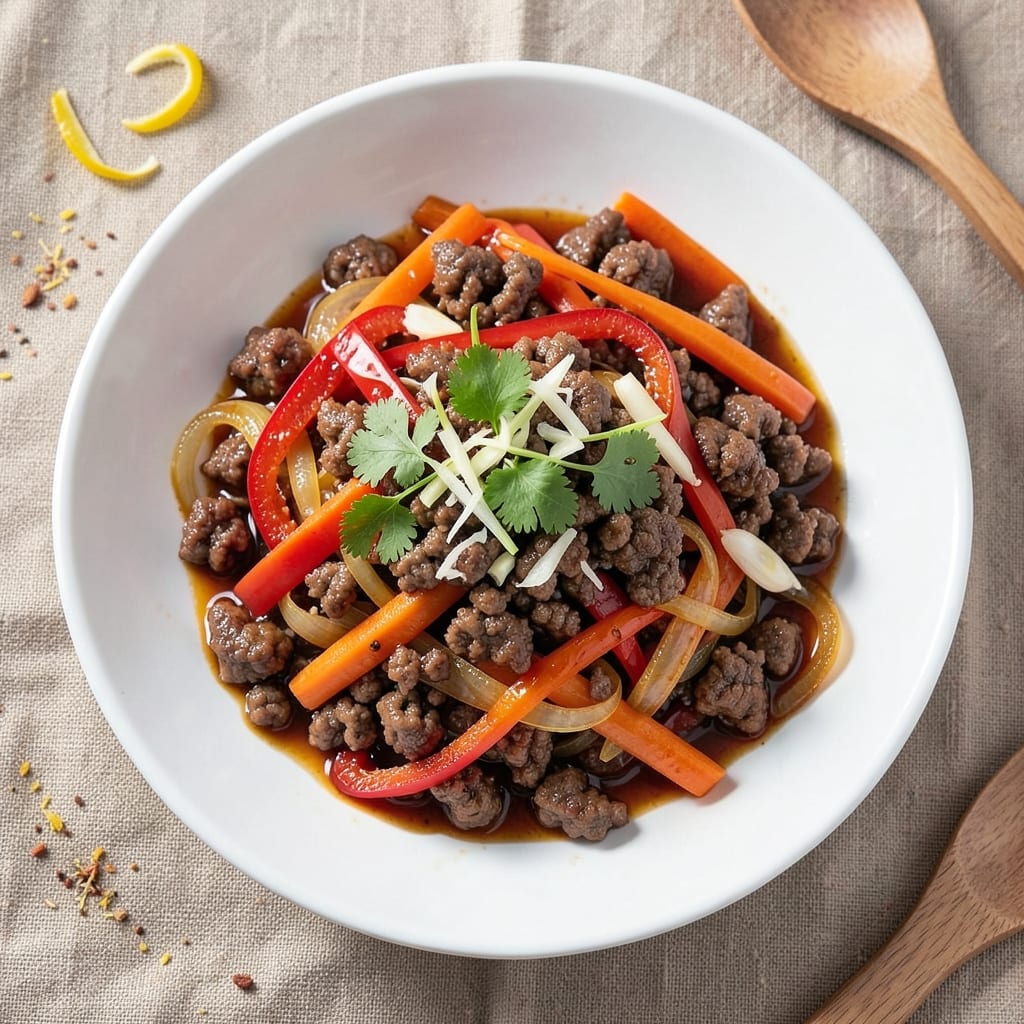
This Asian ground beef stir fry delivers restaurant-quality wok-heated spice and umami in just 20 minutes, transforming simple ingredients into a flavor-packed meal. The secret lies in high-heat searing and layered seasonings that caramelize beautifully, creating that signature smoky aroma we all crave. I developed this recipe after years of perfecting stir-fry techniques, and it never fails to impress—even with picky eaters.
The magic happens in three key steps: properly prepping the beef for maximum tenderness, stir-frying aromatics until fragrant, and balancing sweet, salty, and spicy elements in the sauce. You'll start with ground beef that browns beautifully, then toss it with crisp vegetables and a sauce that's both complex and easy to assemble. The result? A dish that's vibrant, aromatic, and packed with texture—crisp edges on the vegetables, tender beef, and a glossy sauce that ties everything together.
What makes this recipe truly special is its versatility. You can adjust the heat level to suit your preference, swap in different vegetables based on what's fresh, or even make it gluten-free with simple substitutions. The dish serves perfectly over steamed rice or noodles, making it ideal for weeknight dinners or meal prep. Once you try this method, you'll never settle for anything less than homemade stir-fry again.
For those who love customization, this recipe also works beautifully with variations like teriyaki, soy-ginger, or spicy chili—each bringing its own unique flavor profile. The technique is straightforward, but the results are anything but basic. Let's get started on creating a stir-fry that tastes like it came straight from your favorite Asian bistro.
Ingredients for asian ground beef stir fry
Restaurant-quality stir-fry starts with these 15 ingredients—simple, vibrant, and packed with umami.
| Ingredient | Amount | Notes |
|---|---|---|
| Ground Beef (80% lean) 🥩 | 1 ½ lb | Finely chopped for even cooking |
| Yellow Onion 🧅 | 1 whole | Thinly sliced, outer layers removed |
| Garlic Cloves 🧄 | 6 cloves | Minced, peeled |
| Fresh Ginger 🌿 | 1 ½ tbsp | Finely grated, peeled |
| Red Bell Pepper 🌶️ | 1 whole | Thinly sliced, seeds removed |
| Carrots 🥕 | 2 whole | Julienned, peeled |
| Soy Sauce 🍶 | 3 tbsp | Light or all-purpose |
| Honey 🍯 | 2 tbsp | Pure, for balance |
| Sesame Oil 🫒 | 1 tbsp | Toasted, for aroma |
| Rice Vinegar 🍶 | 1 ½ tbsp | White, for tang |
| Sriracha 🔥 | 1 tbsp | Adjust for heat preference |
| Vegetable Oil 🫒 | 2 tbsp | High smoke point |
| Green Onions 🧅 | 3 whole | Thinly sliced, for garnish |
| Sesame Seeds 🌾 | 1 tbsp | Toasted, for crunch |
| Diamond Crystal Kosher Salt 🧂 | ½ tsp | For seasoning |
The ground beef is non-negotiable here—80% lean gives you that perfect balance of tenderness and fat for searing. I always grab mine from Costco or the butcher section at Whole Foods for the freshest cut. Look for beef labeled 'finely chopped' if you want to skip the chopping step, but if you're feeling ambitious, a sharp knife and quick pulse in the food processor makes all the difference. The garlic and ginger? Fresh is a must—dried just won't cut it for that wok-heated aroma. If you're short on time, Trader Joe's sells pre-minced garlic in a jar, which saves a solid 5 minutes.
No sesame oil? Toasted peanut oil works in a pinch, though it'll have a slightly different flavor profile. Short on soy sauce? Coconut aminos is a 1:1 swap and adds a hint of sweetness. The Sriracha can be swapped for gochujang or doubanjiang if you're craving something deeper. For the vegetables, feel free to mix and match—bok choy or snap peas add great texture, and mushrooms bring an earthy depth. Just make sure everything is cut evenly so it cooks at the same rate. The sauce is where the magic happens—balance is key, so taste as you go and adjust the honey or vinegar to suit your preference.
Prep your veggies first—they'll keep in the fridge for 3-4 days if stored in an airtight container. The sauce can be made ahead and stored for 1 week, though it's best when fresh. If you're meal prepping, cook the beef and veggies separately, then toss with the sauce just before serving to keep everything crisp. Leftover stir-fry reheats beautifully—just add a splash of water or broth to loosen it up. For extra flavor, sprinkle with toasted sesame seeds right before serving, as they lose their crunch when stored.
Why You'll Love This Recipe
- One-Pan Magic: I swear by this recipe because it’s actually one-pan—no dirty dishes piling up. Just brown the beef, toss in the onions and peppers, and let the garlic and ginger work their flavor magic while you stir. Twenty minutes later, your kitchen looks cleaner than it did before you started.
- Umami Bomb: That 80% lean beef? It’s the star. When seared just right, it stays juicy but gets this perfect crust, while the ginger and garlic infuse the whole dish with warmth. Add a splash of soy sauce or a sprinkle of sesame oil, and it’s dangerously addictive—even my picky husband asks for seconds.
- Lunchbox Hero: Between us, this is my go-to for meal prep. The flavors hold up for days, and I can pack it into containers with rice or noodles for work lunches that actually taste like dinner. Honestly, I’ve been known to eat it cold straight from the fridge—no judgment.
- Budget Win: Ground beef is affordable, and this recipe stretches it far. A single pound feeds four, and the veggies (onion, pepper, garlic) are cheap staples. I’ll be real: it’s the kind of dish that makes me feel like I’m treating myself without breaking the bank. Plus, leftovers taste just as good reheated.
Step-by-step instructions for Asian ground beef stir fry
Here's how to deliver bold flavors and perfect texture in under 20 minutes.
Prep Ingredients for Even Cooking
Start by finely chopping the 1.5 lb ground beef (80% lean) using a sharp knife or food processor. This ensures even cooking and prevents a tough texture. In a separate bowl, combine the thinly sliced yellow onion, minced garlic cloves, finely grated fresh ginger, thinly sliced red bell pepper, and julienned carrots. The vegetables should be cut uniformly for consistent doneness.
While prepping, toast the sesame seeds in a dry skillet over medium heat for 1-2 minutes until fragrant. This enhances their nutty aroma. Keep them nearby for garnishing later. The key here is efficiency—having everything prepped means you won't get stuck mid-cooking when the wok gets busy.
Build the Flavor Base
Heat the 2 tablespoons vegetable oil in a large wok or skillet over high heat until shimmering. Add the ground beef and cook, breaking it apart with a wooden spoon, until it loses its raw color and begins to brown—about 3-4 minutes. This step develops the meat's deep umami flavor through the Maillard reaction.
Push the beef to one side of the wok and add the prepared vegetables. Stir-fry for 2-3 minutes until they begin to soften but still retain a crisp texture. Here's where the action happens: keep the heat high and work quickly to maintain the vegetables' vibrant colors and slight crunch. If the wok gets too crowded, cook in batches.
Combine Sauce Ingredients
In a small bowl, whisk together the 3 tablespoons soy sauce, 2 tablespoons honey, 1 tablespoon sesame oil, 1.5 tablespoons rice vinegar, and 1 tablespoon sriracha. The sesame oil adds depth, while the vinegar and sriracha bring bright acidity and heat. Sprinkle in the 0.5 teaspoon diamond crystal kosher salt and mix well.
Pour the sauce over the beef and vegetables, tossing everything together for 1-2 minutes until the ingredients are fully coated and the sauce thickens slightly. The honey will caramelize, creating glossy strands that cling to every bite. Taste and adjust the seasoning if needed—you might want to add a splash of water or extra soy sauce for the perfect balance.
Finish and Serve
Remove the stir-fry from heat and immediately garnish with the thinly sliced green onions and toasted sesame seeds. These final touches add freshness and texture contrast. The green onions brighten the dish, while the sesame seeds provide a satisfying crunch that cuts through the rich, saucy beef.
Serve immediately over steamed rice or noodles while everything is still hot. The combination of tender beef, crisp vegetables, and glossy sauce makes this stir-fry a perfect weeknight meal. The flavors will meld beautifully as you eat, delivering that restaurant-quality experience at home.
Pro Tips For Making Asian Ground Beef Stir Fry
- Preheat Pan Like It’s 1999: High heat is your friend here—crank that burner to medium-high before adding the beef, and let it sizzle hard for the first 30 seconds. I used to skip this, and my stir-fry always tasted dull. The Maillard reaction needs that initial shock to wake up the flavors.
- Slice Ginger Paper-Thin: Skip the grating or mincing—use a sharp knife to slice the ginger into paper-thin sheets (yes, like rice paper). It cooks faster, infuses flavor without bitterness, and won’t turn to mush. I learned this the hard way after burning a batch of ginger into oblivion.
- Break Up Beef Early: Don’t wait for the beef to brown—start breaking it into small, uneven pieces with your spatula immediately after it hits the pan. This ensures even cooking and prevents a single giant clump that’ll take forever to tenderize. (Your future self will thank you.)
- Sweat Onions Low and Slow: After browning the beef, push the onions to the edges of the pan and cook them on low heat for 2-3 minutes before adding garlic and ginger. This softens them without caramelizing, so they melt into the sauce instead of staying crunchy. —I know, I know, but trust the process.
Pro cooking tips for this dish
High-Heat Mastery
Your wok or skillet needs to be screaming hot—think high heat (around 450°F)—before adding any oil. I test mine by flicking a drop of water; if it sizzles and evaporates instantly, you're ready. This searing step is crucial for developing that signature wok-heated aroma and preventing soggy vegetables. Use a 14-inch carbon steel wok like Mauviel for best results, but a heavy stainless steel skillet works too. 🔥
Beef Prep Secrets
Never skip chopping the beef finely—¼-inch pieces or smaller—using a sharp knife or food processor. This ensures even cooking and prevents dry, tough patches. I like to add ½ teaspoon Diamond Crystal kosher salt to the beef before cooking to help break down proteins and improve texture. For extra tenderness, let the raw beef sit uncovered on a plate for 10 minutes before cooking to dry the surface slightly.
Vegetable Timing
Vegetables cook at different rates, so add them in stages based on density. Start with harder veggies like carrots and bell peppers (2-3 minutes), then toss in softer ones like onions (1 minute). Overcrowding kills heat—work in batches if needed. I keep a small bowl of ice water nearby to refresh any veggies that overcook while finishing others. This keeps everything crisp and vibrant.
Sauce Integration
Don't pour sauce directly over hot ingredients—it'll cook immediately and lose balance. Instead, toss the beef and veggies with sauce off-heat for 30 seconds, then return to the wok for 30 seconds more to let the sauce thicken slightly. This two-step method prevents a watery sauce while keeping flavors bright. For extra gloss, add 1 teaspoon cornstarch mixed with 1 tablespoon water to the sauce before tossing.
Heat Control Hacks
If your wok loses heat mid-cook, turn up the burner to maximum and let it recover for 30 seconds before continuing. For gas stoves, I use the outer burner for even heat distribution. Electric stoves? A 12-inch cast iron skillet works best—just preheat it for 5 minutes before starting. Always keep a damp towel nearby to handle hot pans safely.
Garnish Like a Pro
Toast sesame seeds in a dry pan until golden (1-2 minutes at medium heat)—this amplifies their nutty flavor. For extra freshness, add thinly sliced green onions right before serving. I also like finishing with ½ teaspoon toasted garlic powder for an aromatic kick. These final touches elevate the dish from good to restaurant-quality in seconds. ✨
Nutrition facts
Frequently asked questions
Can I use ground turkey or chicken instead of beef?
Ground turkey (93% lean) or chicken work beautifully—just reduce cooking time by 1-2 minutes since they cook faster. For extra flavor, marinate the poultry in 1 tablespoon soy sauce and ½ teaspoon garlic powder for 15 minutes before cooking. The texture will be slightly lighter but equally delicious.
How do I make this gluten-free?
Swap the soy sauce for 3 tablespoons coconut aminos (1:1 ratio) and use gluten-free tamari if needed. Check your sriracha label too—some brands contain wheat. For extra umami, add 1 teaspoon fish sauce or ½ teaspoon gluten-free oyster sauce to the sauce mix. The dish stays flavorful while being completely safe for gluten-sensitive diets.
What's the best way to reheat leftovers?
Reheat in a skillet over medium heat with 1 teaspoon vegetable oil and 1 tablespoon water to restore moisture. Stir constantly for 2-3 minutes until everything is hot. Microwaving works too—cover with a damp paper towel and heat in 30-second bursts, stirring between each. The sauce will thicken again, but the texture stays vibrant.
Can I make this spicier?
Double the sriracha to 2 tablespoons and add 1 teaspoon gochujang or ½ teaspoon red pepper flakes to the sauce. For heat lovers, stir in 1 teaspoon chili crisp or ½ teaspoon cayenne pepper at the end. Balance with extra honey (1 teaspoon) to prevent overpowering acidity. The dish will have serious kick while keeping its sweet-savory foundation.
What if I don't have a wok?
Use a 12-inch cast iron skillet or heavy stainless steel pan—both work perfectly. Preheat it for 5 minutes on high heat before starting. A nonstick skillet works too, but avoid overcrowding to maintain high heat. The key is keeping the pan hot and working quickly, just like you would with a wok.