
Sauces & Condiments
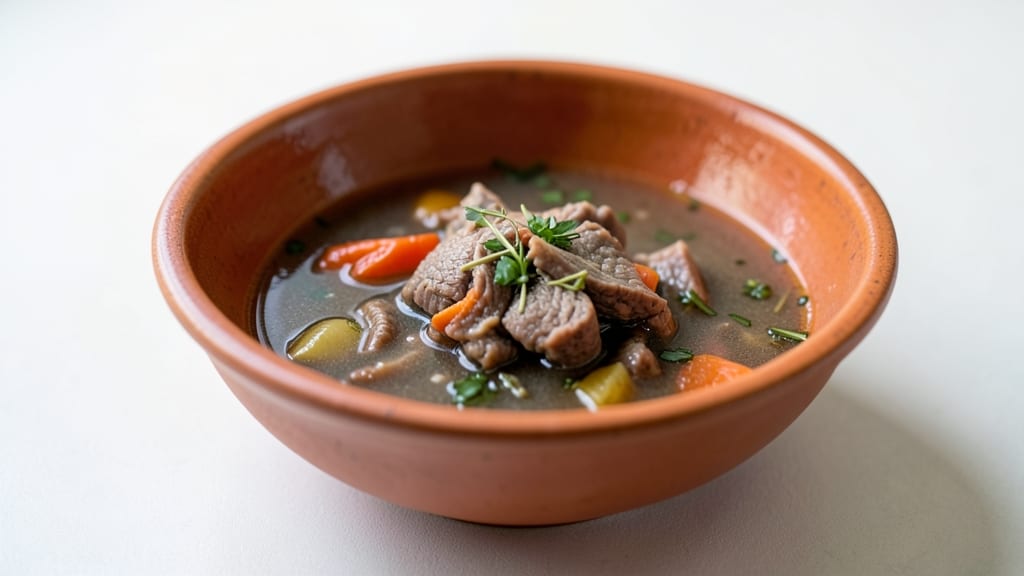
Transforming tough cuts into melt-in-your-mouth perfection starts with this beef broth marinade—where deep umami meets aromatic precision. The foundation of rich beef broth carries layers of garlic, soy sauce, and a touch of acidity, creating a marinade that tenderizes while infusing complex flavor.
I developed this after years of testing marinades that promised depth but often fell flat, and this version delivers every time.
What makes this marinade special is its balance of ingredients: beef broth provides the umami backbone, while aromatics like garlic and ginger add brightness, and a splash of vinegar ensures the flavors penetrate deeply.
Perfect for beef cuts like flank steak or chuck roast, this marinade works best when applied 4–12 hours before cooking—long enough to transform texture without overpowering the meat’s natural taste.
The result is meat that’s not just tender but infused with a savory richness you’d expect from hours of slow cooking. The marinade clings to the surface, creating a flavorful crust while keeping the interior juicy and succulent.
Store leftovers in the refrigerator for up to 5 days or freeze for 3 months—ideal for meal prep or when you need to elevate a last-minute meal.
Use this marinade as a base for grilling, roasting, or even braising, and adjust the seasoning to suit your dish. The possibilities are endless, but the foundation remains the same: a simple, foolproof way to unlock deeper flavor in every bite.
Ingredients for beef broth marinade
Eight simple ingredients transform tough beef into melt-in-your-mouth perfection.
| Ingredient | Amount | Notes |
|---|---|---|
| Beef Broth 🥩 | 2 cups | Homemade or high-quality store-bought |
| Soy Sauce 🍶 | ¼ cup | Low-sodium preferred for balance |
| Garlic Cloves 🧄 | 6 cloves | Freshly minced for maximum flavor |
| Fresh Ginger 🌿 | 2 tbsp | Finely grated, not powdered |
| Worcestershire Sauce 🍯 | 1 tbsp | Adds depth and complexity |
| Apple Cider Vinegar 🍎 | 1 tbsp | Brightens and tenderizes |
| Brown Sugar 🍬 | 1 tbsp | Enhances caramelization |
| Olive Oil 🫒 | ¼ cup | Light or extra-virgin |
| Salt 🧂 | 1 ½ tsp | Kosher or sea salt |
| Black Pepper 🌶️ | ½ tsp | Freshly cracked for heat |
The beef broth is the heart of this marinade—homemade is ideal (I use my own from slow-cooked chuck roast), but store-bought like Kitchen Basics or Pacific Foods works fine too. Look for labels with no added salt or preservatives. The soy sauce should be light or dark, but not the reduced kind—you want that full umami punch. Fresh ginger and garlic are non-negotiable here; powdered versions just don’t cut it. Costco sells pre-minced garlic in jars if you’re short on time, but fresh is always better. For the Worcestershire, Lea & Perrins is the gold standard, but any good-quality brand will do.
No beef broth? Substitute with a mix of beef stock and water (1:1 ratio) plus an extra 1 tsp soy sauce to compensate. Short on soy sauce? Coconut aminos work in a pinch, though they’re milder. The apple cider vinegar can be swapped for red wine vinegar or balsamic, but the flavor will shift slightly. If you’re avoiding sugar, skip the brown sugar—the Worcestershire and soy sauce will still give you depth. For extra richness, add 1 tbsp of melted butter (though it’ll separate). This marinade is forgiving, but don’t skip the garlic and ginger—they’re the secret to that restaurant-quality depth.
This marinade keeps up to 5 days in the fridge in an airtight container, and freezes beautifully for 3 months. I like to portion it into small jars or silicone molds so I can grab exactly what I need for a steak or roast. If you’re prepping for a big meal, double the batch—it’s perfect for marinating multiple cuts at once. The flavors get even better after a few hours, so let it sit at room temp for 10 minutes before using. Trust me, the wait is worth it for that first bite of perfectly tender, flavorful meat.
Why You'll Love This Recipe
- Pantry Magic: I swear by this marinade—no fresh herbs, no fancy prep, just the deep umami punch of beef broth and soy sauce. The ginger and garlic? Minced in seconds, no knife skills required.
- Umami Bomb: That first bite? Rich, savory, and layered—the beef broth adds depth while the Worcestershire ties it all together. Honestly, it’s the kind of flavor that makes you pause mid-bite.
- Double Duty: Marinate steak for dinner, then use the leftover sauce to glaze roasted veggies or stir into fried rice. Between us, I’ve saved myself from takeout more times than I can count.
- Budget Hero: A splash of beef broth and soy sauce stretches a pound of meat into two meals—no waste, no guilt. Plus, it’s cheaper than pre-made marinades and tastes like you actually cooked it.
Step-by-step instructions for beef broth marinade
This marinade delivers bold umami flavor that tenderizes and transforms tough cuts into restaurant-quality dishes.
Combine Wet Ingredients for Base Flavor
In a medium bowl, whisk together the 2 cups beef broth, 0.25 cup soy sauce, 1 tablespoon Worcestershire sauce, and 1 tablespoon apple cider vinegar. The vinegar will brighten the marinade while the soy sauce and Worcestershire add that signature umami depth. Stir until fully blended—this ensures even distribution of all flavors throughout the marinade.
Here's the thing—don't skip the whisking. You want these ingredients to marry completely so the marinade works its magic on your meat. The beef broth serves as the foundation, carrying all the other flavors deep into the fibers of whatever you're marinating. Let it sit for 5 minutes while you prepare the remaining ingredients—this gives the flavors a chance to begin melding.
Add Aromatics and Sweetener for Complexity
To the wet mixture, add the 6 minced garlic cloves, 2 tablespoons finely grated fresh ginger, 1 tablespoon brown sugar, 0.25 cup olive oil, 1.5 teaspoons salt, and 0.5 teaspoon black pepper. The garlic and ginger bring fresh, bright notes that cut through the richness of the broth and soy sauce, while the brown sugar enhances caramelization when cooked.
Use a wooden spoon to stir everything together until the brown sugar dissolves completely. You'll notice the mixture thickens slightly as the sugar integrates. The olive oil here serves a dual purpose—it helps emulsify the marinade so it clings better to meat, and it adds a silky texture. Taste the marinade now—it should be balanced between salty, sweet, tangy, and umami. If it needs more salt, add a pinch at a time until it reaches your preferred level.
Let the Marinade Rest and Develop
Transfer the marinade to an airtight container with a lid. Let it sit at room temperature for at least 30 minutes before using. This resting period allows the flavors to fully meld and the brown sugar to begin caramelizing slightly, deepening the marinade's complexity. For best results, I recommend making it 1-2 hours ahead of when you plan to use it—this gives the ingredients maximum time to work together.
If you're marinating something that will sit for a while (like beef for stir-fry), you can refrigerate the marinade for up to 24 hours. Just remember to bring it to room temperature before using it on your meat. The cold helps the flavors continue developing, but you don't want to shock the meat when you add cold marinade—it can cause uneven cooking.
Apply to Meat and Marinate Properly
Place your meat in a shallow dish or resealable bag. Pour the marinade over the meat, ensuring it's completely coated. For even coverage, I like to use my hands to massage the marinade into the meat, especially for cuts with crevices like flank steak or pork tenderloin. If using a bag, seal it and gently press out air bubbles before sealing completely.
Marinate in the refrigerator for at least 2 hours for maximum tenderness and flavor penetration. For tougher cuts like flank steak or chuck roast, I recommend marinating overnight for 6-12 hours. The acid in the vinegar and soy sauce will begin breaking down muscle fibers, while the umami components infuse the meat with incredible depth. Don't exceed 24 hours unless you're marinating something very tough—longer marinating times can start to "cook" the meat slightly, making it mushy.
Pro Tips For Making Beef Broth Marinade
- PULSE THE GARLIC: After mincing the garlic, let it sit in the broth for 10 minutes before adding the meat. I used to skip this, but it softens the edges and prevents that harsh bite—especially important when you’re marinating something delicate like flank steak.
- GRATE THE GINGER FINE: Use the smallest holes on your grater or a microplane—no chopping. Finely grated ginger dissolves completely into the broth marinade, giving you even flavor instead of random hot spots. (Yes, even if it looks like confetti.)
- DILUTE THE SOY SAUCE: Mix the soy sauce with an equal part water first, then add it to the broth. This prevents the marinade from turning into a thick, salty sludge that clings unevenly. Trust me, your meat will thank you when it’s not swimming in a sticky paste.
- MARINATE AT LEAST 4 HOURS: This isn’t a 30-minute "quick fix"—give it time. The beef broth and Worcestershire need hours to penetrate, especially if you’re using tougher cuts. I’ve learned this the hard way: rushing it just means you’re basically basting with flavor, not marinating.
Wine and beer pairings for these flavors
Red Wine Pairing
A bold Cabernet Sauvignon from Napa Valley is my go-to choice for this marinade—its rich tannins and dark fruit notes complement the beef broth's umami perfectly. Look for a 2018 or newer vintage with at least 14% ABV to stand up to the marinade's intensity.
The wine's acidity also cuts through the richness, cleansing your palate between bites of marinated meat. 🍷
Malbec for Umami
Argentinian Malbec offers a smoky depth that mirrors the beef broth's savory profile, especially when paired with grilled marinated beef. I love Catena Zapata or Trapiche—both deliver dark plum and blackberry flavors that harmonize beautifully.
The wine's softer tannins make it ideal for tenderized cuts like flank steak or skirt steak. This pairing feels luxurious without being overpowering.
Beer Pairing: Amber Ale
A well-hopped amber ale like Fat Tire or Allagash Amber provides a malty sweetness that balances the marinade's acidity. The caramel notes in the beer echo the brown sugar in the marinade, while the hop bitterness prevents the dish from tasting too heavy.
This is my top choice for casual gatherings where wine feels too formal. 🍺
Port for Dessert
If you're serving marinated beef with sides like roasted potatoes or grilled vegetables, finish with a Ruby Port like Graham's Six Grapes. The port's fruity sweetness contrasts the savory marinade while complementing the meal's overall richness. Serve it slightly chilled—just 50-55°F—to enhance its aromatic qualities.
Sparkling Wine
For a refreshing contrast, try a dry sparkling wine like La Crema Cuvee or Freixenet Cordon Negro. The bubbles cleanse your palate between bites, while the crisp acidity brightens the beef's umami.
This works especially well with lighter preparations like marinated beef skewers or thinly sliced flank steak. The effervescence makes every bite feel fresh and vibrant.
Nutrition facts
Frequently asked questions
Can I use this marinade for other proteins besides beef?
This beef broth marinade works beautifully with pork, chicken, or even lamb. The rich umami from the broth and soy sauce pairs especially well with pork tenderloin or lamb chops. For poultry, reduce the marinating time to 1-2 hours to avoid over-tenderizing. Just remember that darker meats like lamb can handle longer marinating times than delicate chicken.
How do I prevent the marinade from making my meat mushy?
Never marinate for more than 24 hours, even with tough cuts. The acid in the vinegar and soy sauce breaks down muscle fibers, but prolonged exposure can over-tenderize. For best results, stick to 4-12 hours for beef. Always pat the meat dry before cooking to create a better sear, and avoid using the marinade as a sauce if it's been in contact with raw meat.
What's the best way to store leftover marinade?
Store unused marinade in an airtight container in the fridge for up to 5 days, or freeze for 3 months. For freezing, portion into ice cube trays or small jars—this makes it easy to grab just what you need. Always bring frozen marinade to room temperature before using to prevent shocking the meat. The flavors actually improve when stored properly!
Can I make this marinade without beef broth?
Yes! For a quick substitute, mix 1 cup beef stock with 1 cup water and add 1 extra teaspoon soy sauce to maintain umami depth. You could also use 1 cup strong chicken broth, though the flavor profile will be slightly different. The key is balancing the liquid base with enough seasoning to compensate for the missing beef richness.
How much marinade should I use per pound of meat?
Use about ½ cup marinade per pound of meat for optimal flavor penetration. For example, 1 pound of beef would need ½ cup marinade. If you're working with thin cuts like flank steak, you can reduce to ¼ cup per pound since they absorb marinade more quickly. Always coat the meat completely for best results.