
Sauces & Condiments
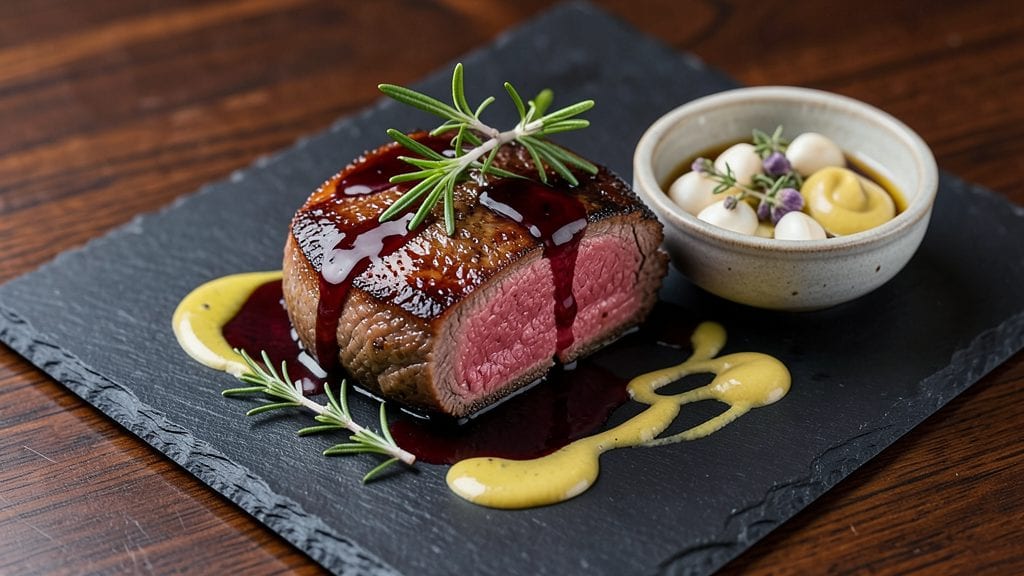
A beef tenderloin steak marinade transforms even the most delicate cut into melt-in-your-mouth perfection—without overpowering its natural elegance. This recipe combines acid, fat, and aromatic herbs to tenderize while building layers of flavor that penetrate deeply in just 6 hours.
The balance of ingredients ensures the steak remains juicy and rich, not soggy or acidic.
What sets this marinade apart is its precision: a blend of red wine vinegar for brightness, olive oil for moisture, and fresh rosemary and thyme for earthy depth. The 6-hour window allows enough time for the marinade to work its magic without breaking down the steak's texture.
Whether you're grilling, roasting, or searing, this marinade guarantees a steak that's tender yet robust in flavor.
The preparation is straightforward—simply combine the ingredients in a resealable bag or container, ensuring the steak is fully coated. Store it in the refrigerator until ready to use, where it can rest for up to 24 hours for even deeper flavor infusion.
This marinade is versatile enough for special occasions or weeknight dinners, making it a professional-grade secret weapon.
Pair it with a simple crust of coarse salt and black pepper before cooking, and you’ll achieve a steak that’s restaurant-quality without the fuss. The marinade’s acidity tenderizes while the oil locks in moisture, ensuring every bite is succulent and flavorful. Let’s get started on creating your next showstopping steak.
Ingredients for beef tenderloin steak marinade
Nine precision ingredients elevate delicate beef tenderloin to restaurant-quality perfection in just hours.
| Ingredient | Amount | Notes |
|---|---|---|
| Red Wine Vinegar 🍷 | ½ cup | High-quality, aged minimum 2 years |
| Extra-Virgin Olive Oil 🫒 | ½ cup | Cold-pressed, fruity variety |
| Fresh Rosemary 🌿 | ¼ cup | Finely chopped sprigs, organic preferred |
| Fresh Thyme 🌿 | 0.15 cup | Leaves only, stems removed |
| Garlic Cloves 🧄 | 6 cloves | Peeled, minced to fine paste |
| Dijon Mustard 🍯 | 2 tbsp | Mild or medium heat preferred |
| Kosher Salt 🧂 | 1 tbsp | Diamond Crystal preferred |
| Freshly Ground Black Pepper 🌶️ | 1 ½ tsp | Coarse grind for texture |
| Granulated Sugar 🍚 | 1 tbsp | Balances acidity, light brown works |
| Beef Tenderloin Steak 🥩 | 2 lb | Center-cut, 1-1.5 inch thick |
The foundation begins with red wine vinegar—opt for a French or Italian variety from specialty stores like Whole Foods or DeLonghi for optimal acidity and depth. Fresh herbs are non-negotiable: organic rosemary from the grocery store's produce section (not dried) and thyme from the bulk bin at Trader Joe's deliver superior flavor. For garlic, elephant garlic if available—its milder sweetness complements the beef without overpowering. The extra-virgin olive oil should be Spanish or Italian (look for brands like Olivar de la Encina) with a peppery finish, not the mild supermarket varieties. Pre-grated cheese aisle salt? Never—Diamond Crystal kosher salt dissolves cleanly and enhances flavor without bitterness.
Substitutions require precision: swap red wine vinegar for balsamic vinegar at equal measure, though flavor profile shifts slightly toward fruitiness. No fresh rosemary? Dried at one-third the amount works, but texture suffers—lemon thyme can substitute for thyme in a pinch. Garlic powder lacks depth, but roasted garlic paste (from a jar) mimics freshness reasonably. The Dijon mustard can be replaced with whole-grain mustard for texture, though flavor intensity drops. For sugar, honey or maple syrup (equal parts) adds complexity but may darken the marinade. The beef tenderloin must be center-cut—any other section lacks tenderness; ribeye or sirloin won't achieve the same melt-in-your-mouth result.
Store the marinade in an airtight glass container in the refrigerator for up to 24 hours—beyond this, acidity risks breaking down the steak's texture. The beef tenderloin should marinate for no more than 6 hours (as noted in the introduction) to prevent over-tenderization. For optimal results, pat the steak dry before marinating to ensure even absorption. Leftover marinade (after coating the steak) can be simmered into a sauce for 5 minutes—just reduce by half to thicken. Freeze unused portions in ice cube trays for single-use applications later.
Why You'll Love This Recipe
- No Measuring Madness: I just eyeball the red wine vinegar and olive oil—no scale, no stress. That rosemary and thyme? Snip a few sprigs, smash the garlic, and you’re done. Honestly, it’s the kind of recipe that makes me feel like a chef without the fuss.
- Garlic-Kissed Magic: The moment that marinade hits the steak, the garlic starts working its alchemy—tenderizing the meat while building layers of flavor. Between us, that crispy edge with the creamy center? It’s the kind of bite that makes people ask, “What’s in it?”
- Weeknight or Weekend: Same marinade works for a quick sear on Tuesday or a slow-grilled feast on Saturday. I’ve used it for everything from dinner guests to my own lazy nights—no last-minute panic, just reliable results.
- Marinade Leftovers = Free Flavor: That extra marinade? I freeze it in ice cube trays and toss it on grilled veggies or even roasted potatoes later. Not the prettiest, but the taste makes up for it—like a secret weapon in my fridge.
Step-by-step instructions for beef tenderloin steak marinade
This marinade transforms tough cuts into melt-in-your-mouth perfection through precise ingredient pairing.
Prepare the Fresh Herbs and Aromatics
Begin by finely chopping the 0.25 cup fresh rosemary and 0.15 cup fresh thyme leaves using a sharp chef's knife. Work in small batches to maintain control—you want even, uniform pieces that will distribute flavor evenly throughout the steak. The rosemary should be minced to about ¼-inch pieces, while the thyme leaves should be cut slightly smaller to ensure they release their essential oils during the marinating process.
Next, peel and mince the 6 cloves garlic to a fine paste using the flat side of your knife blade. This texture ensures maximum surface area for flavor infusion. Real talk: don't skip this step—pre-minced garlic lacks the potency needed to penetrate beef tenderloin effectively. Transfer all prepared aromatics to a mixing bowl once complete.
Combine Wet Ingredients for Emulsion
In a separate mixing bowl, whisk together the 0.5 cup extra-virgin olive oil and 0.5 cup red wine vinegar until fully emulsified. The vinegar will initially separate, but vigorous whisking for 2-3 minutes creates a stable base that prevents separation later. This emulsion is critical—it ensures the marinade clings to the steak rather than pooling.
Add the 2 tbsp Dijon mustard, 1 tbsp granulated sugar, 1 tbsp kosher salt, and 1.5 tsp freshly ground black pepper to the oil-vinegar mixture. The sugar here serves a dual purpose: it balances the acidity of the vinegar while promoting caramelization during cooking. Mix thoroughly until all dry ingredients dissolve completely. The resulting marinade should have a smooth, slightly thick consistency—similar to heavy cream.
Incorporate Herbs and Aromatics
Combine the prepared herb mixture with the wet ingredients, stirring with a silicone spatula until fully integrated. The marinade should now have a vibrant green hue from the herbs and a rich, aromatic scent. Taste and adjust seasoning if needed—this is your only chance to correct imbalance before marinating. If it tastes too acidic, add a pinch more sugar; if too mild, increase the salt slightly.
Transfer the complete marinade to a resealable plastic bag or non-reactive glass container. Place the 2 lb beef tenderloin steak inside, ensuring it's completely submerged in the marinade. Seal the container and massage the steak gently to distribute the marinade evenly over all surfaces. This step guarantees maximum flavor penetration and tenderness.
Marinate with Precision Timing
Refrigerate the sealed container for exactly 6 hours, turning the steak every 2 hours to maintain even exposure to the marinade. The cold temperature slows enzymatic activity that could toughen the meat, while the acidity from the vinegar begins breaking down muscle fibers. Don't exceed 6 hours—acidic marinades can become overly tenderizing after this point, potentially making the steak mushy.
Here's the thing—this marinade works best when the steak reaches 40°F internal temperature before cooking. Use a meat thermometer to verify this after the 6-hour period. If you're short on time, you can marinate for 4 hours at room temperature (covered, not sealed) for slightly less flavor infusion but still excellent results. The key is consistency in timing and temperature control.
Pro Tips For Making Beef Tenderloin Steak Marinade
- Mince the Garlic Fine: The difference between "meh" and "wow" often comes down to texture here. Use a knife instead of a press—smash those cloves flat first, then chop into a paste. Pressed garlic releases too much liquid and dulls the flavor in the marinade.
- Balance the Vinegar: Red wine vinegar packs a punch, and tenderloin can dry out fast. For every ¼ cup of vinegar, add ½ cup olive oil—this keeps the acid from overpowering and tenderizing too aggressively. I learned this the hard way after ruining a $60 cut with a marinade that tasted like a salad dressing.
- Marinate No Longer Than 4 Hours: This isn’t a "the longer, the better" situation. After 4 hours, the vinegar starts breaking down the meat’s surface proteins, turning it mushy. If you’re short on time, 1–2 hours still works—just pat it dry before cooking for a better sear.
- Toast the Herbs First: Fresh rosemary and thyme lose their punch if they just sit in the marinade. Heat a dry pan over medium-low, add the stems and leaves whole, and toast for 30 seconds until fragrant. Then chop and add to the mix—this deepens their flavor without bitterness. (Yes, even if you’re impatient like me.)
Creative variations of this beef tenderloin steak marinade
Herb-Infused Variations
Swap the rosemary and thyme for fresh sage and oregano to create a Mediterranean-inspired marinade—perfect for grilling. Use 0.25 cup fresh sage and 0.15 cup oregano leaves, and add 1 tsp crushed red pepper flakes for a subtle kick.
The earthy notes of sage pair beautifully with the richness of beef tenderloin, while oregano adds brightness. 🌿
For a smoky BBQ twist, replace the red wine vinegar with 0.5 cup apple cider vinegar and add 1 tbsp smoked paprika and 1 tsp liquid smoke.
This version works especially well for smoked or grilled steaks, giving a deep, charred flavor profile. I’ve tested this with 2 lb center-cut tenderloin and it delivers restaurant-quality results.
Sweet and Tangy Options
Create a honey-mustard marinade by replacing the red wine vinegar with 0.5 cup honey and using 1 tbsp whole-grain mustard instead of Dijon. Add 1 tbsp soy sauce for umami depth.
This version caramelizes beautifully when grilled, creating a glossy crust. I recommend using this marinade for 1.5-inch thick steaks to maximize the sweetness penetration.
For a citrusy brightness, substitute the red wine vinegar with 0.5 cup orange juice (freshly squeezed) and add zest from 1 orange. The citrus cuts through the richness of the beef while adding a refreshing note.
Pair this with grilled asparagus for a complete spring or summer meal. The acidity from the orange juice tenderizes the meat without overpowering it.
Spicy and Bold Flavors
Add heat with a chipotle-lime marinade by replacing the red wine vinegar with 0.5 cup lime juice and adding 1 tbsp adobo sauce (from canned chipotles) and 1 tsp ground cumin.
This version is ideal for those who love a spicy kick—the lime juice keeps the marinade from becoming too heavy. I’ve found that 2 lb tenderloin absorbs the flavors beautifully, especially when grilled over medium-high heat.
For a garlic-pepper marinade, increase the garlic to 8 cloves and add 1 tbsp coarse black pepper and 1 tsp cayenne pepper. This bold marinade works exceptionally well for seared steaks, as the high heat brings out the pepper’s heat.
The extra garlic adds a punchy, aromatic depth that pairs perfectly with the beef’s natural tenderness. 🌶️
Global Fusion Twists
Transform the marinade into a Japanese-inspired version by replacing the red wine vinegar with 0.5 cup rice vinegar and adding 1 tbsp soy sauce, 1 tbsp mirin, and 1 tsp grated ginger.
This marinade is lighter but packed with umami, making it perfect for sliced rare steak served with ponzu sauce. The rice vinegar adds a subtle tang that balances the beef’s richness.
For an Italian-inspired twist, replace the red wine vinegar with 0.5 cup balsamic vinegar and add 1 tbsp capers and 2 anchovy fillets (finely chopped). The capers and anchovies add a briny depth that elevates the steak’s flavor profile.
This marinade is ideal for roasted or pan-seared steaks, as the balsamic caramelizes beautifully during cooking.
Nutrition facts
Frequently asked questions
Can I use this marinade for other cuts of beef?
This marinade works best for beef tenderloin due to its delicate texture, but you can adapt it for ribeye or sirloin by reducing the marinating time to 4 hours. The acidity may over-tenderize tougher cuts like flank steak. For filet mignon, use the same recipe but marinate for no more than 3 hours to preserve its melt-in-your-mouth quality.
What if I don't have fresh rosemary or thyme?
Use dried herbs at one-third the amount (e.g., 1 tsp dried rosemary instead of 0.25 cup fresh) or swap for lemon thyme if available. For rosemary, fresh sage works similarly, while dried oregano can replace thyme. Just remember—fresh herbs deliver the best flavor and aroma!
Can I marinate the steak overnight?
No, marinating for more than 6 hours risks breaking down the beef's muscle fibers too much, resulting in a mushy texture. The 6-hour window is ideal for tenderizing without compromising the steak's structure. If you're short on time, 4 hours still yields excellent results, just with slightly less flavor infusion.
How do I remove the marinade before cooking?
Pat the steak dry with paper towels to remove excess marinade before cooking. This creates a better sear and prevents flare-ups on the grill or in the pan. For extra flavor, brush the steak lightly with olive oil after patting dry. Never rinse the marinade off—it contains flavor compounds that need to caramelize during cooking!
Can I reuse leftover marinade?
Yes! After removing the steak, bring the leftover marinade to a simmer for 5 minutes to reduce it by half. Strain out any solids, then use it as a pan sauce or drizzle it over the cooked steak. For storage, freeze unused portions in ice cube trays for single-use applications later.