
Main Courses
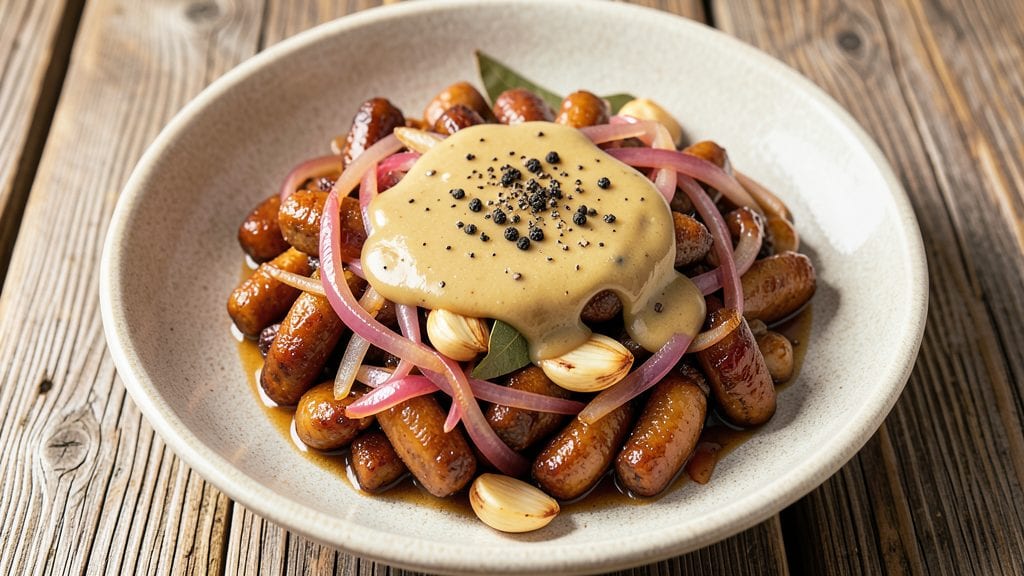
This beef chitterlings recipe delivers the crispy, golden bites that define Southern comfort food, where spiced vinegar magic transforms humble ingredients into something unforgettable. The process begins with careful preparation—cleaning and boiling to remove impurities while preserving that signature tender texture.
What sets this dish apart is the crispy exterior achieved through precise frying, paired with a tangy vinegar brine that cuts through the richness.
Traditional Southern techniques ensure safety and flavor, from the initial boiling to the final frying stage where chitterlings develop that coveted crunch. The spiced vinegar marinade isn’t just a finishing touch—it’s the secret weapon that elevates these bites from simple to extraordinary.
This method respects cultural roots while delivering restaurant-quality results at home.
By the time you plate these crispy chitterlings, you’ll have a dish that’s rich, tangy, and impossibly satisfying—perfect for family gatherings or when you crave that deep Southern flavor.
The vinegar glaze adds a bright contrast, making every bite a balance of textures and tastes. Serve with cornbread or collard greens for the full experience.
This recipe isn’t just about technique; it’s about tradition. The crispy exterior, tender interior, and bold vinegar finish create a dish that feels both nostalgic and elevated. Whether you're a seasoned cook or trying something new, these chitterlings will become a staple in your Southern repertoire.
Ingredients for beef chitterlings
Traditional Southern ingredients transformed through precise technique into crispy, vinegar-kissed chitterlings.
| Ingredient | Amount | Notes |
|---|---|---|
| Beef Chitterlings 🥩 | 1 ½ lb | Fresh, cleaned and trimmed |
| White Vinegar 💧 | 2 cups | Distilled, for marinade |
| Yellow Onion 🧅 | 1 whole | Medium, sliced thin |
| Garlic Cloves 🧄 | 6 cloves | Fresh, minced finely |
| Salt 🧂 | 2 tbsp | Diamond Crystal kosher |
| Black Peppercorns 🌶️ | 1 tsp | Freshly cracked coarse |
| Red Pepper Flakes 🔥 | 1 tsp | For heat intensity |
| Bay Leaves 🍃 | 2 whole | Dried, for boiling |
| Vegetable Oil 🫒 | 3 cups | High smoke point, for frying |
| All-Purpose Flour 🌾 | ½ cup | For dredging |
| Butter 🧈 | 4 tbsp | Unsalted, for basting |
| Fresh Parsley 🌿 | ¼ cup | Chopped, for garnish |
| Lemon Juice 🍋 | 1 tbsp | Freshly squeezed |
The quality of beef chitterlings is non-negotiable—look for bright, fresh cuts from trusted butchers or specialty grocers like Whole Foods or H-E-B (their Southern foods section is excellent). The vinegar marinade requires distilled white vinegar for clarity and tang; apple cider vinegar adds subtle sweetness but alters the balance. Fresh garlic and onions should be vibrant—no wilted stems or bruised spots. Diamond Crystal kosher salt dissolves cleanly, crucial for the marinade's precision. For the frying stage, high smoke point vegetable oil (like Avocado oil) ensures even crisping without bitterness. If sourcing chitterlings proves challenging, substitute pork chitterlings (though texture differs slightly).
No fresh parsley? Dried parsley at one-third the amount works, though fresh adds vibrant color. Substituting balsamic vinegar for white vinegar in the marinade creates a deeper, fruitier profile (reduce lemon juice to 0.5 tbsp). For heat control, smoked paprika replaces red pepper flakes with a milder, aromatic touch. The flour dredge can be swapped for cornmeal (for extra crunch) or panko breadcrumbs (for airy texture). Butter in the basting stage is essential—it adds richness that oil alone can't replicate. If avoiding dairy, use olive oil instead, though the flavor profile shifts subtly.
Chitterlings must be boiled immediately upon purchase to remove impurities; store pre-boiled chitterlings in the fridge for up to 3 days submerged in vinegar marinade. The fried chitterlings hold crispiness for 2 hours at room temperature, making them ideal for buffet-style serving. Reheat in a 350°F oven for 10 minutes to restore crunch. For meal prep, portion into airtight containers with a paper towel to absorb excess moisture—keeps for 4 days refrigerated. Freeze fried chitterlings for up to 3 months by laying them flat on a tray before bagging to prevent clumping.
Why You'll Love This Recipe
- No-Fuss Prep: That vinegar soak? It does all the hard work for you—no scrubbing, no peeling, just 30 minutes of hands-off tenderizing while you chop onions. Honestly, I’ve made this on days I didn’t even want to stand near the stove.
- Savory Crisp Edge: The garlic and onion caramelize into something ridiculously good—sweet, sharp, and just a little smoky from the high heat. That crispy exterior with the tender inside? My kids fight over the last piece.
- Potluck Star: Bring this to a gathering, and you’ll be the hero—it’s hearty enough for a main but light enough to share. I’ve taken it to church dinners, BBQs, and even my book club (yes, they ate it all).
- Budget Magic: A pound of chitterlings stretches farther than you’d think, especially when you stretch it across three meals. Between us, I’ve fed my whole family for under $10 and still had leftovers for lunch.
Step-by-step instructions for Southern-style crispy beef chitterlings
Mastering these crispy bites requires precision in preparation and frying technique.
Prepare the Spiced Vinegar Marinade
In a large bowl, combine the 2 cups white vinegar, 2 tablespoons salt, 1 teaspoon black peppercorns, 1 teaspoon red pepper flakes, and the 2 whole bay leaves. Stir well to dissolve the salt completely. This marinade not only tenderizes the chitterlings but also infuses them with deep, tangy flavor that will carry through the cooking process.
Transfer the marinade to a resealable plastic bag and add the 1.5 lb beef chitterlings. Seal the bag tightly, ensuring all pieces are fully submerged in the liquid. Refrigerate for at least 4 hours or up to 24 hours—this extended marination breaks down connective tissues, guaranteeing tender results. I like to turn the bag occasionally during marination to ensure even exposure to the flavorful liquid.
Clean and Dredge the Chitterlings
After marination, remove the chitterlings from the vinegar and rinse them thoroughly under cold running water. This step removes excess acidity that could interfere with the crispiness during frying. Pat them completely dry with paper towels—moisture is the enemy of crispy chitterlings. I use two layers of paper towels and press firmly to remove all surface moisture.
In a shallow dish, combine the 0.5 cup all-purpose flour, 6 cloves minced garlic cloves, and 1 tablespoon lemon juice. The lemon juice brightens the flavor while helping to create a stable coating. Working in batches, dredge each chitterling piece in the flour mixture, pressing gently to adhere the coating evenly. Let them rest for 5 minutes before frying—this allows the flour to form a cohesive crust rather than falling off during cooking.
Fry to Golden Perfection
Heat 3 cups vegetable oil in a heavy-bottomed skillet over medium-high heat until it reaches 350°F—use a thermometer for accuracy. The oil should shimmer gently but not smoke excessively. Carefully add the dredged chitterlings in a single layer, being cautious not to overcrowd the pan. Fry for 2-3 minutes per side until they achieve a deep golden brown color and crisp texture.
As they fry, you'll notice the flour coating transform into a delicate, lacy crust. This is your signal that they're ready to be removed. Transfer the fried chitterlings to a paper towel-lined plate to drain excess oil. Maintain the oil temperature throughout the frying process—fluctuations can lead to uneven cooking or soggy results. For extra richness, melt the 4 tablespoons butter in the same skillet after removing the chitterlings, then pour it over the hot chitterlings to baste them with flavor.
Finish and Serve with Fresh Herbs
While the chitterlings are still hot, sprinkle them generously with the 0.25 cup chopped fresh parsley. The parsley not only adds a vibrant contrast to the deep golden color but also introduces a fresh, bright note that balances the rich, spiced flavors. Serve immediately while the chitterlings are at their crispest. The combination of the vinegar-marinated meat, crispy exterior, and herbed finish creates a dish that's both rustic and refined.
For optimal presentation, arrange the chitterlings on a platter with the sliced 1 whole yellow onion on the side. The onions provide a fresh, slightly sweet counterpoint to the bold flavors of the chitterlings. This dish pairs beautifully with cornbread or crusty bread to soak up any remaining sauce from the plate.
Pro Tips For Making Beef Chitterlings
- Soak First, Soak Long: Chitterlings need a good 6–12 hour soak in cold water with a splash of white vinegar (about ¼ cup per gallon of water). I learned this the hard way—skipping it leaves them tough and bitter. Drain, rinse, and repeat the soak if they smell strong afterward.
- Sear in Batches: Chitterlings release a ton of fat when cooking—crowd the pan, and you’ll steam them instead of sear. Work in small batches over medium-high heat until they’re golden brown, about 3–4 minutes per side. Trust me, your future self will thank you for crispy edges.
- Don’t Rush the Vinegar: After searing, deglaze with white vinegar (½ cup) to cut the richness. Let it bubble away for 2–3 minutes before adding onions and garlic—this pulls out the deep, funky flavor. Skimp here, and you’ll just end up with a vinegary aftertaste.
- Salt the Water: Add a heavy pinch of salt (about 1 teaspoon per quart) to the soaking water. It helps break down the connective tissue and keeps the chitterlings from absorbing too much of their own funk. Sounds weird, but it works—my grandmother swore by it.
Flavor customization for this recipe
Spicy Cajun Twist
Transform your chitterlings into a Cajun-inspired dish by adding 1 tbsp Cajun seasoning (like Tony Chachere's) and ½ tsp smoked paprika to the flour dredge.
For extra heat, toss the fried chitterlings in 1 tbsp hot sauce (like Crystal or Tabasco) mixed with 1 tbsp melted butter before serving. This version works perfectly with cornbread muffins and a side of pickled okra to balance the bold flavors. 🌶️
Sweet & Tangy Glaze
Create a sweet contrast by adding 2 tbsp honey or maple syrup to the vinegar marinade. After frying, brush the chitterlings with a glaze made from 2 tbsp honey, 1 tbsp soy sauce, and 1 tsp rice vinegar, then broil for 2 minutes to caramelize.
Garnish with toasted pecans for crunch. This version pairs beautifully with mashed sweet potatoes or apple slices for a sweet-savory balance. 🍯
Herb-Infused Olive Oil
For a Mediterranean-inspired twist, replace the butter baste with 4 tbsp infused olive oil. Heat ½ cup olive oil with 2 sprigs fresh rosemary, 2 sprigs thyme, and 3 garlic cloves until fragrant, then strain.
Toss the fried chitterlings in this oil before serving. Add a sprinkle of feta cheese and kalamata olives for a Greek-inspired plating. This version works well with crusty sourdough and a simple Greek salad. 🌿
Smoky BBQ Drizzle
Elevate your chitterlings with a smoky BBQ finish. After frying, toss them in ¼ cup BBQ sauce (like Starkist BBQ or Sweet Baby Ray's) mixed with 1 tbsp apple cider vinegar. Broil for 1-2 minutes to set the sauce and create a glossy finish.
Garnish with chopped cilantro and serve with baked beans or coleslaw. This version delivers a sweet, smoky contrast to the vinegar's tang. 🔥
Citrusy Lemon-Pepper
Brighten the dish with a zesty lemon-pepper twist. After frying, toss the chitterlings in 2 tbsp lemon zest, 1 tbsp lemon juice, 1 tbsp cracked black pepper, and 1 tsp dried oregano.
Finish with a drizzle of honey for a sweet-tangy balance. This version pairs perfectly with roasted asparagus or a simple arugula salad dressed with lemon vinaigrette. 🍋
Spiced Rum Marinade
For a festive touch, replace the white vinegar with 1 cup spiced rum (like Captain Morgan) mixed with 1 cup white vinegar and 1 tbsp brown sugar. Marinate the chitterlings for 4-6 hours, then proceed with the recipe.
The rum adds a subtle warmth that complements the crispy texture. Serve with rum cake or coconut rice for a tropical-inspired meal. 🍹
Nutrition facts
Frequently asked questions
What exactly are beef chitterlings and where can I find them?
Beef chitterlings are the small intestines of cattle, cleaned and prepared for cooking. They're a staple in Southern and Cajun cuisine. You can find them at specialty butcher shops, ethnic markets (especially African or Caribbean sections), or online retailers like Snake River Farms. Look for bright, fresh cuts—never slimy or discolored.
How do I properly clean chitterlings before cooking?
The cleaning process is crucial for safety and flavor. After soaking in the vinegar marinade, rinse thoroughly under cold water, then scrub gently with a vegetable brush to remove any remaining impurities. Pat completely dry with paper towels—this step is non-negotiable for achieving crispy texture. Never skip this cleaning process, as it removes natural coatings that could make the dish bitter.
Can I make this recipe without frying? What's a good alternative?
For a healthier version, try baking instead! Toss the dredged chitterlings in 1 tablespoon olive oil and bake at 400°F for 15-20 minutes, flipping halfway. While not as crispy, this method retains flavor and reduces oil content. Air frying at 375°F for 8-10 minutes is another great option that preserves some crunch while being lighter.
Why do my chitterlings turn out soggy instead of crispy?
Soggy chitterlings usually result from one of three issues: not drying them thoroughly before frying, overcrowding the pan, or oil temperature being too low. Always pat dry with paper towels, fry in batches, and maintain oil at 350°F. A kitchen thermometer is your best friend here—fluctuations cause uneven cooking. Also ensure your flour dredge is completely dry before frying.
What's the best way to store leftover chitterlings?
Store fried chitterlings in an airtight container with a paper towel to absorb excess moisture. They'll keep for 3-4 days in the fridge. For longer storage, freeze them for up to 3 months by laying flat on a tray first to prevent clumping. Reheat in a 350°F oven for 10 minutes to restore crispiness. Never microwave—it makes them rubbery!