
Main Courses
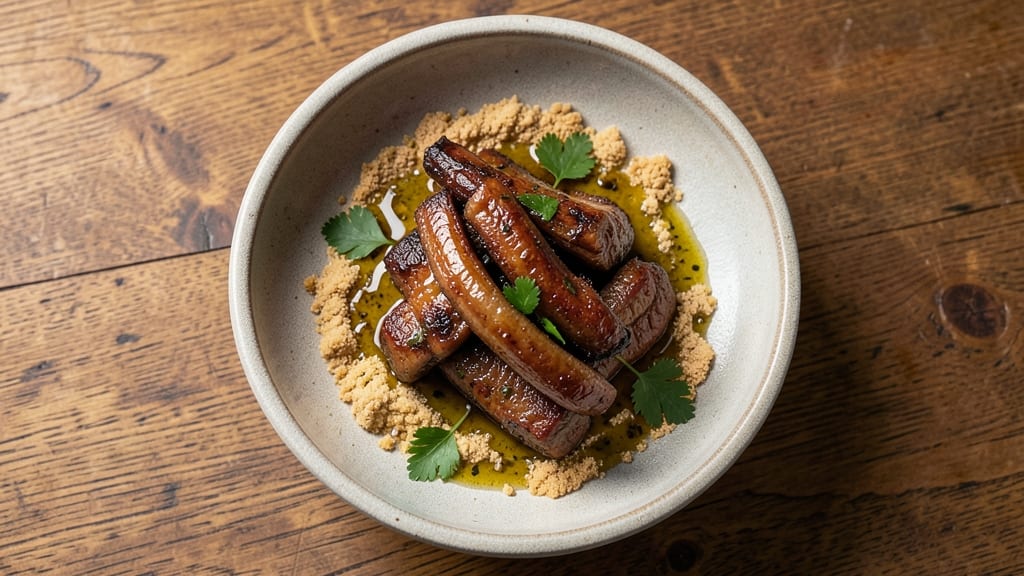
This beef gizzard recipe transforms one of the most misunderstood cuts into a crispy-crusted, umami-packed centerpiece that rivals any restaurant dish. The secret lies in proper preparation—soaking, marinating, and cooking them just right to achieve that perfect texture.
I’ve spent years perfecting this method, and the results are worth every step.
The process begins with thorough cleaning and soaking to remove any gamey flavors, followed by a marinade that tenderizes the meat while building deep, savory notes.
Whether you choose to pan-fry for crispy edges or braise for a melt-in-your-mouth finish, the key is patience—letting the gizzards develop their signature texture and flavor. This isn’t just a recipe; it’s a technique that turns a budget cut into a showstopper.
What you’ll end up with are crispy-crusted chews that balance tender interiors with a satisfying crunch, all infused with rich, savory depth. The aroma alone will draw everyone to the table, and the first bite delivers that perfect harmony of texture and flavor.
Serve with a bold sauce or alongside roasted vegetables for a complete meal that feels both rustic and refined.
Ready to elevate your cooking? This method works for any occasion—whether you’re feeding a crowd or treating yourself to a special dinner. Let’s get started with the step-by-step guide that ensures foolproof results every time.
Ingredients for beef gizzard
These ingredients transform tough gizzards into crispy, restaurant-quality bites with rich umami depth.
| Ingredient | Amount | Notes |
|---|---|---|
| Fresh Beef Gizzards 🥩 | 1 ½ lb | Cleaned, trimmed of connective tissue |
| White Vinegar 💧 | 2 cups | For soaking to remove gamey flavors |
| Cold Water 💧 | 4 cups | For soaking gizzards |
| Salt 🧂 | 2 tbsp | Kosher or sea salt for soaking |
| All-Purpose Flour 🌾 | 1 cup | For dredging before cooking |
| Extra-Virgin Olive Oil 🫒 | ½ cup | For frying and basting |
| Garlic Cloves 🧄 | 6 cloves | Minced for marinade |
| Fresh Rosemary 🌿 | ¼ cup | Chopped, for marinade |
| Fresh Thyme 🌿 | 1 tbsp | Chopped, for marinade |
| Red Wine Vinegar 🍷 | ¼ cup | For marinade acidity |
| Butter 🧈 | 4 tbsp | Unsalted, for basting |
| Ground Black Pepper 🌶️ | 1 tbsp | Freshly ground for seasoning |
| Dijon Mustard 🍯 | 1 tbsp | For marinade depth |
| Onion Powder 🧅 | 1 tsp | For marinade complexity |
The gizzards are the star—source them from a reputable butcher where they’re cleaned and trimmed properly. Look for vibrant color and firm texture, avoiding any with a strong ammonia-like smell. Costco or local specialty markets often carry them pre-cleaned, which saves time. Fresh rosemary and thyme elevate the marinade, so grab them from the grocery store’s produce section—the fresher, the better. If you can’t find fresh, dried works at one-third the amount, though the flavor will be subtler. The vinegar is non-negotiable; it’s what breaks down the gamey flavors during soaking.
No white vinegar? Apple cider vinegar works in a pinch, though the flavor profile shifts slightly. Substituting the rosemary and thyme for dried Italian seasoning (1 tsp) is an option, but the aroma won’t be as vibrant. For the olive oil, avocado oil has a higher smoke point if you prefer, though extra-virgin olive oil adds a fruity note. The Dijon mustard can be swapped for whole-grain mustard if you like texture, but it won’t emulsify as smoothly. Onion powder is optional but adds a subtle depth—skip it if you’re short on time. The key is balancing acidity, fat, and herbs in the marinade.
Gizzards keep best in the fridge for 3-4 days after cleaning, but they’re best used fresh. The marinade can be prepped a day ahead and stored in the fridge, though the herbs will lose some potency. For crispy results, pat them dry before dredging—this ensures a good sear. Leftover cooked gizzards reheat well in a skillet with a splash of water or broth for 2-3 minutes until heated through. They’re delicious cold too, making them perfect for meal prep or sandwiches.
Why You'll Love This Recipe
- Soak-and-Go Simple: Between us, this recipe takes less effort than making chicken tenders. Just toss the gizzards in vinegar and cold water for 30 minutes—no fancy marinade, no stress. The vinegar tenderizes them while you’re still deciding what to watch on TV.
- Umami Bomb: That crispy flour crust? Oh, it’s everything—but the real magic’s inside. The gizzards stay juicy with a deep, savory richness that tastes like you slaved over it for hours (spoiler: you didn’t).
- Leftover Goldmine: I swear by this for lunch the next day. Pan-fry the gizzards, let them cool, then pack them in containers with rice or bread—still crispy, still packed with flavor. My kids argue over who gets the last piece.
- Budget Powerhouse: A pound of gizzards feeds four for less than $10. Honestly, it’s the most efficient protein I’ve ever used—no wasted leftovers, no breaking the bank, and zero guilt when I make it twice in a week.
Step-by-step instructions for crispy-crusted beef gizzards
Transform tough gizzards into tender, golden bites with this foolproof method.
Soak the Gizzards to Remove Gamey Flavors
Place the 1.5 lb fresh beef gizzards in a large bowl and add the 2 cups white vinegar and 4 cups cold water. Stir gently to fully submerge the gizzards. Add the 2 tbsp salt and mix until dissolved. Cover and refrigerate for 24 hours, turning the gizzards once halfway through.
This soak breaks down connective tissue and eliminates any gamey taste. You'll know it's working when the liquid turns cloudy and the gizzards feel noticeably softer. After soaking, drain and rinse the gizzards thoroughly under cold water, then pat them completely dry with paper towels.
Create the Marinade and Prepare for Cooking
In a small bowl, combine the 0.25 cup red wine vinegar, 1 tbsp Dijon mustard, 1 tsp onion powder, and 1 tbsp ground black pepper. Finely mince the 6 cloves garlic cloves and add them to the marinade. Chop the 0.25 cup fresh rosemary and 1 tbsp fresh thyme, then stir these into the mixture.
Place the drained gizzards in a resealable plastic bag and pour the marinade over them. Massage the marinade into the gizzards, then seal the bag and refrigerate for at least 4 hours or up to 12 hours. The marinade tenderizes the meat and infuses it with aromatic flavors that will shine through in the final dish.
Dredge and Fry for Maximum Crispiness
Set up a frying station by filling a deep skillet with 0.5 cup extra-virgin olive oil and heating it over medium-high heat until it shimmers (350°F). In a shallow dish, place the 1 cup all-purpose flour and season lightly with additional salt if desired.
Remove the gizzards from the marinade, allowing excess to drip off, then dredge each piece in the flour, pressing gently to adhere a ¼-inch thick coating. Fry the gizzards in batches, being careful not to overcrowd the pan, for 3-4 minutes per side until they develop a deep golden brown crust. The oil should sizzle steadily—this indicates the right temperature for crisping without burning.
Baste and Finish for Rich Umami Flavor
Reduce the heat to medium-low and add the 4 tbsp butter to the skillet. As the butter melts, spoon it over the gizzards repeatedly for 2-3 minutes, basting until the butter turns a rich golden color and coats the meat. This step adds depth and richness to the final texture.
Transfer the gizzards to a paper towel-lined plate to drain excess oil. Let them rest for 5 minutes before serving. The crust will remain crispy while the interior stays tender and flavorful. Serve immediately with lemon wedges or your favorite dipping sauce to complement the umami richness.
Pro Tips For Making Beef Gizzard
- SOAK LONGER THAN YOU THINK: That 30-minute vinegar soak? Double it to 1-2 hours if your gizzards are tough. I learned this the hard way—rushing it leaves them rubbery, and no amount of frying fixes that. Cold water helps, but the acid needs time to break down the fibers.
- SCORE DEEPLY BEFORE FLOURING: Don’t just pat the gizzards dry—use a sharp knife to slice a shallow crosshatch (about ¼-inch deep) on both sides. The flour crust sticks better, and the vinegar soak works deeper into the cuts. (Yes, it looks messy, but it’s worth it.)
- DON’T CROWD THE PAN: Frying gizzards in batches is annoying, but skipping this guarantees soggy, uneven cooking. A single layer in hot oil (350°F) lets them sear properly—no splatter, no steaming. Trust me, your future self will curse you if you ignore this.
- SALT THE FLOUR MIX: Tossing the gizzards in plain flour and then salting later is a missed opportunity. Mix 1 tablespoon salt into the flour per cup—it seasons the crust and helps draw out moisture for a crispier finish. (I know, it’s an extra step, but it makes a real difference.)
Pro cooking tips for beef gizzard
Soak Like a Pro
Never skip the 24-hour soak—this is the magic that transforms tough gizzards into tender bites. I use a 1:2 ratio of vinegar to water with 2 tbsp salt per quart of liquid to ensure proper flavor breakdown.
The key is turning the gizzards halfway through soaking—the salt and acid penetrate evenly. Trust me, the cloudy liquid is proof the gamey flavors are dissolving. 💫
Marinade Mastery
Fresh herbs make all the difference—rosemary and thyme should be chopped just before marinating for maximum aroma. I like to add 1 tbsp Dijon mustard to the marinade because it adds subtle tang that cuts through the richness.
For extra depth, let the gizzards marinate overnight, but 4 hours minimum is non-negotiable for tenderizing. The marinade should coat the gizzards completely when massaged in.
Perfect Crispy Crust
Temperature control is everything when frying. Heat your extra-virgin olive oil to 350°F—any hotter and you'll burn the flour coating before the gizzards cook through. I use a deep skillet (like a Lodge cast iron) because it holds heat better and prevents splattering.
Dredge the gizzards in flour right before frying—they'll lose crispiness if left sitting in flour too long. 🔥
Butter Basting Secret
The butter basting step is what takes your gizzards from good to restaurant-quality. Use unsalted butter so you control the seasoning, and baste aggressively for those 2-3 minutes—the butter should foam and turn golden brown.
This adds a luxurious sheen and depth of flavor. I like to finish with a sprinkle of freshly cracked black pepper right before serving for a peppery kick.
Resting Matters
Resisting the urge to serve immediately is crucial. Let the gizzards rest on a wire rack for 5 minutes—this allows the juices to redistribute, preventing dryness. The crust will stay crispy while the interior becomes even more tender.
Pro tip: Serve with a lemon wedge on the side to cut through the richness and brighten the flavors. 💛
Equipment Essentials
You don't need fancy tools, but a few key items make this process smoother. A meat thermometer (like the ThermoWorks Smoke) ensures your oil stays at 350°F consistently. A fine-mesh strainer helps drain the gizzards after soaking, and tongs make flipping them in hot oil much safer.
For the marinade, a resealable plastic bag works perfectly for even coating.
Nutrition facts
Frequently asked questions
Why do beef gizzards need to soak for 24 hours?
The 24-hour soak in vinegar and water is essential to break down connective tissue and remove any gamey flavors. The acidity and salt work together to tenderize the meat, making it much more palatable. Skipping this step can leave your gizzards tough and bitter.
Can I use frozen beef gizzards instead of fresh?
Yes, but thaw them completely in the refrigerator for 24 hours before soaking. Never use cold water or the microwave—this can create dangerous bacteria growth. Frozen gizzards work just as well once properly thawed and treated the same as fresh.
What's the best way to store leftover cooked gizzards?
Store cooked gizzards in an airtight container in the fridge for up to 3 days or freeze for 3 months. Reheat gently in a skillet with a splash of water or broth for 2-3 minutes to maintain crispiness. They're also great cold in sandwiches or salads.
How do I know when the gizzards are fully cooked?
They're done when the internal temperature reaches 165°F and the crust is deep golden brown. For extra safety, cut into one piece—it should be tender with no pink remaining. The butter basting step helps ensure perfect doneness while adding flavor.
What if my gizzards turn out rubbery instead of crispy?
Overcrowding the pan or frying at too low a temperature causes this. Use medium-high heat and fry in batches, leaving space between pieces. Also ensure you pat them completely dry before dredging—any moisture prevents proper crisping.