Soups & Stews
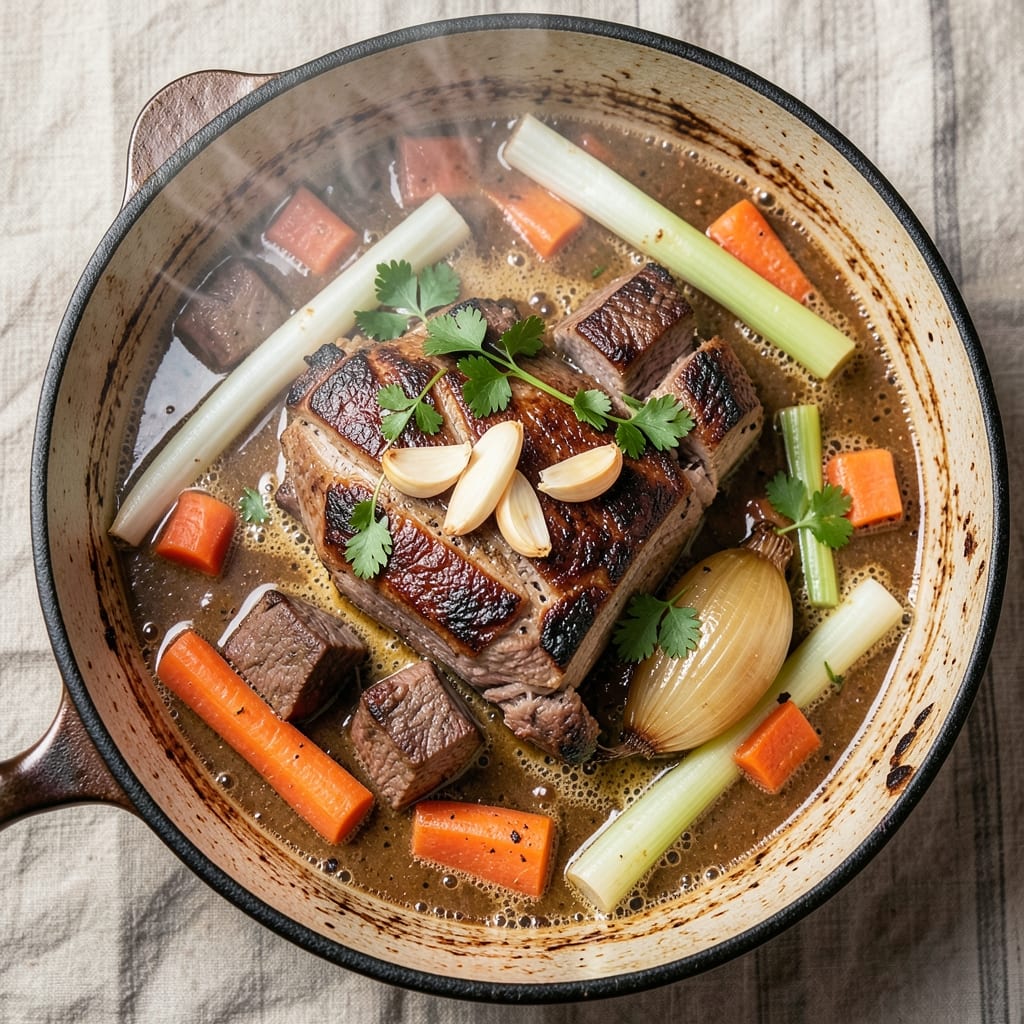
This beef stew with beer recipe transforms tough cuts into melt-in-your-mouth tenderness through the magic of slow simmering and deep umami flavor. The beer isn't just a cooking liquid—it's the secret to rich, complex taste that elevates every bite. After years of perfecting this technique, I've developed a method that delivers restaurant-quality results in your own kitchen, with just a few key steps and patience.
The foundation of great beer stew lies in proper browning and deglazing, which builds layers of flavor from the bottom up. We'll use a dark beer for its malty depth and natural sweetness, while aromatic vegetables and herbs create balance. What makes this recipe truly special is how the beer reduces during simmering, concentrating its flavor into a velvety sauce that coats every piece of meat.
By the time you're done, you'll have a pot of hearty stew with fork-tender beef, tender vegetables, and a sauce so rich it practically melts on your tongue. The aroma alone will have everyone gathering around the table, and each spoonful delivers that perfect combination of savory, slightly sweet, and malty notes that only comes from slow-cooked beer stew.
Perfect for cold evenings when you need comfort food that warms both body and soul, this recipe scales beautifully for crowds or leftovers. The beauty of this method is its flexibility—use whatever dark beer you prefer, and adjust vegetables to your taste. Here's how to create this deeply satisfying dish that tastes like home.
Ingredients for beef stew with beer
Dark beer, tender beef, and aromatic vegetables transform into rich stew perfection.
| Ingredient | Amount | Notes |
|---|---|---|
| Chuck Roast 🥩 | 2 lb | Pre-cubed or cut into 1.5-inch pieces |
| Dark Beer 🍺 | 2 cups | Stout or porter preferred (e.g., Guinness) |
| Yellow Onion 🧅 | 1 whole | Chopped into 1/2-inch pieces |
| Carrots 🥕 | 4 medium | Peeled and cut into 1-inch chunks |
| Celery Stalk 🧆 | 3 whole | Chopped into 1/2-inch pieces |
| Garlic Cloves 🧄 | 4 cloves | Minced or finely chopped |
| Beef Broth 💧 | 2 cups | Low-sodium preferred |
| Tomato Paste 🍅 | 2 tbsp | Smooth, not chunky |
| Fresh Thyme 🌿 | 2 sprigs | Or 1 tsp dried thyme |
| Bay Leaves 🍃 | 2 whole | Remove before serving |
| All-Purpose Flour 🌾 | 2 tbsp | For browning the beef |
| Olive Oil 🫒 | 2 tbsp | For searing |
| Salt 🧂 | 1 ½ tsp | Kosher or sea salt |
| Ground Black Pepper 🌶️ | 1 tsp | Freshly ground preferred |
| Worcestershire Sauce 🍶 | 1 tbsp | Vegan if needed |
The chuck roast is your secret weapon here—it's tough but becomes fork-tender when slow-cooked. Look for good marbling at Costco or your local butcher shop; the fat keeps the meat moist. If you can't find pre-cubed, grab a whole roast and cut it yourself into 1.5-inch chunks. The beer is non-negotiable for that malty depth—Guinness or a dark porter work best, but any dark beer will do. For the vegetables, organic carrots and celery have better flavor, but regular grocery store stuff works fine if you're in a pinch.
No dark beer? Substitute with beef broth plus 1 tbsp molasses for sweetness. Fresh thyme is ideal, but dried works at one-third the amount. If tomato paste feels like overkill, swap for 1/4 cup crushed tomatoes. The Worcestershire sauce adds umami—if you're avoiding it, 1 tsp soy sauce plus 1/2 tsp balsamic vinegar gets you close. For the flour, all-purpose works best—bread flour can make the sauce gummy. And if you're prepping ahead, brown the beef and store it in the fridge for up to 2 days before cooking.
This stew tastes even better the next day as flavors meld. Keeps in the fridge for 4-5 days and freezes beautifully for 3 months. I always make a double batch—one for dinner, one for lunches. To reheat, just warm on the stove with a splash of water or broth. The sauce thickens as it cools, so add a little liquid when reheating if it's too thick. Perfect for meal prep!
Why You'll Love This Recipe
- One-Pot Magic: I swear by this—just dump everything in a Dutch oven and let it simmer. No fancy techniques, no last-minute chopping frenzy. The chuck roast practically melts itself into tender perfection while you stir in the onions and celery (which, honestly, don’t even need perfect dice—rough chunks work just fine).
- Beer’s Secret Boost: That dark beer isn’t just for drinking—it’s the flavor hero. It deepens the richness of the beef while cutting through the fat, leaving you with a stew that tastes like it simmered for hours (even if it didn’t). The malty notes pair with the caramelized onions like they were made for each other.
- Weeknight to Weekend: This stew is my go-to for lazy Mondays and Sunday dinners. Double the batch on Saturday—it reheats beautifully, so you’ve got lunch covered for days. (Yes, even on a Tuesday night when you’re too tired to think.)
- Budget-Friendly Feast: Chuck roast and a six-pack of beer? That’s a steal. You’re feeding a crowd for less than takeout, and the leftovers taste just as good the next day. Between us, this is the kind of meal that makes grocery money stretch without sacrificing flavor.
Step-by-step instructions for slow-simmered beer stew
Here's how to build layers of rich, malty flavor that transforms tough beef into melt-in-your-mouth perfection.
Sear the Chuck Roast for Deep Flavor
Pat the 2 lb chuck roast dry with paper towels—this ensures a proper sear. Heat 2 tablespoons olive oil in a heavy Dutch oven over medium-high heat until shimmering. Working in batches if needed, add the beef cubes and sear undisturbed for 3 minutes per side until deeply browned. You're building flavor here—the Maillard reaction creates that caramelized crust we crave.
Transfer the browned beef to a plate and set aside. Don't drain the pan—those browned bits are pure flavor gold. Sprinkle 2 tablespoons all-purpose flour over the fond in the pan, stirring constantly for 1 minute until it turns golden. This creates a roux that will thicken our stew beautifully.
Sauté the Vegetable Base
Add the chopped 1 whole yellow onion, 4 medium carrots, and 3 whole celery stalks to the Dutch oven. Cook over medium heat for 5-6 minutes, stirring occasionally, until the vegetables soften slightly and the onion becomes translucent. This step develops their natural sweetness and removes any bitterness.
Push the vegetables to one side of the pan and add the 4 cloves minced garlic and 2 tablespoons tomato paste. Stir for 30 seconds until fragrant—garlic should smell pungent, not burnt. Pour in the 2 cups dark beer, scraping up any browned bits from the bottom. Let it simmer for 3 minutes until reduced by half, concentrating those malty flavors.
Combine All Ingredients for Simmering
Return the seared beef to the Dutch oven along with the 2 cups beef broth, 1.5 teaspoons salt, 1 teaspoon ground black pepper, 1 tablespoon Worcestershire sauce, 2 sprigs fresh thyme, and 2 whole bay leaves. Stir gently to combine—you don't want to break up the browned beef pieces. Bring to a gentle boil, then reduce heat to low so it maintains a bare simmer.
Here's the thing—this isn't a race. Cover the pot and let it cook for 2.5 to 3 hours, stirring occasionally, until the beef is fork-tender. The liquid should reduce significantly, coating the beef in a glossy, rich sauce. If it gets too thick, add a splash of water or broth to maintain proper consistency.
Finish and Rest for Perfect Texture
Once the beef is tender (you should be able to pierce it easily with a fork), remove the bay leaves and adjust seasoning if needed. Let the stew sit off the heat for 10 minutes—this resting period allows all the flavors to meld together and the sauce to thicken slightly. The difference in texture and taste is noticeable if you skip this step.
Serve the stew hot, ladling over crusty bread or mashed potatoes. Each bite should deliver tender beef, sweet carrots, earthy celery, and that deep, malty beer richness that makes this dish truly special. The sauce should coat the back of a spoon but still be light enough to drizzle over every forkful.
Pro Tips For Making Beef Stew With Beer
- Brown the Roast First: I learned this the hard way—skipping the deep sear makes the stew taste like it’s missing something. Get that chuck roast deep golden on all sides in a hot pot before pulling it out; the crust adds richness that beer alone can’t replicate. (Yes, even if you’re impatient like me.)
- Slice Onions Thinly: My grandmother swore by this, and she was right: chop those yellow onions into 1/8-inch slices, not chunks. They’ll soften faster and infuse the beer without turning to mush. Use a sharp knife—thick slices just sit there, and nobody wants that.
- Deglaze with Cold Beer: Sounds weird, but it works: after browning the meat, splash in a cold beer instead of hot. The temperature shock loosens the fond (those tasty brown bits) better than warm liquid ever will. Just let it simmer off before adding the rest.
- Don’t Crowd the Pot: I skip this when I’m lazy, but the dish is noticeably better when I don’t: add veggies in stages. Toss carrots and celery in first, let them soften 10 minutes, then add onions. Overcrowding steams instead of caramelizes, and you’ll end up with sad, watery veggies.
Health benefits of these flavors
Protein Powerhouse
This beef stew delivers high-quality protein with every bite—about 45 grams per serving—thanks to the 2 lb chuck roast. The slow cooking process breaks down tough muscle fibers, making it easier for your body to absorb and utilize these essential amino acids. Perfect for muscle repair, immune support, and keeping you full for hours. 💪
Beer's Nutritional Perks
The 2 cups dark beer used in this recipe isn't just for flavor—it contains B vitamins (especially B6 and folate) that support energy metabolism and red blood cell production. Dark beers like Guinness also provide antioxidants from hops and barley, though moderation is key. I always choose organic or craft beers to minimize additives.
Iron for Energy
Beef is one of the best sources of heme iron, with this recipe providing about 3.5mg per serving (20% of daily needs). This type of iron is easily absorbed and helps combat fatigue. Pair this stew with vitamin C-rich sides (like bell peppers) to boost absorption even more. The carrots in this recipe also contribute beta-carotene, which converts to vitamin A.
Fiber-Rich Vegetables
The carrots, celery, and onion in this stew add 4 grams of fiber per serving, supporting digestion and keeping you satisfied. Fiber also helps stabilize blood sugar levels, making this a great option for balanced meals. I often add extra mushrooms for their umami flavor and extra fiber—about 2 grams per cup.
Low-Fat, High-Flavor
Unlike many rich stews, this beer version is surprisingly low in saturated fat—the fat comes from lean beef and the beer itself. The slow cooking process actually helps reduce fat content while concentrating flavors. For an even lighter option, I sometimes use leaner cuts like sirloin (though chuck stays most tender). The beer's natural sweetness means you can cut back on added sugars too.
Meal Prep Nutrition
This stew's freezer-friendly nature makes it a nutritional powerhouse for busy weeks. The slow cooking preserves nutrients better than quick methods, and reheating maintains most of its protein and fiber content. I make double batches—one for dinner, one for lunches—because the flavors actually improve overnight as ingredients meld. Perfect for healthy meal prep without sacrificing taste. ✨
Nutrition facts
Frequently asked questions
Can I substitute regular beer for dark beer in this stew?
You can try, but the flavor won't be the same. Dark beers like stout or porter provide malty depth and natural sweetness that light beers lack. For a lighter beer substitution, use 1 cup dark beer plus 1/2 cup beef broth to maintain richness. If you absolutely must use pale ale or lager, add 1 teaspoon molasses per cup to compensate for the missing sweetness.
How do I make this stew in a slow cooker?
Transfer the browned beef and flour-coated pan to your slow cooker, then add all remaining ingredients. Cook on low for 6-7 hours or high for 4-5 hours. The liquid will reduce more slowly, so you may need to add 1/4 cup water after 3 hours if it's too thick. The texture will be slightly different but still delicious—just stir well before serving for even distribution.
Why did my stew turn out too watery?
This usually happens when the stew doesn't simmer long enough to reduce the liquid. For Dutch oven versions, cook uncovered for the last 15-20 minutes to evaporate excess moisture. If using a slow cooker, add 1/2 cup less liquid or cook on high for 1 hour uncovered at the end. For instant pot versions, use the sauté function for 5 minutes after cooking to reduce the sauce.
Can I use this stew as a filling for dumplings or pierogi?
The rich, thickened sauce makes excellent dumpling filling. First, let the stew cool completely, then transfer to a bowl. For pierogi, you'll want to thicken it further by simmering uncovered for 10-15 minutes until it reaches a spreadable consistency. Add 1/2 cup crushed potato if needed to help bind the filling. The beer flavor actually works beautifully with the doughy texture.
What's the best way to reheat leftovers?
Reheat gently on the stove over medium-low heat with a splash of water or beef broth to prevent drying out. Stir frequently and add more liquid as needed. Microwave reheating works but can make the sauce watery—if using, cover with a damp paper towel and heat in 30-second intervals, stirring between each. For best results, reheat only until just warm, then let sit for 5 minutes to thicken.