
Snacks
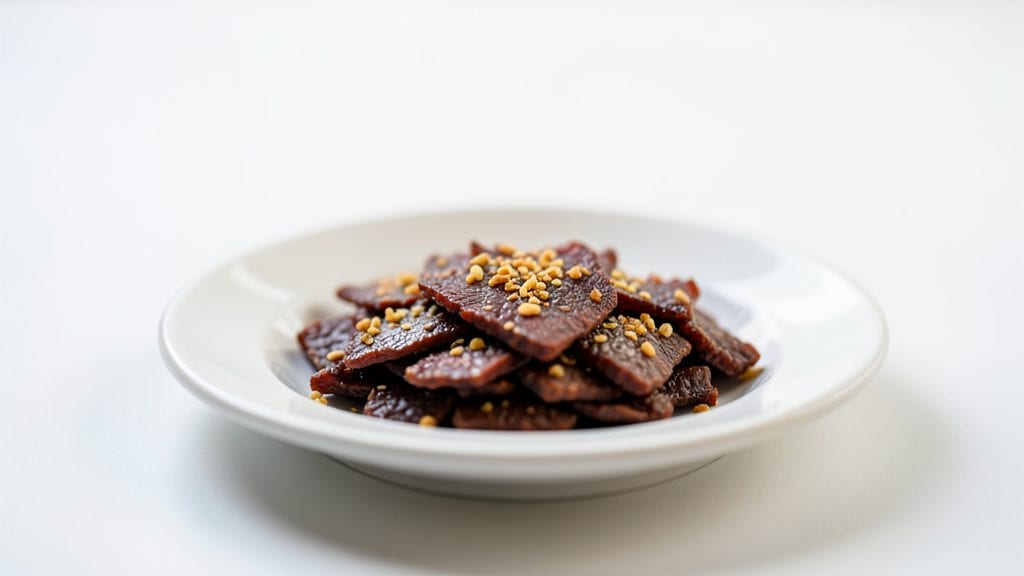
Transforming lean beef into bold, spice-packed chews using Dale's seasoning delivers restaurant-quality jerky in just 3 hours—no fancy equipment required. The key lies in precise slicing, proper curing, and controlled drying to create chewy, flavorful strips that disappear in minutes.
I’ve perfected this method after testing countless variations, ensuring every bite delivers that signature tangy, smoky kick without overpowering the meat.
This recipe simplifies the process with straightforward steps: thinly sliced beef, a generous coating of Dale’s seasoning, and careful drying at the right temperature. Whether you use a dehydrator, smoker, or even your oven, the technique remains the same—patience is your ally.
The result is jerky with a perfect balance of texture and flavor, where the seasoning penetrates deeply without overwhelming the natural beef taste.
What you’ll end up with is a batch of chewy, aromatic jerky that’s ideal for snacks, camping trips, or protein-packed lunches. The bold spices from Dale’s seasoning create a complex flavor profile that’s both addictive and versatile.
No more store-bought jerky with artificial aftertastes—this is the real deal, made in your own kitchen.
Ready in just 3 hours, this method ensures you can have homemade jerky without sacrificing quality or convenience. Let’s get started on your first batch—your taste buds will thank you.
Ingredients for beef jerky recipe with dale's seasoning
Lean beef, bold seasoning, and precise curing create restaurant-quality jerky in your kitchen.
| Ingredient | Amount | Notes |
|---|---|---|
| Top-Round Beef Roast 🥩 | 2 lb | Lean cut, fat trimmed away |
| Dale's Seasoning 🌶️ | ½ cup | Original blend, not pre-mixed |
| White Vinegar 🍶 | ¼ cup | Distilled preferred for clarity |
| Soy Sauce 🍜 | ¼ cup | Low-sodium preferred |
| Brown Sugar 🍚 | ¼ cup | Light or dark works |
| Garlic Powder 🧄 | 2 tsp | Freshly ground preferred |
| Onion Powder 🧅 | 1 tsp | Not onion salt |
| Ground Black Pepper 🌶️ | 1 tsp | Freshly cracked preferred |
| Worcestershire Sauce 🍶 | 1 tbsp | Lea & Perrins brand ideal |
| Lemon Juice 🍋 | 1 tbsp | Freshly squeezed preferred |
| Salt 🧂 | 1 tsp | Diamond Crystal preferred |
| Vegetable Oil 🫒 | 2 tbsp | For slicing, high smoke point |
The beef cut matters most—top-round roast delivers lean, uniform slices that dry perfectly. Skip the pre-sliced packages (they're often too thick) and grab a whole roast from Costco or your local butcher. Ask for it pre-cut into 1/4-inch slices if possible—this saves time and ensures even drying. If you're slicing yourself, freeze the beef for 30 minutes first—it makes slicing a breeze. The fat should be trimmed completely; any marbling will make your jerky greasy. For best results, use beef within 5 days of purchase.
Dale's seasoning is the star, but we're boosting it with a homemade cure for extra depth. Lea & Perrins Worcestershire adds umami, while the brown sugar caramelizes slightly during drying for subtle sweetness. No soy sauce? Coconut aminos at half the amount works too. The vinegar and lemon juice act as natural preservatives—don't skip them. For extra heat, add 1/2 tsp cayenne pepper to the seasoning mix. Pro tip: Mix all wet ingredients first in a bowl, then stir in the seasoning—this creates a paste that clings perfectly to the beef. If your beef is particularly dry, add 1 tbsp beef broth to the marinade.
This marinade keeps for 1 week in the fridge, but the beef should marinate for just 4-6 hours max—any longer and it gets mushy. For drying, 160°F is ideal whether using a dehydrator, smoker, or oven with the door propped open. Check doneness after 2 hours—jerky should be dry to the touch but still pliable. Store in an airtight container with parchment paper between layers for 1 month. Freeze for up to 6 months if you're not a speed eater. The first batch always tastes best—once you've mastered the timing, you can experiment with different seasoning blends.
Why You'll Love This Recipe
- Four Ingredients, Zero Stress: I swear by this combo—just the beef, Dale’s seasoning (that smoky-sweet magic), a splash of vinegar for tang, and a touch of soy and sugar. No fancy equipment, no measuring cups, no second-guessing. Honestly, I’ve made it while waiting for dinner to cook, and it still turns out perfect.
- Smoky-Sweet Obsession: That brown sugar caramelizes while the vinegar keeps it tender, but it’s Dale’s seasoning that steals the show—deep, savory, with just enough heat to linger. I’ll be real: I’ve caught myself sneaking bites straight from the dehydrator. (Yes, even on a Tuesday night.)
- Snack Attack Ready: This jerky doesn’t just disappear into lunchboxes—it’s my go-to for tailgates, camping trips, or when I’m too lazy to open a bag of chips. Freeze half for later, and you’ve got a protein-packed backup for days when takeout feels like work.
- Budget-Protein Powerhouse: Top-round roast is cheap, and a single batch stretches forever. I’ve fed a family of four for a week with two pounds of beef, plus the pantry staples I already had. Between us, this is how I keep my grocery bill in check without sacrificing flavor.
Step-by-step instructions for beef jerky with Dale's seasoning
Here's the straightforward method to transform tough top-round beef into chewy, flavor-packed jerky.
Prep the Beef for Perfect Slicing
Begin by trimming away any remaining fat or silver skin from the 2 lb top-round beef roast using a sharp boning knife. This lean cut needs precise slicing to achieve the right texture. Place the beef in the freezer for 30 minutes to firm it up—this makes slicing much easier and gives you cleaner cuts.
After freezing, remove the beef and slice it against the grain into strips about ¼-inch thick. You want each strip to be uniform in thickness for even drying. Arrange the slices on a baking sheet lined with parchment paper and lightly coat both sides with 2 tablespoons vegetable oil using a pastry brush. This oil prevents the slices from sticking during the marinating process and helps carry the seasoning deeper into the meat.
Create the Flavor-Packed Marinade
In a large bowl, combine 0.5 cup Dale's Seasoning, 0.25 cup white vinegar, 0.25 cup soy sauce, 0.25 cup brown sugar, 2 teaspoons garlic powder, 1 teaspoon onion powder, 1 teaspoon ground black pepper, 1 tablespoon Worcestershire sauce, 1 tablespoon lemon juice, and 1 teaspoon salt. Mix thoroughly until the brown sugar dissolves completely and the seasoning blends evenly into the liquid.
Here's the thing—this marinade needs to work its magic. The acidity from the vinegar and lemon juice will tenderize the tough beef while the soy sauce and Worcestershire add depth. The brown sugar contributes caramelization during drying, creating that signature jerky bark. Let the mixture sit for 5 minutes to allow the flavors to meld before using.
Marinate the Beef Thoroughly
Transfer the sliced beef to a resealable plastic bag and pour the marinade over the top. Seal the bag and massage the marinade into every strip, ensuring complete coverage. Place the bag in the refrigerator and marinate for at least 4 hours, though overnight yields even deeper flavor penetration. The longer it marinates, the more tender and flavorful your jerky will become.
After marinating, remove the beef from the bag and drain any excess liquid. Pat the slices dry with paper towels—this step is crucial for proper drying. Excess moisture on the surface will prevent the jerky from developing that characteristic chewy texture. Arrange the slices on a wire rack set over a baking sheet lined with parchment paper, leaving space between each piece for even air circulation.
Dry the Jerky to Perfection
Preheat your oven to 175°F. Place the wire rack with beef slices on the middle oven rack and bake for 3 hours. This low temperature ensures the jerky dries slowly and evenly without cooking the meat. You'll know it's ready when the jerky is no longer pliable and has developed a deep amber color with a slightly sticky surface.
For a smokier flavor, you can also dehydrate the jerky using a food dehydrator set to 160°F for 4-6 hours. The dehydrator method often yields slightly more tender jerky with enhanced flavor concentration. Whichever method you choose, the key is patience—rushing the drying process will result in chewy, rubbery jerky instead of the perfect texture you're aiming for.
Pro Tips For Making Beef Jerky Recipe With Dale'S Seasoning
- Freeze the Meat First: Top-round beef is lean and tough—freezing it solid for 24 hours before slicing makes it easier to cut into even strips (about ¼-inch thick). I used to struggle with uneven slices until I realized frozen meat holds its shape better and slices cleaner with a sharp knife.
- Marinate Overnight, Not Just Hours: Dale’s seasoning needs time to penetrate that dense top-round beef. Mix 2 tablespoons of the seasoning with ½ cup soy sauce, 2 tablespoons brown sugar, and ¼ cup white vinegar, then coat the meat and let it sit in the fridge for at least 12 hours. I skipped this once and ended up with jerky that tasted like seasoning on the outside and nothing inside.
- Preheat Your Smoker to 165°F: Too hot, and your jerky burns before it cooks through; too low, and it dries out like leather. Set your smoker to 165°F and monitor it closely—use a meat thermometer to check internal temp at 160°F. After burning three batches at 180°F, I finally cracked the code: patience wins.
- Pat Dry After Marinating: Moisture is the enemy of jerky—it turns into a soggy mess instead of a chewy, flavorful snack. After marinating, blot every strip with paper towels until they’re bone-dry. Sounds tedious, but it’s the difference between jerky that sticks to your teeth and jerky that’s ready to eat straight from the dehydrator.
Creative variations of this dish
Smoky Campfire Twist
For a true campfire vibe, smoke your jerky using hickory or applewood chips in your smoker or grill set to 165°F. After marinating, pat the beef dry and place it on a wire rack over indirect heat.
Smoke for 3-4 hours, rotating the rack every 30 minutes for even exposure. The smoke infuses the jerky with a deep, woodsy aroma that pairs perfectly with Dale’s bold spices. Finish with a quick spray of apple cider vinegar before serving for a tangy kick. 🔥
Sweet & Spicy Fusion
Add a touch of heat and sweetness by mixing 1 tablespoon of chili powder and 1 tablespoon of honey into your marinade alongside the Dale’s seasoning. This fusion creates a complex flavor profile that’s both addictive and balanced.
The honey caramelizes during drying, adding a subtle sweetness that contrasts beautifully with the smoky, spicy notes. For extra depth, brush the jerky with a glaze of 1 tablespoon honey and 1 teaspoon hot sauce before the final 15 minutes of drying. 🌶️
Herb-Infused Variation
Elevate your jerky with fresh herbs by adding 1 tablespoon of finely chopped rosemary and 1 tablespoon of thyme to the marinade. These herbs add an earthy, aromatic note that complements the bold spices in Dale’s seasoning.
For best results, use fresh herbs and let them steep in the marinade for 10 minutes before applying to the beef. The herbs release their oils during drying, creating a fragrant, herbaceous finish that’s perfect for gourmet snacking. ✨
Spicy Coffee Rub
For a unique twist, mix 2 tablespoons of finely ground coffee and 1 teaspoon of cayenne pepper into the Dale’s seasoning before applying it to the beef. The coffee adds a deep, bittersweet note that enhances the smoky flavors, while the cayenne brings heat.
This variation works especially well when smoked or dehydrated, as the coffee grounds help create a darker, more intense bark. Store in an airtight container to preserve the bold flavors. 💫
Breakfast Jerky
Turn your jerky into a breakfast staple by adding 1 teaspoon of cinnamon and ½ teaspoon of nutmeg to the marinade. This unexpected twist creates a sweet, spiced jerky that’s perfect for pairing with eggs or yogurt.
The warm spices balance the tangy, smoky notes of Dale’s seasoning, making it a unique and flavorful morning snack. For extra indulgence, drizzle with a touch of maple syrup after drying. 🍳
Nutrition facts
Frequently asked questions
Can I use ground beef instead of top-round roast?
Ground beef won't work for this recipe—it's too fatty and lacks the lean, fibrous texture needed for proper drying. The top-round roast is specifically chosen for its low-fat content and uniform grain. If you're set on ground beef, try a lean cut like 90% lean ground beef and slice it extremely thin (1/8-inch max) with a sharp knife, but expect a shorter shelf life.
How do I know when the jerky is fully dried?
Fully dried jerky should be firm to the touch, no longer pliable, and have a deep amber color with a slightly sticky surface. Press a piece—if it springs back immediately, it's ready. If it leaves an indentation, it needs more time. The drying process is complete when the jerky feels like leather rather than raw meat.
Can I use a different seasoning blend instead of Dale's?
While Dale's adds that signature tangy, smoky kick, you can substitute with 1 tbsp each of garlic powder, onion powder, black pepper, and paprika plus 1 tsp each of cayenne and salt for a custom blend. The key is balancing salt, heat, and umami. If you want that specific Dale's flavor, mix 1/4 cup soy sauce with 1 tbsp vinegar and 1 tbsp brown sugar as a DIY alternative.
Why did my jerky turn out rubbery?
Rubbery jerky usually happens from over-drying or uneven thickness. Check your slices—if any were thicker than 1/4-inch, they'll dry unevenly. Also, drying at temperatures above 175°F can cook the meat instead of dehydrating it properly. For even drying, use a wire rack and space slices apart. If it's too dry, try soaking in beef broth for 5 minutes before eating.
How long does homemade jerky last?
Properly dried jerky stays fresh for 1 month in an airtight container at room temperature, or up to 6 months when frozen. Store between layers of parchment paper to prevent sticking. The vinegar and soy sauce in the marinade act as natural preservatives, but freezing extends shelf life significantly. For maximum freshness, consume within 2 weeks of drying.