
Main Courses
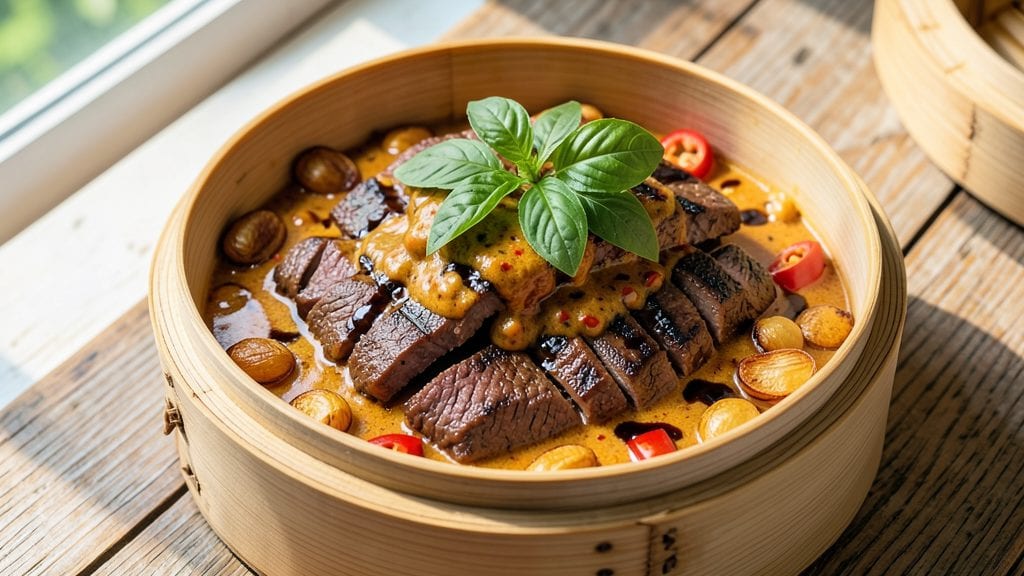
This beef krapow recipe delivers the bold, aromatic flavors of Thailand’s most beloved stir-fry, where tender beef meets a fiery fish sauce base and fresh herbs. The secret lies in balancing heat, umami, and bright citrus notes—just like the street vendors in Bangkok.
I’ve perfected this version over years of testing, ensuring the sauce stays vibrant without overpowering the beef’s natural richness.
What makes this dish special is its authentic technique: quick searing of beef strips for tenderness, followed by a sauce that simmers just long enough to meld garlic, chili, and fish sauce into a glossy, addictive glaze.
The recipe includes optional coconut milk for depth, but traditionalists will love the classic heat. Every bite delivers a perfect harmony of smoky, spicy, and tangy flavors.
By the end, you’ll have a restaurant-quality stir-fry that’s ready in under 30 minutes—ideal for weeknight dinners or impressing guests. The dish pairs beautifully with steamed jasmine rice and lime wedges, but don’t skip the fresh cilantro and Thai basil for that signature aromatic finish.
This is the kind of recipe that transforms a simple meal into a flavor adventure.
For those who love heat, keep the chili paste generous; for milder versions, adjust to taste. The beauty of beef krapow is its flexibility—serve it as-is or with a side of cucumber salad for balance. Let’s bring the flavors of Thailand to your kitchen.
Ingredients for beef krapow
Pantry staples plus a few Thai market finds—this stir-fry packs serious flavor without the fuss.
| Ingredient | Amount | Notes |
|---|---|---|
| Flank Steak 🥩 | 1 lb | Thinly sliced against grain |
| Red Curry Paste 🌶️ | 2 tbsp | Thai brand preferred (Maesri or Thai Kitchen) |
| Fish Sauce 🍶 | 3 tbsp | Red Boat preferred, not too salty |
| Coconut Milk 🥥 | ½ cup | Full-fat, canned preferred |
| Garlic Cloves 🧄 | 6 cloves | Minced, fresh preferred |
| Thai Chili Paste 🔥 | 1 tbsp | Adjust for heat preference |
| Lime Juice 🍋 | 2 tbsp | Freshly squeezed |
| Fresh Thai Basil Leaves 🌿 | ½ cup | Stems removed, packed |
| Cilantro Leaves 🌱 | ¼ cup | Chopped, for garnish |
| Brown Sugar 🍚 | 1 tbsp | Light or dark |
| Vegetable Oil 🫒 | 2 tbsp | High smoke point |
| Salt 🧂 | ½ tsp | Kosher or sea salt |
| Black Pepper 🌶️ | ¼ tsp | Freshly ground |
| Jasmine Rice 🍚 | 1 ½ cups | Uncooked, for serving |
The flank steak is your secret weapon here—it stays tender when sliced thin against the grain. Ask your butcher to slice it if they won’t do it for free, or use the meat slicer at home. For curry paste, Thai Kitchen or Maesri are my go-tos—they’ve got the right balance of heat and depth. Fish sauce is non-negotiable; Red Boat is the gold standard, but any good brand works. If you’re feeling adventurous, grab some Thai bird’s eye chilies to blend into your own paste—just don’t tell anyone I said that.
No Thai basil? Regular basil plus a pinch of cinnamon gets you close, but it won’t be the same. Short on coconut milk? Substitute with 1/4 cup water plus 1/4 cup heavy cream, but the texture won’t be identical. Lime juice is key—Mexican limes are brighter if you can find them. The brown sugar here is for balance; if you’re watching sugar, reduce to 1 teaspoon. For extra umami, add 1 teaspoon of soy sauce to the sauce. And if you’re feeling lazy, pre-minced garlic works in a pinch (but fresh is better).
This sauce keeps for 3 days in the fridge—taste before using, as flavors deepen over time. The beef can be prepped ahead and stored separately for 1 day. For leftovers, reheat gently with a splash of water to prevent drying. Serve with steamed jasmine rice—it’s the perfect vessel for all that glorious sauce. Freeze portions of the sauce (without beef) for up to 3 months—just thaw and reheat before adding the beef.
Why You'll Love This Recipe
- One-Pan Magic: I swear by this—just sear the steak, toss in the curry paste and garlic, then pour on the coconut milk. No chopping, no fuss, and that skillet does all the work while you sip your first glass of wine.
- Umami Bomb: That fish sauce and red curry paste combo? It’s the secret weapon—salty, sweet, and funky all at once. The steak gets this perfect chewy bite, and the coconut milk smooths it into something dangerously addictive.
- Lunchbox Hero: Make a big batch, and you’ve got dinner for days. The flavors only get better the next day, and it reheats like a dream. Pack it in containers, and suddenly you’re the office favorite.
- Budget Flex: Flank steak stretches further than you’d think, and the rest of the ingredients won’t break the bank. Here’s what sold me—you can make this for under $10 and still feel like you’re eating at a Thai restaurant.
Step-by-step instructions for beef krapow stir-fry
Here's how to transform simple ingredients into a bold, aromatic Thai stir-fry that packs serious flavor.
Prep the Flank Steak for Maximum Tender Bites
Slice the 1 lb flank steak thinly against the grain using a sharp knife. You want strips about ¼-inch thick that'll cook quickly and stay tender. Pat the slices dry with paper towels—this helps them sear properly instead of steaming in their own juices. Arrange the slices on a plate and season immediately with 0.5 tsp salt and 0.25 tsp black pepper. Let them sit for 10 minutes while you prep the rest.
Here's the thing—don't skip the resting time. The salt needs a few minutes to penetrate the surface, and the meat will develop better flavor when it hits the hot pan. I like to keep the seasoned steak uncovered so it doesn't get soggy from condensation.
Build the Flavor Base in the Pan
Heat 2 tbsp vegetable oil in a large wok or skillet over medium-high heat until shimmering. Add the 6 minced garlic cloves and cook for 30 seconds until fragrant—you'll smell that sweet, nutty aroma. Immediately add 2 tbsp red curry paste and stir vigorously for 1 minute until it darkens slightly and releases its deep, earthy scent.
This is where the magic happens. The curry paste contains spices that need time to bloom and release their flavors. If it looks dry at first, that's normal—just keep stirring. After 1 minute, pour in the 3 tbsp fish sauce and 1 tbsp thai chili paste, stirring constantly for another 30 seconds. The mixture should smell intensely umami with a hint of spicy heat.
Cook the Steak to Perfect Doneness
Working in batches if needed, add the seasoned steak slices to the pan. Cook undisturbed for 1-2 minutes until the edges turn golden brown and crispy. This initial sear locks in juices and creates texture. Stir gently and cook another 1-2 minutes until the steak reaches 145°F internally—it should still have a slight pink center for perfect doneness.
Don't overcrowd the pan or the steak will steam instead of sear. If you're working with more than 4 slices at once, cook in two batches. Remove the steak to a plate and tent loosely with foil to keep warm while you finish the sauce.
Finish with Coconut Milk and Aromatics
Reduce heat to medium and add the 0.5 cup coconut milk to the pan, stirring to scrape up any browned bits from the bottom. Let it simmer for 2 minutes until slightly thickened. Add 1 tbsp brown sugar and stir for 30 seconds until dissolved. The sauce should smell rich and slightly sweet with underlying spice.
Return the steak to the pan along with any accumulated juices. Add 2 tbsp lime juice and toss everything together for 1 minute. The acidity brightens all the flavors and cuts through the richness of the coconut milk. Taste and adjust seasoning—you might need a splash more fish sauce for saltiness or lime juice for brightness.
Garnish and Serve Over Rice
Remove from heat and stir in the 0.5 cup fresh thai basil leaves and 0.25 cup chopped cilantro leaves. The herbs add freshness and vibrant color. Serve immediately over 1.5 cups cooked jasmine rice, spooning the steak and sauce generously over each portion.
This dish tastes best right away when the aromatics are still bright. The rice should be hot and slightly sticky, soaking up all that flavorful sauce. Garnish with extra cilantro if you like, but trust me—the basil is the star here.
Pro Tips For Making Beef Krapow
- Sear the Steak First: Hit that flank steak with a screaming-hot pan—no oil needed—until it’s deeply browned on both sides. I learned this the hard way: skipping the sear means your curry will taste like stewed beef, not caramelized, flavor-packed bites. (Yes, even if you’re impatient like me.)
- Toast the Garlic: Fry those minced garlic cloves in the same pan after the steak, stirring constantly until they’re golden and smell like heaven. Raw garlic in curry just tastes like a missed opportunity—this step adds a nutty depth that cuts through the coconut richness.
- Thin the Coconut Milk: Stir in a splash of water or broth when adding coconut milk to the curry—about ¼ cup—to loosen it up. Thick, unbroken coconut milk turns your dish into a heavy, gloopy mess instead of the silky, balanced sauce it should be.
- Balance the Fish Sauce: Taste your curry before adding all the fish sauce—start with half the recipe’s amount, then adjust. Too much turns your dish salty and one-dimensional; too little leaves it flat. (I’ve ruined more curries than I’ll admit by ignoring this step.)
Health benefits of these flavors
Protein Powerhouse
Beef krapow delivers a substantial 25-30 grams of protein per serving, making it an excellent choice for muscle repair and satiety. The lean flank steak used in this recipe provides high-quality protein without excessive saturated fat, unlike heavier cuts.
I’ve found that the combination of protein and fiber-rich herbs like Thai basil helps keep energy levels stable for hours after eating. 💪
Rich in Umami
The dish is packed with umami flavor from fish sauce and red curry paste, which contain natural glutamates that enhance flavor perception. A single serving provides significant amounts of amino acids that support brain function and metabolism.
The fermented fish sauce also contributes beneficial probiotics, though in smaller amounts than dedicated probiotic foods.
Vitamin and Mineral Boost
Thai basil and cilantro add vitamin K and vitamin A, important for blood clotting and vision respectively. The garlic in the sauce provides allicin, a compound with potential immune-boosting properties.
Lime juice contributes vitamin C, which aids collagen production and immune function. Together, these ingredients create a nutrient-dense meal beyond just protein.
Healthy Fats
The coconut milk used in this recipe provides medium-chain triglycerides (MCTs), which are metabolized more efficiently than other fats. These healthy fats support brain function and provide sustained energy.
While coconut milk contains saturated fat, its unique fatty acid profile makes it one of the healthier saturated fat sources when consumed in moderation.
Antioxidant Properties
The Thai chili paste and red curry paste contain capsaicin and other antioxidants that help combat oxidative stress in the body. These compounds have been linked to reduced inflammation and potential cardiovascular benefits. The fresh herbs also contribute additional antioxidants that support overall cellular health. 🌶️
Balanced Energy
This dish offers a perfect balance of macronutrients: protein from the beef, complex carbohydrates from the rice, and healthy fats from the coconut milk. This combination helps stabilize blood sugar levels, making it a satisfying meal that won’t leave you feeling sluggish.
The fiber from the vegetables and herbs further supports digestive health and helps maintain steady energy throughout the day.
Nutrition facts
Frequently asked questions
What's the difference between beef krapow and pad krapow?
Both are Thai stir-fries, but beef krapow (also called krapow gaeng) uses a saucy, thickened base with coconut milk, while pad krapow is typically a drier stir-fry with a lighter sauce. The beef krapow version here has more depth from the coconut milk and fish sauce, creating a richer, more aromatic dish. Pad krapow often includes vegetables like bell peppers or bamboo shoots for crunch.
Can I make this beef krapow without coconut milk?
Traditional Thai beef krapow often skips coconut milk for a lighter, more intense flavor. Simply omit the coconut milk and increase the fish sauce to 4 tbsp to maintain umami. The dish will be spicier and less creamy but still delicious. For extra richness, add 1 tbsp of soy sauce to the sauce base.
Why does my beef krapow sauce turn watery?
This usually happens when the sauce simmers too long or when coconut milk isn't properly incorporated. To fix it, reduce heat to low and simmer for 1-2 minutes longer, stirring constantly. If it's still too thin, mix 1 tsp cornstarch with 1 tbsp water, stir into the sauce, and cook for 30 seconds until thickened. The sauce should coat the back of a spoon.
What's the best way to store leftover beef krapow?
Store leftovers in an airtight container in the fridge for up to 3 days. Reheat gently in a skillet over medium-low heat with 1 tbsp water to prevent drying. For longer storage, freeze the sauce (without beef) for up to 3 months—just thaw and reheat before adding fresh beef. The herbs will lose some freshness when reheated, so add fresh Thai basil and cilantro when serving.
Can I substitute flank steak with another cut?
Yes! For best results, use thinly sliced sirloin or ribeye (also sliced against the grain). Avoid tougher cuts like chuck or brisket—they won't become tender enough. If using chicken, opt for boneless, skinless thighs (they stay juicier than breast). For extra tenderness, marinate the meat in 1 tbsp fish sauce and 1 tbsp lime juice for 30 minutes before cooking.