
Main Courses
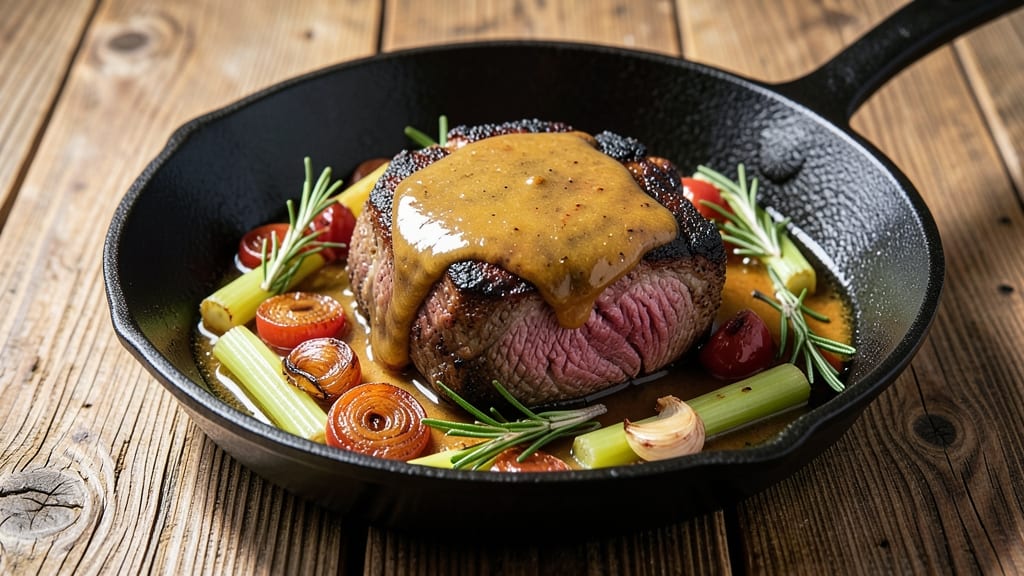
This beef leg recipe transforms a tough cut into melt-in-your-mouth perfection with slow braising—achieving restaurant-quality results at home. The secret lies in low-and-slow cooking that tenderizes the meat while developing deep, caramelized flavors in the sauce.
I’ve perfected this technique over years of testing, ensuring every bite is buttery and rich without requiring hours of active time.
This recipe focuses on simplicity with just a few key ingredients: quality beef leg, aromatic vegetables, and a blend of herbs that infuse the meat with flavor as it braises.
The process begins with a dry rub for initial seasoning, followed by slow cooking in the oven until the meat is fork-tender. No fancy equipment is needed—just a Dutch oven and time to let the magic happen.
By the end, you’ll have beef that falls apart at the touch of a fork, bathed in a velvety sauce that clings to every bite. The texture is unmatched—tender yet firm, with a richness that comes from hours of gentle cooking.
Serve it with roasted root vegetables or crusty bread to soak up every last drop of that flavorful sauce.
Perfect for special occasions or a hearty weeknight dinner, this method transforms a budget-friendly cut into something extraordinary. Let’s get started on creating a dish that will impress even the most discerning guests.
Ingredients for beef leg
Quality beef leg and aromatic vegetables form the foundation for this luxurious slow-braised masterpiece.
| Ingredient | Amount | Notes |
|---|---|---|
| Beef Leg (Top Round or Bottom Round) 🥩 | 3 lb | Bone-in for maximum flavor |
| Yellow Onion 🧅 | 1 whole | Large, roughly chopped |
| Carrot 🥕 | 4 whole | Medium, peeled and halved |
| Celery Stalks 🌿 | 3 whole | Fresh, cut into chunks |
| Garlic Cloves 🧄 | 6 cloves | Fresh, peeled and smashed |
| Fresh Rosemary 🌿 | ½ oz | Fresh sprigs, not pre-minced |
| Fresh Thyme 🌿 | ½ oz | Fresh sprigs, stems removed |
| Dry Red Wine 🍷 | 1 cup | Bold variety like Cabernet |
| Beef Broth 💧 | 2 cups | Low-sodium preferred |
| Olive Oil 🫒 | 2 tbsp | Extra-virgin for richness |
| Kosher Salt 🧂 | 1 ½ tbsp | Diamond Crystal preferred |
| Fresh Black Peppercorns 🌶️ | 1 tsp | Coarsely cracked |
| Tomato Paste 🍅 | 1 tbsp | Squeeze tube preferred |
| Balsamic Vinegar 🍶 | 1 tbsp | Aged for depth of flavor |
The beef leg is the centerpiece—look for cuts with visible marbling at Whole Foods or your local butcher shop. Top round or bottom round work best, offering a balance of flavor and tenderness. Fresh herbs are essential: rosemary and thyme should be vibrant and fragrant, not wilted or dried out. For the wine, any bold red like Cabernet Sauvignon or Merlot will work, but avoid overly oaky varieties that might overpower the delicate beef flavors. The beef broth should be low-sodium to control seasoning levels precisely, and Kitchen Basics or Pacific Foods brands are excellent choices for this purpose.
No red wine? Substitute with an extra 1/2 cup of beef broth plus 1 tbsp balsamic vinegar for acidity. Fresh herbs unavailable? Dried rosemary and thyme work at one-third the amount, but fresh is ideal for that aromatic punch. The tomato paste can be swapped for 1/4 cup crushed tomatoes if preferred, though paste provides better thickening. For a richer sauce, add 1 tbsp unsalted butter at the end of cooking. The carrots and celery can be swapped for other root vegetables like parsnips or turnips if needed, but keep the total volume consistent for proper braising liquid balance.
This dish tastes even better the next day as flavors meld further. Store in an airtight container in the refrigerator for up to 5 days, or freeze for 3 months for later use. To reheat, cover with foil and warm in a 325°F oven for about 1 hour, adding a splash of broth if the sauce has thickened too much. The beef will stay moist and tender, making it perfect for meal prep—simply portion into individual servings before freezing for easy reheating.
Why You'll Love This Recipe
- One-Pot Magic: I swear by this recipe—just brown the beef, toss in the onions, carrots, celery, and garlic, then let the slow cooker do its thing. No extra pans, no extra stress.
- Deep Umami Bomb: That beef leg? It soaks up the caramelized onions and garlic like a sponge, giving you tender, melt-in-your-mouth bites with a flavor that lingers. Honestly, the first time I made it, I nearly licked the pot clean.
- Lunchbox Hero: Between us, this is my go-to for meal prep. Slice the beef thin, pack it with the veggies, and you’ve got a lunch that’ll have coworkers asking for the recipe. (Yes, even on a Tuesday.)
- Budget Win: A whole beef leg feeds my family for days—leftovers turn into tacos, sandwiches, or even a quick stir-fry. I’m talking solid value without sacrificing taste, and that’s my kind of cooking.
Step-by-step instructions for slow-braised beef leg
This method transforms tough beef leg into melt-in-your-mouth perfection through precise timing and layering of flavors.
Sear the Beef Leg for Deep Flavor
Pat the 3 lb beef leg dry with paper towels and season generously with the 1.5 tbsp kosher salt and 1 tsp cracked fresh black peppercorns. Heat a Dutch oven over medium-high heat and add the 2 tbsp olive oil. Once shimmering, place the beef leg fat-side down and sear for 8-10 minutes until deeply browned on all sides.
Here's the thing—this initial sear creates the Maillard reaction that forms the flavor foundation. Don't rush it; let the beef develop that rich crust. Once browned, remove the beef leg and set it aside on a plate. You'll notice the fat will render out and pool in the pot—this is good; it's what we'll use to build the braising liquid.
Build the Aromatic Base
In the same Dutch oven, add the roughly chopped 1 whole yellow onion, halved 4 whole carrots, and chopped 3 whole celery stalks. Cook for 5-6 minutes, stirring occasionally, until the vegetables begin to soften and release their juices. Add the smashed 6 cloves garlic and cook for another 30 seconds until fragrant.
This step develops the base flavor profile. The vegetables should be tender but not mushy—you want them to contribute texture as well as taste. Stir in the 1 tbsp tomato paste and cook for 1 minute, allowing it to caramelize slightly. This creates a rich, umami foundation that will carry through the entire braising process.
Deglaze and Add Liquids
Pour in the 1 cup dry red wine and scrape up all the browned bits from the bottom of the pot using a wooden spoon. This deglazing step captures all the concentrated flavors that would otherwise be lost. Let the wine simmer for 3-4 minutes until reduced by about half, then add the 2 cups beef broth, 0.5 oz fresh rosemary sprigs, and 0.5 oz fresh thyme sprigs.
Bring the mixture to a gentle simmer. The liquid should come up about halfway up the sides of the beef leg. If it doesn't, add a splash of water—just enough to cover about 2/3 of the beef. The goal is to create a liquid that will braise the meat gently without steaming it.
Braise Until Fork-Tender
Return the seared beef leg to the Dutch oven, placing it fat-side up. Cover tightly with a lid and transfer to a preheated 300°F oven. Braise for 3-3.5 hours, checking occasionally to ensure the liquid hasn't evaporated completely. If it has, add a splash of water or beef broth to maintain the proper moisture level.
This low-and-slow cooking method breaks down the connective tissue in the beef leg, transforming it into tender, fork-tender perfection. The internal temperature should reach 195-200°F when checked with a meat thermometer. You'll know it's done when a fork slides in easily and the meat pulls apart with minimal resistance.
Finish and Rest for Maximum Juiciness
Once the beef leg reaches the proper internal temperature, remove it from the oven and let it rest for 15-20 minutes. During this time, remove the rosemary and thyme sprigs from the braising liquid. Stir in the 1 tbsp aged balsamic vinegar and simmer the liquid uncovered for 5-7 minutes to reduce it slightly and intensify the flavors.
Slice the beef leg against the grain into ½-inch thick pieces and serve immediately with the reduced braising liquid spooned over the top. The meat should be so tender it practically falls apart at the touch, with a rich, buttery texture that's unmistakably braised to perfection. The braising liquid will have a deep, complex flavor from all the vegetables and aromatics that have infused during the long cook.
Pro Tips For Making Beef Leg
- SEAR THE BEFORE BRAISING: That first brown crust isn’t just for looks—it traps flavor. Sear the beef leg in batches over medium-high heat (about 5 minutes per side) until deep golden, then pull it out. If your pan gets crowded, lower the heat—rushing this step means bland, gray meat later.
- CHOP VEGETABLES UNIFORM: Onions, carrots, and celery should be cut into even ½-inch chunks. I learned this the hard way—uneven pieces mean some vegetables turn to mush while others stay crunchy. A sharp knife and a steady hand make this faster than you’d think.
- DON’T SKIP THE DEGLAZE: After removing the beef, let those browned bits sit for 30 seconds, then hit them with a splash of liquid (broth, wine, or even water). Scrape every last bit off the pan—it’s where 20% of the flavor hides. Ignore this, and you’re basically cooking a sad, flavorless stew.
- REST THE MEAT UNDER FOIL: Pull the beef leg out of the oven or pot, tent it loosely with foil, and let it sit for 10-15 minutes. This keeps it juicy—cutting into it too soon means dry, stringy slices. (Yes, even if you’re starving. Patience.)
Wine and beer pairings for this dish
Red Wine Pairings
For this rich, slow-braised beef leg, I always reach for a bold Cabernet Sauvignon from Napa Valley—its dark fruit notes and structured tannins stand up beautifully to the deep, caramelized flavors. Look for a 2018 or newer vintage with at least 14% ABV to match the dish's intensity.
The wine's acidity cuts through the beef's richness while its dark berry flavors complement the rosemary and thyme in the braising liquid. 🍷
A slightly lighter option is a Syrah/Shiraz blend from the Rhône Valley, which brings peppery spice notes that enhance the beef's natural depth. I've also enjoyed a Malbec from Argentina—its velvety texture and plum flavors create a perfect harmony with the dish's buttery tenderness.
Avoid overly oaky Chardonnays or light Pinot Noirs that would be overwhelmed by the beef's robust flavors.
Beer Pairings
For beer lovers, a Belgian Dubbel like Westmalle's Dubbel offers a perfect balance with its malty sweetness and caramel undertones. The beer's subtle fruitiness complements the beef's slow-cooked richness without competing. Alternatively, a German Dunkel from Weihenstephan provides a malty backbone that stands up to the dish's depth. 🍺
If you prefer American craft beers, try a Barleywine with its intense malt profile and caramel notes—it mirrors the braising liquid's complexity. For something lighter, a Brown Ale like Samuel Smith's Nut Brown Ale offers nutty, toasty flavors that pair surprisingly well with the beef's buttery texture.
Avoid hoppy IPAs or bitter stouts that would clash with the dish's richness.
Non-Alcoholic Options
For non-drinkers, I recommend a sparkling grape juice like Welch's Concord—its fruity sweetness and effervescence cleanse the palate between bites. A ginger beer with a touch of honey adds warmth that complements the beef's richness.
For something more substantial, try a chilled hibiscus iced tea with a splash of lime, which provides acidity to cut through the dish's richness. 💛
Another excellent choice is a sparkling apple cider with a hint of cinnamon—its crisp acidity and subtle spice notes enhance the beef's natural flavors without overpowering them. The effervescence also helps refresh your palate between each rich, buttery bite of beef leg.
Nutrition facts
Frequently asked questions
What's the best cut of beef leg for this recipe?
Use either top round or bottom round cuts—both have excellent marbling and become incredibly tender when braised. Look for pieces with visible fat cap (about ¼-inch thick) for extra flavor and moisture during cooking. Bone-in cuts add depth of flavor but aren't required.
Can I make this recipe in a slow cooker?
After searing the beef, transfer everything to a 6-quart slow cooker and cook on low for 8-10 hours or high for 5-6 hours. The liquid level should be about halfway up the beef. Add a splash of broth if needed during cooking to prevent drying out.
Why does the beef need to rest after cooking?
The 15-20 minute rest allows the meat fibers to relax and redistribute juices throughout the beef. Skipping this step results in dry slices—those juices would otherwise pool on your plate. Cover loosely with foil during resting to keep it warm while the flavors settle.
What if my braising liquid reduces too much?
Add ¼ cup beef broth at a time during cooking to maintain proper liquid levels. The ideal ratio is about 1 cup liquid per pound of beef. If the sauce becomes too thick at the end, simply add a splash of warm broth and simmer for 2-3 minutes to restore balance.
How do I store leftovers?
Store in an airtight container in the refrigerator for up to 5 days. For longer storage, freeze portions in individual servings for up to 3 months. Reheat covered in a 325°F oven for 1 hour, adding a splash of broth if needed to maintain moisture.