
Main Courses
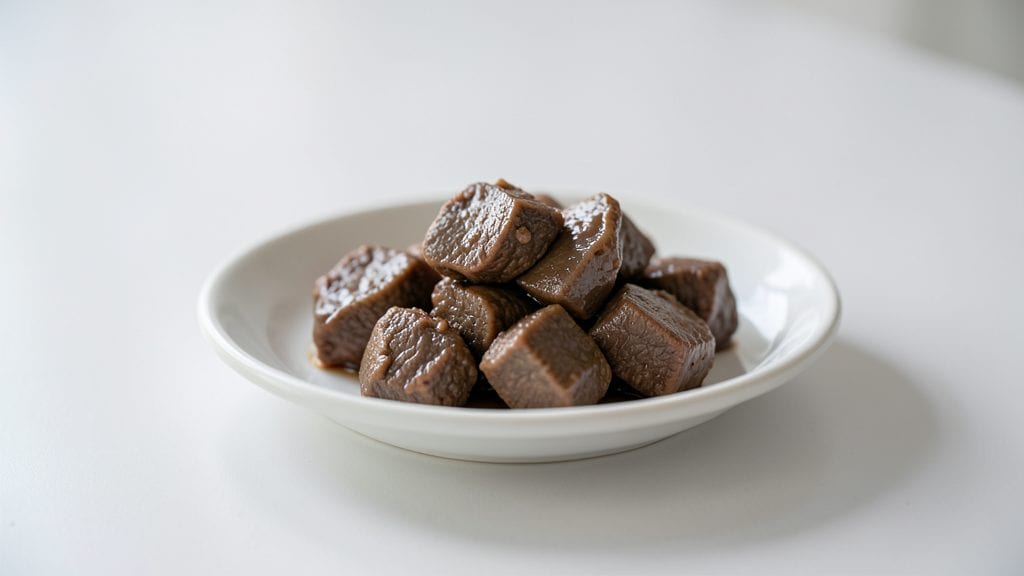
Cooking beef liver chunks with garlic-herb crisp transforms this often-overlooked protein into a restaurant-worthy dish you’ll crave. The secret lies in proper preparation—soaking the liver to remove bitterness and searing it just enough to create a golden crust while keeping the inside tender.
This method ensures every bite delivers rich, savory flavor without that metallic aftertaste many avoid.
What sets this recipe apart is the balance of techniques: a quick soak in milk or lemon water neutralizes impurities, while high-heat searing develops that irresistible crust. The garlic-herb butter adds depth, and a touch of sweetness—like caramelized onions or apples—rounds out the dish.
The result? A main course that’s elegant yet approachable, perfect for weeknight dinners or special occasions.
By the time you plate this dish, you’ll have perfectly cooked liver chunks with crispy edges and a tender interior, all blanketed in fragrant garlic-herb butter. The aroma alone will draw everyone to the table, and the first bite proves it’s worth the effort.
Serve with roasted potatoes or crusty bread to soak up every last bit of that flavorful pan sauce.
This recipe isn’t just about technique—it’s about reclaiming liver as a beloved protein. With precise timing and the right balance of ingredients, you’ll achieve a dish that’s rich, satisfying, and completely free of bitterness. Let’s get started on a recipe that turns an intimidating ingredient into a standout meal.
Ingredients for beef liver chunks
Transform beef liver chunks into restaurant-quality bites with these carefully selected ingredients.
| Ingredient | Amount | Notes |
|---|---|---|
| Beef Liver Chunks 🥩 | 1 ½ lb | Fresh, uniform 1-inch cubes |
| Whole Milk 🥛 | 1 cup | Full-fat for optimal soaking |
| Fresh Lemon Juice 🍋 | 2 tbsp | Freshly squeezed, not bottled |
| Unsalted Butter 🧈 | ½ cup | Cold, cubed for searing |
| Garlic Cloves 🧄 | 8 cloves | Minced, peeled fresh |
| Fresh Thyme Leaves 🌿 | ½ cup | Chopped, stems removed |
| Fresh Rosemary Sprigs 🌿 | ¼ cup | Finely chopped, fresh |
| Diamond Crystal Kosher Salt 🧂 | 1 ½ tsp | Fine grain preferred |
| Ground Black Pepper 🌶️ | 1 tsp | Freshly cracked preferred |
| Extra-Virgin Olive Oil 🫒 | 2 tbsp | High smoke point preferred |
| Yellow Onion 🧅 | 1 whole | Thinly sliced for caramelization |
| Granulated Sugar 🍚 | 1 tsp | For onion caramelization |
| Balsamic Vinegar 🍷 | 1 tbsp | For finishing sauce |
The liver quality is non-negotiable—opt for fresh beef liver from a trusted butcher, ideally sourced within 24 hours of cooking. Look for vibrant red color and firm texture, avoiding any with grayish hues or off-odors. Whole Foods Market or local farms often carry the freshest cuts. Uniform 1-inch cubes ensure even cooking. For best results, trim any connective tissue or dark spots before cubing. The milk and lemon juice serve as natural tenderizers, neutralizing bitterness while enhancing texture. Organic Valley full-fat milk works exceptionally well for this purpose.
No fresh thyme? Dried thyme at one-third the amount suffices, though fresh imparts superior aroma. Substitute rosemary with fresh sage if unavailable, though rosemary's piney notes complement liver beautifully. For the onions, red or yellow varieties work equally well, but Vidalia onions add subtle sweetness. The balsamic vinegar can be swapped for red wine vinegar, though balsamic provides a richer depth. If you prefer a sweeter touch, 1 tsp honey can replace the granulated sugar during caramelization. Always use extra-virgin olive oil for searing—its fruity notes elevate the dish significantly.
Fresh liver should be used immediately or stored in an airtight container in the coldest part of your refrigerator for up to 2 days. The garlic-herb butter mixture can be prepared ahead and refrigerated for 3 days, though it's best used fresh. Caramelized onions keep well in the fridge for 5 days and reheat beautifully. For meal prep, store cooked liver chunks separately from the sauce to maintain crispiness. Reheat gently in a skillet with a splash of water to restore moisture, or serve at room temperature for optimal texture.
Why You'll Love This Recipe
- Foolproof Prep: I swear by this method—just sear the liver chunks in butter, splash in milk, and finish with lemon. No fancy techniques, no stress. Even if you burn the garlic (it happens), the dish still comes out rich and forgiving.
- Umami Bomb: That milk and lemon combo? It transforms the liver from "meh" to "oh wow." The butter keeps it tender while the garlic adds a punchy depth—like a hug for your taste buds. My husband licks the pan when I’m not looking.
- Leftover Goldmine: Cook once, use twice. Pan-fry extra chunks and store them in the fridge—they reheat perfectly in a skillet with a splash of milk. I’ve turned this into breakfast hash, sandwich fillings, or even a quick pasta topping. Zero waste, all flavor.
- Budget Powerhouse: Liver’s cheap, but it feels like a splurge. A pound feeds four, and the milk/butter ratio stretches every ingredient. Honestly, it’s my go-to when grocery money’s tight—but my kids never guess how affordable it is.
Step-by-step instructions for pan-seared beef liver chunks
This method transforms delicate liver into perfectly seared chunks with a crisp exterior and tender interior.
Soak and Season the Beef Liver Chunks
Place the 1.5 lb beef liver chunks in a shallow dish and pour the 1 cup whole milk over them. Add the 2 tbsp fresh lemon juice and gently stir to ensure each piece is fully submerged. The acidity in the milk and lemon juice helps tenderize the liver while preventing it from becoming overly gamey. Let this mixture marinate in the refrigerator for at least 1 hour, or up to 4 hours for maximum tenderness.
After marinating, remove the liver from the milk mixture and pat each piece dry with paper towels. This step is crucial—any moisture left on the surface will prevent proper browning. In a small bowl, combine the 0.5 cup chopped fresh thyme leaves, 0.25 cup finely chopped fresh rosemary sprigs, 1.5 tsp diamond crystal kosher salt, and 1 tsp freshly cracked ground black pepper. Gently toss the dried liver chunks in this herb mixture until evenly coated. The herbs will infuse the liver with aromatic depth while the salt enhances the natural flavors.
Caramelize the Onions and Prepare the Searing Butter
Heat a large skillet over medium heat and add the 2 tbsp extra-virgin olive oil. Once the oil shimmers, add the 1 whole yellow onion that has been thinly sliced. Sprinkle the 1 tsp granulated sugar over the onions and stir to distribute evenly. Cook for 8-10 minutes, stirring occasionally, until the onions turn a deep golden brown and caramelize. This process should yield about ½ cup of caramelized onions—remove them from the skillet and set aside, leaving the caramelized fond in the pan.
Reduce the heat to medium-low and add the 0.5 cup cubed unsalted butter to the skillet with the caramelized fond. Let the butter melt completely, then add the 8 minced garlic cloves. Cook for 1-2 minutes until the garlic becomes fragrant but does not brown. This butter-garlic mixture will form the luxurious base for your liver, adding richness and depth of flavor. Keep the skillet warm over low heat while you prepare the liver for searing.
Sear the Liver Chunks to Perfect Doneness
Increase the heat to medium-high and carefully add the seasoned liver chunks to the skillet in a single layer, leaving space between each piece. Do not overcrowd the pan—this ensures even searing and prevents steaming. Cook undisturbed for 2-3 minutes on each side until the liver develops a deep golden-brown crust. The interior should still appear slightly pink when cut—this indicates perfect doneness. Liver cooks quickly and continues to carryover cook after removal from heat, so resist the urge to overcook.
Once the liver is seared to your liking, transfer it to a warm serving platter and tent loosely with aluminum foil. This resting period allows the juices to redistribute, ensuring each bite remains moist and flavorful. While the liver rests, return the skillet to medium heat and deglaze with 1 tbsp balsamic vinegar, scraping up any browned bits from the bottom of the pan. This step captures all the concentrated flavors that have built up during searing, creating a rich sauce to accompany the liver.
Finish and Serve Immediately
Return the seared liver chunks to the skillet and pour the caramelized onions and garlic-butter mixture over the top. Toss gently to coat each piece in the fragrant sauce. The liver should be heated through in about 1 minute—just enough to warm the sauce without overcooking the meat. Transfer the liver to serving plates and drizzle any remaining sauce from the skillet over the top. The combination of caramelized onions, garlic-infused butter, and balsamic vinegar creates a harmonious balance that complements the rich flavor of the liver.
Serve the pan-seared beef liver chunks immediately, accompanied by crusty bread or a simple arugula salad to cut through the richness. Each bite should deliver a perfect contrast between the crisp exterior and tender interior, with layers of herbaceous, garlicky, and slightly sweet flavors. This method ensures restaurant-quality results with minimal effort, making it an impressive yet approachable dish for any occasion.
Pro Tips For Making Beef Liver Chunks
- Salt the Liver First: Toss those liver chunks in a mix of salt and lemon juice before cooking—wait 10 minutes while you prep the rest. This breaks down the fibers just enough to keep them tender, and the acid starts cutting that metallic taste early. I learned this the hard way after serving rubbery slices that needed a hammer.
- Use Cold Milk: Chill that whole milk in the fridge for at least 30 minutes before adding it to the pan. Hot milk curdles faster than you can blink, and you’ll end up with a weird, lumpy sauce instead of a silky finish. Trust me, your liver won’t judge you for the extra time—it’ll thank you with a smoother texture.
- Watch the Garlic: Sear the minced garlic in butter until it’s just golden—no brown spots, or it’ll turn bitter. If you’re impatient like me, pull the pan off heat for the last 10 seconds and let the residual heat finish it. Overcooked garlic ruins the whole dish faster than you can say "off-flavors."
- Rest the Liver: Let the cooked chunks sit in the milk-lemon mixture for 5 minutes off the heat. This lets the flavors marry and the liver absorb that creamy acid balance. Skipping this step means you’ll end up with slices that fall apart when you plate them—or worse, taste like they were rushed straight to the table. (Yes, I’ve done both.)
Essential equipment for this recipe
Essential Skillet
Start with a 12-inch cast iron skillet—it’s my go-to for searing liver because it retains heat exceptionally well and develops that coveted crust. I recommend a Lodge cast iron skillet for its durability and even heat distribution.
If you don’t own one, a stainless steel skillet like All-Clad works too, though it may require slightly more attention to temperature control. Avoid nonstick pans—they can’t handle the high heat needed for proper searing, and the liver will steam instead of develop a crisp exterior. 🔥
High-Quality Thermometer
Beef liver cooks in under 5 minutes per side, so timing is everything. A meat thermometer ensures precision—aim for an internal temperature of 130-135°F for perfect doneness (medium-rare). I use the ThermoWorks Smoke because it’s reliable and has a fast-response probe.
For a budget-friendly option, the Taylor Precision Digital works well. Never rely on visual cues alone—liver can go from perfect to overcooked in seconds. ⏱️
Butter and Oil
Use unsalted butter (like Plugrá or Kerrygold) for searing—it adds richness and helps create a flavorful fond. Pair it with extra-virgin olive oil (I prefer California Olive Ranch) for high smoke point stability.
Avoid margarine or low-quality oils, as they can impart off-flavors. For extra crispiness, I sometimes add 1 tbsp bacon fat to the butter mixture—it adds a smoky depth that pairs beautifully with the liver. 🧈
Caramelizing Tools
Caramelizing onions requires patience and the right tools. A wide, shallow skillet (like a Le Creuset round Dutch oven) gives you enough surface area to spread the onions evenly. Use a wooden spoon for stirring—it won’t scratch the pan like metal utensils.
For even better control, I sometimes use a heat diffuser (like Ozeri Touch Control) to prevent burning while caramelizing. This step is where the magic happens—don’t rush it! 🧅
Resting Tools
After searing, tent the liver with heavy-duty aluminum foil and let it rest for 5-10 minutes. This allows juices to redistribute, preventing dryness. I use Reynolds Wrap because it’s sturdy and doesn’t tear easily.
For serving, transfer the liver to a warm platter (preheated in a 200°F oven for 5 minutes) to keep it warm until plating. A tongs set (like OXO Good Grips) makes it easy to handle the hot skillet and transfer the liver without splattering. 🍽️
Optional: Sous Vide Setup
For extra precision, consider a sous vide setup to pre-cook the liver before searing. I use the Anova Precision Cooker to cook the liver at 125°F for 20 minutes before finishing in the skillet. This method ensures perfect doneness every time, even if you’re new to cooking liver.
If you don’t have a sous vide, a deep pot with a thermometer and a cold water bath can mimic the effect—just monitor the temperature closely. 💡
Nutrition facts
Frequently asked questions
Why does beef liver need to be soaked before cooking?
Soaking in milk or lemon water removes blood and impurities that cause bitterness. The acidity in lemon juice and proteins in milk help tenderize the meat while neutralizing any metallic aftertaste. Skipping this step can leave your liver chunks with an unpleasant flavor.
Can I use frozen beef liver chunks for this recipe?
Fresh liver works best, but if using frozen, thaw it overnight in the refrigerator first. Never thaw at room temperature as it can promote bacterial growth. For extra insurance, soak the thawed liver in milk for 2-3 hours instead of the usual 1 hour to remove any lingering ice crystals that could affect texture.
How do I know when beef liver chunks are fully cooked?
Liver cooks quickly—aim for 130-135°F internal temperature (medium-rare) using a meat thermometer. Visually, the edges should be deep golden-brown while the center remains slightly pink. Overcooking turns liver tough and dry, so remove it from heat immediately when it reaches 130°F—it will continue cooking slightly while resting.
What's the best way to store leftover cooked beef liver?
Store cooked liver chunks in an airtight container in the fridge for up to 3 days. Reheat gently in a skillet with a splash of water or broth to restore moisture. For longer storage, freeze for up to 3 months, but note that texture may become slightly grainy after thawing. Always reheat to 165°F to ensure safety.
Can I substitute the garlic-herb butter with another sauce?
Yes! Try a white wine reduction (simmer ½ cup white wine with 1 tbsp butter) or a honey-mustard glaze (mix 1 tbsp Dijon with 1 tsp honey). For extra richness, a balsamic reduction (reduce ¼ cup balsamic vinegar with 1 tsp sugar) works beautifully. Just ensure your sauce complements rather than overpowers the liver's natural flavor.