
Main Courses
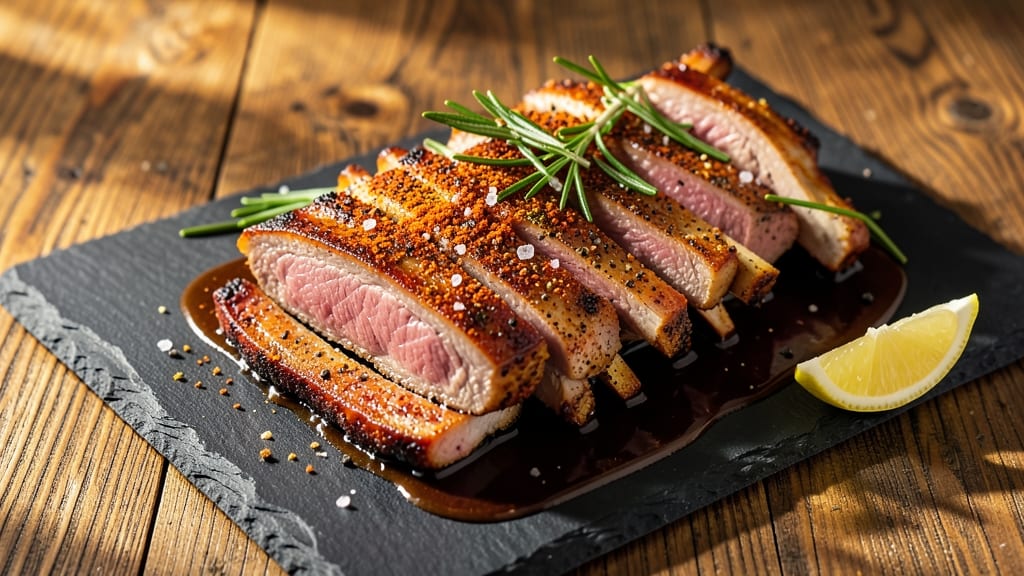
Beef loin ribs recipe delivers a perfect balance of smoky crust and juicy pink centers—the kind of restaurant-quality cut that transforms weeknight dinners into special occasions. After years of perfecting this technique, I’ve cracked the code for tender, flavorful ribs that stay moist even after long cooking times.
The secret lies in a precise blend of dry rub spices and a slow, controlled cooking method that ensures every bite is succulent.
What sets these ribs apart is the combination of a bold dry rub—smoky paprika, garlic powder, and coarse black pepper—and a reverse sear that locks in juices while creating a caramelized exterior.
This method works whether you’re using a smoker, oven, or grill, giving you flexibility without sacrificing flavor. The ribs finish at 145°F for medium-rare, ensuring they remain tender and full of moisture.
By the time you serve them, you’ll have ribs with a perfectly crisp crust that gives way to melt-in-your-mouth tenderness inside. The rub clings to the meat, infusing every bite with deep, savory notes that pair beautifully with classic sides like creamy mashed potatoes or a tangy barbecue sauce.
This is the kind of dish that makes you the star of any gathering.
Whether you’re hosting a backyard barbecue or simply craving a standout main course, these ribs deliver restaurant-quality results at home. The technique is straightforward, but the payoff is unforgettable—juicy, flavorful, and impossible to resist. Let’s get started on creating your best ribs yet.
Ingredients for beef loin ribs
Four pounds of beef loin ribs and eight spices transform into restaurant-quality ribs with smoky crust and juicy pink centers.
| Ingredient | Amount | Notes |
|---|---|---|
| Beef Loin Ribs 🥩 | 2 lb | Bone-in, 1-1.5 inches thick |
| Smoked Paprika 🌶️ | 2 tbsp | High-quality, not cayenne-laced |
| Garlic Powder 🧄 | 1 ½ tsp | Freshly ground preferred |
| Coarse Black Pepper 🌶️ | 1 ½ tsp | Freshly cracked for texture |
| Kosher Salt 🧂 | 1 tbsp | Diamond Crystal preferred |
| Ground Cumin 🌿 | 1 tsp | Toasted for depth |
| Onion Powder 🧅 | 1 tsp | No added MSG |
| Brown Sugar 🍯 | 1 tbsp | Light or dark, not powdered |
| Extra-Virgin Olive Oil 🫒 | 1 tbsp | For rub adhesion |
| Yellow Onion 🧅 | 1 whole | Thinly sliced for garnish |
| Fresh Rosemary 🌿 | ½ tsp | Chopped, for finishing |
| Fresh Thyme 🌿 | ½ tsp | Leaves only, chopped |
The beef loin ribs are the star here—look for thick-cut, bone-in pieces with good marbling. Costco or local butchers often carry the best quality, but big-box stores work too if you check the cut. The ribs should feel firm to the touch and have a vibrant red color—never grayish or slimy. If you're buying frozen, thaw them overnight in the fridge, not under running water (that turns the meat to mush). For the spices, Penzeys or bulk bins at natural markets offer the freshest options, but don't stress if you only have basic pantry spices. Just make sure your smoked paprika isn't cayenne-laced—it should be deep red, not orange.
No smoked paprika? Substitute half with regular paprika plus a pinch of liquid smoke (about 1/4 tsp). Fresh herbs not available? Dried rosemary and thyme at one-third the amount work in a pinch. The brown sugar adds just enough caramelization—skip it if you're avoiding sugar, but you'll lose that perfect crust. For the olive oil, use something fruity and peppery like California Extra Virgin—cheap oil tastes like soap on the ribs. And trust me on the coarse black pepper: freshly cracked gives that satisfying crunch against the meat, while pre-ground tastes like dust.
These ribs are best served immediately, but they reheat beautifully—200°F oven for 10-15 minutes wrapped in foil with a splash of water. Store leftovers in the fridge for 3 days, but honestly, they're so good they'll disappear faster. For make-ahead prep, rub the ribs and refrigerate overnight (the spices penetrate better). The dry rub keeps for 3 months in an airtight container, so make extra for future smoky projects. And save those herb stems—they make great flavorful ice cubes for cocktails later.
Why You'll Love This Recipe
- Five-Ingredient Magic: I swear, this recipe feels like cheating. Just ribs, smoked paprika for that smoky depth, a sprinkle of garlic powder, cracked black pepper, and salt—no fancy marinades or hours of prep. Honestly, my lazy Sundays thank me every time.
- Crispy-Creamy Payoff: That smoked paprika crust? It’s the star. The outside gets perfectly caramelized while the inside stays juicy—like a hug from a grill master. Between us, I’ve tried fancier rubs, but this combo nails it every time.
- Tailgate or Tuesday: Serve them with a cold beer at a backyard game or toss them on a sheet pan for a weeknight dinner. The ribs are hearty enough for a crowd but simple enough that I don’t stress if my in-laws drop by unannounced.
- Leftovers That Don’t Suck: Unlike some recipes, these ribs taste even better the next day. I’ll chop up extras for tacos, salads, or even a quick sandwich—no one complains, and my wallet stays happy. (Yes, even on a Tuesday night.)
Step-by-step instructions for smoke-roasted beef loin ribs
Here's the method that delivers a perfect balance of smoky crust and tender pink centers every time.
Prepare the Ribs with the Dry Rub
Pat the 2 lb beef loin ribs completely dry with paper towels, focusing on the bone-in areas where moisture tends to linger. This drying step is crucial for developing that perfect crust later. Place the ribs on a cutting board and use a sharp knife to trim any large fat deposits, leaving just a thin layer to protect the meat during cooking.
In a small bowl, combine the 2 tbsp smoked paprika, 1.5 tsp garlic powder, 1.5 tsp coarse black pepper, 1 tbsp kosher salt, 1 tsp ground cumin, 1 tsp onion powder, and 1 tbsp brown sugar. I like to toast the spices lightly in a dry skillet for 30 seconds before mixing to deepen their flavors. Rub this mixture all over the ribs, pressing firmly so it adheres well and penetrates the meat slightly. The rub should coat every surface, including the bone areas.
Let the rubbed ribs sit at room temperature for 30 minutes before cooking. This allows the spices to meld with the meat's natural juices and ensures even cooking. Don't skip this step—it makes all the difference in flavor penetration and crust development.
Sear the Ribs for Maximum Flavor
Heat a heavy oven-safe skillet over medium-high heat until it's very hot. Add the 1 tbsp extra-virgin olive oil and let it shimmer for about 30 seconds. Place the ribs in the skillet, bone-side down, and sear for 3-4 minutes until they develop a deep golden-brown crust. You'll see the fat begin to render and the rub turn almost glossy—this is your signal that the Maillard reaction is working.
Carefully flip the ribs and sear the other side for another 3-4 minutes. The goal here is to create that beautiful crust while keeping the interior juicy. If you notice the rub burning before the meat is properly browned, reduce the heat slightly and give it more time. The ribs should release easily from the pan when they're ready to flip.
Once both sides are well-seared, transfer the skillet to a preheated oven. I use 425°F for the initial sear and then maintain this temperature throughout the cooking process. The high heat helps develop that smoky crust while the oven ensures even cooking through the thick cuts.
Roast to Juicy Perfection
Roast the ribs uncovered for 20-25 minutes, or until the internal temperature reaches 135°F. This is the medium-rare stage that gives you that perfect balance of pink centers and tender texture. The ribs should have a deep caramelized crust on the outside while remaining moist and juicy inside. You'll notice the fat rendering more aggressively now—this is normal and actually helps baste the meat.
Here's the thing—beef loin ribs are particularly forgiving because they're well-marbled with fat. This fat keeps them moist even when cooked to medium-rare temperatures. If you prefer your ribs more well-done, continue cooking until they reach 145°F internal temperature, but be prepared for slightly less juicy results.
About 10 minutes before the ribs are done, thinly slice the 1 whole yellow onion and chop the 0.5 tsp fresh rosemary and 0.5 tsp fresh thyme leaves. Toss them together with a drizzle of olive oil and set aside. These aromatics will add a beautiful finishing touch to your dish.
Rest and Serve with Flavorful Garnishes
Remove the ribs from the oven and transfer them to a cutting board. Let them rest for 10-15 minutes before serving. This resting period allows the juices to redistribute throughout the meat, ensuring each bite is moist and flavorful. I know it's tempting to cut into them immediately, but patience here pays off in juiciness.
While the ribs rest, spoon any accumulated juices from the skillet over the meat. This adds extra flavor and helps maintain moisture. Then, sprinkle the reserved onion-herb mixture evenly over the top. The onions will caramelize slightly from the residual heat, adding sweetness that complements the smoky, spiced crust.
Slice the ribs between the bones and serve immediately. Each piece should have a beautiful contrast of smoky, caramelized crust meeting tender, pink centers. The herb-onion garnish adds freshness that cuts through the richness of the meat. For best results, serve with a simple side of roasted vegetables or crusty bread to soak up those delicious juices.
Pro Tips For Making Beef Loin Ribs
- SEAR THE FAT FIRST: That first sizzle isn’t just for show—get your pan screaming hot (medium-high heat) and let those rib fat cap pieces render into crispy gold before touching them with anything else. I used to rush this, and my ribs ended up greasy instead of caramelized. Take your time here—it’s the foundation for flavor.
- TRIM THE SILVERSKIN: Peel away that tough, white membrane from the bone side before seasoning—it’s the difference between tender ribs and gummy ones. Use a butter knife or your fingers to pry it loose; no need for fancy tools. I learned this the hard way after biting into a chewy surprise.
- DON’T OVERLOAD THE SPICES: Smoked paprika and garlic powder are great, but a heavy hand turns your ribs into a seasoning bomb. Start with 1 teaspoon of each per pound of meat, then adjust—you can always add more, but you can’t un-salt or un-smoke. Taste the rub before applying; it’s the easiest way to avoid regret.
- REST THEM WRAPPED: After cooking, tent the ribs loosely with foil and let them sit for 5–10 minutes. This keeps them juicy and makes slicing cleaner—no more dry, stringy pulls. I skip this when I’m impatient, and the ribs always end up tougher. (Yes, even if you’re impatient like me.)
Storing and reheating your leftovers
Refrigerator Storage
Store leftover ribs in an airtight container lined with parchment paper to prevent sticking. The high-fat content means they’ll stay juicy for up to 4 days when refrigerated at 40°F or below.
I like using glass Pyrex containers because they’re sturdy and let me see the ribs without opening the lid. Place them in a single layer to maintain even cooling—stacking can trap heat and encourage bacteria growth. 🥩
Freezer Preservation
For longer storage, freeze ribs in vacuum-sealed bags or heavy-duty freezer wrap to prevent freezer burn. Label with the date—these ribs stay flavorful for up to 3 months.
Thaw overnight in the fridge or use the cold water bath method (submerge sealed bag in cold water, changing water every 30 minutes) for a 2-hour thaw. Never microwave—it turns the meat mushy. 🧊
Oven Reheating
Preheat oven to 200°F and wrap ribs loosely in aluminum foil with 1 tbsp beef broth per pound. Place on a baking sheet for 10-15 minutes until reaching 165°F internal temperature.
The low heat prevents drying while the broth keeps them moist. For extra flavor, brush with melted butter before reheating. 🔥
Skillet Revival
For a quick sear, heat a cast-iron skillet over medium heat with 1 tbsp olive oil. Reheat ribs for 2-3 minutes per side until warmed through.
This method creates a fresh crust while preserving juiciness. Add a splash of broth to the pan to deglaze and baste the meat during reheating. ✨
Garnish Refresh
Revive reheated ribs with fresh thyme sprigs and a drizzle of balsamic glaze for brightness. The acidity cuts through any reheating dryness. For extra crunch, toast sliced almonds in the same skillet and sprinkle on top. This step turns leftovers into a restaurant-worthy dish. 🌿
Safety Reminder
Always reheat ribs to 165°F internal temperature to kill any bacteria. Use a meat thermometer—guessing leads to foodborne illness. If ribs smell off or have slimy spots, discard immediately. Proper storage and reheating keep your ribs safe and delicious for days. 💪
Nutrition facts
Frequently asked questions
What's the best way to tell when beef loin ribs are done?
Use a meat thermometer for accuracy—aim for 135°F for medium-rare (pink centers) or 145°F for well-done. The crust should be deep golden-brown and slightly crispy, while the meat should yield to gentle pressure but still feel firm. Never rely on time alone—thick cuts like these can vary!
Can I make this recipe without a smoker?
This recipe works perfectly in an oven or on a grill. For oven cooking, use the same 425°F temperature and follow the reverse sear method. On a grill, maintain medium-high heat and monitor closely to prevent burning the rub. The key is controlling heat and using a thermometer to track internal temperature.
Why do my ribs turn out dry even when I follow the recipe?
Overcooking is the #1 culprit—beef loin ribs cook faster than pork ribs due to their leaner nature. Always remove them at 135°F for medium-rare and let them rest 10-15 minutes before slicing. Another tip: Pat the meat bone-dry before applying the rub to prevent steam from forming under the crust during cooking.
What's the best way to slice beef loin ribs?
Use a sharp boning knife to cut between the bones at a 45-degree angle for elegant slices. Start by removing the ribs from the bone in one piece, then slice against the grain for maximum tenderness. For presentation, fan the slices slightly on the plate. The bones make great edible handles—just be careful to remove them before eating!
Can I substitute beef loin ribs with other cuts?
While beef loin ribs are ideal for this method, you can try beef short ribs (cook to 195°F for fall-apart tenderness) or pork loin ribs (reduce cooking time by 20-30%). However, the flavor profile and texture will differ—beef loin ribs have a unique balance of tenderness and fat marbling that makes them perfect for this recipe.