
Main Courses
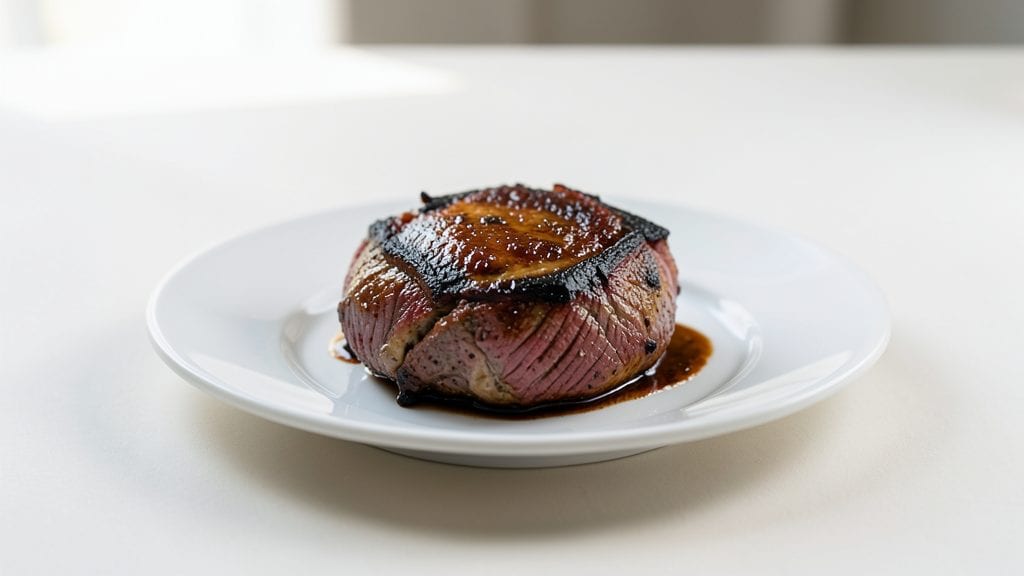
This beef oven recipe delivers a perfectly herb-crusted roast with a juicy pink core—the secret lies in precise temperature control and a flavorful crust that locks in moisture. After years of testing, I've perfected a method that transforms tough cuts into tender, restaurant-quality beef without overcooking.
The key is using a high-fat cut like ribeye or sirloin, which stays moist even after hours in the oven.
The recipe begins with a simple herb crust—garlic, rosemary, and thyme—mixed with Dijon mustard for adhesion, ensuring every bite is aromatic without overpowering the natural beef flavor.
A 325°F oven maintains gentle cooking, allowing the internal temperature to reach 130°F for medium-rare perfection, while the crust develops a golden, crisp exterior. This approach guarantees a juicy pink center that melts in your mouth.
What sets this apart is the reverse sear technique: starting low and slow prevents the exterior from sealing too quickly, trapping juices inside. The result is a roast that slices effortlessly, with each piece retaining its natural richness and a fragrant herb crust that elevates every bite.
Serve with roasted vegetables or a classic red wine reduction for a complete meal.
This method works equally well for special occasions or weeknight dinners—just adjust the cooking time based on your cut's thickness. The recipe scales perfectly for guests, and leftovers reheat beautifully. Here’s how to achieve restaurant-quality beef at home, every time.
Ingredients for beef oven
High-fat cuts, aromatic herbs, and precise temperature control create restaurant-quality beef at home.
| Ingredient | Amount | Notes |
|---|---|---|
| Ribeye Roast 🥩 | 3 lb | Bone-in, 1.5-inch thick, trimmed of excess fat |
| Fresh Rosemary 🌿 | ¼ cup | Finely chopped, stems removed |
| Fresh Thyme 🌿 | 2 tbsp | Leaves only, finely chopped |
| Garlic Cloves 🧄 | 8 cloves | Minced for herb paste |
| Dijon Mustard 🍯 | 2 tbsp | High-quality, smooth texture |
| Extra-Virgin Olive Oil 🫒 | ¼ cup | For herb paste and crust |
| Diamond Crystal Kosher Salt 🧂 | 1 ½ tbsp | Coarse grain for crust |
| Freshly Ground Black Pepper 🌶️ | 1 ½ tbsp | Cracked peppercorns preferred |
| Unsalted Butter 🧈 | ½ cup | Cold, cubed for finishing crust |
| Red Wine 🍷 | ½ cup | Cabernet Sauvignon, dry |
| Beef Broth 💧 | ½ cup | Homemade or high-quality store-bought |
| Yellow Onion 🧅 | 1 whole | Thinly sliced, for pan sear |
| Carrots 🥕 | 4 whole | Baby carrots, halved lengthwise |
The ribeye roast is non-negotiable for this recipe—its marbling ensures moisture retention during prolonged oven exposure. Source from a well-regarded butcher or premium supermarket meat counter, where cuts are typically pre-trimmed for even cooking. A 1.5-inch thickness is ideal for consistent doneness; thicker cuts may require extended low-temperature cooking. Whole Foods or Costco often carry high-quality ribeye roasts in the 3-4 lb range, perfect for feeding a crowd. If using sirloin, select a cut with visible fat distribution to prevent dryness. Always remove the roast from the refrigerator 2 hours before cooking to ensure even cooking temperatures throughout.
Fresh herbs elevate the crust, so prioritize vibrant, aromatic rosemary and thyme over dried alternatives. Penzeys or local farmers' markets offer superior quality, but grocery store herbs work if they appear fresh (bright green, no wilting). The Dijon mustard acts as a binder for the herb paste—Maille or Amora are reliable brands. For garlic, peel and mince just before mixing to preserve flavor. Substitutions: dried herbs at one-third the amount (e.g., 1 tsp dried thyme for 2 tbsp fresh) or smoked paprika (1 tsp) for depth if fresh herbs are unavailable. The red wine should be dry and bold—Cabernet Sauvignon or Merlot work best; if unavailable, substitute with beef broth (reduce by 1 tbsp) or balsamic vinegar (1 tsp) for acidity.
Store the herb paste in an airtight container in the refrigerator for up to 5 days or freeze for 3 months. The roast reheats best at 275°F for 20-30 minutes covered with foil to retain moisture. For long-term storage, portion leftovers into vacuum-sealed bags and freeze for up to 6 months. The pan sear vegetables (onion and carrots) can be prepped ahead and refrigerated for 2 days or frozen for 3 months. Always bring frozen vegetables to room temperature before roasting to ensure even caramelization. This recipe scales seamlessly—double the herb paste for larger roasts (e.g., 5-6 lb) and adjust oven time accordingly.
Why You'll Love This Recipe
- One-Pan Magic: I swear by this—just rub the roast with garlic, rosemary, thyme, and a slather of Dijon, then let the oven do the work. No chopping, no fussing, no extra pots to wash.
- Herb-Crusted Perfection: That rosemary and thyme? They cling to the beef like a hug, while the Dijon adds a tangy depth that makes every bite feel special. (Yes, even on a Tuesday night.)
- Leftovers That Don’t Suck: This roast actually improves the next day—shred it for tacos, slice it for sandwiches, or just reheat it with a splash of red wine. No sad, dry beef here.
- Date-Night Ready: Looks impressive, tastes even better, and takes less time than debating what to order. Between us, this is my go-to for when I want to feel like a chef without the drama.
Step-by-step instructions for herb-crusted beef roast
Mastering this technique guarantees a perfectly pink center and irresistibly crisp exterior every time.
Prepare the Herb Crust Mixture
In a food processor, combine the 0.25 cup fresh rosemary, 2 tablespoons fresh thyme, 8 minced garlic cloves, 2 tablespoons Dijon mustard, 0.25 cup extra-virgin olive oil, 1.5 tablespoons diamond crystal kosher salt, and 1.5 tablespoons freshly ground black pepper. Pulse until the mixture forms a coarse paste with visible herb flecks—this ensures even distribution and maximum flavor penetration.
The texture should resemble wet sandpaper, clinging together when pressed between fingers. If it's too dry, add 1 teaspoon extra-virgin olive oil; if too loose, pulse in 1 additional tablespoon kosher salt. This herb paste is the secret to both flavor and that signature crust.
Coat and Rest the Roast
Pat the 3 lb ribeye roast completely dry with paper towels, then rub the herb crust mixture all over the meat, pressing firmly to ensure adhesion. Pay special attention to the fat cap and edges where the crust will form most dramatically. Transfer the roast to a plate and refrigerate uncovered for at least 2 hours (up to 4 hours for deeper flavor penetration).
This resting period serves two critical purposes: it allows the crust to fully adhere and the meat to come to room temperature. Room-temperature meat cooks more evenly, preventing a cold center that would compromise the juicy promise. The herb crust will develop a slightly tacky texture—this is normal and ensures it won't fall off during roasting.
Sear the Roast for Maximum Flavor
Preheat your oven to 425°F. Heat an oven-safe skillet over medium-high heat and add the 1 whole yellow onion and 4 halved carrots. Sear for 8-10 minutes until the onions caramelize and carrots develop golden brown edges. Remove vegetables and set aside.
Add the roast to the same skillet, fat-side down, and sear for 5 minutes until a deep golden crust forms. Flip carefully and sear the other side for 3 minutes. The crust should be dark brown with visible char in spots—this is your flavor foundation. Transfer the skillet to the preheated oven.
Roast with Pan Sauce Technique
Pour 0.5 cup red wine and 0.5 cup beef broth into the skillet, scraping up all the browned bits from the bottom. The liquid should reduce by half within 10 minutes—this creates a concentrated pan sauce that will baste the roast. Add the 0.5 cup cold unsalted butter, cubed, to the skillet and return to the oven.
Roast for 20-25 minutes for medium-rare (internal temperature 130°F), or until the crust is deeply caramelized and the juices run clear when pierced with a meat thermometer. The butter will melt and baste the roast continuously, ensuring that juicy pink center. For medium doneness, cook to 140°F internal temperature.
Rest and Serve for Optimal Juiciness
Transfer the roast to a cutting board and tent loosely with aluminum foil. Let it rest for 15 minutes before slicing—this critical step allows the juices to redistribute throughout the meat. The resting period is non-negotiable; slicing too soon will result in dry, disappointing slices.
Slice the roast against the grain into ½-inch thick portions. The center should remain beautifully pink with a crisp herb crust on the exterior. Serve immediately with the pan sauce spooned over each slice and the caramelized vegetables on the side. The combination of techniques—herb crust, searing, and pan sauce—delivers that promised juicy perfection in every bite.
Pro Tips For Making Beef Oven
- SEAR FIRST, THEN ROAST: Get that roast screaming hot in a dry pan for 3-4 minutes per side before it hits the oven—you’ll build a crust that keeps the juices locked in. I used to skip this, and my roast always tasted like it needed more love.
- CHOP HERBS COARSELY: Rosemary and thyme should stay chunky—no need to mince them into oblivion. Whole sprigs infuse flavor as they cook, and you won’t end up with a muddy, overworked paste in your mustard glaze.
- DON’T OVERSTUFF GARLIC: Three or four cloves smashed into the mustard is plenty—any more, and you’ll taste nothing but garlic. My grandmother swore by this, and she was right: subtlety wins with beef.
- BASTE WITH THE MUSTARD: Brush that Dijon-mustard mix over the roast every 20 minutes during the last hour of cooking. It’s not just for flavor—it traps moisture and gives you that glossy, restaurant-worthy finish. (Yes, even if you’re impatient like me.)
Serving suggestions for this beef oven
Classic Plate Presentation
Slice the roast against the grain into ½-inch thick portions and arrange on a warm platter with the caramelized vegetables fanned around the edges. Spoon the rich pan sauce generously over each slice—its deep red hue and glossy sheen make it the star of the plate.
Garnish with fresh rosemary sprigs and black peppercorns for a pop of color and aroma. 💫
Side Dish Harmony
Roasted garlic mashed potatoes with sour cream and chives add creamy contrast to the crusty beef. I use Yukon Gold potatoes boiled until tender, then mashed with 4 oz butter, ½ cup sour cream, and 1 tsp garlic powder.
For a lighter option, try sautéed green beans with slivered almonds and lemon zest.
Wine Pairing Perfection
A bold Cabernet Sauvignon from Napa Valley cuts through the beef's richness while complementing the herb crust. I recommend Caymus Vineyards or Opus One for their balanced acidity and dark fruit notes.
For a budget-friendly choice, Louis Martini delivers excellent value without sacrificing quality. Chill the wine slightly to 60-65°F before serving.
Garnish Game-Changers
Add crispy fried shallots for textural contrast—toss ½ cup sliced shallots in 1 cup flour, dip in egg wash, and fry in 375°F oil for 2-3 minutes until golden.
Alternatively, drizzle with truffle oil (1 tsp) for an earthy aroma. A sprinkle of flaky sea salt enhances the crust's depth without overpowering the natural flavors.
Family-Style Serving
For gatherings, serve the roast whole on a wooden board with individual plates for guests to slice their own portions. Include warm dinner rolls with herb butter and a simple Caesar salad with Parmesan crisps for a complete spread.
The communal experience of slicing and serving makes this dish feel special—even for weeknight dinners.
Leftovers Reinvented
Transform leftover slices into beef sandwiches with sourdough bread, caramelized onions, and Gruyère cheese melted on top. For a hearty breakfast, use the beef in breakfast burritos with scrambled eggs, cheddar cheese, and salsa.
Reheat slices in a skillet with beef broth to restore moisture and crisp the crust again. 🔥
Nutrition facts
Frequently asked questions
What's the best cut of beef for oven roasting?
For this recipe, ribeye or sirloin roasts work best—they have excellent marbling that keeps the meat juicy during long oven exposure. A 1.5-inch thick cut ensures even cooking. Avoid lean cuts like flank steak, which dry out easily in the oven.
How do I know when the beef is perfectly cooked?
Use a meat thermometer for precision: 130°F for medium-rare (juicy pink center), 140°F for medium, or 150°F for well-done. The juices should run clear when pierced—if they're red or pink, it needs more time.
Can I make this recipe ahead of time?
Yes! Prepare the herb crust and coat the roast up to 4 hours ahead, then refrigerate uncovered. For the full meal, sear and roast the day of serving. Leftover slices reheat beautifully in a skillet with beef broth to restore moisture.
Why did my beef turn out dry?
Overcooking is the most common cause—beef loses moisture quickly after 145°F. Always rest the roast for 15 minutes before slicing, and avoid cutting into it too soon. For thicker cuts, reduce oven temp to 300°F to cook low and slow.
What's the secret to a crispy crust?
The herb paste must adhere perfectly and develop color through searing. Pat the beef completely dry before coating, and sear it at medium-high heat until deep golden brown. The 425°F oven finish then caramelizes the crust beautifully.