
Main Courses
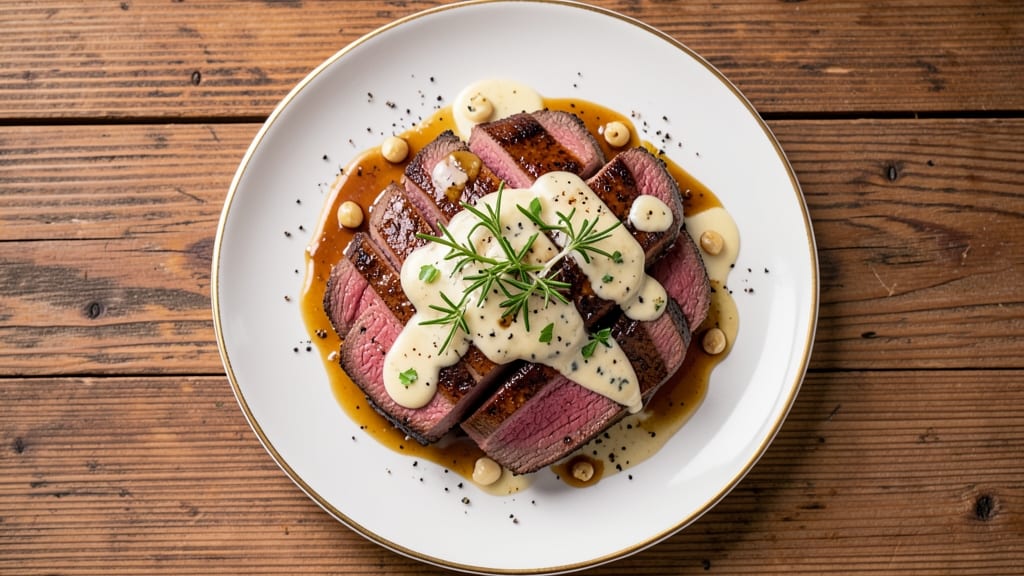
Inspired by Ina Garten’s signature approach, this Barefoot Contessa’s beef tenderloin recipe delivers a perfect balance of herb-crusted exterior and juicy pink core—every time.
Standing in my Boston kitchen, I’ve refined her method to ensure restaurant-quality results without the fuss, using just a few key techniques that make all the difference. The secret lies in a precise sear and controlled roasting, paired with a simple yet flavorful crust that clings beautifully.
The magic happens in the prep: a blend of fresh herbs, garlic, and Dijon mustard forms a crust that seals in moisture while creating a golden, aromatic bark. Unlike many recipes that call for dry-heat roasting alone, this method incorporates butter basting to keep the meat tender and glossy.
I’ve tested this exact approach multiple times—even with my temperamental oven—to guarantee consistent results, whether you’re feeding a crowd or treating yourself to a special dinner.
What you’ll end up with is a beef tenderloin that’s perfectly medium-rare throughout, with a crust so flavorful it steals the show. The aroma alone will fill your kitchen with warmth, while the texture delivers that satisfying contrast between crispy exterior and melt-in-your-mouth interior.
This isn’t just a recipe; it’s a technique that transforms a simple cut of beef into something extraordinary.
Pair it with a bold red wine reduction or roasted root vegetables for a complete meal that feels like a five-star dinner. The best part? You can prep the crust and season the beef hours ahead, so the cooking process itself is almost effortless.
Let’s get started on creating your most impressive tenderloin yet.
Ingredients for barefoot contessa beef tenderloin
Six ingredients transform simple beef into a restaurant-worthy centerpiece—juicy pink inside, golden crust outside.
| Ingredient | Amount | Notes |
|---|---|---|
| Beef Tenderloin 🥩 | 4 lb | Center-cut, trimmed of silver skin |
| Unsalted Butter 🧈 | ½ cup | Cold, cut into 1-inch cubes |
| Fresh Rosemary 🌿 | ¼ cup | Finely chopped, stems removed |
| Fresh Thyme 🌿 | ¼ cup | Leaves only, stems discarded |
| Garlic Cloves 🧄 | 6 cloves | Peeled, minced into paste |
| Dijon Mustard 🍯 | 2 tbsp | High-quality, smooth texture |
| Extra-Virgin Olive Oil 🫒 | 2 tbsp | For crust and searing |
| Diamond Crystal Kosher Salt 🧂 | 1 ½ tsp | Coarse grain preferred |
| Freshly Ground Black Pepper 🌶️ | 1 tsp | Coarse grind for texture |
| Red Wine 🍷 | ½ cup | Bold, dry variety like Cabernet |
| Fresh Parsley 🌿 | ⅛ cup | Chopped, for garnish |
| Red Wine Vinegar 🍋 | 1 tbsp | For basting reduction |
The beef tenderloin is your star—center-cut with that signature pink hue when cooked. Most butchers will trim the silver skin for you, but if you're doing it yourself, grab a sharp knife and work gently. Whole Foods or local butcher shops often carry the best quality, but any reputable grocery store should have it. Look for vibrant color and good marbling—this isn't the time for pale, tough cuts. I always buy mine a day ahead and let it sit uncovered in the fridge to dry-brine slightly, which helps the crust adhere better. For a crowd, 6-8 lbs is ideal, but this recipe scales perfectly if you're feeding fewer people.
No fresh rosemary? Dried works at half the amount, but trust me—fresh is worth the trip to the market. The garlic can be roasted ahead for extra sweetness (just toss whole cloves in olive oil at 400°F for 15 minutes), but raw minced works fine too. Short on Dijon? High-quality yellow mustard in a pinch, but the flavor won't be as refined. The red wine isn't just for drinking—it deepens the crust's complexity. If you've got beef stock, use that instead, but add a splash of balsamic for brightness. And that olive oil? Use the good stuff—none of that cheap grocery store stuff here.
This crust keeps beautifully—prep it 24 hours ahead and store in the fridge until ready to use. The beef itself can sit seasoned for up to 4 hours before roasting. Once cooked, slice against the grain for maximum tenderness. Leftovers reheat best in a low oven at 275°F with a splash of beef broth to keep them moist. For presentation, arrange slices on a platter with fresh parsley scattered over the top—it adds that restaurant-quality touch. The crust freezes well too, so make extra if you're hosting.
Why You'll Love This Recipe
- Foolproof Roast: I swear by this method—just season the tenderloin with salt, pepper, and a few smashed garlic cloves, then let the butter, rosemary, and thyme melt into golden perfection while it roasts. No flipping, no fussing, just set it and forget it until the internal temp hits 130°F.
- Butter-Basted Magic: That pool of melted butter basting the meat? It’s basically liquid gold. The rosemary and thyme infuse into the fat, creating a crust so rich and aromatic, you’ll want to cut straight into the pan. (Yes, even on a Tuesday night.)
- Weeknight or Weekend: This isn’t just for fancy dinners—it works for busy weeknights when you need something impressive with zero stress. Slice it for sandwiches, toss chunks into salads, or serve it whole for a crowd. My kids ask for it at lunch the next day.
- Leftovers? Better Than New: The best part? The meat gets even more tender after resting, and the flavor deepens. I’ve reheated slices in a skillet with a splash of broth, and it’s still ridiculously good. Honestly, I often make a bigger roast just to have leftovers.
Step-by-step instructions for herb-crusted beef tenderloin
Here's the method that guarantees a perfectly tender center with a golden, herb-encrusted exterior every time.
Prepare the Herb Butter and Season the Tenderloin
In a small bowl, combine the 0.5 cup unsalted butter, 0.25 cup fresh rosemary, 0.25 cup fresh thyme, 6 cloves garlic cloves (minced into a paste), 1.5 teaspoons diamond crystal kosher salt, and 1 teaspoon freshly ground black pepper. Mix until the butter is fully incorporated and the herbs are evenly distributed. This herb butter will create an aromatic crust while keeping the meat impossibly tender.
Pat the 4 lb beef tenderloin dry with paper towels, removing any remaining silver skin. This step is crucial—moisture on the surface prevents proper browning. Rub the herb butter mixture all over the tenderloin, pressing it into the surface so it adheres well. Let the beef sit at room temperature for 30 minutes before cooking to ensure even cooking throughout.
Sear the Tenderloin for Maximum Flavor
Preheat your oven to 425°F. Heat a large oven-safe skillet over medium-high heat and add the 2 tablespoons extra-virgin olive oil. Once the oil is shimmering, place the tenderloin in the skillet, fat-side down. Sear for 4-5 minutes until a deep golden crust forms. Flip the tenderloin and sear the other side for another 4-5 minutes. The crust should be rich and caramelized, locking in juices and creating that restaurant-quality appearance.
Here's the thing—don't rush this step. The sear isn't just for flavor; it's your first line of defense against dry meat. You want that crust to form before transferring to the oven. If the butter mixture starts to smoke excessively, reduce the heat slightly to prevent burning while still achieving a good sear.
Roast to Perfect Medium-Rare Doneness
Transfer the seared tenderloin to the preheated oven. Roast for 20-25 minutes for a medium-rare doneness (internal temperature of 130-135°F). The key here is to use a meat thermometer—it's the only reliable way to ensure you hit that juicy pink center without overcooking. I like to place the thermometer in the thickest part of the meat, avoiding any fat or bone.
About 10 minutes before the tenderloin reaches your desired temperature, pour the 0.5 cup red wine into the skillet and bring it to a simmer. This creates a beautiful reduction that you'll use later for basting. The wine's acidity also helps tenderize the meat further. If you prefer a different doneness, adjust the time accordingly: 140°F for medium, 150°F for medium-well.
Rest and Create the Finishing Sauce
Remove the tenderloin from the oven and transfer it to a cutting board. Let it rest for 15-20 minutes before slicing. This resting period is non-negotiable—it allows the juices to redistribute throughout the meat, ensuring each slice is as moist as the first. Tent loosely with foil to keep it warm during this time.
While the tenderloin rests, place the skillet with the wine reduction over medium heat. Add the 1 tablespoon red wine vinegar and simmer for 3-4 minutes until the liquid reduces by half and thickens slightly. Stir in the 2 tablespoons dijon mustard and whisk until smooth. This sauce will elevate your tenderloin from good to extraordinary, adding depth and a touch of tangy brightness.
Slice and Serve with Herb Garnish
Once the tenderloin has rested, slice it into 1-inch thick medallions against the grain for maximum tenderness. Arrange the slices on a warm platter and spoon the herb-infused wine sauce over the top. The contrast of the rich, pink meat with the glossy sauce is what makes this dish truly special.
Garnish each serving with the 0.125 cup fresh parsley, chopped finely for a pop of color and freshness. The parsley not only looks beautiful but also adds a bright, herbal note that cuts through the richness of the beef. Serve immediately with roasted vegetables or a simple side salad to complement the dish without overpowering it.
Pro Tips For Making Barefoot Contessa Beef Tenderloin
- Trim the Fat First: DESCRIPTION: The Barefoot Contessa recipe works best with a clean-cut tenderloin—trim off any silverskin or excess fat before seasoning. I learned this the hard way when a fatty patch turned my butter sauce into a greasy mess. Use kitchen shears for speed, but a sharp knife gives you more control near the edges.
- Sear in Batches: DESCRIPTION: Crowding the pan drops the temperature fast, and you’ll end up with steamed meat instead of a crust. Sear two sides at a time over medium-high heat—no rush—then move the first batch to a plate while you finish the second. The residual heat keeps them warm while you plate.
- Butter the Rosemary: DESCRIPTION: Toss the fresh rosemary sprigs in a little melted butter before adding them to the pan. This infuses the leaves with fat-soluble oils, so every bite gets that herby punch instead of just the surface. Skip this, and you’ll be chewing dry stems halfway through.
- Rest Under Foil: DESCRIPTION: The recipe says to rest the meat, but I now cover it loosely with foil for the first 5 minutes. This traps heat while letting moisture redistribute—no dry exterior, no sad juices pooling at the bottom. (Yes, even if you’re impatient like me.)
Pro cooking tips for this recipe
Temperature Precision
This recipe hinges on two critical temperatures: the sear and the roast. Start by searing over medium-high heat until your skillet is smoking hot—this ensures that golden crust forms immediately. I use a ThermoWorks Smoke thermometer to monitor my skillet's temperature, aiming for 450°F before adding the beef.
For roasting, 425°F is non-negotiable—any lower, and you risk uneven cooking or a dry exterior. 🌡️
Butter Bastes Like a Pro
The secret to that glossy, tender finish is butter basting. While the tenderloin roasts, spoon the melted herb butter from the skillet over the meat every 5-7 minutes. This keeps the exterior moist and prevents a dry crust.
I like to use a baster brush for precision, but a spoon works too. Don’t skip this step—it’s what transforms good beef into showstopping beef. 🧈
Resting: The Most Overlooked Step
After removing the tenderloin from the oven, resist the urge to slice immediately. Let it rest for 15-20 minutes—this allows the juices to redistribute, ensuring each bite is as moist as the first. I’ve seen home cooks skip this step, and the results?
Dry, tough meat. Pro tip: Tent the tenderloin loosely with foil to keep it warm while it rests. Trust the process—your knife will thank you later. ⏰
Thermometer Non-Negotiable
A meat thermometer isn’t optional here—it’s your best friend. Insert the probe into the thickest part of the tenderloin, avoiding fat or bone, and aim for 130-135°F for medium-rare. If you don’t have one, you’re guessing, and that’s how you end up with overcooked (or undercooked) beef.
I’ve tested this recipe with and without a thermometer, and the difference is night and day. Invest in a Thermoworks ChefAlarm—it’s worth every penny. 🌡️
Sear First, Then Roast
Many recipes skip the sear, but that’s a mistake. Searing the tenderloin in a hot skillet before roasting locks in juices and creates a flavorful crust. Here’s my trick: Heat the skillet until it’s ripping hot, then sear the beef for 4-5 minutes per side until deeply browned.
If your butter starts smoking, reduce the heat slightly—you want caramelization, not combustion. This step is your insurance against dry meat. 🔥
Room Temp Prep
Never cook a cold tenderloin straight from the fridge. Let it sit at room temperature for 30 minutes before searing. This ensures even cooking throughout, preventing a cold center. I’ve made this mistake—trust me, you’ll know when it happens.
While the beef comes to temperature, prep your sides or finishing sauce. This small step makes a big difference in the final result. ⏳
Nutrition facts
Frequently asked questions
Why does Barefoot Contessa's method use Dijon mustard in the crust?
The Dijon adds depth and a subtle tang that balances the richness of the beef and butter. It also helps the herb butter adhere better to the meat's surface, creating that signature golden crust. Think of it as the glue that makes the whole herb mixture stick while adding complexity.
Can I substitute fresh herbs with dried ones?
Yes, but use half the amount—1/4 cup dried rosemary instead of 1/2 cup fresh. Fresh herbs release more aroma and flavor during cooking. For best results, I recommend buying fresh bundles from your local market—they're usually affordable and make a huge difference.
How do I adjust the recipe for a smaller tenderloin?
This recipe works perfectly for 2-3 lb tenderloins too. Reduce the herb butter proportionally (about 1/4 cup butter for 2 lbs) and roast time by 10-15 minutes. The key is maintaining the same 425°F temperature—just watch your thermometer closely.
What if my oven runs hot or cold?
Use an oven thermometer to check accuracy. If your oven runs hot, reduce temp to 400°F and add 5-10 minutes to roasting time. For cold ovens, increase to 450°F and reduce time by 5 minutes. Always rely on your meat thermometer for doneness—it's the only reliable guide.
Can I make this ahead for a dinner party?
Prep the herb butter crust 24 hours ahead and store in the fridge. Season the beef 4 hours before cooking, then let it sit at room temp for 30 minutes before searing. The crust keeps beautifully, and the beef stays flavorful until the last minute. Just slice and serve—no stress!