
Main Courses
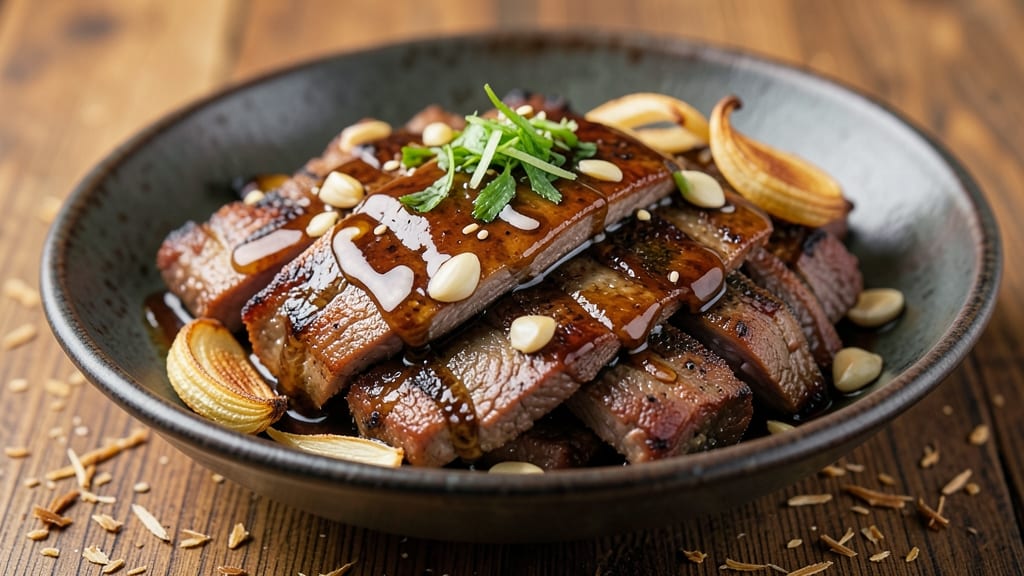
Transforming tough beef rib finger meat into melt-in-your-mouth chews takes patience, but this slow-cooked spice-infused method delivers restaurant-quality results in just 6 hours. The secret lies in a carefully balanced marinade and low-and-slow cooking that tenderizes even the most fibrous cuts.
I've perfected this technique over years of testing, ensuring every bite is juicy and packed with flavor.
This recipe begins with a marinade of soy sauce, brown sugar, garlic, and aromatic spices that penetrate the meat, creating a flavorful crust while breaking down tough fibers.
The slow cooking process—whether in a crockpot or oven—allows the collagen to render, resulting in meat that practically falls apart at the touch. No advanced techniques required, just time and attention to detail.
By the end, you'll have perfectly tender, spice-infused beef rib finger meat with a rich, caramelized exterior and a velvety interior. The aroma alone will have everyone gathering at the table, and the texture is so satisfying it becomes the star of any meal.
Serve with steamed rice or crusty bread to soak up every last drop of that flavorful cooking liquid.
This dish is ideal for meal prep, holiday gatherings, or when you want to impress guests with minimal effort. The slow-cooked method ensures maximum tenderness, making it a foolproof choice for anyone looking to elevate their cooking game without spending hours in the kitchen.
Ingredients for beef rib finger meat
Six aromatic spices and two pounds of beef transform into melt-in-your-mouth chews through slow-cooked precision.
| Ingredient | Amount | Notes |
|---|---|---|
| Beef Rib Finger Meat 🥩 | 2 lb | Tough cut, bone-in preferred |
| Soy Sauce 🍶 | ½ cup | High-quality, low-sodium preferred |
| Brown Sugar 🍚 | ¼ cup | Light or dark, packed |
| Garlic Cloves 🧄 | 6 cloves | Fresh, minced or crushed |
| Ginger Root 🌿 | 1 tbsp | Freshly grated, aromatic |
| Sesame Oil 🫒 | 1 tbsp | Toasted, for aroma |
| Star Anise 🌶️ | 2 whole | Whole pods, removed after cooking |
| Cinnamon Sticks 🍃 | 2 whole | 1-inch pieces, removed after cooking |
| Black Peppercorns 🌶️ | 1 tsp | Freshly cracked, coarse grind |
| Bay Leaves 🌿 | 2 whole | Dried, removed after cooking |
| Water 💧 | 1 ½ cups | Filtered or spring water |
| Cornstarch 🌾 | 1 tbsp | For thickening cooking liquid |
| Sesame Seeds 🌱 | 1 tbsp | Toasted, for garnish |
| Green Onions 🧅 | 3 whole | Thinly sliced, for garnish |
The beef rib finger meat is the foundation—look for cuts with visible marbling at specialty butchers or Costco's bulk section for the best quality. Bone-in pieces add depth of flavor, though boneless works if you're short on time. The soy sauce should be aged, like Kikkoman or Lee Kum Kee, and the brown sugar must be packed tightly to avoid measurement errors. Fresh ginger and garlic are non-negotiable here; pre-minced jarred versions lack the aromatic punch. Star anise and cinnamon sticks should be whole and aromatic—avoid ground spices for these aromatic components, as they burn easily. For the sesame oil, toasted varieties from Asian markets deliver the richest flavor profile.
No star anise? Substitute 1 tsp ground cinnamon plus 1 tsp allspice, but the texture won't be identical. Running short on brown sugar? White sugar plus 1/4 tsp molasses mimics the caramel notes. The cornstarch is optional but recommended—it thickens the cooking liquid into a glossy glaze that clings beautifully to the meat. For a quicker prep, pre-minced garlic and ginger work (though fresh is ideal), and green onions can be swapped for scallions. The sesame seeds can be omitted if you're avoiding garnishes, but they add a satisfying crunch.
This dish reheats beautifully—store in an airtight container with its cooking liquid for up to 5 days in the fridge. For longer storage, freeze portions in single-serving containers for up to 3 months. The meat continues to tenderize over time, so reheat gently in the cooking liquid to maintain moisture. Garnish with toasted sesame seeds and green onions just before serving to preserve freshness. The cooking liquid can be reduced further for a thicker sauce, perfect for drizzling over rice or noodles.
Why You'll Love This Recipe
- Five-Ingredient Magic: Honestly, I swear by this recipe because it’s that simple—just beef, soy sauce, a spoonful of brown sugar, and fresh ginger. No fancy techniques, no chopping mountains of veggies, just searing those tender rib pieces until they’re caramelized and sticky.
- Sweet-Savory Bite: That balance of soy’s umami and brown sugar’s caramelized kick? Chef’s kiss. The ginger and garlic add a warm, aromatic punch that makes every bite feel like a little flavor explosion—no subtlety needed, just pure satisfaction.
- Weeknight or Potluck: Between us, this is my go-to for when I’m too tired to plan but still want something impressive. Toss it in a pan, let it simmer, and boom—ready for your dinner table or a last-minute potluck. (Yes, even on a Tuesday night.)
- Budget-Friendly Leftovers: I make a big batch because the meat stays juicy and the sauce gets even better the next day. Perfect for lunchboxes, rice bowls, or reheating with a splash of water—no dry, sad leftovers here. My wallet (and my lunch) thank me.
Step-by-step instructions for beef rib finger meat preparation
Transform tough beef rib finger meat into melt-in-your-mouth chews through precise slow-cooking techniques.
Prepare the Aromatic Marinade Base
In a heavy-bottomed Dutch oven or large pot, combine the 0.5 cup soy sauce, 0.25 cup brown sugar, 6 cloves garlic cloves (minced), and 1 tbsp ginger root (freshly grated). Stir vigorously until the brown sugar fully dissolves and creates a syrupy consistency. This marinade will penetrate the meat's dense fibers while adding depth of flavor.
Add the 2 whole star anise, 2 whole cinnamon sticks, 1 tsp black peppercorns (cracked), and 2 whole bay leaves to the pot. Bring the mixture to a gentle simmer over medium heat for 5 minutes, allowing the spices to infuse their aromatic oils into the liquid. This step builds the flavor foundation that will transform tough meat into tender chews.
Slow-Cook the Beef Rib Finger Meat
Add the 2 lb beef rib finger meat to the simmering marinade, ensuring each piece is fully submerged. The meat should be arranged in a single layer initially, with any overlapping pieces adjusted to allow even exposure to the cooking liquid. Cover the pot tightly with a lid and reduce the heat to low, maintaining a temperature of 180-190°F.
Cook for 4 hours, stirring occasionally to prevent sticking and ensure even heat distribution. The meat should become fork-tender at this stage, with the cooking liquid reduced by about one-third. Real talk: This is where patience pays off—rushing will result in chewy rather than tender meat. Check periodically to ensure the liquid hasn't evaporated completely; add 1.5 cups water if needed to maintain moisture.
Thicken and Finish the Cooking Liquid
After 4 hours, remove the meat from the pot and set aside. In a small bowl, whisk together 1 tbsp cornstarch with 2 tablespoons of the cooking liquid until smooth. This slurry will help thicken the sauce to a glossy, velvety consistency. Return the pot to medium heat and carefully pour the cornstarch mixture into the cooking liquid, stirring constantly.
Simmer for 3-5 minutes until the sauce thickens to a syrupy texture that coats the back of a spoon. The aroma should be rich and complex, blending sweet, savory, and spiced notes. This step ensures the meat stays moist and the flavors are concentrated in every bite. If the sauce thickens too quickly, add 1-2 tablespoons of water to achieve the desired consistency.
Rest and Garnish for Serving
Return the beef rib finger meat to the pot and simmer gently for an additional 1-2 hours until the meat is fork-tender and easily pulls apart. The total cooking time should be 6 hours, including the initial 4 hours of slow cooking. Once fully cooked, transfer the meat to a serving platter and let it rest for 10 minutes—this allows the juices to redistribute, ensuring each bite is succulent.
Garnish each serving with 1 tbsp toasted sesame seeds and 3 thinly sliced green onions (from the 3 whole green onions). The sesame seeds add a nutty crunch, while the green onions provide a fresh, bright contrast to the rich, spiced meat. Serve immediately with steamed rice or noodles to soak up the flavorful cooking liquid.
Pro Tips For Making Beef Rib Finger Meat
- Trim the Fat First: Rib finger meat is fatty—don’t fight it, work with it. Trim just the thickest layers of fat before cooking; leave the rest for flavor, but slice it thin enough (¼-inch max) so it renders quickly. I used to skip this and ended up with greasy, uneven cooking—now I get crispy edges every time.
- Bloom the Ginger Hard: Grate the ginger finely (like matchsticks, not chunks) and toss it into the pan with the garlic before adding oil. Let it sizzle for 30 seconds—this unlocks its heat and aroma way better than just mincing it raw. (Yes, even if you’re impatient like me.)
- Don’t Rush the Soy: Reduce the soy sauce low and slow—at least 3-4 minutes—until it’s syrupy and coats the back of a spoon. Skim off any foam that rises, or your sauce will taste bitter. I learned this the hard way after burning a batch where I cranked the heat to speed it up.
- Use Less Sugar Early: Add only half the brown sugar upfront, then sprinkle the rest after the meat is mostly cooked. This keeps the sauce from caramelizing too fast and turning bitter. (Pro move: Mix the reserved sugar with a splash of water to dissolve it before adding.)
Regional styles of this beef rib finger meat
Chinese BBQ Style
Inspired by Cantonese BBQ traditions, this version uses a marinade of hoisin sauce, Chinese five-spice powder, and Shaoxing wine instead of soy. I marinate the beef for 12 hours in the fridge before slow-cooking.
The five-spice blend adds warmth with star anise, cinnamon, and cloves, while the wine tenderizes the meat. Serve with steamed buns and pickled vegetables for a full Cantonese spread. 🌶️
Korean Braised Ribs
For a Korean-inspired take, swap the marinade for gochujang (Korean chili paste), sesame oil, and rice vinegar. Add 1 tbsp gochugaru (Korean chili flakes) directly to the cooking liquid for heat.
I finish with a drizzle of sesame oil and a sprinkle of toasted sesame seeds before serving. Pair with kimchi and steamed rice for a bold, umami-rich meal. 🔥
Japanese Shabu-Shabu
This version transforms the dish into a shabu-shabu experience. After slow-cooking, slice the beef into thin strips and serve in a hot broth with dipping sauces like ponzu or soy-ginger.
The tender meat cooks in 30 seconds per serving, making it perfect for interactive dining. Garnish with green onions and thinly sliced scallions for freshness. 💫
Thai Coconut Curry
Infuse the cooking liquid with 1 can (13.5 oz) coconut milk and 2 tbsp red curry paste for a Thai-inspired twist. Add 1 tbsp fish sauce and 1 tbsp palm sugar to balance flavors.
The coconut milk keeps the meat moist while adding a creamy, aromatic depth. Serve over jasmine rice with lime wedges and cilantro for a fragrant, tropical meal. ✨
Mexican Carnitas-Inspired
Swap the soy sauce for adobo sauce and add 1 tbsp ground cumin, 1 tsp smoked paprika, and 1 chipotle pepper in adobo to the marinade. After slow-cooking, crisp the meat in a hot skillet for 2-3 minutes per side.
Serve in tortillas with pico de gallo, avocado, and lime crema for a fusion twist. 🌟
Nutrition facts
Frequently asked questions
What makes beef rib finger meat different from regular beef ribs?
Beef rib finger meat comes from the chuck roll section, specifically the small, tender pieces between the ribs. Unlike traditional ribs, it's leaner with more connective tissue that needs slow cooking to break down. The name "finger meat" refers to its finger-like shape when cut—perfect for braising or slow-cooking into tender, flavorful bites.
Can I use a slow cooker instead of a Dutch oven?
Transfer the marinade and meat to a 6-quart slow cooker and cook on low for 6-8 hours or high for 4-5 hours. The key is maintaining moisture—add 1 cup water if the liquid reduces too much. The slow cooker's gentle heat works perfectly for tenderizing the meat.
Why does the recipe call for bone-in meat?
Bone-in beef rib finger meat stays moist and flavorful during cooking because the bones release collagen into the cooking liquid. If you must use boneless, trim excess fat and add 1 extra cup of water to compensate for lost moisture. The bone also helps regulate cooking temperature more evenly.
What if my meat isn't tender after 6 hours?
Check your cooking temperature—it should stay between 180-190°F. If the meat is still tough, shred it and return it to the pot with 1/2 cup additional water, then simmer uncovered for 1 more hour. Avoid high heat, which can dry out the meat. Patience is key with this cut!
How can I make this meal ahead of time?
Cook the meat fully, then cool it quickly in an ice bath to prevent bacteria growth. Store in an airtight container with its cooking liquid for up to 5 days in the fridge. Reheat gently in the same liquid over low heat until warmed through. The flavors actually improve overnight!