
Sauces & Condiments
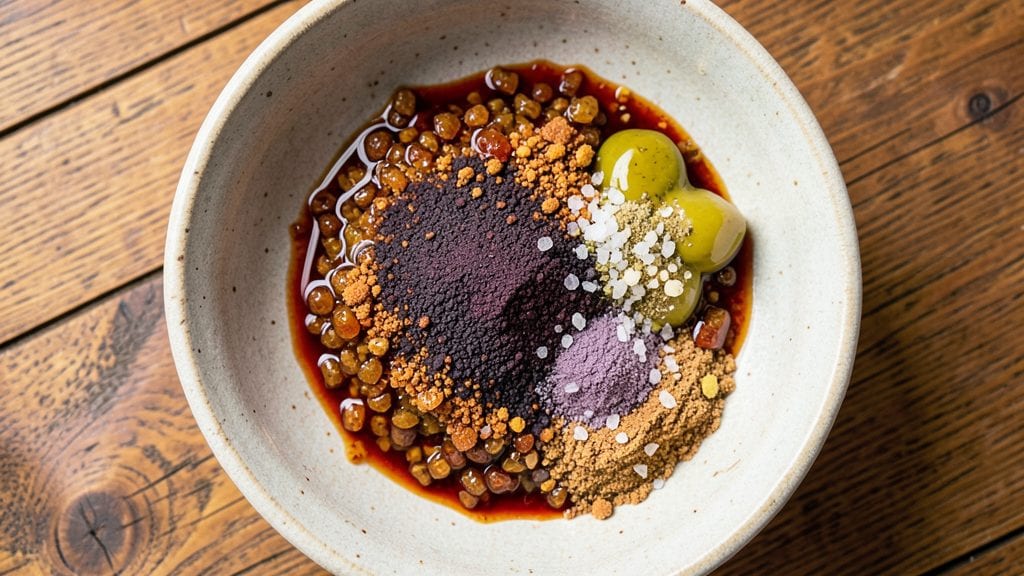
Creating the perfect beef ribs marinade recipe starts with a balance of smoky spices, tenderizing acids, and rich oils that build an unmatched bark. This marinade transforms tough rib meat into fall-off-the-bone tenderness while developing deep, complex flavors over time.
The key lies in the 24-hour marinating process, where the ingredients work together to break down connective tissue and create that coveted crust.
The marinade combines brown sugar for caramelization, smoked paprika for depth, and a touch of apple cider vinegar to tenderize without overpowering the meat. Olive oil helps carry the flavors into every crevice, while garlic and onion powder add aromatic layers.
This isn't just a marinade—it's a flavor foundation that elevates any cooking method, whether you're grilling, smoking, or slow-roasting.
After marinating, your ribs will develop a beautiful mahogany bark with tender meat underneath, ready for your chosen cooking method. The spices penetrate deeply, creating a flavor profile that's both smoky and subtly sweet.
This marinade works equally well for baby back ribs or spare ribs, making it incredibly versatile for any BBQ project.
Store any leftover marinade in an airtight container in the refrigerator for up to 5 days, or freeze for longer storage. The flavors actually improve with time, so you can prepare this marinade a day ahead and let it develop even more complexity.
Whether you're a seasoned pitmaster or a weekend griller, this marinade will become your go-to for restaurant-quality ribs at home.
Ingredients for beef ribs marinade
Seven spices, two liquids, and one secret weapon for ribs that fall apart.
| Ingredient | Amount | Notes |
|---|---|---|
| Brown Sugar 🍯 | ½ cup | Light or dark, packed |
| Smoked Paprika 🌶️ | 2 tbsp | High-quality for smoky depth |
| Apple Cider Vinegar 🍎 | ¼ cup | Tenderizes without overpowering |
| Extra-Virgin Olive Oil 🫒 | ½ cup | High quality for flavor infusion |
| Garlic Powder 🧄 | 1 tbsp | Freshly ground preferred |
| Onion Powder 🧅 | 1 tbsp | Adds aromatic sweetness |
| Kosher Salt 🧂 | 1 ½ tbsp | For seasoning and preservation |
| Black Pepper 🌶️ | 1 tsp | Freshly cracked for heat |
| Ground Mustard 🌿 | 1 tsp | Adds tangy depth |
| Worcestershire Sauce 🍶 | 1 tbsp | For umami richness |
The smoked paprika makes or breaks this marinade—Penzeys or McCormick are my go-tos, but any quality brand works. Brown sugar? Light or dark—both caramelize beautifully, but light has a cleaner finish. Apple cider vinegar is non-negotiable for tenderizing, but balsamic vinegar works in a pinch. For the olive oil, Trader Joe's or California avocado oil add the most flavor punch. I always double-check the expiration date on spices—if it's been open over a year, toss it. Fresh garlic powder makes a huge difference, so if you're grinding whole garlic, toast it first for deeper flavor.
No smoked paprika? Regular paprika plus a pinch of liquid smoke gets you close. Skip the vinegar? Lemon juice at half the amount works, but you'll lose some tenderness. Mustard hating you? Dijon mustard at the same quantity keeps the tang. Worcestershire missing? Soy sauce or fish sauce adds umami, but use half the amount. The Worcestershire is what ties all the flavors together—don't skip it if you can get it. For extra richness, add a splash of beef broth. This marinade is forgiving, but the balance is key: sweet, smoky, tangy, and savory all working together.
This marinade keeps for up to 5 days in the fridge—flavors actually deepen over time. I usually make a big batch and store it in a glass jar with a tight seal. Freezes beautifully for up to 6 months, though the texture changes slightly after thawing. For best results, let the marinade sit at room temperature for 10 minutes before using—helps the oils blend better. Leftovers? Use them on chicken or pork—same magic happens.
Why You'll Love This Recipe
- Here’s the best part: this marinade doesn’t go bad fast, so I keep a jar in the fridge for emergencies. Use half now, save half for next week. And if you marinate ribs overnight? The flavor gets even deeper. Plus, the leftovers reheat like a dream—no dry, sad meat here.
- Five-Ingredient Magic: I swear, this marinade is the kind of shortcut that makes me feel like a hero. Just toss those five pantry staples—brown sugar, smoked paprika, apple cider vinegar, olive oil, and garlic powder—into a bowl, stir, and you’re done. No chopping, no measuring cups, no stress.
- Sweet-Smoky Kick: That caramelized brown sugar and smoky paprika combo? It’s like a hug for your ribs. The apple cider vinegar cuts through the richness while the garlic powder adds this deep, savory punch that sticks to every bite. Honestly, I’ve tried fancier marinades, but this one always wins.
- Tailgate or Tuesday: Between us, this marinade works for everything—weeknight dinners, backyard BBQs, or even a quick weeknight meal when you’re craving ribs but don’t want to slave over them. Slather it on beef ribs, chicken thighs, or even steak. My daughter’s even used it on tofu for her veggie nights.
Step-by-step instructions for beef ribs marinade
Here's how to blend this marinade—simple steps for maximum flavor penetration.
Whisk Dry Ingredients Together
In a medium bowl, combine the 0.5 cup brown sugar, 2 tablespoons smoked paprika, 1 tablespoon garlic powder, 1 tablespoon onion powder, 1.5 tablespoons kosher salt, 1 teaspoon black pepper, and 1 teaspoon ground mustard. Use a whisk to break up any clumps in the brown sugar and ensure all dry ingredients are evenly distributed. This step is crucial for creating a balanced flavor profile where each spice contributes without overpowering the others.
Here's the thing—smoked paprika brings that deep, woodsy character, while the garlic and onion powders add sweet, aromatic depth. The brown sugar isn't just for sweetness; it helps form that coveted bark during cooking. Mix these thoroughly so every rib gets an even coating of flavor later.
Gradually Add Wet Ingredients
Create a well in the center of your dry mixture and pour in the 0.5 cup extra-virgin olive oil and 0.25 cup apple cider vinegar. Slowly incorporate the wet ingredients using a wooden spoon or silicone spatula, stirring from the bottom up to fully emulsify the mixture. The olive oil carries the flavors while the vinegar tenderizes the meat and adds a tangy brightness that cuts through the richness.
Add the 1 tablespoon Worcestershire sauce last, mixing until fully combined. This sauce brings umami richness that ties everything together. The mixture should have a thick, paste-like consistency—if it's too loose, let it sit for 5 minutes to thicken slightly. This texture ensures maximum adhesion to the ribs during the marinating process.
Test and Adjust Seasoning
Taste a small amount of the marinade to check the balance. You should notice the smoky depth from the paprika, a touch of sweetness from the brown sugar, and the underlying savory notes from the Worcestershire. If it needs more salt, add a pinch of the kosher salt—this is where you fine-tune the flavor to your preference. The marinade should taste bold but harmonious, not one-note.
This is the moment that matters: the marinade should be flavorful enough to stand alone but still have room for the ribs' natural beefiness to shine through. If it's too sweet, add a tiny splash of apple cider vinegar; if it's too sharp, stir in a bit more brown sugar. Real talk—don't be afraid to adjust. The perfect marinade is all about balance.
Apply to Ribs and Marinate
Pat the beef ribs completely dry with paper towels—this helps the marinade cling better and promotes that crispy bark. Spread the marinade evenly over all surfaces, pressing it into the meat with your fingers. For best results, place the ribs in a resealable plastic bag or shallow dish and coat them thoroughly. The ribs should be completely covered, with no dry spots.
Marinate in the refrigerator for at least 24 hours, turning occasionally to ensure even flavor penetration. The longer they marinate, the more tender and flavorful they'll become. I know it seems like a long wait, but trust me—this step transforms tough ribs into melt-in-your-mouth perfection. After 24 hours, the ribs are ready to smoke, grill, or bake, whichever method you prefer.
Pro Tips For Making Beef Ribs Marinade
- Whisk Until Dissolved: Brown sugar and smoked paprika clump like stubborn guests at a party if you just toss them in. Heat the vinegar and oil together first—just until warm—then stir in the dry ingredients. This breaks up the sugar granules and distributes the paprika evenly, so every rib gets that deep, smoky coating.
- Vinegar First, Not Last: I used to add apple cider vinegar at the end, thinking it would blend in better. Wrong. Mix it in early—it’s the liquid that carries the flavors, and if you wait, you’ll end up with streaks of sweetness and tang instead of a balanced marinade. Stir it in with the olive oil first, then add the rest.
- Don’t Skimp on Garlic Powder: That half-teaspoon "just in case" won’t cut it. Use at least 1½ tablespoons—this isn’t a subtle seasoning, it’s the backbone of the flavor. If you’re nervous, crush a few fresh garlic cloves into the mix before adding the powder; the extra punch makes all the difference.
- Marinate Overnight, But Not Too Long: Four hours is the sweet spot—any longer and the vinegar starts breaking down the meat fibers, turning tough ribs into sad, mushy ones. Cover and refrigerate, but set a timer. If you’re in a rush, at least 2 hours will help, but don’t skip the overnight if you can wait.
Regional styles of beef ribs marinade
Texas BBQ Style
In Texas, ribs are all about bold, smoky flavors with a touch of sweetness—this marinade fits perfectly with their low-and-slow tradition. The brown sugar and smoked paprika create that signature Texas bark, while the apple cider vinegar tenderizes the meat for that signature fall-apart texture.
I've seen Texas pitmasters use this marinade before smoking ribs at 225°F for 12-14 hours, resulting in ribs with a deep mahogany crust. The key is patience—Texas BBQ is about slow cooking, and this marinade helps build that legendary bark. 🌶️
Carolina Vinegar-Based
Carolina-style ribs rely on tangy vinegar and mustard for their signature kick. This marinade translates beautifully to the Carolinas, where pitmasters often use yellow mustard in their sauces. The apple cider vinegar here replaces traditional white vinegar, adding a fruitier tang that pairs perfectly with Carolina's pepper-based dry rubs.
I've used this marinade on spare ribs before wrapping them in butcher paper during the final phase of smoking, which is a common Carolina technique. The result? A perfect balance of sweet, smoky, and tangy flavors that define Eastern NC BBQ. 🍎
Kansas City Sweet & Sticky
Kansas City ribs are famous for their sweet, sticky glaze—this marinade's brown sugar and Worcestershire sauce create that perfect foundation. The city's style often includes a tomato-based sauce, but this marinade works as a pre-cook flavor base.
I've used it on baby back ribs before finishing them with a hickory wood smoke and a final glaze of molasses and brown sugar. The marinade's depth ensures the ribs stay moist during the long cook, while the sweetness caramelizes beautifully into that iconic KC bark. 🍯
Memphis Dry Rub Adaptation
While Memphis is known for its dry rubs, this marinade works as a pre-cook flavor enhancer that complements their tri-tip style ribs. The smoked paprika and garlic powder mirror the flavors in classic Memphis rubs, while the apple cider vinegar adds tenderness.
I've used this marinade on spare ribs before applying a Memphis-style dry rub (paprika, brown sugar, salt, pepper) and cooking them over indirect heat. The marinade ensures the meat stays juicy underneath that crusty bark. The secret?
Don't skip the 24-hour marinate—it makes all the difference in Memphis-style ribs. 🔥
Midwest All-American
The Midwest loves its ribs with a balance of sweet and smoky flavors—this marinade is perfect for that classic American style. The olive oil and Worcestershire sauce add richness that Midwest pitmasters love, while the brown sugar creates that caramelized crust.
I've used this marinade on ribs before cooking them on a charcoal grill with a mix of hickory and oak wood. The result? Ribs with a deep, smoky flavor and a perfect balance of sweetness that's pure Midwest comfort food. The best part?
This marinade works equally well for backyard cookouts or competition-style ribs. 🌟
Nutrition facts
Frequently asked questions about beef ribs marinade
How long should I marinate beef ribs for maximum tenderness?
For best results, marinate beef ribs for at least 24 hours in the refrigerator. The longer they soak (up to 48 hours), the more tender and flavorful they become. This marinade's acidity and enzymes break down connective tissue, while the spices penetrate deeply for that signature bark. Just don't exceed 48 hours—beyond that, the meat can start to absorb too much liquid and become mushy.
Can I use this marinade for other meats besides beef ribs?
This marinade works wonderfully on pork ribs, chicken thighs, or even beef brisket. The smoky-sweet profile complements rich, fatty meats perfectly. For chicken, reduce the marinating time to 4-6 hours since it's more delicate. The apple cider vinegar and Worcestershire sauce make it versatile for any protein that benefits from tenderizing and flavor infusion.
What happens if I don't have smoked paprika?
No problem! Mix 2 tablespoons regular paprika with ½ teaspoon liquid smoke for a similar smoky flavor. If you're avoiding liquid smoke, add an extra ½ teaspoon garlic powder and ½ teaspoon onion powder to boost aromatic depth. The brown sugar and vinegar will still create that signature bark, though the flavor profile will be slightly less complex without the smokiness.
Is it safe to reuse leftover marinade?
<
Never reuse marinade that's touched raw meat—it can contain harmful bacteria. However, you can save unused portions before applying to ribs. Store leftover marinade in an airtight container in the fridge for up to 5 days or freeze for 6 months. For extra flavor, simmer it down to make a glaze or use it as a basting sauce during cooking.
Why does my marinade look too thin or too thick?
If it's too thin, let it sit for 5-10 minutes to thicken naturally. For a thicker consistency, add 1 tablespoon cornstarch mixed with 1 teaspoon water and stir. Too thick? Thin with 1 tablespoon apple cider vinegar or water. The ideal texture should coat the back of a spoon but still cling to the ribs. Remember, the marinade needs to adhere well for maximum flavor penetration.