
Sauces & Condiments
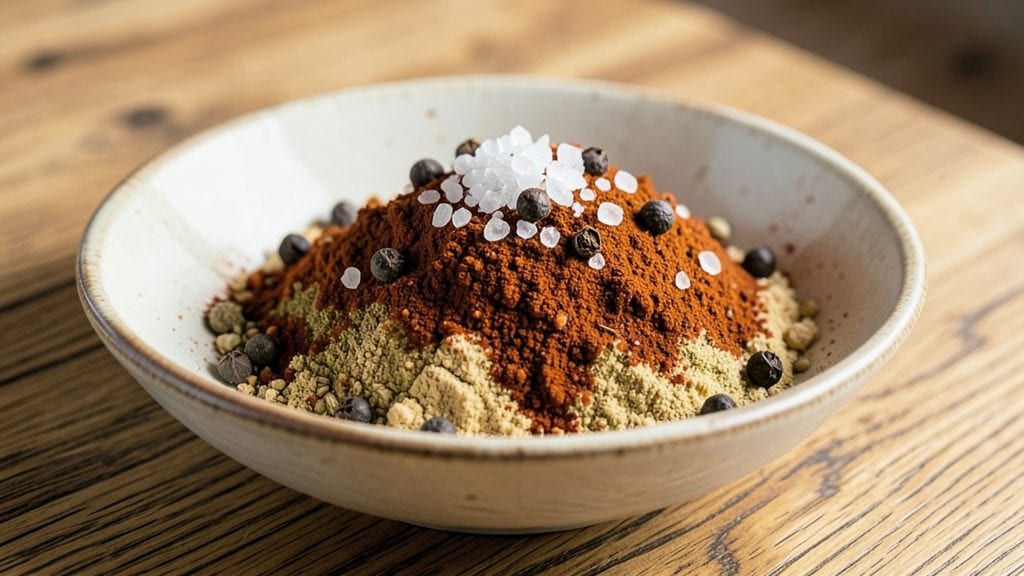
Creating a beef seasoning recipe that transforms ordinary cuts into extraordinary flavor is the foundation of any great cookout or holiday roast. This bold spice blend—perfect for grilling, roasting, or dry-rubbing—combines classic and unexpected spices to elevate steaks, burgers, and roasts with minimal effort.
The key lies in balancing heat, earthiness, and depth, ensuring every bite delivers restaurant-quality flavor without the fuss.
This dry seasoning mix delivers professional results with just five core ingredients: coarse salt, black pepper, smoked paprika, garlic powder, and onion powder. The blend stays fresh for months in an airtight container, making it a pantry staple for quick seasoning or marinade bases.
For those who prefer customization, adjust the heat level by adding cayenne or chili powder, or swap smoked paprika for regular for a milder profile.
The beauty of this recipe is its versatility—use it as a dry rub for steaks, a marinade base for roasts, or even a finishing salt for burgers. The spices cling to meat, creating a flavorful crust that locks in juices while adding complex layers of smokiness and savory depth.
Whether you're grilling ribeyes or slow-roasting a prime rib, this blend ensures every dish tastes like it came from a professional kitchen.
Store the mix in a sealed jar for up to six months, and double the batch for holiday cooking. The secret to success? Precision in measurements—each spice plays a role, from the sharp kick of black pepper to the warm sweetness of smoked paprika. Let’s get seasoning!
Ingredients for beef seasoning
Five core spices plus two game-changers for restaurant-worthy beef flavor in minutes.
| Ingredient | Amount | Notes |
|---|---|---|
| Coarse Kosher Salt 🧂 | 2 tbsp | Diamond Crystal preferred for texture |
| Freshly Ground Black Pepper 🌶️ | 1 ½ tbsp | Freshly cracked for maximum flavor |
| Smoked Paprika 🌶️ | 1 ½ tbsp | High-quality smoked variety |
| Garlic Powder 🧄 | 1 tbsp | Non-GMO preferred for purity |
| Onion Powder 🧅 | 1 tbsp | Finely ground for even distribution |
| Ground Cumin 🌿 | ½ tbsp | Toasted for enhanced aroma |
| Cayenne Pepper 🔥 | ½ tsp | Adjust for desired heat level |
| Dried Thyme 🍃 | ½ tsp | French thyme preferred |
Professional chefs swear by Diamond Crystal kosher salt for its coarse texture—it clings better to meat than table salt. Penzeys Spices or bulk bins at Whole Foods offer the freshest ground black pepper and smoked paprika, which lose potency within six months. For the garlic and onion powders, McCormick Gourmet or Badia brands provide consistent quality. Toast your cumin seeds briefly in a dry pan before grinding to unlock deeper flavor notes—this simple step transforms the spice from ordinary to extraordinary. Freshness matters most: if your spices smell musty or taste dull, replace them immediately.
No smoked paprika? Substitute regular paprika plus a pinch of liquid smoke for a similar smoky depth. Short on cayenne? Red pepper flakes at half the amount deliver comparable heat without overpowering. The thyme can be omitted for a simpler profile, but the cumin is non-negotiable—its earthy warmth anchors the blend. For a milder version, reduce the cayenne to a quarter teaspoon or swap it entirely for an extra half teaspoon of onion powder. Always measure spices by weight if possible (using a kitchen scale) for precision, though volume measurements work for home cooks. The blend's versatility extends beyond beef—try it on pork chops or even roasted vegetables for unexpected depth.
Store the seasoning mix in an airtight glass jar away from heat and light. Properly sealed, it remains potent for up to 6 months, though the cumin and smoked paprika may lose some intensity after 3 months. For long-term storage, freeze portions in small containers or ice cube trays—just thaw to room temperature before use. Double the batch and store half in your freezer for holiday cooking; the spices retain their flavor indefinitely when frozen. Always stir before using to redistribute any settled particles, ensuring an even flavor profile with every application.
Why You'll Love This Recipe
- Pantry Magic: I swear by this mix—no fresh herbs, no fancy prep. Just dump those five spices into a jar, shake it up, and boom: restaurant-worthy flavor without the fuss. Honestly, I keep a jar in my cabinet for when I’m too tired to measure anything.
- Smoky Depth: That smoked paprika? It’s the secret weapon. One sprinkle turns simple grilled steak into something rich and complex—like a campfire in your mouth. Between us, this is the only seasoning I’ll use on burgers or roasted beef.
- Everyday Hero: Serve it on weeknight dinners, pack it in lunchboxes, or use it to revive leftover beef. I’ve even dusted it over potatoes and eggs—it’s that good. Not the prettiest, but the taste makes up for it every time.
- Lasts Forever: A little goes a long way, so this mix won’t disappear after one use. I’ve had jars sitting for months, and it still tastes fresh. Budget-friendly? Absolutely. Time-saving? Even better—no last-minute store runs.
Step-by-step instructions for bold beef seasoning blend
This simple, precise method ensures a perfectly balanced seasoning every time.
Measure All Ingredients Precisely
Start by gathering all your ingredients and measuring them exactly as listed. Use a standard measuring spoon for the 2 tablespoons coarse kosher salt—Diamond Crystal works best for even distribution. For the 1.5 tablespoons freshly ground black pepper, freshly cracked peppercorns deliver maximum flavor, so don't use pre-ground pepper if possible.
The 1.5 tablespoons smoked paprika should be a high-quality smoked variety—this adds depth and that signature smoky aroma to your beef. Measure it carefully, as too much can overpower the other spices. I like to use a small digital scale for accuracy with these smaller measurements, but standard measuring spoons work fine if you level them off properly.
Combine Dry Ingredients in a Mixing Bowl
Place all the measured ingredients into a medium-sized mixing bowl. Start with the 1 tablespoon garlic powder and 1 tablespoon onion powder, then add the 0.5 tablespoon ground cumin. These three form the aromatic base of your seasoning blend. Use a whisk or small spatula to break up any clumps in the powders before adding the remaining ingredients.
Next, add the 0.5 teaspoon cayenne pepper and 0.5 teaspoon dried thyme. Be especially careful with the cayenne—too much can make your blend too spicy. If you're sensitive to heat, you might want to reduce this slightly. The thyme should be French thyme if possible, as it has a more robust flavor than regular dried thyme.
Mix Thoroughly for Even Distribution
Using a whisk or small silicone spatula, stir the ingredients together until fully combined. You want to break up any remaining clumps and ensure all the spices are evenly distributed. This is where the 2 tablespoons coarse kosher salt and 1.5 tablespoons freshly ground black pepper come into play—they help bind the spices together and prevent separation later.
Pay special attention to the smoked paprika and cumin—they tend to clump more than other spices. Mix for about 1-2 minutes until the blend looks uniform and there are no visible streaks of any single ingredient. The final texture should be coarse but free-flowing, similar to a well-made spice rub.
Store Properly for Maximum Freshness
Transfer the mixed seasoning to an airtight container, like a small glass jar or plastic container with a tight-sealing lid. I recommend using a container with a measuring spoon built into the lid—this makes it easy to portion out exactly what you need for each use. The seasoning will keep for up to 6 months in a cool, dark place, or up to 1 year in the freezer if properly sealed.
Before each use, give the container a good shake to redistribute any settled spices. This blend works best when fresh, so try to use it within the first few months for the most vibrant flavor. The aromatic spices like thyme and cumin lose potency over time, so proper storage is key to maintaining that bold, smoky character.
Pro Tips For Making Beef Seasoning
- Toast Your Spices: Smoked paprika loses its depth if it’s just tossed in raw—give it 30 seconds in a dry pan over medium heat until fragrant. I learned this the hard way when my seasoning tasted flat; now it’s the thing that makes the difference between "meh" and "smoky perfection."
- Grind Pepper Fresh: Pre-ground black pepper loses its punch within weeks. Buy whole peppercorns, crack them with a mortar and pestle, or use a microplane—you’ll taste the difference immediately. (Yes, even if you’re impatient like me.)
- Salt in Layers: Don’t dump all the kosher salt at once. Sprinkle half before searing, then finish with the rest after cooking—this keeps the crust crisp without overpowering. I was skeptical until I tried it; now it’s non-negotiable.
- Store Properly: Mix your seasoning in a jar with a tight seal, but add a slice of bread to absorb moisture. I used to store it loose, and the garlic powder clumped like cement. Now it stays fresh for months—no wasted effort.
Common mistakes when making great beef seasoning
Over-Salting Risks
One of the most common mistakes is using too much salt, especially with coarse kosher salt. Since it's less dense than table salt, 2 tablespoons can easily become 3 tablespoons if you scoop directly from the container.
I recommend using a small digital kitchen scale for precision—30 grams of Diamond Crystal kosher salt equals about 2 tablespoons. Over-salting ruins the balance of flavors and can make your beef taste harsh. 🧂
Uneven Spice Distribution
Skipping the thorough mixing step leads to clumps of cayenne or cumin, which can create hot or bitter spots on your meat. I always mix my seasoning for at least 2 minutes with a whisk to ensure every grain is coated.
For stubborn clumps, use a fork to break them apart before transferring to your storage container. Test the blend on a small piece of meat first to check for even flavor.
Using Old or Low-Quality Spices
Stale spices lose their punch and can make your seasoning taste flat. Smoked paprika and ground cumin degrade fastest—replace them every 3 months even if stored properly. I keep my spices in the freezer to preserve freshness, especially during summer months.
When buying, opt for brands like Penzeys or McCormick Gourmet for consistent quality. Always smell your spices before using; if they lack aroma, toss them.
Skipping the Resting Time
Applying your seasoning right before cooking means the spices don't penetrate the meat's surface. For best results, let beef sit with the seasoning for 15-30 minutes before grilling or roasting. This gives the salt time to draw out moisture, creating a better crust.
For thicker cuts like roasts, I apply the seasoning 2 hours before cooking and let it sit uncovered in the fridge for maximum flavor development.
Ignoring Meat Temperature
Seasoning alone won't save an improperly cooked steak. Always use a meat thermometer to check internal temperatures—145°F for medium-rare, 160°F for medium. I've ruined perfectly seasoned steaks by pulling them too early.
Let the meat rest for 5-10 minutes after cooking to redistribute juices before slicing. This resting time also allows the seasoning's flavors to fully meld with the meat.
Not Adjusting for Heat Sensitivity
The 0.5 teaspoon cayenne in this blend provides heat, but some people find it too intense. If you're sensitive to spice, reduce it to ¼ teaspoon or omit entirely. For extra heat lovers, add ½ teaspoon chipotle powder instead.
Always taste your seasoning on a small piece of cooked meat first—this helps you adjust before committing to your main dish. 🔥
Nutrition facts
Frequently asked questions
Can I use this seasoning on other meats besides beef?
While designed for beef, this blend works beautifully on pork chops, lamb chops, and even chicken thighs. For fish, reduce the salt to 1 tablespoon and omit the cayenne to avoid overpowering delicate flavors. The smoky paprika and cumin add depth to any protein.
How much seasoning should I use per pound of beef?
Start with 1 teaspoon per pound of meat for a balanced flavor. For thicker cuts like ribeye steaks or roasts, increase to 1.5 teaspoons per pound to create a bold crust. Always adjust to taste—this blend is forgiving but powerful!
Can I make this seasoning spicier or milder?
Yes! For extra heat, add ½ teaspoon chipotle powder or ¼ teaspoon red pepper flakes. For a milder version, reduce the cayenne to ¼ teaspoon or swap it for an extra ½ teaspoon onion powder. Always taste-test on a small piece of meat first.
How do I store leftover seasoning?
Keep it in an airtight glass jar away from light and heat. It stays fresh for up to 6 months at room temperature or 1 year in the freezer. Shake well before each use to redistribute spices evenly. For long-term storage, freeze in small portions.
Why does my seasoning clump together?
Clumping happens when spices absorb moisture. Store your blend in a completely dry environment and use a silica gel packet in the jar to prevent humidity. Mix thoroughly before each use—break up clumps with a fork or whisk to ensure even distribution on your meat.